

- By ayla tj
- December 3, 2025
- Logistics Guide
Shipping temperature-sensitive electronics requires stable cold-chain conditions, predictable freight pricing, and dependable carrier availability. Because electronic components such as LED chips, semiconductors, lithium-battery modules, smart devices, and high-precision circuit boards can be damaged by extreme heat, importers increasingly rely on Reefer FCL freight rate for electronics from China to France to ensure controlled temperature, safe transit, and reliable delivery timelines. Moreover, rising demand in France’s technology, automotive, and renewable-energy markets has intensified the need for cost-efficient reefer space planning.
This guide explains how to evaluate reefer freight rates, stabilize cost structures, and optimize electronics supply chains between China and France.
What Determines the Reefer FCL Freight Rate for Electronics to France?
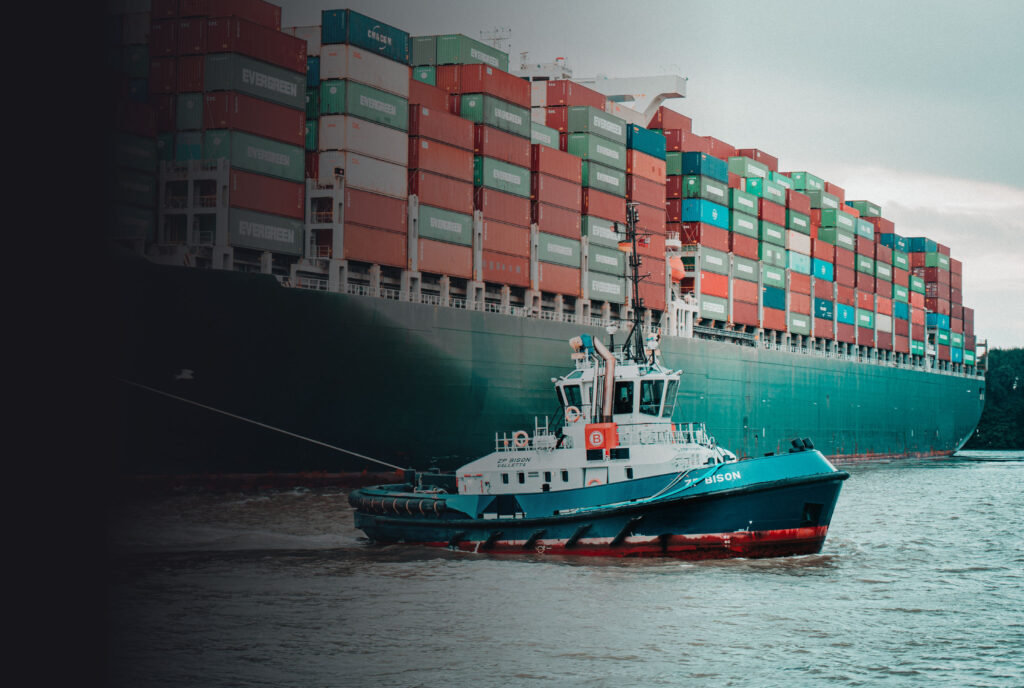
Reefer freight pricing is influenced by various market, equipment, and seasonal factors. Electronics require controlled ambient temperatures, so freight rates may be slightly higher compared with standard dry container shipments.
Primary Rate Drivers
- China port of loading (Shenzhen, Ningbo, Shanghai, Qingdao)
- France port of discharge (Le Havre, Marseille)
- Temperature-control requirements
- Carrier equipment availability
- Peak-season surcharges
- Bunker Adjustment Factor (BAF)
- Cargo value, handling, and insurance
- Regulatory compliance for lithium-related products
Additionally, carriers frequently prioritize perishable cargo, which impacts reefer space allocation for electronics.
Why Do Electronics Require Reefer FCL Rather Than Dry Containers?
Because electronic devices can malfunction under temperature swings, reefer containers maintain stable conditions (+15°C to +25°C), thereby preventing:
- Moisture exposure
- Condensation damage
- Overheating
- Chip degradation
- Battery swelling
- Static instability
Therefore, many high-value electronics benefit from temperature-controlled FCL solutions.
What Is the Transit Time for Reefer FCL from China to France?
Transit time depends on route structure, departure port, and the reefer equipment handling schedule. France typically uses Le Havre and Marseille due to their cold-chain infrastructure.
TABLE 1 — Transit Time Estimates (China → France)
| Origin Port | French Port | Transit Time | Notes |
|---|---|---|---|
| Shanghai | Le Havre | 28–33 days | Stable sailing frequency |
| Ningbo | Marseille | 30–36 days | Sometimes transshipment |
| Shenzhen | Le Havre | 32–38 days | Longer southern routing |
| Qingdao | Marseille | 33–40 days | Feeder delays possible |
These timelines help importers coordinate production and avoid last-minute bookings.
How Much Does a Reefer FCL Freight Rate for Electronics Typically Cost?
Reefer freight rates are higher than standard dry containers due to energy consumption, equipment control, and special handling. Electronics also require improved packing, adding slightly to origin-side costs.
Typical Cost Components
- Base ocean freight
- Reefer temperature surcharge
- China terminal handling charges
- France destination charges
- Reefer plug-in fees
- Documentation and customs entry
- Inland haulage
Rates also vary depending on the temperature range and reefer plug access at the ports.
TABLE 2 — Sample Cost Breakdown for Reefer FCL Electronics
| Cost Category | Estimated Range | Responsibility | Notes |
|---|---|---|---|
| Ocean Freight | $3,600–$5,100 | Importer | Seasonal changes apply |
| Reefer Surcharge | $250–$400 | Importer | Depends on temperature range |
| Destination THC | €350–€500 | Importer | France cold-chain terminals |
| Plug-in Fees | €30–€50/day | Importer | While container stays at port |
This breakdown supports accurate budgeting for ongoing shipments.
What are you waiting for?
Contact chinatopfreight for a fast, free quote.
Are you ready to book?
Access live instant freight quotes
What Documentation Is Needed for Electronics Imports to France?
Electronics face detailed customs inspection because of their complexity and potential battery-related risks. Proper documentation ensures fast clearance and prevents reefer containers from incurring extended plug-in or storage fees.
Required Documents
- Commercial invoice
- Packing list
- Bill of lading
- CE or RoHS certification
- Test reports for electronic devices
- Battery compliance (for lithium cargo)
- HS code declaration
Incorrect or incomplete documentation is a common reason for customs delays.
TABLE 3 — Documentation Checklist for Electronics Reefer FCL
| Document | Required For | Issued By | Notes |
|---|---|---|---|
| Commercial Invoice | Customs Entry | Supplier | Must match HS codes |
| Packing List | Verification | Supplier | Include specifications |
| Bill of Lading | Cargo Release | Carrier | Telex recommended |
| CE / RoHS Certificates | Compliance | Manufacturer | Required for electronics imports |
Preparing documents early avoids unnecessary reefer plug-in charges.
Why Is Reefer Space Limited for Electronics?
Reefer availability fluctuates heavily throughout the year. This impacts electronics shipments because carriers prioritize perishable goods that require strict cold-chain conditions.
Reasons for Space Shortages
- Carriers allocate reefers to food exporters first
- China–France lanes experience seasonal peaks
- Equipment imbalances reduce container availability
- Reefer services require additional energy infrastructure
- Importers must compete for limited units during peak periods
Electronics importers should book space in advance to avoid last-minute cost increases.
How to Reduce Reefer Freight Costs for Electronics?
Reefer freight is more expensive than standard FCL, but smart planning significantly reduces costs.
Cost-Reduction Strategies
1. Book 3–4 weeks early
Early planning secures better rates and avoids equipment shortages.
2. Optimize temperature ranges
Ambient vs. chilled temperatures affect surcharges.
3. Consolidate shipments
Combining supplier cargo lowers overall freight spend.
4. Avoid food export peak seasons
Reefer equipment is heavily consumed by agricultural demand.
5. Use long-term contracts
Annual agreements protect against volatile markets.
Should Electronics Be Shipped in Reefer or Dry Containers?
Although dry containers are cheaper, they expose electronics to heat, humidity, and condensation. High-value or high-precision electronics are safer in reefer units.
Comparing Reefer vs Dry
- Reefer protects heat-sensitive components
- Dry FCL offers lower cost but higher risk
- Reefer reduces malfunction and warranty claims
- Reefer ensures safe transit even in hot seasons
For expensive electronics, reefer is the recommended solution.
How Does Customs Clearance in France Affect Electronics Shipping?
France enforces strict compliance for imported electronics, especially those with wireless, battery, or high-power features. Customs delays increase reefer plug costs, so proper preparation is essential.
Common Clearance Issues
- Wrong HS code classification
- Missing CE documentation
- Battery compliance errors
- Mislabeled electronic components
- Incomplete technical specifications
Early document submission dramatically speeds up clearance.
Which French Destinations Typically Receive Electronics Shipments?
Electronics arriving at Le Havre or Marseille move inland to high-tech industrial and distribution regions across France.
Key Distribution Hubs
- Paris region for consumer electronics
- Lyon for industrial electronics
- Toulouse for aerospace electronics
- Lille for e-commerce distribution
- Bordeaux for manufacturing and assembly
Effective inland routing supports stronger supply chain reliability.
Conclusion
A strategic Reefer FCL freight rate for electronics from China to France plan ensures stable temperatures, predictable freight costs, and secure delivery for sensitive electronic components. By booking early, optimizing packaging, preparing compliance documents, and coordinating inland transport, electronics importers can avoid delays and protect product integrity. With the right reefer management and professional logistics support, your supply chain becomes more reliable, cost-efficient, and ready to meet market demands across France.
FAQ
1. How early should reefer space be booked for electronics?
Book at least 3–4 weeks in advance because reefer units are limited and allocated early, especially during agricultural peak seasons.
2. What is the recommended temperature setting for electronics?
Most electronics ship safely between +15°C and +25°C, minimizing heat damage, condensation risks, and internal component instability during transit.
3. Are CE or RoHS certificates required for electronics imports to France?
Yes. France requires strict compliance documentation to ensure electrical safety and environmental standards, especially for consumer electronics and battery devices.
4. Why is reefer freight more expensive?
Reefers consume energy, require extra monitoring, and have limited availability. Temperature-controlled shipping adds surcharges that dry containers do not require.
5. Can mixed electronics be loaded into one reefer?
Yes, as long as temperature requirements are consistent. Proper labeling and moisture-proof packaging ensure safe transit and easier customs inspection.