

- By kelly
- December 3, 2025
- Logistics Guide
Reefer FCL Container Shortage Solution for Auto Parts from China to California
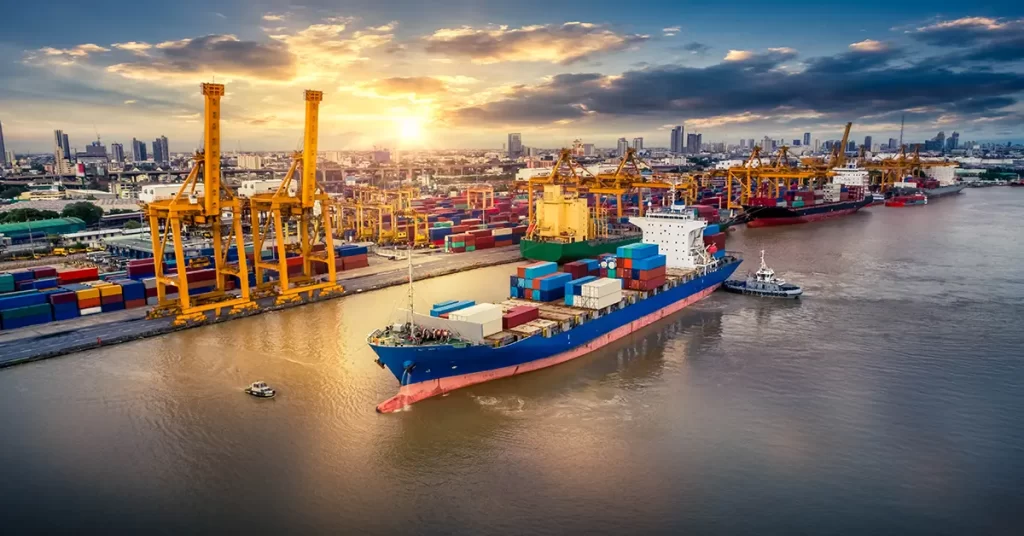
The demand for temperature-controlled logistics is rising, yet the reefer FCL container shortage continues to disrupt global supply chains. For manufacturers shipping high-value auto parts from China to California, this shortage can lead to shipment delays, spoilage of sensitive electronic components, and mounting demurrage costs. Fortunately, several solutions and workarounds exist to secure reefer FCL capacity and keep your supply chain moving efficiently across the Pacific.
1. Why Do Auto Parts Require Reefer FCL Containers?
While reefers are typically used for perishables, many auto parts, such as lithium batteries, rubber components, and electronic modules, require controlled temperatures and humidity levels to preserve quality during long sea voyages.
Auto Parts Suitable for Reefer Containers:
- Batteries (temperature-sensitive)
- Electrical control units (ECUs)
- Wiring harnesses with rubber insulation
- Sensors and modules
- Gaskets and rubber seals
Moreover, California’s port weather and seasonal humidity can accelerate material degradation if proper protection isn’t in place.
2. What’s Causing the Reefer FCL Container Shortage?
The global reefer shortage is the result of several overlapping supply chain issues:
- Port congestion: Containers are stuck longer at destination terminals like Long Beach and Oakland.
- Imbalance in trade: Too many reefers leaving China, not enough returning.
- Surge in reefer demand: Due to pharmaceutical, food, and tech exports.
- Carrier equipment allocation: Shipping lines prioritize high-yield perishables.
As a result, auto part exporters struggle to book 40’ RH units without delays or premium charges.
3. What Are the Alternatives During a Reefer Container Shortage?
If reefer containers are unavailable, consider these alternatives to keep cargo moving.
Shortage Workarounds for Reefer FCL Shipments
| Solution | Description | Pros | Cons |
|---|---|---|---|
| Insulated Dry Container + Data Logger | Use thermal blankets and loggers | Cheaper than reefer | Less precise control |
| Controlled Atmosphere Reefer Sharing | Partner with other exporters | Cost-effective | Requires coordination |
| Flexitanks with Passive Cooling | For liquid auto parts (oils, coolants) | Stable for liquids | Limited applicability |
| Split FCL into LCL + Air | Ship urgent stock by air | Time-saving | Costlier option |
Each option requires coordination with freight forwarders and port handlers for proper implementation.
4. How Much Does Reefer FCL Shipping Cost from China to California?
Prices have risen due to tight reefer equipment availability and peak season surcharges.
Estimated Reefer FCL Cost Breakdown
| Origin Port | Base Ocean Freight (USD) | Surcharges | Total Estimated Cost |
|---|---|---|---|
| Shanghai | $5,500–$6,200 | $800–$1,200 | $6,300–$7,400 |
| Ningbo | $5,700–$6,400 | $900–$1,300 | $6,600–$7,700 |
| Shenzhen | $5,900–$6,800 | $1,000–$1,400 | $7,000–$8,200 |
Prices vary weekly; early booking helps avoid equipment premium fees.
5. How Long Does It Take to Ship Auto Parts to California?
Transit times vary based on carrier schedules, port congestion, and route selection.
Typical Transit Times (Port-to-Port)
| Route | Estimated Transit Time | Notes |
|---|---|---|
| Shenzhen → Long Beach | 15–18 days | Direct sailing, fastest route |
| Ningbo → Oakland | 18–21 days | Slightly longer, stable service |
| Shanghai → Los Angeles | 16–19 days | Frequent sailings, premium options available |
Planning with buffer days is essential due to variable customs clearance and port dwell time.
6. What Documents Are Required to Ensure Smooth Reefer FCL Booking?
For sensitive cargo like auto parts, proper documentation reduces port delays and ensures carrier acceptance.
Customs Documentation Checklist
| Document | Purpose |
|---|---|
| Commercial Invoice | Declares value, HS code, and cargo type |
| Packing List | Details cargo arrangement for reefer settings |
| Material Safety Data Sheet (MSDS) | Required for batteries or electronic components |
| Temperature Declaration | Confirms required temp/humidity |
| Bill of Lading | Includes “Reefer” and required handling instructions |
| ISF (10+2) Filing | Mandatory for U.S. customs pre-arrival |
Submitting documents early also improves the chance of securing priority reefer slots.
7. How to Optimize the Reefer FCL Booking Process?
Booking a reefer container isn’t as simple as dry FCL. Here are practical tips to enhance your process:
- Book 3–4 weeks in advance, especially before peak seasons (July–October)
- Use multiple origin ports (e.g., Ningbo and Shenzhen) to increase chances
- Request flexible equipment types (e.g., accept 40RF or 40RH)
- Collaborate with forwarders that have reefer block space agreements
- Confirm plug-in availability at departure and arrival terminals
These steps minimize delays caused by container non-availability or port mismatch.
8. Is Rail or Air Freight a Better Alternative?
When reefer FCL is unavailable or too delayed, some shippers consider alternatives like air or rail.
Freight Mode Comparison
| Mode | Transit Time | Cost | Pros | Cons |
|---|---|---|---|---|
| Reefer FCL | 15–21 days | $$ | Cost-effective, large volume | Availability issues |
| Air Freight | 3–7 days | $$$$ | Fastest, good for urgent parts | Expensive |
| Rail + Truck (via Europe) | 20–30 days | $$$ | Moderate speed | Complex routing to California |
Use air for critical parts; use rail for high-value but non-urgent stock.
9. How Do Forwarders Help Solve Reefer Shortage Challenges?
Freight forwarders play a pivotal role in managing reefer container shortages.
They assist with:
- Access to guaranteed reefer space through service contracts
- Booking via multiple carriers for flexibility
- Coordinating load planning and VGM submissions
- Monitoring real-time container status
- Managing customs documentation to avoid holds
- Advising on cargo insurance and compliance
Choosing the right forwarder reduces costly trial-and-error when reefer slots are tight.
10. What Can You Do to Prevent Reefer Delays at California Ports?
California ports—especially Long Beach, Oakland, and Los Angeles—are known for bottlenecks. To avoid reefer detention or demurrage:
- Clear U.S. customs before arrival
- Coordinate trucking and unloading with receiver
- Use port drayage services with reefer plug-in capacity
- Pre-arrange on-dock inspection if necessary
- Monitor terminal appointment availability
These steps minimize exposure to per diem charges and temperature excursions.
📦Get a Free Quote
If you’re struggling with reefer FCL container shortage solutions for auto parts from China to California, we can help. ChinaTopFreight specializes in temperature-sensitive cargo and maintains strong partnerships with carriers to secure space—even during equipment shortages. Request a quote today and ensure your auto parts reach California safely and on time.
❓ Frequently Asked Questions
1. What’s the average cost of a reefer FCL container to California?
Costs range between $6,300–$8,200 depending on the origin port, season, and reefer equipment surcharges.
2. Can I ship auto parts that don’t require refrigeration in a reefer?
Yes. Many auto parts are shipped in reefers for humidity or temperature control, not refrigeration.
3. Is there any alternative to reefer containers?
Yes, options include insulated containers with data loggers or shared reefer solutions when full reefer FCL is unavailable.
4. Do I need to specify temperature when booking?
Absolutely. Carriers require declared temperature, humidity, and ventilation settings to accept reefer cargo.
5. How early should I book a reefer FCL?
At least 3–4 weeks ahead, especially from July to October when reefer demand peaks due to seasonal exports.
Conclusion
With the rising demand for temperature-sensitive logistics, securing a reefer FCL container for auto parts from China to California has become more competitive than ever. By understanding the causes of shortages, exploring practical alternatives, and working with experienced logistics providers, you can ensure delivery timelines, cargo safety, and regulatory compliance. Don’t let the shortage disrupt your supply chain—plan early, book smart, and rely on expert support to keep your auto parts moving without delay.