

- By kelly
- December 3, 2025
- Logistics Guide
China FCL Export Documentation to Portugal: Full Guide for Smooth Shipping
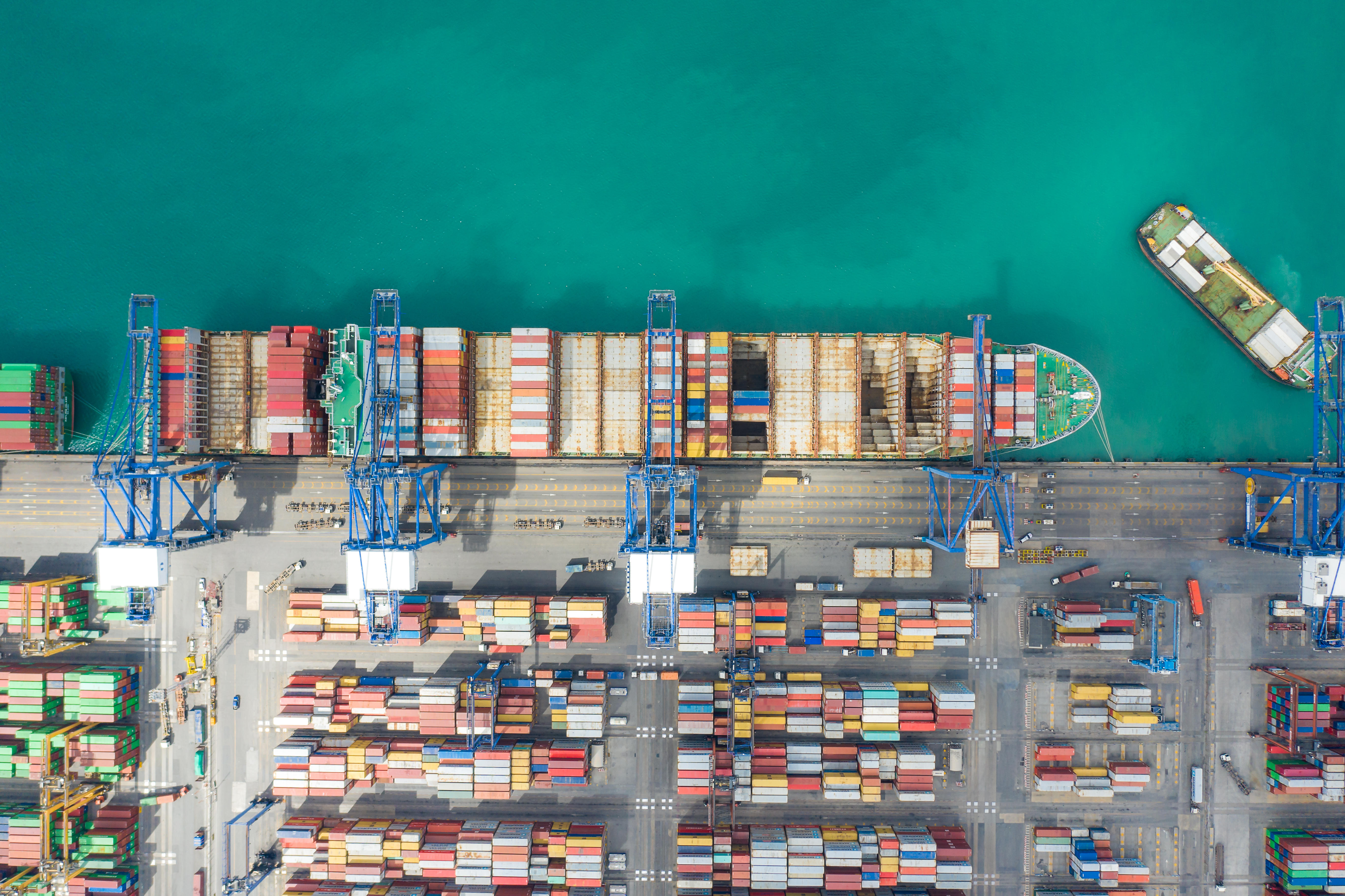
Exporting goods through China FCL export documentation to Portugal can seem complex, especially for first-time shippers or growing businesses. From managing container bookings to preparing customs documents, missing any detail could lead to costly delays. Fortunately, this guide explains every document, compliance step, and trade tip to help you ship full container loads from China to Portugal smoothly.
1. What Is Required for China FCL Export Documentation to Portugal?
Exporting via Full Container Load (FCL) requires multiple coordinated documents that verify the cargo origin, ensure compliance, and allow customs clearance. Here’s a quick checklist:
Required Documents for FCL Export to Portugal
| Document Type | Issued By | Purpose | Mandatory |
|---|---|---|---|
| Commercial Invoice | Exporter | Declares transaction value & cargo details | ✔ |
| Packing List | Exporter | Lists packaging breakdown | ✔ |
| Bill of Lading (B/L) | Carrier/Freight Co. | Confirms cargo receipt & shipping terms | ✔ |
| Certificate of Origin | CCPIT or Chamber | Proves origin of goods | ✔ |
| Customs Declaration Form | Exporter/Agent | Required for Chinese export clearance | ✔ |
| Import Declaration | Portuguese Importer | Required at Portugal customs | ✔ |
| HS Codes Classification | Exporter/Customs | Tariff classification | ✔ |
| Insurance Certificate | Insurance Company | Covers damage/loss risk during transit | Optional |
2. Why Is Each Document So Crucial in FCL Shipments?
Each export document plays a vital role across the supply chain, ensuring proper classification, valuation, and legal movement of cargo. Moreover, Portuguese customs requires high consistency between invoice, packing list, and B/L data to validate shipments. Any discrepancy can trigger inspections or delay your delivery schedule.
3. How to Correctly Prepare a Commercial Invoice for Export to Portugal?
To pass Portuguese import control, your commercial invoice should include:
- Exporter & importer company details
- Invoice number & date
- Product description & HS code
- Quantity & unit price
- Total declared value (USD/EUR)
- Freight & insurance cost if applicable
- Origin of goods (China)
- Payment terms (e.g., FOB Shanghai, CIF Lisbon)
Pro Tip: Use dual currency if the payment involves Chinese RMB and Portuguese EUR.
4. Do You Need a Certificate of Origin When Shipping to Portugal?
Yes. Portugal is part of the European Union, and the Certificate of Origin is often mandatory to:
- Determine tariff reductions under China–EU agreements
- Comply with EU import controls for certain regulated goods (e.g., textiles, electronics)
- Prove Chinese origin to avoid anti-dumping duties
You can apply through CCPIT (China Council for the Promotion of International Trade) or local commerce chambers.
5. What Role Does the Bill of Lading Play in FCL Shipping?
The Bill of Lading (B/L) is one of the most critical documents for FCL. It serves as:
- Contract of carriage between shipper and carrier
- Proof of receipt of goods onboard
- Title document, allowing ownership transfer upon delivery
Make sure the B/L aligns exactly with your invoice and packing list—especially cargo description and container numbers.
6. What Are the Transit Times for FCL from China to Portugal?
Transit time varies depending on origin port, shipping route, and carrier schedules. Below is a table with average FCL transit durations:
Average Transit Time from China to Portugal (FCL)
| Origin Port | Destination (Portugal) | Transit Time (Days) | Via |
|---|---|---|---|
| Shanghai | Lisbon | 28–32 | Suez Canal |
| Shenzhen | Porto | 30–35 | Singapore Transfer |
| Ningbo | Lisbon | 27–31 | Direct/Tranship |
| Qingdao | Leixões | 32–38 | Via Mediterranean |
Note: Plan ahead as customs clearance can add 2–4 days at destination.
7. How Do You Avoid Documentation Errors That Delay Cargo?
Many exporters experience delays due to small but costly mistakes. Here are ways to avoid them:
- Double-check HS codes against EU TARIC database
- Ensure invoice currency matches incoterms (FOB vs CIF)
- Align product descriptions across all documents
- Get translations ready for Portuguese customs if needed
- Use a reliable freight forwarder who reviews all documents before submission
8. What Are the Main Import Regulations in Portugal for FCL Shipments?
As part of the EU, Portugal enforces:
- CE marking for regulated goods (e.g., electronics, toys, machinery)
- REACH compliance for chemicals
- VAT & customs duty, calculated based on HS code and CIF value
- Importer of Record (IOR) requirement for tax/legal responsibility
Therefore, you should work closely with your Portuguese buyer or local customs broker.
9. Is Insurance Mandatory for China FCL Shipments to Portugal?
While not required by law, cargo insurance is highly recommended. Sea freight involves inherent risks such as:
- Container loss or damage
- Weather delays
- Port strikes or war disruptions
Typically, All Risk or ICC(A) coverage is sufficient for high-value goods like electronics, auto parts, or medical equipment.
10. How Does FCL Compare with LCL for China–Portugal Shipping?
Let’s compare the two shipping modes in terms of cost, time, and logistics:
FCL vs LCL Shipping to Portugal
| Feature | FCL | LCL |
|---|---|---|
| Cost per unit | Lower (full container) | Higher (shared container) |
| Transit time | Faster (direct route) | Slower (consolidation delay) |
| Documentation | More complex | Simpler |
| Customs inspection | Less frequent | More likely |
| Ideal for | >15 CBM or high-value cargo | <10 CBM or small shipments |
11. What Are the Current Logistics Trends for China–Portugal FCL Trade?
In recent months, China–Portugal FCL shipping has been influenced by:
- Green shipping incentives from EU ports
- Port congestion in Western Europe due to container backlogs
- Rising demand for Portuguese imports of solar panels, textiles, and electronics from China
- Increased usage of digital documentation platforms like eB/L to reduce paperwork errors
Staying ahead of these trends helps streamline your logistics planning.
📦Get a Free Quote
Looking to streamline your China FCL export documentation to Portugal?
Whether you’re shipping auto parts, electronics, or textile goods, our experts at ChinaTopFreight ensure your paperwork is flawless, your containers ship on schedule, and your cargo clears customs without issues. Trust our years of freight forwarding experience between China and the EU.
❓ Frequently Asked Questions
1. What is the most important export document when shipping FCL to Portugal?
The Bill of Lading is essential, as it acts as a contract, receipt, and ownership title.
2. How do I get a Certificate of Origin for Portugal shipments?
Apply through CCPIT or a local trade chamber. Provide invoice, packing list, and HS codes.
3. Do I need to translate my documents for Portuguese customs?
Not always, but product descriptions in English are preferred. Translations help if terms are technical.
4. Can I ship used equipment to Portugal via FCL?
Yes, but provide inspection certificates and confirm compliance with EU environmental regulations.
5. Who handles the import declaration in Portugal?
Usually the Importer of Record or a local customs broker arranges the import declaration process.
Conclusion
Handling China FCL export documentation to Portugal requires accuracy, foresight, and coordination. From commercial invoices to Bills of Lading and customs declarations, each document plays a role in reducing delays and avoiding penalties. By partnering with a reliable freight forwarder like ChinaTopFreight, you gain the peace of mind that every shipment meets both Chinese and EU compliance standards. Reach out today and ensure your next Portugal-bound FCL container is handled professionally from port to port.