

- By ayla tj
- December 3, 2025
- Logistics Guide
Managing 40HQ FCL transit time for lighting from China to Long Beach is crucial for importers shipping high-volume lamps, LEDs, fixtures, and commercial lighting systems. Because shipping delays can drive up costs, disrupt retail rollouts, and affect project deadlines, understanding schedules, compliance, and planning strategies becomes essential for achieving reliable logistics performance.
1. What Influences the 40HQ FCL Transit Time for Lighting from China to Long Beach?
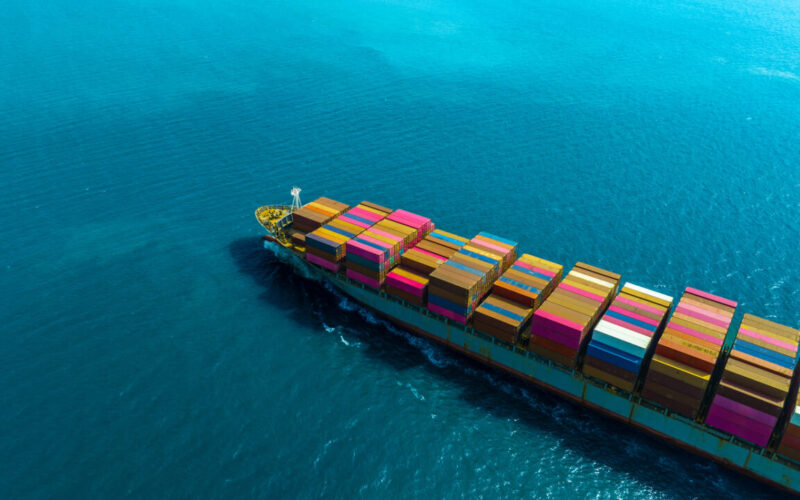
Multiple factors shape the overall transit duration, and understanding them helps importers plan more effectively. Moreover, lighting shipments often face sensitivity issues involving packaging, moisture control, and customs documentation.
Key transit-time drivers include:
- Port congestion in Shenzhen, Ningbo, Shanghai, and Long Beach
- Carrier sailing frequency and vessel capacity
- Seasonal peaks (Q4, CNY, back-to-school)
- Customs and ISF filing accuracy
- Weather conditions impacting Pacific routes
- Documentation completeness for lighting cargo
Additionally, lighting accessories—especially LED modules—are more sensitive to handling delays, making reliable scheduling even more critical.
2. How Long Does 40HQ FCL Transit Actually Take from China to Long Beach?
Although transit time varies by carrier and Chinese port, most 40HQ FCL routes follow a consistent pattern. Furthermore, shipping companies optimize schedules weekly to stabilize travel times.
Below is a clear comparison of core timing:
Transit Time Breakdown (Sea Freight Only)
| Route / Port | Typical Transit Time | Seasonal Peak Time | Notes |
|---|---|---|---|
| Shanghai → Long Beach | 13–15 days | 15–20 days | Fastest Pacific route |
| Ningbo → Long Beach | 15–17 days | 18–22 days | Popular for lighting factories |
| Shenzhen/Yantian → Long Beach | 16–18 days | 20–24 days | Congestion-prone |
| Qingdao → Long Beach | 18–21 days | 20–26 days | Longer northern route |
3. Why Is Lighting Cargo More Sensitive to Delays?
Lighting products—especially LED lighting, solar lights, commercial fixtures, and architectural lighting—have unique supply-chain demands.
Lighting cargo is time-sensitive because:
- Retail seasons require strict delivery timing
- Hotels, malls, and construction projects rely on scheduled installation
- High-value LED modules must avoid humidity exposure
- Large volumes often fill one full 40HQ container
Therefore, delays not only impact cost but also risk damaging project timelines.
4. What Documents Are Required for Smooth 40HQ FCL Transit of Lighting?
Because lighting mixes metal, electronics, and glass components, documentation accuracy is necessary for avoiding customs delays. Additionally, properly aligned paperwork speeds up USISF checks.
Customs Document Checklist
| Document | Required? | Purpose | Common Issues |
|---|---|---|---|
| Commercial Invoice | Yes | Declares value | HS code mismatch |
| Packing List | Yes | Describes lighting items | Weight/volume errors |
| Bill of Lading | Yes | Official sea freight record | Wrong consignee |
| ISF Filing | Mandatory | US customs security | Late filing penalties |
| UL / CE Certificates | Sometimes | For electrical testing | Missing for LED drivers |
5. What Shipping Method Provides the Best Cost vs Transit Time? (Sea vs Air)
Since no China→USA rail system exists, importers choose sea freight or air freight. Interestingly, air freight is sometimes used for emergency lighting shipments and VIP projects but remains costly.
Sea Freight vs Air Freight Comparison (No Rail Option)
| Category | 40HQ FCL (Sea) | Air Freight |
|---|---|---|
| Cost | Low | High |
| Transit Time | Slow (13–21 days) | Fast (3–5 days) |
| Volume Capacity | Very high | Very low |
| Best for | Large lighting orders | Urgent LED samples |
What are you waiting for?
Contact chinatopfreight for a fast, free quote.
Are you ready to book?
Access live instant freight quotes
6. How to Reduce Delays During 40HQ FCL Transit for Lighting?
Lighting shipments face frequent bottlenecks because of port congestion and documentation issues. However, several proactive steps help importers stay ahead.
Effective strategies include:
- Submitting ISF filing at least 72 hours before departure
- Scheduling shipment before seasonal peaks
- Choosing carriers with stable Long Beach routes
- Ensuring accurate HS codes for lighting products
- Using professional freight forwarders for compliance
- Consolidating PO numbers to streamline customs inspections
- Negotiating priority loading for urgent orders
Moreover, optimizing packaging helps reduce damage risk and improves container utilization.
7. Should You Choose a Direct or Transshipment Route?
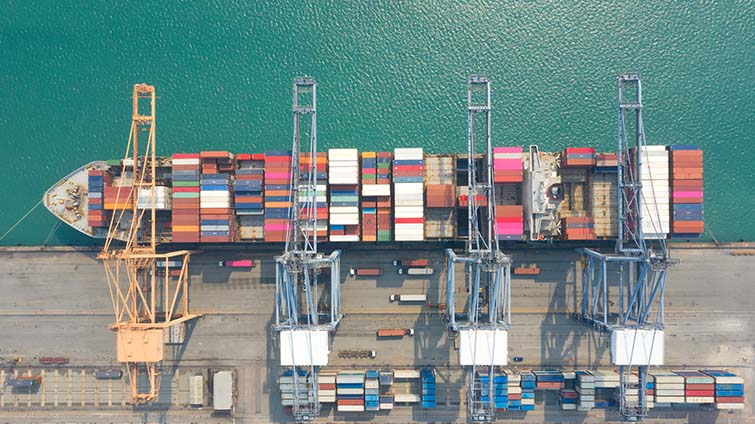
Direct routes offer shorter transit times, yet some lighting factories use transshipment ports like Busan or Kaohsiung. Although indirect routes may save money, they introduce more variability.
Direct Route
✔ Faster
✔ Fewer delays
✔ Lower risk for LED modules
✘ Slightly higher cost
Transshipment Route
✔ Lower freight rate
✘ Longer transit
✘ Higher risk during peak seasons
Importers with tight project timelines should prioritize direct sailings to Long Beach.
8. What Is the Best Way to Optimize Supply Chain Planning for Lighting Imports?
Lighting buyers often experience fluctuating delivery timelines. Therefore, establishing predictable supply-chain processes is essential.
Recommended planning actions:
- Maintain rolling forecasts with suppliers
- Use buffer inventory in the US
- Request weekly sailing updates from your forwarder
- Optimize packaging for safer stacking
- Pre-book 40HQ FCL space 2–3 weeks ahead
- Track shipment performance across multiple carriers
Furthermore, aligning procurement with production cycles improves on-time delivery during peak seasons.
9. Can Freight Rates Affect 40HQ FCL Transit Time?
Yes. When carriers charge lower rates, vessels tend to be fully booked, causing slower loading and unloading. Additionally, budget carriers may adjust schedules or skip ports.
Higher-cost carriers often provide:
- More stable departure windows
- Faster terminal handling
- Priority berthing at Long Beach
Therefore, balancing cost and reliability is essential for lighting shipments.
10. How Do Weather and Seasonal Patterns Impact Transit Time?
Lighting cargo traveling across the Pacific is exposed to seasonal challenges, especially between September and March.
Common disruptions include:
- Pacific typhoons reducing sailing frequency
- Winter storms increasing delays
- Port congestion due to holiday volume
- Chinese New Year production surges
Although uncontrollable, advanced booking and flexible project planning help mitigate risks.
Conclusion
Managing 40HQ FCL transit time for lighting from China to Long Beach requires a solid understanding of route choices, packaging, customs compliance, and seasonal planning. Although transit times vary, proactive booking, documentation accuracy, and reliable carriers help importers maintain predictable supply chains. Consequently, businesses moving lighting products benefit from faster delivery, fewer disruptions, and improved operational efficiency.
FAQ
1. How early should I book a 40HQ FCL shipment for lighting to Long Beach?
Booking 2–3 weeks in advance ensures better sailing options, especially during seasonal peaks when lighting shipments surge and carrier capacity becomes tight.
2. Do lighting products require special packaging for ocean freight?
Yes, LED lighting, fixtures, and glass materials require moisture-proof packaging, reinforced cartons, and palletization to prevent damage during long Pacific transit.
3. What is the fastest sea route for lighting from China to Long Beach?
Shanghai and Ningbo offer the fastest routes, usually 13–17 days, depending on vessel speed, port congestion, and carrier service reliability.
4. Is ISF filing required for lighting shipments to the US?
Yes, ISF must be filed before departure. Accurate HS codes and lighting product descriptions help avoid customs delays and penalties.
5. Can air freight replace sea freight for lighting shipments?
Air freight is suitable for urgent lighting orders or small LED modules, but costs are significantly higher and unsuitable for full 40HQ cargo volumes.