

- By carlie tj
- December 4, 2025
- Logistics Guide
Shipping large or irregularly shaped electronics can be a logistical challenge, especially during a container shortage. Finding an Open Top FCL container shortage solution for electronics from China to Europe has become increasingly important for suppliers and manufacturers. Fortunately, ChinaTopFreight offers smart strategies to help mitigate risks, optimize supply chains, and ensure delivery deadlines are met.
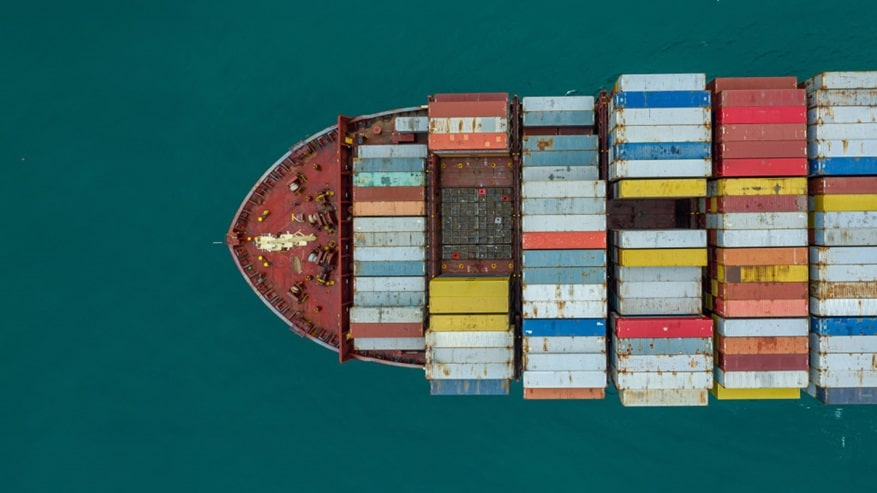
1. Why Are Open Top FCL Containers Essential for Shipping Electronics?
Electronics like generators, industrial control units, or oversized display systems often exceed the dimensions of standard containers. Open Top FCL (Full Container Load) options allow loading from the top, making it easier to accommodate awkward or tall equipment. However, their limited global availability causes disruptions if not properly secured in advance.
2. What Is Causing the Current Container Shortage in Asia–Europe Trade?
The shortage stems from global supply chain imbalances, port congestion, and lingering COVID-era disruptions. Additionally, Open Top containers are a specialty type, representing a small percentage of available equipment. During peak seasons, demand spikes while capacity remains static, straining the system. Consequently, shippers must plan further ahead to guarantee equipment availability.
3. How Does the Container Shortage Impact Electronics Supply Chains?
Electronics exporters risk production halts and increased storage fees if goods cannot ship on time. Moreover, container unavailability may force rerouting or mode switching—leading to higher shipping costs or longer delivery times. Thus, solving the Open Top container shortage is not merely about equipment—it’s about protecting downstream inventory planning and retail rollouts.
4. What Are the Best Strategies to Solve Open Top FCL Container Shortages?
To overcome these shortages, shippers should:
- Book earlier than usual (3–4 weeks in advance).
- Use container pooling networks or share space among shippers.
- Select alternate ports to avoid bottlenecks.
- Partner with expert forwarders who have access to reserved container allocations.
These steps, when applied systematically, reduce risk significantly.
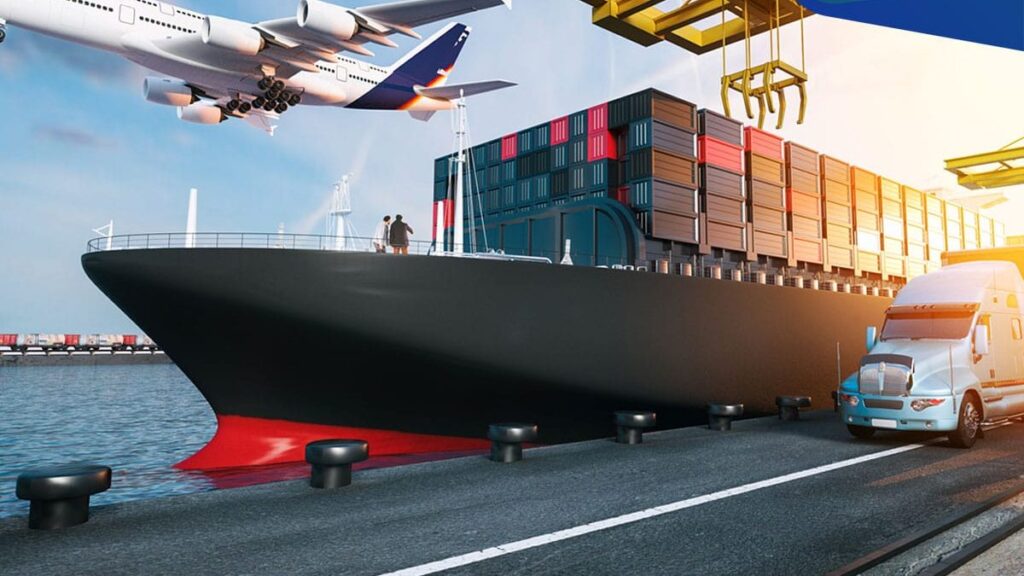
5. Can Flexible Container Types Be an Alternative to Open Top FCL?
In some cases, yes. For instance, Flat Rack FCL may work for wide but short electronic machinery. However, Open Top remains necessary for vertically oversized items. Choosing the right alternative depends on cargo specs, loading facilities, and route restrictions.
Table 1: Comparison of Container Options for Oversized Electronics
| Container Type | Dimensions (L×W×H) | Ideal Use | Limitation |
|---|---|---|---|
| Open Top FCL | 20’ / 40’ std + no roof | Tall or top-loaded electronics | Limited availability |
| Flat Rack FCL | Open sides + no roof | Wide or heavy electronics | Requires bracing |
| High Cube FCL | Extra height | Bulkier standard goods | No top access |
| Standard FCL | Enclosed | Small to medium boxes | Not suitable for oversize |
6. How Can Route Optimization Help Bypass Shortage Zones?
When Open Top containers are unavailable at origin ports like Shenzhen or Ningbo, consider exporting through alternate hubs like Xiamen, Qingdao, or Tianjin. Additionally, rail freight to Europe via China Railway Express (CRE) may reduce lead time compared to congested sea lanes. Exploring such multimodal options ensures capacity even under tight market conditions.
7. What Role Does Freight Consolidation Play in Container Shortage Management?
When FCL isn’t feasible due to container unavailability, shippers may turn to LCL (Less than Container Load) consolidation. This method combines shipments from multiple exporters into shared containers. While not ideal for all electronics, LCL provides a temporary solution when Open Top FCLs are in short supply.
8. How Important Is Cargo Readiness in Securing Open Top Containers?
Electronics exporters must align production schedules with container booking windows. Therefore, advanced coordination between factories, freight forwarders, and loading warehouses is crucial. Delays in cargo readiness can lead to missed sailings, forcing rescheduling and further shortages. Solid planning ensures that Open Top containers are matched with ready goods.
9. What Documents Are Needed to Prevent Customs or Loading Delays?
Smooth export operations demand complete and accurate documentation. Missing or incorrect paperwork often causes rerouting or extended port storage, compounding shortage issues.
Essential Documents Checklist
- Commercial Invoice
- Packing List
- Export Declaration
- Bill of Lading
- Import Licenses (Europe)
- CE Certification (for electronics)
- Technical Sheets or Manuals (if applicable)
10.Conclusion
The Open Top FCL container shortage solution for electronics from China to Europe lies in proactive planning, diversified routing, and expert logistics execution. By combining early booking, multimodal strategies, and real-time tracking, companies can minimize risks and maintain supply chain momentum—even during equipment shortages. Trust partners like ChinaTopFreight to ensure secure and reliable shipping of oversized electronic cargo under tight conditions.
Request a Quote
China Top Freight offers:
- ✅ Origin and Destination Countries
- ✅ Cargo Type and Volume
- ✅ Preferred Transport Method (Air, Sea, Rail, Road)
- ✅ Delivery Timeline
- ✅ Special Handling Requirements (if any)
FAQ
1. What causes the Open Top FCL container shortage for electronics exports?
The shortage is driven by limited container supply, port congestion, seasonal demand spikes, and competition for special equipment in Asian ports.
2. Can I use Flat Rack containers if Open Top FCL is unavailable?
In some cases, yes. Flat Racks suit wide electronics, but height-restricted units still require Open Top. Cargo specs determine suitability.
3. How early should I book Open Top FCL containers from China?
Book at least 3–4 weeks in advance. During peak seasons, earlier bookings secure availability and allow time for documentation checks.
4. What happens if cargo isn’t ready when the container is available?
Your slot may be lost, and container reassigned. Delays increase demurrage risk and further complicate securing new Open Top units.
5. Are European ports more affected by shortages than Chinese ports?
Shortages typically occur at origin ports in China, but European port congestion may still affect turnaround times and equipment return.