

- By kelly
- December 4, 2025
- Logistics Guide
Reefer FCL Demurrage Prevention for Auto Parts from China to Houston
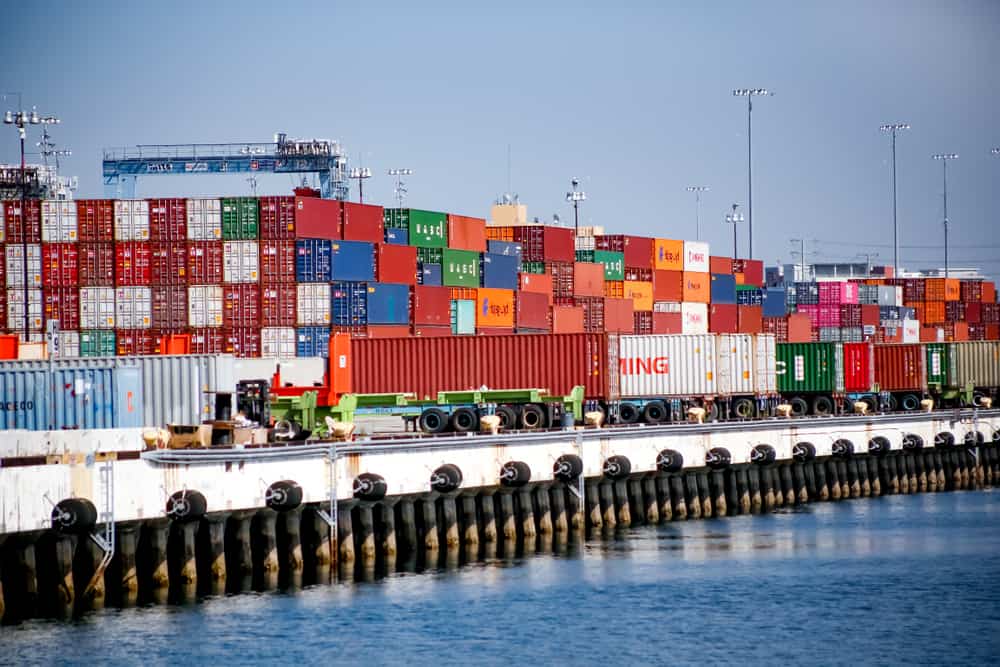
When shipping temperature-sensitive or high-value auto parts in reefer containers, avoiding delays is crucial. That’s why understanding Reefer FCL demurrage prevention for auto parts from China to Houston is essential for maintaining cost control, supply chain efficiency, and cargo integrity. This guide breaks down how to mitigate demurrage charges, optimize reefer container use, and navigate the complexities of cross-border shipping in automotive logistics.
1. What Is Reefer FCL and Why Use It for Auto Parts?
A Reefer FCL (Refrigerated Full Container Load) is a climate-controlled container designed to transport goods requiring temperature regulation. While commonly used for perishable goods, it’s also vital for:
- Auto parts with adhesives or lubricants sensitive to heat or cold
- Battery components prone to degradation
- Precision electronics requiring a controlled atmosphere
- Rubber or plastic parts susceptible to warping
Reefer FCL ensures these components maintain their integrity from Chinese factories to Houston warehouses.
2. What Causes Demurrage in Reefer Container Shipping?
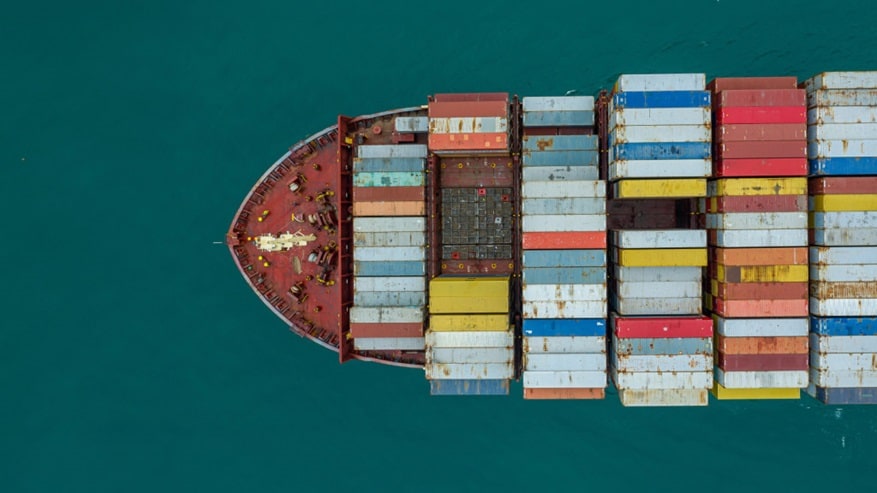
Demurrage occurs when your reefer container stays at the port terminal beyond the allowed free days. Reasons include:
- Delayed customs clearance
- Inaccurate paperwork or missing ISF filings
- Warehouse scheduling issues
- Lack of inland transport availability
Because reefer containers consume electricity while docked, demurrage charges escalate rapidly—often 2–3x higher than standard containers.
3. How Much Does Reefer FCL Demurrage Cost from China to Houston?
| Location | Free Days (Avg.) | Daily Demurrage Fee (USD) | Storage Notes |
|---|---|---|---|
| Chinese Port (Shanghai/Shenzhen) | 5–7 | $120–$250 | High fees due to reefer power use |
| Port of Houston | 4–5 | $175–$300 | Strict enforcement of fee structure |
Additionally, if the delay includes weekend or holiday periods, storage time (and costs) compound significantly.
4. How Can You Prevent Reefer FCL Demurrage for Auto Parts?
To prevent costly delays:
- Pre-clear customs before the container arrives at Houston
- Schedule warehouse receiving appointments in advance
- File ISF 10+2 within 24 hours of container loading in China
- Use DDP or DAP incoterms for delivery clarity
- Partner with a freight forwarder that offers live container tracking
Moreover, always monitor port congestion and route-specific schedule changes.
5. Which Chinese Ports Are Best for Reefer FCL Shipments to Houston?
| Port of Origin | Advantages | Typical Transit Time | Recommended Cargo Type |
|---|---|---|---|
| Shanghai | Frequent reefer slots, fast processing | 28–35 days | Temperature-sensitive auto electronics |
| Ningbo | Low congestion, reliable routing | 29–36 days | Rubber seals, coated parts |
| Shenzhen | Close to South China suppliers | 30–38 days | Bulk automotive adhesives, motors |
| Qingdao | Cost-effective northern China solution | 32–42 days | Heat-sensitive battery modules |
The Shanghai–Houston route typically offers the most balance between speed, availability, and cost.
6. What Are the Typical Reefer FCL Shipping Costs for Auto Parts to Houston?
| Service Segment | Estimated Cost (USD) | Details |
|---|---|---|
| Ocean Freight (Reefer FCL) | $5,800 – $7,400 | Includes climate control setup |
| Reefer Equipment Surcharge | $400 – $600 | Per container use |
| Demurrage Buffer (Optional) | $500 – $1,000 | For scheduling flexibility |
| Insurance (All-Risk) | 0.4% – 0.7% of cargo value | Strongly recommended for high-value electronics |
Combining these costs with customs brokerage and inland drayage provides full landed cost visibility.
7. What Documentation Is Essential to Avoid Reefer Demurrage?
| Document | Why It Matters |
|---|---|
| Commercial Invoice | Accurate value declaration prevents customs delays |
| Packing List | Required for inspection and release |
| Bill of Lading | Shows routing and delivery terms |
| ISF Filing Confirmation | Mandatory for U.S. imports, must be submitted on time |
| Arrival Notice & Delivery Order | Needed to arrange port pickup and avoid storage fees |
Incorrect documentation is one of the leading causes of demurrage at Houston ports.
8. How Does Reefer FCL Compare with Other Shipping Methods for Auto Parts?
| Mode | Transit Time | Cost | Best Use Case | Risk of Demurrage |
|---|---|---|---|---|
| Reefer FCL | 28–38 days | $$$ | Adhesive, rubber, plastic, and electronics | High if not pre-planned |
| Dry FCL | 25–35 days | $$ | General mechanical parts | Moderate |
| Air Freight | 3–7 days | $$$$$ | Urgent auto spares or temperature-sensitive goods | Very low |
| LCL Shipping | 35–50 days | $ | Small shipments; not ideal for reefer needs | High due to group delays |
Reefer FCL balances temperature safety and volume efficiency when demurrage is effectively prevented.
9. What Role Does Port Scheduling Play in Reefer Demurrage?
Delays in unloading or pickup scheduling are the most frequent culprits of demurrage fees. To avoid this:
- Coordinate port delivery windows before arrival
- Use trucking companies familiar with Port of Houston reefer procedures
- Reserve reefer plugs in advance for faster container offloading
- Avoid late-week arrivals, which risk weekend port closures
Proactive scheduling and communication with all stakeholders prevent idle reefer containers at high-cost terminals.
10. Should You Work with a Reefer Freight Specialist for Auto Parts Shipping?
Absolutely. Specialists can help:
- Select optimal sailing schedules
- Negotiate reefer plug-in charges and demurrage buffer days
- Handle customs filing and documentation end-to-end
- Offer door-to-door tracking with exception alerts
- Provide cargo insurance tailored to auto parts sensitivity
Especially when dealing with high-value automotive electronics or volatile adhesives, a specialist ensures smoother delivery.
📦Get a Free Quote
Let our experienced team assist you in avoiding costly demurrage charges while shipping auto parts in Reefer FCL from China to Houston. From temperature monitoring to customs clearance and port scheduling, we manage every detail to deliver efficiency, compliance, and savings. Request a tailored quote today and protect your shipment—and your bottom line.
❓ Frequently Asked Questions
1. What is demurrage in reefer container shipping?
Demurrage is a daily fee charged when your reefer container stays at the port beyond the free time allowance.
2. How can I avoid reefer demurrage at the Port of Houston?
Pre-clear customs, schedule delivery appointments in advance, and ensure ISF filings are submitted early.
3. Is Reefer FCL necessary for auto parts?
Yes, for parts with adhesives, electronics, or temperature-sensitive materials, Reefer FCL ensures quality and compliance.
4. What are the typical demurrage charges in Houston?
$175–$300 per day after 4–5 free days; charges can increase on weekends and holidays.
5. Which Chinese port is best for Reefer FCL to Houston?
Shanghai offers optimal reefer container availability and the most frequent sailings to Houston.
Conclusion
Efficient Reefer FCL demurrage prevention for auto parts from China to Houston requires strategic planning, airtight documentation, and expert logistics coordination. While reefer containers offer protection for sensitive components, the risks and costs of demurrage can outweigh the benefits if not managed proactively. By understanding cost structures, preparing schedules, and collaborating with freight specialists, businesses can ensure timely, damage-free delivery of critical auto parts into the U.S. market.
Let your supply chain run cold—but never slow. Choose precision, planning, and professional support for every reefer shipment.