

- By carlie tj
- December 4, 2025
- Logistics Guide
If you’re shipping temperature- and moisture-sensitive lighting products, understanding the Reefer FCL booking process for lighting from China to Denmark is essential. At ChinaTopFreight, we offer expert cold-chain solutions to ensure your LED lights, smart lighting, or industrial fixtures arrive safely and on time. This guide walks you through the process to minimize transit risks, control humidity, and secure reliable container space.
1. Why Use Reefer FCL for Shipping Lighting to Denmark?
Lighting equipment—especially LED components and high-precision luminaires—is sensitive to heat and humidity. Therefore, Reefer FCL containers provide:
- Controlled temperature and humidity to prevent corrosion and degradation
- Full container space, minimizing handling damage
- Greater protection during longer sea transits
Whether you’re shipping architectural lighting, solar-powered fixtures, or delicate light panels, climate-controlled FCL is a smart solution.
2. What Are the Key Steps in the Reefer FCL Booking Process?
The process includes several stages:
- Space Inquiry – Submit cargo details including volume, weight, and desired temperature.
- Quotation and Rate Confirmation – Receive quotes based on your route and space availability.
- Container Allocation – Reserve a Reefer unit with the shipping line.
- Pre-trip Inspection (PTI) – Container is tested to ensure proper cooling and insulation.
- Cargo Stuffing – Products are loaded in a temperature-controlled warehouse or factory site.
- Customs Clearance – Export documentation in China and import compliance in Denmark.
- Real-Time Tracking – Monitor container temperature, humidity, and route.
- Port Arrival and Delivery – Final customs clearance and last-mile transport in Denmark.
3. What Are the Optimal Temperature Settings for Lighting Equipment?
Different lighting products require different temperature and humidity ranges during shipping. Common recommendations include:
- LEDs and PCBs: 15–25°C, low humidity
- Solar Fixtures: 10–20°C, avoid condensation
- Glass Fixtures: Stable temperature to avoid thermal stress
Monitoring devices inside Reefer containers ensure these ranges are maintained throughout transit.
4. What Documents Are Required for Reefer FCL Shipments?
Documentation plays a key role in booking and clearance. Below is a helpful checklist:
| Document | Purpose | Issuer | Key Details |
|---|---|---|---|
| Commercial Invoice | Declares cargo value and type | Exporter | Must match Bill of Lading and packing list |
| Packing List | Describes packaging details | Exporter | Includes weight, material, and HS code |
| Bill of Lading | Confirms shipment and contract of carriage | Freight Forwarder | Needed for cargo release |
| Certificate of Origin | Confirms production country | Chamber of Commerce | Useful for EU trade preferences |
| Import Declaration (SKAT) | Danish customs clearance | Importer or broker | Filed via the SKAT system |
Correct documents reduce clearance delays and help avoid demurrage charges.
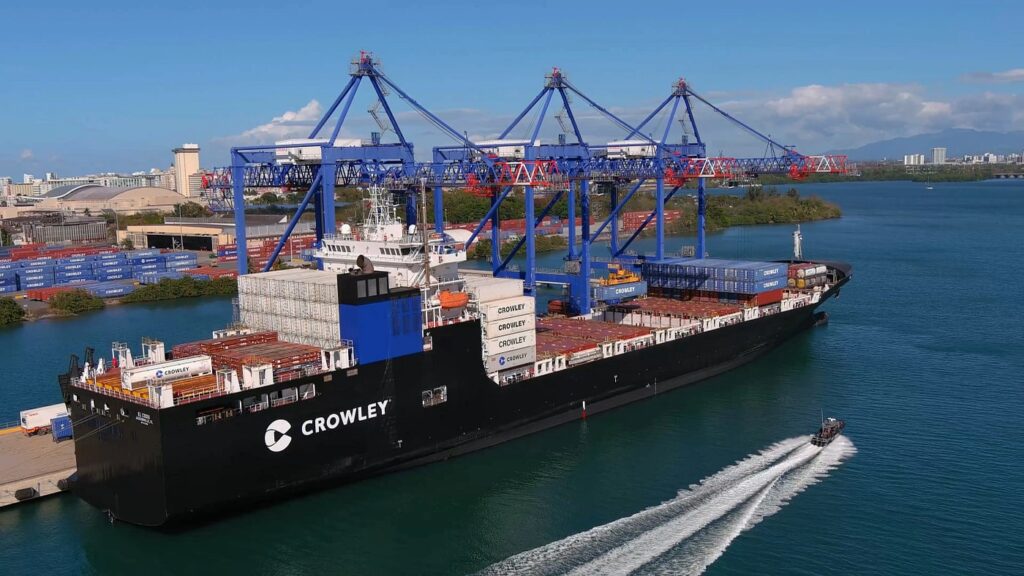
5. How Much Does Reefer FCL Shipping Cost from China to Denmark?
Costs depend on container type, distance, season, and value-added services. Here’s a breakdown:
Table: Reefer FCL vs Other Shipping Methods
| Shipping Mode | Cost (USD) | Transit Time | Pros | Cons |
|---|---|---|---|---|
| Reefer FCL 40ft | $7,200 – $9,000 | 30–40 days | Full control, temp stability | Higher cost, limited space during peak |
| Standard FCL 40ft | $5,000 – $6,200 | 30–40 days | Cheaper, same capacity | No temp or humidity control |
| Air Freight (1000kg) | $13,000+ | 4–7 days | Fastest delivery | Extremely expensive for bulk shipments |
| Rail FCL (via Europe) | $9,500 – $11,000 | 20–25 days | Mid-speed, efficient | Limited Reefer availability |
Shipping rates may spike during Chinese New Year and EU holiday seasons.
6. What Lighting Products Are Most Suited for Reefer Containers?
Not all lighting shipments require Reefer containers, but the following do:
- Smart lighting systems with integrated electronics
- LED bulbs and panels prone to oxidation
- Fragile glass or coated luminaires
- Moisture-sensitive drivers or circuit boards
In contrast, bulk shipment of metal lighting frames may use dry containers if conditions are not extreme.
7. How Can You Monitor Reefer Containers in Transit?
Modern Reefer units include:
- Temperature Data Loggers – Records fluctuations inside the container
- Real-Time GPS Trackers – View location and ETA updates
- Remote Alarms – Notifies of temperature breaches or door openings
These tools allow proactive handling and insurance claims if conditions deviate.
8. Which Ports Are Best for Reefer Shipments from China to Denmark?
For lighting goods, it’s important to select efficient port pairings:
- Departure Ports in China: Shanghai, Ningbo, Yantian
- Arrival Ports in Denmark: Port of Aarhus, Port of Copenhagen
Using direct services when possible minimizes transshipment risks and container delays.
9. What Are Common Mistakes in Reefer FCL Bookings and How to Avoid Them?
Avoid these costly errors:
- Incorrect temp/humidity settings
- Overstuffing the container (affects airflow)
- Failing to test container pre-shipment (PTI)
- Late or incomplete documentation
- Ignoring transit insurance
Partnering with professionals ensures that lighting shipments arrive safely and efficiently.
Take the stress out of logistics by mastering the Reefer FCL booking process for lighting from China to Denmark. At ChinaTopFreight, we provide end-to-end services—temperature-controlled shipping, expert documentation, and real-time tracking—to ensure your lighting cargo reaches Europe in perfect condition. Contact us today for guaranteed Reefer FCL space and optimized shipping solutions.
10. Conclusion
Securing your shipment of lighting products starts with understanding the Reefer FCL booking process for lighting from China to Denmark. With climate-controlled shipping, proactive planning, accurate documents, and reliable partners, your cold-chain supply will remain intact. Leverage the expertise of ChinaTopFreight for guaranteed Reefer space, competitive rates, and peace of mind from factory to final destination. Your lighting cargo deserves precision—ensure it’s protected every step of the way.
Request a Quote
China Top Freight offers:
- ✅ Origin and Destination Countries
- ✅ Cargo Type and Volume
- ✅ Preferred Transport Method (Air, Sea, Rail, Road)
- ✅ Delivery Timeline
- ✅ Special Handling Requirements (if any)
FAQ
How far in advance should I book Reefer FCL for lighting?
Book at least 3–4 weeks before departure to secure Reefer containers, especially during Chinese holidays or EU high-demand seasons.
Can all lighting components be shipped together in Reefer FCL?
Combine only items with similar temperature needs. Mixed products may require partitioning or separate containers for safety.
Do Reefer containers support humidity control for lighting?
Many Reefer units offer humidity settings along with temperature control, ideal for moisture-sensitive lighting components.
Is insurance mandatory for Reefer FCL shipments?
While not mandatory, insurance is strongly recommended to cover temperature failures, delays, or in-transit damage.
What’s the best Incoterm for lighting shipments to Denmark?
DAP or DDP offers better control and fewer surprises in customs and last-mile delivery, ideal for high-value lighting shipments.