

- By kelly
- December 4, 2025
- Logistics Guide
Reefer FCL Best Route for Textiles from China to Seattle
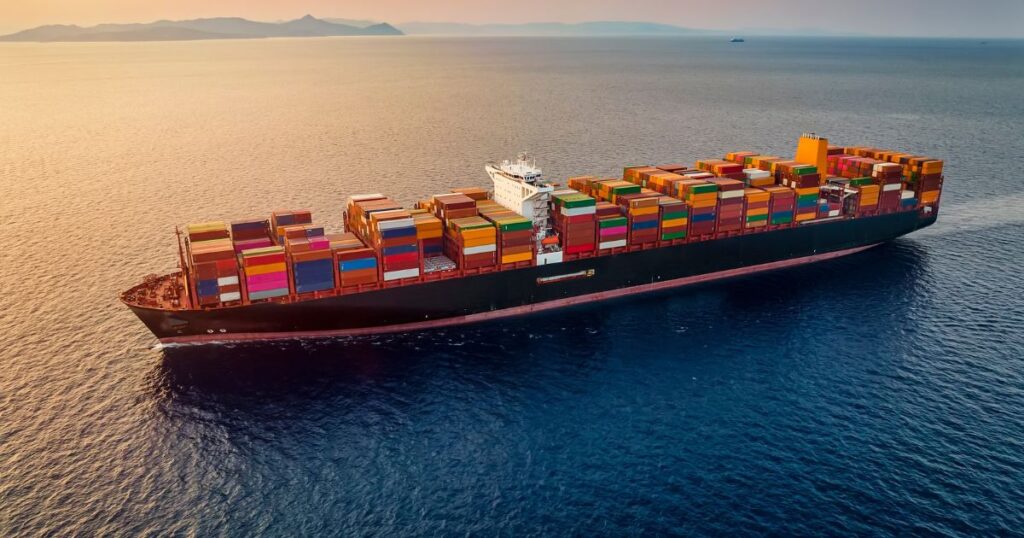
Shipping temperature-sensitive textiles across oceans demands more than just speed—it requires controlled environments, reliable routes, and expert planning. Selecting the reefer FCL best route for textiles from China to Seattle ensures product integrity, avoids moisture damage, and optimizes delivery schedules. This comprehensive guide outlines the best carriers, routes, transit times, documentation, and pricing to help you make the right logistics decision.
1. Why Use Reefer FCL for Shipping Textiles to Seattle?
Although reefer containers are commonly associated with perishables, they’re increasingly used to ship high-end textiles, including:
- Silk fabrics
- Organic cotton rolls
- Moisture-sensitive synthetic materials
- Pre-treated or dyed cloth
- Wool garments and technical textiles
These textiles require a stable temperature and humidity environment, which reefer containers provide, especially when transiting through humid ports or varying climates.
2. What Are the Best Routes for Reefer FCL from China to Seattle?
| Origin Port | Route Type | Destination Port | Transit Time (Days) | Carriers |
|---|---|---|---|---|
| Shanghai | Direct / Transpacific | Port of Seattle | 14–18 | Maersk, CMA CGM, ONE |
| Shenzhen | Transshipment via LA | Port of Seattle | 16–20 | Hapag-Lloyd, MSC |
| Ningbo | All-water route | Port of Seattle | 15–19 | Evergreen, COSCO |
| Qingdao | Transshipment | Port of Seattle | 17–21 | ZIM, Yang Ming |
Shanghai to Seattle remains the most efficient and cost-effective direct route with consistent reefer availability.
3. How Much Does Reefer FCL Shipping Cost for Textiles from China to Seattle?
| Route | Reefer FCL Rate (USD) | Notes |
|---|---|---|
| Shanghai → Seattle | $5,500 – $6,200 | Direct sailing; plug-in fee included |
| Ningbo → Seattle | $5,800 – $6,500 | Slightly longer route, better equipment availability |
| Shenzhen → Seattle | $6,000 – $6,800 | Higher due to transshipment at U.S. West Coast hub |
| Qingdao → Seattle | $6,200 – $6,900 | Longer route, peak-season surcharges may apply |
Rates vary based on carrier, peak season, fuel surcharges, and space demand.
4. What Makes One Route Better than Another for Reefer FCL?
Choosing the best route depends on several logistics variables:
- Transit time consistency
- Reefer plug availability at terminals
- Port congestion levels
- Carrier schedule reliability
- Customs efficiency at destination
For textiles, shorter transit time and humidity control are key. Hence, direct services with modern reefer handling at both ends are preferred.
5. What Documents Are Required for Shipping Textiles via Reefer FCL?
| Document | Purpose |
|---|---|
| Commercial Invoice | Lists cargo value for customs and insurance |
| Packing List | Describes textile types, roll counts, weight, volume |
| Bill of Lading | Contract of carriage |
| Certificate of Origin | Needed for trade compliance or tariff reduction (e.g., GSP) |
| Temperature Control Sheet | Specifies required settings for reefer container |
| ISF Filing (10+2) | Mandatory for U.S. Customs pre-arrival security |
Accuracy and timely submission of these documents prevent delays and demurrage fees.
6. What Is the Ideal Temperature and Humidity Setting for Textile Reefer Shipping?
| Textile Type | Temperature | Humidity Level | Notes |
|---|---|---|---|
| Cotton & Linen | 15–25°C | 55–65% | Protects against mildew or yellowing |
| Wool & Cashmere | 10–18°C | 60–70% | Avoids shrinkage or fiber degradation |
| Silk & Rayon | 12–20°C | 50–60% | Sensitive to moisture; mold risk |
| Technical Textiles | 15–22°C | ≤50% | Adhesives or coatings may degrade |
Setpoints should be pre-programmed into the reefer unit and verified before departure.
7. How Does Reefer FCL Compare to Other Modes of Shipping for Textiles?
| Shipping Mode | Transit Time | Cost | Pros | Cons |
|---|---|---|---|---|
| Reefer FCL | 14–21 days | $$$ | Controlled climate, low damage risk | Higher base cost than dry FCL |
| Dry FCL | 14–20 days | $$ | Cheaper, suitable for non-sensitive goods | No humidity control |
| Air Freight | 3–6 days | $$$$$ | Fast delivery, ideal for urgent shipments | Expensive for bulk loads |
| Rail + Truck | 20–28 days | $$$ | Balanced cost/speed to Central USA | Not suitable for West Coast ports |
Reefer FCL is optimal when your textiles are high-value or require strict humidity control.
8. How Can You Optimize Cost and Space in a Reefer Container for Textiles?
- Use vacuum packing for textiles to reduce cubic volume
- Stack rolls vertically with anti-slip mats
- Choose single-factory consolidation to reduce handling
- Book during off-peak seasons (March–June, Sept–Oct)
- Negotiate long-term contracts with fixed reefer rates
Efficient loading also ensures temperature control is consistent throughout the container.
9. Should You Partner with a Freight Forwarder for Reefer FCL to Seattle?
Yes, especially when shipping regulated or high-value fabrics. Freight forwarders:
- Offer priority reefer container space
- Manage documentation and ISF filing
- Arrange customs clearance and trucking
- Provide real-time reefer tracking
- Handle insurance and claims processing
Additionally, they advise on the best carriers and routes tailored to your supply chain needs.
10. What Are Common Issues in Reefer Textile Shipments and How to Prevent Them?
| Issue | Cause | Prevention |
|---|---|---|
| Condensation Damage | Poor humidity settings | Set RH at 55–65%, use desiccants if needed |
| Mold Growth | Container not pre-cooled, moisture entry | Ensure pre-trip inspection (PTI) & cargo is dry |
| Port Delays | Missed cutoff, incomplete docs | Confirm all paperwork and schedules 72h in advance |
| Temperature Fluctuation | Malfunctioning reefer | Use reputable carriers and request reefer logs |
Working with experienced logistics providers helps eliminate these risks effectively.
📦Get a Free Quote
Want to ensure your textiles arrive in pristine condition? Our experts provide the best Reefer FCL solutions for sensitive cargo from China to Seattle. We secure space, manage temperature settings, handle all documentation, and offer 24/7 tracking for full visibility. Reach out today to reserve your reefer container and streamline your textile shipments.
❓ Frequently Asked Questions
1. What’s the best Chinese port for reefer shipping to Seattle?
Shanghai offers the most direct and consistent reefer sailings to Seattle.
2. Do textiles really need reefer containers?
Yes, especially silk, wool, and dyed fabrics that are sensitive to temperature or moisture.
3. Can I share a reefer container (LCL)?
Rarely. Due to temperature differences, reefer LCL is risky and often not accepted.
4. How early should I book reefer FCL space?
At least 2–3 weeks in advance during peak season; earlier for custom temperature requests.
5. Are reefer containers more expensive than dry containers?
Yes, typically 20–30% more due to equipment, power, and monitoring.
Conclusion
Selecting the reefer FCL best route for textiles from China to Seattle ensures your cargo arrives on time and in perfect condition. While the costs are slightly higher than dry containers, the investment protects your textiles from humidity damage, mold, and discoloration. By choosing the right route, preparing proper documentation, and partnering with experienced freight professionals, you can build a robust textile supply chain into the Pacific Northwest.
Ready to protect your textiles and optimize your reefer logistics? Start planning your shipment today with the right partners and proactive strategies.