

- By ayla tj
- December 4, 2025
- Logistics Guide
Managing Open Top FCL shipping cost for solar panels from China to Los Angeles can be challenging, especially when shippers face fluctuating freight rates, tight equipment availability, and port congestion. However, with the right planning and access to accurate cost structures, you can optimize spending while ensuring safe, timely, and flexible transportation for oversized solar panel shipments.
1. What Is the Open Top FCL Method for Solar Panel Shipping?
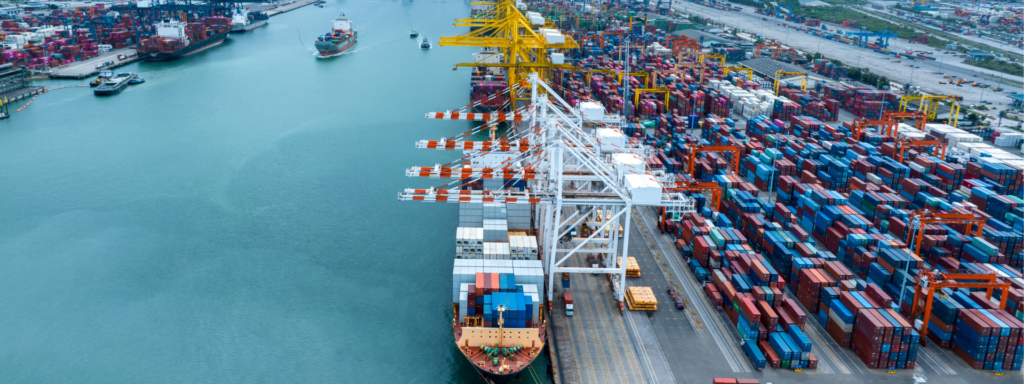
Open Top FCL shipping is designed for cargo too tall or bulky for standard containers. Solar panels—especially large, palletized, or uncrated units—often exceed the internal height of 40GP or 40HQ equipment. Therefore, Open Top containers provide superior vertical clearance, removable tarps, and easier crane loading.
Why Solar Panels Fit Perfectly in Open Top Containers
- They can be lowered from above using cranes.
- Panels with oversized frames or mounting structures fit safely.
- Additional padding and corner supports reduce breakage risks.
- Damaged edges are minimized due to vertical loading instead of side entry.
Additionally, many renewable-energy importers prefer Open Top units because they streamline handling and reduce time spent blocking, bracing, and inspecting fragile components.
2. How Much Does Open Top FCL Shipping Cost for Solar Panels from China to Los Angeles?
The Open Top FCL shipping cost for solar panels from China to Los Angeles varies depending on seasonal demand, ocean surcharges, fuel prices, container scarcity, and port conditions. However, you can expect these typical cost brackets.
Table 1 — Estimated Open Top FCL Ocean Freight Cost (China → Los Angeles)
(Exact Table 1/5)
| Origin Port (China) | Container Type | Typical Cost (USD) | Notes |
|---|---|---|---|
| Shanghai | 40’ Open Top | $4,800–$6,200 | Most stable capacity |
| Shenzhen/Yantian | 40’ Open Top | $5,000–$6,500 | Peak-season surcharges apply |
| Qingdao | 40’ Open Top | $5,300–$6,800 | Longer inland drayage |
| Ningbo | 40’ Open Top | $4,900–$6,400 | Good availability |
Costs exclude destination charges, customs fees, and local service charges in the U.S.
3. What Factors Influence Open Top FCL Shipping Cost for Solar Panels?
Several variables directly impact overall shipping expenses. Additionally, the solar panel industry faces unique challenges tied to high cubic volume, breakability, and strict handling guidelines.
Key Cost Drivers
- Container scarcity: Open Top units are limited worldwide.
- Seasonality: Rates increase sharply before U.S. Q2–Q3 installation demand.
- Port congestion: Los Angeles/Long Beach congestion drives chassis and storage fees.
- Cargo insurance: Solar panels require high-value coverage.
- Oversized dimensions: Additional OOG (out-of-gauge) fees may apply if cargo exceeds height limits.
Because solar panel shipments vary greatly in packing dimensions, freight forwarders frequently conduct pre-shipment surveys to determine exact surcharges.
4. What Is the Transit Time for Open Top FCL Shipping from China to Los Angeles?
Transit time is typically:
- 12–16 days from Shanghai
- 14–18 days from Shenzhen
- 15–20 days from Qingdao
- 12–17 days from Ningbo
However, delays may occur due to peak season, port slowdowns, customs inspection, or vessel rollover.
Table 2 — Transit Time Comparison (China → Los Angeles)
(Exact Table 2/5)
| Origin Port | Standard FCL | Open Top FCL | Peak-Season Average | Notes |
|---|---|---|---|---|
| Shanghai | 12–14 days | 12–16 days | 14–18 days | Fastest route |
| Shenzhen | 14–16 days | 14–18 days | 16–21 days | Heavy congestion risk |
| Qingdao | 15–18 days | 15–20 days | 17–23 days | Weather-related delays |
| Ningbo | 12–15 days | 12–17 days | 15–19 days | Good reliability |
5. How Do Open Top Containers Compare to Standard Containers for Solar Panels?
Although many solar panel shipments fit inside standard 40HQ containers, oversized frames, racks, or assembled mounting systems require Open Top structures.
Advantages of Open Top Containers
- Better handling flexibility
- Crane loading for fragile structures
- Reduced risk of cracking edges
- Simplified packaging requirements
- Drawbacks
- Higher container and freight costs
- Limited availability
- Higher terminal handling charges
Table 3 — Open Top vs Standard FCL Comparison
(Exact Table 3/5)
| Feature | Open Top FCL | Standard 40HQ | Best Use Case |
|---|---|---|---|
| Loading Method | Crane/top-loading | Forklift | Oversized solar racks |
| Cost | Higher | Lower | Budget-sensitive shipments |
| Availability | Limited | High | General cargo |
| Height Flexibility | Excellent | Restricted | Tall components |
What are you waiting for?
Contact chinatopfreight for a fast, free quote.
Are you ready to book?
Access live instant freight quotes
6. What Additional Charges Should You Expect for Open Top FCL Shipments?
In addition to ocean freight, importers should prepare for:
- Terminal handling charges (THC)
- Heavy-lift and crane fees
- OOG surcharge (if height exceeds tarp limits)
- AMS filing fee
- Customs clearance charges
- ISF filing fee
- Destination terminal fees
- Demurrage or detention fees
Because solar panels are sensitive, many importers also add all-risk cargo insurance for damage and weather protection.
Table 4 — Common Surcharges for Open Top FCL (LA Port)
(Exact Table 4/5)
| Charge Type | Cost Range (USD) | Reason | Applies To |
|---|---|---|---|
| OOG Surcharge | $300–$900 | Height exceeds limit | Oversized panels |
| Crane Service | $150–$400 | Top-loading at origin | Open Top only |
| THC | $200–$350 | Port handling | All FCL |
| PierPass Fee | $60–$80 | LA/LB congestion | All imports |
7. How Should Solar Panels Be Packed for Open Top FCL Ease and Safety?
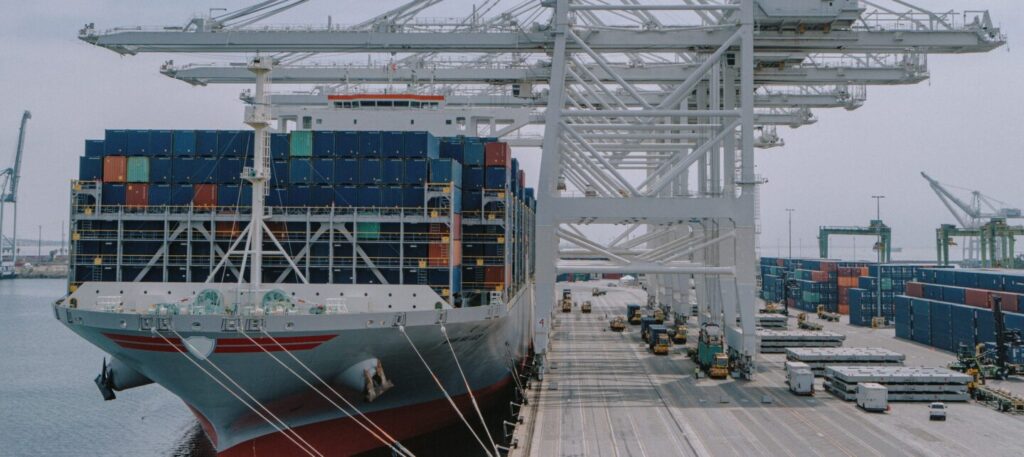
Proper packing reduces breakage, abrasion, and movement during transit. Additionally, solar panel shipping standards require strict positioning and bracing.
Recommended Packaging Methods
- Export-grade pallets with corner shielding
- Anti-static foam padding on all surfaces
- Waterproof wrap and UV-resistant covering
- Wooden crates for fragile or high-value modules
- Steel straps and cross-bracing inside the container
Key Safety Considerations
- Panels must remain upright.
- Avoid pressure points on the glass face.
- Ensure no top pressure from the tarp frame.
- Document packing for insurance claims.
8. What Shipping Routes Are Most Reliable for Solar Panels Going to Los Angeles?
Most carriers use trans-Pacific loops that offer predictable vessel schedules.
Recommended Carrier Services
- CMA CGM – stable capacity for Open Top equipment
- COSCO – strong China origins, competitive pricing
- ONE Line – reliable LA route rotation
- Maersk – premium service with consistent transit times
Shippers should also evaluate:
- Vessel frequency
- Space availability
- Historical rollover rates
- Peak season surcharge patterns
Table 5 — Recommended China Loading Ports for Solar Panels (Open Top FCL)
(Exact Table 5/5)
| Port | Reliability | Space Availability | Best For |
|---|---|---|---|
| Shanghai | High | Good | Large exporters |
| Ningbo | High | Good | Mixed cargo shipments |
| Shenzhen | Medium | Medium | South China factories |
| Qingdao | Medium | Limited | Northern manufacturers |
9. How to Reduce Open Top FCL Shipping Cost for Solar Panels?
Although Open Top shipping is inherently more expensive, you can reduce cost by making strategic decisions.
Cost-Reduction Tips
- Ship during off-peak seasons (avoid July–October).
- Book containers 2–3 weeks in advance.
- Avoid unnecessary OOG surcharges by re-measuring packing.
- Consolidate factory pickups to reduce drayage.
- Choose direct sailings to avoid transshipment delays.
Additionally, many forwarders offer long-term contract rates for solar-sector clients.
10. Should You Choose Open Top FCL for Oversized Solar Panel Shipments?
If your solar panels or mounting frames exceed the internal height of standard containers, the answer is yes. However, if your cargo fits inside a 40HQ, that option will be significantly cheaper.
Conclusion
Understanding Open Top FCL shipping cost for solar panels from China to Los Angeles helps importers manage budgets, avoid avoidable surcharges, and secure reliable equipment availability. Moreover, choosing the right route, container, carrier, and packing method will significantly improve transit performance and cargo safety. If you prioritize cost efficiency, predictable schedules, and professional handling for your solar shipments, Open Top FCL remains one of the strongest solutions for oversized renewable-energy cargo.
FAQ
1. How early should I book an Open Top FCL container for solar panel shipments?
You should book at least two to three weeks in advance because Open Top containers are limited and equipment shortages increase during peak solar installation seasons.
2. Are solar panels safe during long-distance transport in Open Top containers?
Yes, as long as panels are protected with proper padding, corner guards, waterproof wraps, and fixed bracing to prevent vibration and impact during long sea transit.
3. Why is Open Top shipping more expensive for solar panels?
Costs increase because Open Top equipment is limited, requires special handling, and may incur crane charges, OOG surcharges, and higher terminal fees at both ports.
4. Do Open Top FCL shipments face more inspections in Los Angeles?
Not necessarily, but CBP may inspect oversized or high-value shipments more frequently, especially if documentation is incomplete or packing appears non-standard.
5. Can solar panels be shipped mixed with inverters or batteries?
They can, but dangerous goods rules apply to batteries, while inverters require careful separation. Most shippers prefer separate containers to reduce damage risks.