

- By kelly
- December 5, 2025
- Logistics Guide
Complete Guide to Tracking for FCL Shipping from China to New Jersey
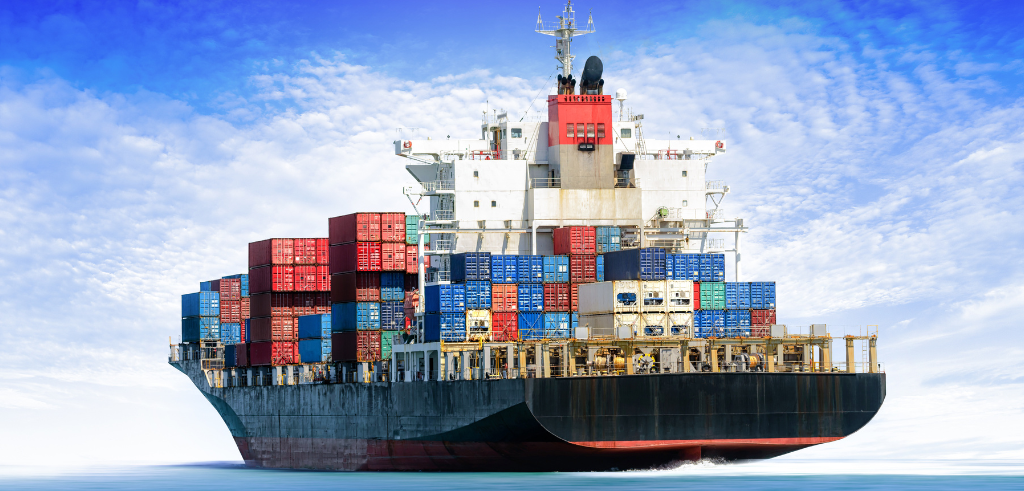
When businesses depend on reliable ocean transport, tracking for FCL shipping from China to New Jersey becomes essential for supply chain visibility and accurate delivery planning. Since missed updates, port delays, and unpredictable transit time can disrupt import operations, shippers need transparent and efficient tracking tools to stay in control.
Why Is Tracking for FCL Shipping from China to New Jersey So Important?
Accurate tracking data significantly enhances shipping reliability. Moreover, it helps importers prevent costly delays, anticipate customs inspections, and adjust inventory plans. Because FCL cargo moves across multiple checkpoints, tracking ensures transparency at every milestone. Additionally, it reduces communication gaps between suppliers, freight forwarders, and consignees.
How Does the Full Tracking Process Work for FCL Shipments?
The end-to-end tracking process covers several stages that allow importers to monitor cargo from factory pickup to final delivery.
Key Tracking Milestones
- Container booking confirmation
- Container pickup and gate-out from the factory
- Loaded on vessel at origin port
- Departure from China
- Transshipment (if applicable)
- Arrival at New Jersey ports (Newark / Elizabeth)
- Customs clearance & hold updates
- Container availability notice
- Last free day & delivery appointment
- Final POD confirmation
Because these checkpoints involve multiple systems, digital consolidation through a freight forwarder becomes extremely valuable.
What Are the Main Tools Used for Tracking FCL Shipping?
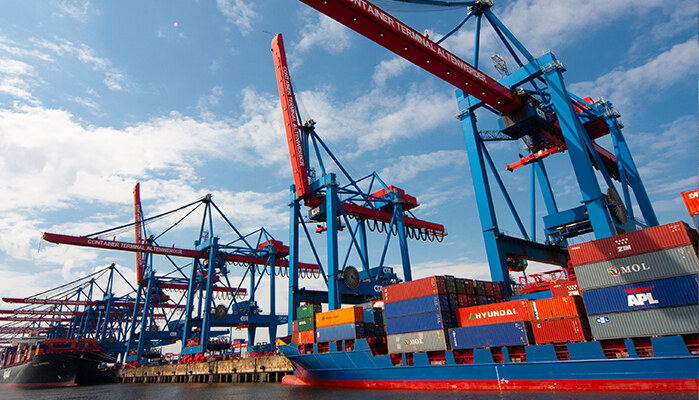
Shippers rely on a combination of digital platforms to monitor FCL movements. Furthermore, these systems provide real-time updates and estimated arrival timelines.
Common Tracking Methods
| Tracking Tool Type | Examples | Advantages | Notes |
|---|---|---|---|
| Carrier Websites | MSC, Maersk, COSCO | Live vessel location, ETA updates | Limited detail for inland moves |
| AIS Vessel Tracking | MarineTraffic, VesselFinder | Real-time vessel GPS | Does not show container status |
| Freight Forwarder Portals | Custom dashboards | End-to-end visibility | Best for supply chain integration |
| Terminal Port Systems | Port Newark, Maher Terminal | Container availability and holds | Requires container number |
Because each system offers partial information, combining them creates the most accurate visibility.
How Long Does FCL Shipping from China to New Jersey Typically Take?
Transit times vary depending on routing, carrier service, and transshipment. However, most FCL shipments follow the estimates below.
Transit Time Table by Major China Ports
| China Port | New Jersey Port | Estimated Transit Time | Notes |
|---|---|---|---|
| Shenzhen (Yantian) | Newark | 32–38 days | Fastest South China route |
| Shanghai | Newark | 30–36 days | Very stable services |
| Ningbo | Elizabeth | 31–40 days | Higher capacity routes |
| Qingdao | Newark | 33–45 days | Weather delays possible |
| Tianjin | Newark | 35–48 days | Often requires transshipment |
Because peak season congestion can add delays, accurate tracking ensures early preparation for customs and trucking appointments.
What Information Do You Need to Track FCL Shipments?
You only need a few standard identifiers to monitor your shipment. Additionally, these numbers allow tracking systems to pull the latest updates automatically.
Essential Tracking Data Points
- Container Number
- Bill of Lading (B/L) Number
- Booking Number
- Vessel Name & Voyage Number
- Forwarder Reference Number
Because these identifiers are unique, they eliminate confusion and ensure accurate tracking.
What Are the Common Challenges in Tracking FCL Shipping?
Despite digital advances, tracking still faces operational issues that importers must understand.
Key Challenges
| Challenge | Description | How Tracking Helps |
|---|---|---|
| Port Congestion | Arrival delays in New Jersey terminals | Alerts allow rescheduling deliveries |
| Customs Holds | Exams like CET, VACIS, MET | Tracking shows hold type and clearance status |
| Weather Delays | Typhoons and Atlantic storms | Early warnings allow inventory planning |
| Carrier System Lag | Slow updates during peak times | Forwarder platforms provide faster sync |
Because delays can cause demurrage and detention charges, timely tracking protects cost control.

What Are the Benefits of Better Tracking for FCL Shipping?
Enhanced tracking impacts logistics efficiency in multiple ways. Therefore, businesses implementing a structured tracking process enjoy:
- Improved supply chain visibility
- Reduced risk of lost or delayed containers
- Faster customs clearance preparation
- More predictable delivery schedules
- Lower demurrage & detention charges
- Stronger communication with logistics partners
- Optimized warehouse labor planning
Because every update supports better forecasting, companies experience fewer operational disruptions.
Can Tracking Reduce Shipping Costs and Improve Efficiency?
Yes. While tracking itself does not directly change freight rates, it significantly improves planning accuracy. Consequently, businesses reduce avoidable fees such as:
- Port demurrage
- Container detention
- Storage charges
- Truck waiting time fees
- Failed delivery appointments
Additionally, better tracking allows companies to optimize inventory and reduce supply chain holding costs.
What Documents Are Required for Smooth FCL Tracking and Customs Clearance?
Having the correct paperwork ensures the cargo progresses without unnecessary delays.
Customs Documentation Checklist
| Document | Purpose | Notes |
|---|---|---|
| Commercial Invoice | Declares value and transaction details | Must match all shipment data |
| Packing List | Details cargo weight, CBM, and packaging | Essential for customs exams |
| Bill of Lading | Main tracking document | Needed for release & DO |
| Arrival Notice | Terminal confirms arrival | Includes charges & last free day |
| ISF Filing | Required before loading at origin | Prevents heavy penalties |
| Customs Bond | Allows cargo entry for clearance | Mandatory for U.S. importers |
Because missing documents cause processing delays, complete paperwork is vital for uninterrupted tracking.
How Does Tracking Compare Between Air, Sea, and Rail Freight?
Although your focus is FCL shipping, comparing tracking efficiency helps evaluate overall logistics strategies.
Tracking Comparison Table
| Mode | Tracking Accuracy | Speed | Cost Level | Best For |
|---|---|---|---|---|
| Air Freight | Excellent | Fastest | High | Urgent cargo |
| FCL Sea Freight | Very Good | Medium | Low | Bulk shipments |
| Rail Freight (China–EU) | Good | Faster than sea | Medium | Mid-speed, mid-cost needs |
Because logistics needs vary, companies may use multiple modes depending on their supply chain strategy.
How to Choose the Right Freight Forwarder for FCL Tracking?
A professional forwarder significantly improves tracking accuracy and communication. Moreover, they consolidate carrier, terminal, trucking, and customs updates into a single dashboard.
Key Selection Criteria
- Real-time tracking system availability
- Strong partnerships with major carriers
- Dedicated customer support
- Experience handling U.S. customs requirements
- Transparent communication
- Ability to manage port congestion issues
- Clear pricing and documentation process
Choosing a forwarder with digital tools ensures smoother operations and fewer surprises.
📦Get a Free Quote
If you want reliable tracking for FCL shipping from China to New Jersey, our logistics team provides complete visibility from loading to final delivery. Moreover, we offer real-time tracking tools, experienced customs support, and competitive FCL shipping solutions. Contact us today for a tailored quote and seamless shipping experience.
❓ Frequently Asked Questions
1. How can I track my FCL container from China to New Jersey?
Use the container or B/L number on carrier websites or your forwarder’s tracking system for real-time updates.
2. What delays commonly affect FCL shipments to New Jersey?
Port congestion, customs exams, weather issues, and transshipment delays are the most common causes.
3. Are tracking updates always accurate?
Most updates are accurate, but timing varies. Forwarder platforms usually provide the most reliable information.
4. Which documents support smooth tracking and clearance?
Commercial invoice, packing list, B/L, ISF filing, and arrival notice are essential for timely processing.
5. Can tracking show customs hold status?
Yes. Terminal and forwarder systems display CET, VACIS, and MET hold notifications when applicable.
Conclusion
Effective tracking for FCL shipping from China to New Jersey is essential for supply chain stability. Because real-time visibility allows importers to manage delays, prepare documents, coordinate trucking, and reduce logistics costs, tracking has become a critical part of modern international shipping. With the right freight forwarder and digital tools, businesses achieve faster clearance, smoother deliveries, and enhanced operational control.