

- By kelly
- December 5, 2025
- Logistics Guide
20GP FCL Shipping Cost for Auto Parts from China to Portugal

If you’re sourcing automotive components from China, understanding the 20GP FCL shipping cost for auto parts from China to Portugal is essential to maintaining a cost-effective supply chain. From fluctuating freight rates to customs complexities, many importers struggle with unexpected expenses and delivery delays. However, with expert insights, you can streamline your shipment planning and reduce risks significantly.
1. What Is a 20GP FCL Container and Why Use It for Auto Parts?
A 20GP (General Purpose) FCL (Full Container Load) container is a standardized container measuring 20 feet long, primarily used for transporting dry cargo. It is ideal for automotive parts, especially heavy components like engines, transmissions, and brake assemblies.
Key Benefits:
- Cost-efficient for bulk shipments
- Exclusive use of the container—reducing risk of damage
- Easier handling during loading and unloading
- Better control over delivery schedule and customs documentation
2. How Much Does 20GP FCL Shipping Cost from China to Portugal?
The 20GP FCL shipping cost for auto parts from China to Portugal depends on several factors including the port of origin, shipping line, fuel surcharge, and current market conditions.
Estimated 20GP FCL Shipping Cost (2025 Rates)
| Origin Port (China) | Destination Port (Portugal) | Base Ocean Freight | Total Estimate (All-In) |
|---|---|---|---|
| Shanghai | Lisbon | $1,100 – $1,400 | $2,200 – $2,600 |
| Shenzhen | Porto | $1,250 – $1,500 | $2,400 – $2,900 |
| Ningbo | Sines | $1,180 – $1,450 | $2,300 – $2,700 |
| Qingdao | Lisbon | $1,300 – $1,600 | $2,500 – $3,000 |
Note: Total estimates include terminal handling, documentation, fuel surcharge, and local delivery in Portugal.
3. What Are the Key Factors That Influence Shipping Cost?
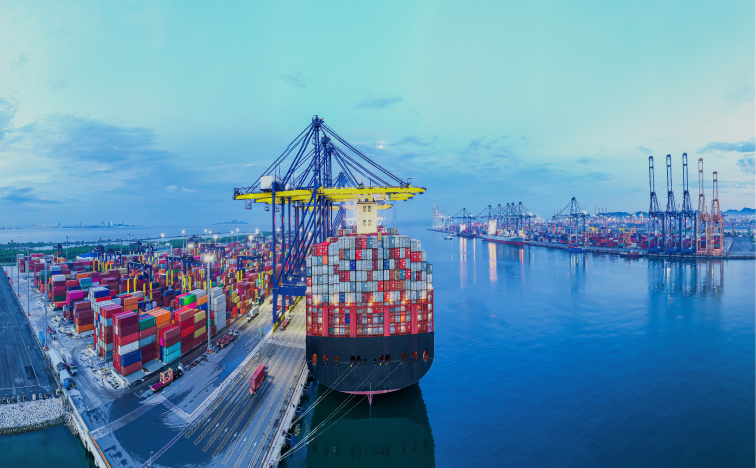
Several dynamic variables contribute to your final shipping expense. It’s important to monitor these to better forecast your logistics budget.
Influencing Factors:
- Seasonal demand: Peak shipping seasons increase container rates.
- Port congestion: Delays at origin/destination can raise costs.
- Fuel price fluctuations: BAF (Bunker Adjustment Factor) impacts rates.
- Type of auto parts: Heavy or hazardous parts may incur surcharges.
- Customs duties and VAT: Must be calculated based on HS codes.
4. How Long Does It Take to Ship a 20GP FCL Container from China to Portugal?
Transit time varies by port pair and shipping line. Typically, ocean freight to Portugal takes between 28–40 days depending on transshipment.
Transit Time Table:
| Route | Estimated Transit Time |
|---|---|
| Shanghai → Lisbon | 30–35 days |
| Shenzhen → Porto | 28–32 days |
| Ningbo → Sines | 32–38 days |
| Qingdao → Lisbon | 35–40 days |
Delays may occur due to port congestion or customs clearance, so always build a buffer into your delivery schedule.
5. What Documents Are Required for Customs Clearance in Portugal?
Proper documentation is crucial for avoiding customs delays and penalties. Always verify with both Chinese and Portuguese authorities.
Customs Documents Checklist:
| Document | Purpose |
|---|---|
| Bill of Lading | Proof of shipment and ownership |
| Commercial Invoice | Declares value and description |
| Packing List | Confirms quantity and packaging |
| Certificate of Origin | Proves country of manufacture |
| Import License (if applicable) | Required for restricted auto components |
| HS Code Declaration | Determines duty and VAT rates |
6. What Are the Pros and Cons of FCL vs LCL Shipping for Auto Parts?
Choosing the right shipping method depends on volume, urgency, and handling sensitivity. Below is a comparison to guide your decision.
FCL vs LCL Comparison Table:
| Criteria | FCL (20GP) | LCL (Less than Container Load) |
|---|---|---|
| Cost per unit | Lower for bulk shipments | Higher per CBM |
| Handling risk | Low – dedicated container | Higher – shared space |
| Transit time | Faster and more predictable | Often delayed due to consolidation |
| Customs process | Simpler – one importer | Complex – multiple consignees |
| Cargo type | Suitable for large, heavy shipments | Ideal for small or irregular orders |

7. Can You Reduce FCL Shipping Costs Without Compromising Delivery?
Yes, multiple strategies can help you cut costs while maintaining transit reliability.
Practical Cost-Saving Tips:
- Book in advance during off-peak seasons to secure lower rates.
- Work with a freight forwarder like ChinaTopFreight for bundled services and discounts.
- Use FOB Incoterm to manage freight independently.
- Consolidate shipments from multiple suppliers into one container.
8. What Are the Port Options in Portugal for Receiving Auto Parts?
Portugal has several ports that handle containerized auto components. The choice depends on delivery address and port capacity.
Key Ports in Portugal:
- Lisbon Port: Centralized and efficient for inland trucking.
- Port of Sines: Deep-water port, ideal for transatlantic vessels.
- Porto (Leixões): Northern Portugal, close to auto part markets.
- Setúbal Port: Secondary port used for automotive logistics.
9. Should You Consider Shipping Insurance for Auto Parts?
Absolutely. Auto parts are high-value and may be prone to damage or theft during long transits. Marine cargo insurance is recommended.
Insurance Options:
- All-Risk Policy: Covers almost all scenarios; most comprehensive.
- Total Loss Only (TLO): Limited coverage, not suitable for high-value cargo.
- Named Perils Policy: Covers specific risks (e.g., fire, collision).
Ensure insurance value reflects the full commercial invoice value + freight.
10. How Does the Current Market Affect 20GP FCL Shipping Costs?
In 2025, global logistics face ongoing instability due to fuel volatility, Red Sea rerouting, and container imbalances. As a result, FCL rates are fluctuating monthly.
Market Trends:
- Reefer container shortages are driving up general rates.
- European demand for EV parts is increasing shipment volumes.
- Supply chain diversification is leading to more port-to-port routes from China to Portugal.
📦Get a Free Quote
Need a trusted partner to handle your 20GP FCL shipping cost for auto parts from China to Portugal efficiently? Contact ChinaTopFreight today. Our logistics specialists provide end-to-end services, real-time tracking, and transparent pricing to ensure your shipment arrives on schedule and on budget.
❓ Frequently Asked Questions
1. What is the current cost of 20GP FCL shipping to Portugal?
It ranges from $2,200 to $3,000 depending on origin port, cargo type, and seasonality.
2. How long does it take to ship a container to Portugal?
Transit time is typically 28–40 days depending on port pair and shipping route.
3. Are there hidden fees in FCL shipping?
Yes, possible charges include documentation, demurrage, customs clearance, and delivery fees. Request a full quote in advance.
4. Do I need import licenses for auto parts?
Some specific components may require licenses. Check with Portuguese customs or your freight forwarder.
5. Which Incoterm is best for FCL shipping?
FOB is commonly used as it gives importers control over shipping costs and freight choices.
Conclusion
Understanding the 20GP FCL shipping cost for auto parts from China to Portugal is key to optimizing your global supply chain. From selecting the right port and shipping schedule to preparing accurate documents and managing customs, every detail counts. By working with an experienced freight partner like ChinaTopFreight, you can reduce risks, control costs, and ensure a seamless import process. Reach out today to secure competitive rates and reliable shipping support.