

- By ayla tj
- December 5, 2025
- Logistics Guide
Shipping oversized solar panels across continents is challenging, especially when importers must avoid costly delays. Because Flat Rack FCL detention prevention for solar panels from China to USA directly influences total freight expenses, companies must plan carefully to avoid penalties. Moreover, proactive scheduling, documentation accuracy, and strong supply chain coordination collectively ensure timely container return and stable logistics performance.
1. What causes detention charges in Flat Rack FCL solar panel shipments to the USA?
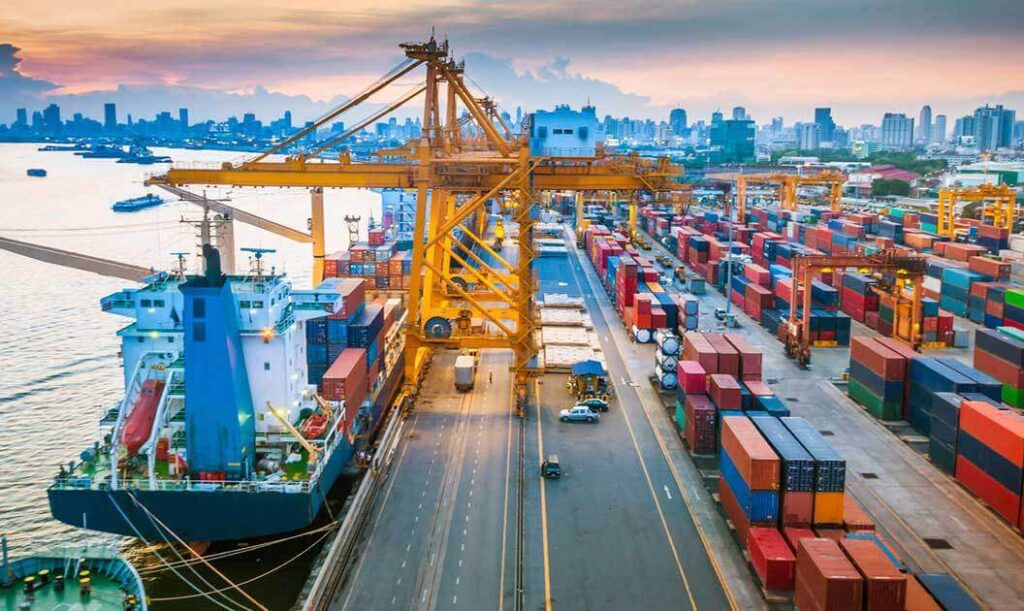
Detention charges occur when the container equipment is not returned to the carrier within the allowed free time. Solar panels, being oversized and fragile, often require specialized unloading, extended handling time, and additional labor, which may inadvertently extend container usage. Additionally, delays in customs clearance, port congestion, driver shortages, or miscommunication between logistics teams frequently lead to detention exposure.
Relevant long-tail keywords used: USA customs clearance delays, detention-free time for Flat Rack containers, oversized cargo risks, China-to-USA solar logistics challenges, container turnaround planning.
2. Why is Flat Rack FCL detention prevention for solar panels from China to USA essential for controlling logistics costs?
Detention charges for Flat Rack containers are often higher than standard FCL equipment, making prevention even more important. Moreover, oversized cargo such as solar panels typically requires longer preparation time, meaning any delay quickly increases financial risk. Therefore, by optimizing documentation, warehouse readiness, transport scheduling, and customs procedures, importers significantly reduce unnecessary detention expenses.
Additional long-tail keywords: prevent detention for oversized cargo, solar panel import planning, USA port container rules, avoid detention fees Flat Rack.
3. What shipping method options do solar panel importers commonly compare?
Although Flat Rack FCL is the most suitable for oversized solar panels, importers still compare sea freight, air freight, and even breakbulk options depending on urgency and risk tolerance.
Shipping Method Comparison Table
| Shipping Method | Approx. Cost | Transit Time | Pros | Cons |
|---|---|---|---|---|
| Flat Rack FCL Sea Freight | Medium | 20–35 days | Ideal for oversized solar modules; cost-effective | Requires careful securing; slower |
| Breakbulk Shipping | Medium–High | 25–40 days | Handles extremely large panels | Longer port handling time |
| Air Freight | Very High | 3–7 days | Fastest; good for urgent components | Too expensive for bulk solar shipments |
| Standard FCL (when possible) | Low | 18–30 days | Cheapest option | Only works for smaller solar panel sizes |
4. How long do Flat Rack FCL solar panel shipments from China to the USA usually take?
Transit time varies based on port selection, weather, and carrier routing. Additionally, handling times for Flat Rack units are typically longer because ports must use special lifting and securing equipment. Therefore, precise planning is essential to ensure timely delivery and minimize detention risk.
Typical Transit Times by Route
| China Port | USA Port | Transit Time | Notes |
|---|---|---|---|
| Shanghai | Los Angeles | 16–22 days | Fastest route; high handling capacity |
| Ningbo | Long Beach | 18–25 days | Good scheduling consistency |
| Qingdao | Houston | 25–33 days | Longer sailing distance |
| Shenzhen | Seattle | 20–27 days | Stable for West Coast distribution |
| Tianjin | Oakland | 22–30 days | Weather impacts possible in winter |
Long-tail keywords included: solar panel shipping time China to USA, Flat Rack container transit duration, USA West Coast ports reliability.
5. What documentation is required to avoid delays for solar panel imports?
Documentation mistakes are among the most common causes of clearance delays that lead to detention. Additionally, solar panels require compliance documents such as electrical certification, HS codes, and material descriptions that must match shipment details.
Customs Documentation Checklist for Solar Panels
| Document | Purpose | Common Errors |
|---|---|---|
| Bill of Lading | Confirms shipment | Incorrect consignee or cargo description |
| Commercial Invoice | Declares value & quantity | Missing HS code 854140; wrong pricing |
| Packing List | Verifies dimensions & weight | Inaccurate measurements for oversized cargo |
| EPA Compliance (if required) | Environmental compliance | Missing test documents |
| Certificate of Origin | Verifies origin | Data mismatch |
| UL / electrical certificates | Validates solar panel safety | Outdated certificate versions |
| USA Import Declaration | Required by CBP | Late filing due to incomplete data |
Semantic keywords included: customs compliance USA, CBP solar panel rules, import documentation accuracy, customs delays prevention, renewable energy equipment documentation.
What are you waiting for?
Contact chinatopfreight for a fast, free quote.
Are you ready to book?
Access live instant freight quotes
6. How can operational planning ensure Flat Rack FCL detention prevention for solar panels from China to USA?
Flat Rack cargo requires more coordination than standard containers. Moreover, truckers, warehouses, and crane operators must be aligned before arrival.
Key Operational Strategies
- Schedule factory loading early to account for oversized cargo securing.
- Confirm trucking availability at least 5 days before container arrival.
- Pre-arrange crane or forklift equipment at destination warehouses.
- Use real-time container tracking to anticipate schedule changes.
- Collaborate with USA customs brokers for faster clearance.
- Choose ports with specialized handling equipment for Flat Rack cargo.
- Maintain daily communication between shipper, forwarder, and consignee.
Long-tail keywords: Flat Rack unloading planning, oversized cargo trucking USA, solar panel warehouse equipment, proactive detention prevention strategies.
7. Why is warehouse readiness important for solar panel unloading?

Solar panels are fragile, oversized, and require precision handling. Additionally, unloading Flat Rack containers often requires side loaders, cranes, or special lifting systems. When warehouses are not prepared, containers sit idle, increasing detention risk. Therefore, planning labor, machinery, and indoor storage space ahead of time is essential.
Long-tail keywords: warehouse unloading for solar modules, USA oversized cargo handling, solar panel receiving workflow, warehouse scheduling for Flat Rack.
8. How can supply chain optimization reduce detention exposure for Flat Rack shipments?
Supply chain optimization provides faster cargo flow and container return. Moreover, solar panel shipments are often time-sensitive due to project deadlines, making delays costly.
Supply Chain Optimization Tips
- Develop predictable inventory forecasting based on solar project timelines.
- Use integrated digital tracking for supply chain visibility.
- Strengthen communication between suppliers and USA installation contractors.
- Create buffer schedules to accommodate weather or vessel delays.
- Work with multiple trucking partners to avoid scheduling bottlenecks.
Semantic keywords included: supply chain transparency, logistics forecasting, solar project delivery planning, USA import scheduling.
9. Can value-added logistics services help reduce detention risk?
Yes. Many logistics providers offer extended free time, guaranteed trucking, transloading, bonded storage, or specialized Flat Rack handling services. Additionally, some insurance products now include detention fee protection for project cargo.
Long-tail keywords: detention insurance for Flat Rack cargo, extended free time, bonded warehouse USA, Flat Rack value-added logistics, solar project cargo risk reduction.
10. What common mistakes lead to detention when importing solar panels?
Mistakes often come from lack of coordination, documentation discrepancies, or unrealistic scheduling assumptions.
Common Mistakes Table
| Mistake | Impact | Prevention |
|---|---|---|
| Late customs filing | Hold at port | Submit documents early |
| No pre-arranged unloading equipment | Warehouse delays | Schedule equipment ahead of arrival |
| Incorrect cargo measurements | Re-handling delays | Measure panels precisely before booking |
| No trucking reservation | Missed pickup windows | Book 3–5 days before arrival |
| Poor communication | Unexpected delays | Maintain daily logistics coordination |
Conclusion
Detention prevention is an essential part of managing oversized cargo operations. By improving planning, documentation accuracy, trucking coordination, and warehouse readiness, importers can minimize risks related to Flat Rack FCL detention prevention for solar panels from China to USA. Moreover, strategic forecasting and professional logistics support ensure efficient container turnaround and stronger project performance. Strengthening your logistics processes today will help secure on-time delivery, reduced costs, and long-term supply chain stability.
FAQ
1. How early should I book trucking for Flat Rack solar panel shipments?
Book trucking at least five days before vessel arrival to secure proper equipment and avoid delays that may lead to detention at USA ports.
2. Do Flat Rack containers require special unloading equipment in the USA?
Yes. Oversized solar panels typically need forklifts, cranes, or side loaders to ensure safe unloading without damage or operational delays.
3. How can I speed up customs clearance for solar panels?
Ensure accurate HS codes, provide full electrical certificates, and submit all documents early to your customs broker for rapid processing.
4. Are detention fees higher for Flat Rack cargo than standard containers?
Often yes, because Flat Rack equipment is limited and carriers charge premium fees when units are not returned on time.
5. What is the main cause of delays in handling oversized solar panels?
Most delays stem from inadequate warehouse preparation or missing equipment required to safely unload large solar modules.