

- By carlie tj
- December 5, 2025
- Logistics Guide
Finding the best route for FCL shipping from China to Europe can dramatically impact your delivery timeline, shipping cost, and cargo safety. Whether you’re a manufacturer or a distributor, selecting the optimal sea freight route is critical to staying competitive. At ChinaTopFreight, we specialize in providing streamlined FCL logistics with customized routing plans to help you ship efficiently and affordably.
1. What Is FCL Shipping and Why Is It Preferred for China–Europe Trade?
FCL (Full Container Load) shipping is a mode where one consignee occupies an entire container, typically 20GP, 40GP, or 40HQ. It is the preferred option for large-volume shipments such as electronics, machinery, textiles, and auto parts.
Advantages include:
- Better cargo security
- Lower cost per cubic meter
- Faster port-to-port transit
- Easier documentation and customs clearance
FCL also reduces the risk of damage or delays compared to LCL (Less than Container Load), especially during transshipment in busy ports.
2. What Are the Main Ports in China for FCL Shipping to Europe?
Major Chinese ports offering efficient FCL services to Europe include:
- Shanghai – Largest port in the world, high frequency to all EU hubs
- Shenzhen (Yantian, Shekou) – Preferred for electronics and auto parts
- Ningbo-Zhoushan – Fast-growing, ideal for East China factories
- Qingdao – Northeast China’s primary gateway
- Xiamen and Guangzhou – Serve South China and e-commerce corridors
These ports are equipped with advanced loading systems, customs infrastructure, and regular sailings to key European destinations.
3. What Are the Top European Ports for FCL Shipments from China?
Your final destination in Europe determines the best arrival port. Here are the top hubs:
- Rotterdam, Netherlands – Europe’s busiest port, major logistics hub
- Hamburg, Germany – Strong inland rail connectivity
- Antwerp, Belgium – Efficient for Benelux and France
- Le Havre, France – Western France access
- Barcelona & Valencia, Spain – Ideal for Southern Europe
- Gdynia, Poland – Entry point for Central/Eastern Europe
Choosing the correct port shortens inland transportation and lowers delivery costs.
4. How Long Does FCL Shipping Take from China to Europe?
Transit time depends on the origin-destination pair, route, and carrier. Here’s a snapshot:
Table: Estimated FCL Transit Time (Port-to-Port)
| China Port | Europe Port | Transit Time | Notes |
|---|---|---|---|
| Shanghai | Rotterdam | 28–35 days | Most direct and frequent |
| Ningbo | Hamburg | 30–38 days | Stable weekly sailings |
| Shenzhen | Antwerp | 27–34 days | Ideal for fast-moving goods |
| Qingdao | Gdynia | 35–42 days | Longer route with transshipment |
Add 5–7 days for customs clearance and inland trucking, depending on your final delivery point.
5. What Routes Are Considered the Best for FCL Shipping from China to Europe?
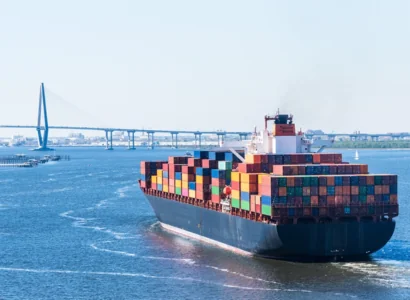
The best route for FCL shipping from China to Europe balances speed, cost, and risk. These are top options:
A. Suez Canal Route (Most Common)
- Origin: East China (Shanghai/Ningbo)
- Route: South China Sea → Malacca Strait → Indian Ocean → Suez → Mediterranean
- Arrival: Rotterdam, Hamburg, or Antwerp
- Pros: Stable schedules, direct sailings
- Cons: Congestion in Suez can cause delays
B. Mediterranean Entry Route
- Origin: South China (Shenzhen/Xiamen)
- Arrival: Valencia, Barcelona, Genoa
- Pros: Great for Southern Europe
- Cons: Longer inland haul to Northern EU
C. Rail–Sea Hybrid Routes (e.g., via Piraeus, Greece)
- Combine sea and train services
- Faster to Eastern/Central Europe
- More complex coordination
- Choosing depends on your cargo type, delivery location, and budget tolerance.
6. How Do You Choose Between Rail, Air, and FCL Shipping?
FCL is cost-effective, but not always the fastest. Consider your cargo’s value, urgency, and destination:
Comparison: FCL Sea vs Rail vs Air
| Mode | Transit Time | Cost | Best Use Case |
|---|---|---|---|
| FCL Sea | 28–42 days | Low | High-volume, non-urgent cargo |
| Rail Freight | 15–20 days | Medium | Inland EU, moderate urgency |
| Air Freight | 3–7 days | Very High | Urgent, high-value shipments |
FCL remains the most affordable and scalable mode for long-haul China–Europe trade.
7. What Customs Documents Are Required for China–Europe FCL Shipments?
Proper documentation is vital to avoid delays at EU borders. Ensure you prepare:
- Bill of Lading (B/L)
- Commercial Invoice
- Packing List
- EORI Number (for EU importers)
- CE Certificate (for regulated goods)
- Declaration of Conformity (electronics, medical equipment, etc.)
Working with experienced freight forwarders like ChinaTopFreight ensures accurate and complete documents.
8. Can You Track FCL Shipments in Real Time During Transit?
Yes. Most shipping lines now offer real-time container tracking portals. You can track:
- Vessel name and voyage
- Departure and ETA updates
- Transshipment and hold points
- Customs clearance status
Additionally, freight forwarders provide GPS-based container tracking and digital dashboards for full visibility across your supply chain.
9. What Are the Costs Involved in FCL Shipping to Europe?
FCL costs include ocean freight, terminal handling, customs, and inland delivery. Fuel surcharges and currency fluctuations may apply.
Table: Sample 40HQ FCL Cost Estimates (USD)
| Route | Ocean Freight | Port Fees | Approx. Total |
|---|---|---|---|
| Shanghai → Rotterdam | $2,800 | $500 | $3,300 |
| Shenzhen → Antwerp | $2,700 | $520 | $3,220 |
| Ningbo → Hamburg | $2,950 | $540 | $3,490 |
| Qingdao → Valencia | $3,100 | $580 | $3,680 |
Note: Inland trucking adds $400–$1,000 depending on EU destination.
10.Conclusion
Choosing the best route for FCL shipping from China to Europe requires a strategic balance between cost, time, and reliability. By understanding port options, transit times, and customs procedures, businesses can significantly reduce delays and expenses. Whether your cargo is heading to Rotterdam, Hamburg, or Valencia, working with an experienced logistics partner like ChinaTopFreight ensures your shipment moves through the most efficient corridor. Let us guide you to better routes, faster transit, and smarter shipping decisions for your China–Europe trade lanes.
Request a Quote
China Top Freight offers:
- ✅ Origin and Destination Countries
- ✅ Cargo Type and Volume
- ✅ Preferred Transport Method (Air, Sea, Rail, Road)
- ✅ Delivery Timeline
- ✅ Special Handling Requirements (if any)
FAQ
What is the fastest FCL route from China to Europe?
Sailing via the Suez Canal to Rotterdam or Hamburg usually offers the quickest port-to-port transit times.
Which port in China offers the most sailings to Europe?
Shanghai port has the highest sailing frequency to key European ports like Rotterdam and Hamburg.
Do I need CE certification for electronics shipped to Europe?
CE certification is mandatory for regulated electronics entering the EU and must accompany the customs documentation.
Can I track my FCL shipment online?
Most carriers offer online portals with real-time tracking, including vessel location, estimated arrival, and milestone updates.
Is Antwerp a good port for Western Europe delivery?
Antwerp is efficient and well-connected for deliveries to Belgium, France, Netherlands, and parts of Germany.