

- By ayla tj
- December 5, 2025
- Logistics Guide
Securing Reefer FCL space availability for solar panels from China to Miami has become increasingly challenging due to tight capacity, seasonal demand spikes, and complex compliance requirements. Moreover, solar panels require temperature-controlled and highly stable transport conditions, meaning shippers must plan earlier and coordinate closely to avoid delays. Therefore, having a comprehensive strategy ensures consistent space availability and predictable delivery timelines.
1. What factors influence Reefer FCL space availability for solar panels shipped to Miami?
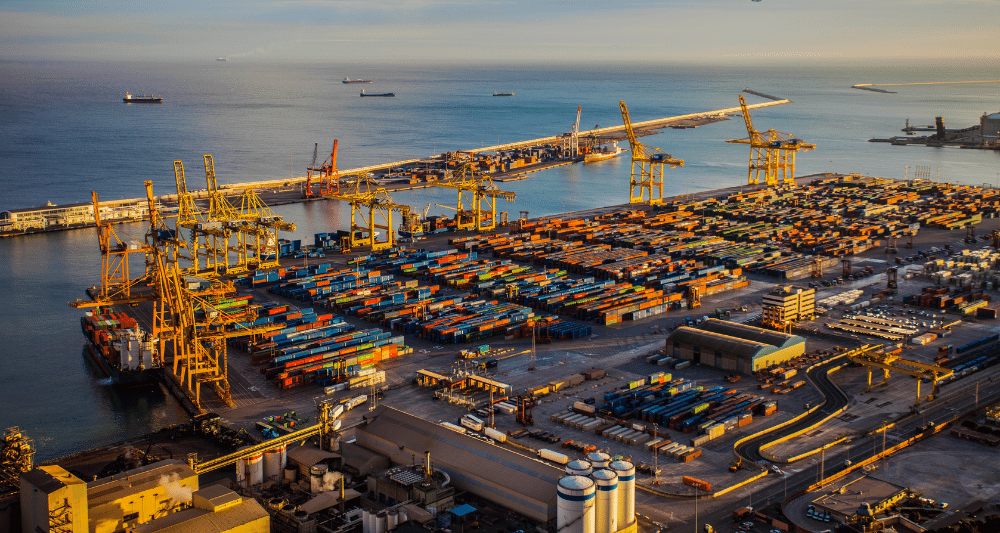
Reefer containers are in high demand worldwide, and their limited supply significantly impacts availability. Additionally, solar panels are sensitive to extreme heat, so exporters must secure temperature-controlled equipment, especially during peak seasons. Port congestion, carrier capacity limits, customs delays, and documentation issues further tighten equipment availability. Therefore, a proactive logistics plan is necessary to secure space reliably.
Long-tail keywords included: reefer container shortages China, solar panel cold-chain shipping, Miami port availability, reefer booking challenges USA, early reefer reservation strategy.
2. Why is Reefer FCL space availability for solar panels from China to Miami essential for protecting cargo quality?
Solar panels degrade when exposed to extreme temperatures, making temperature-controlled Reefer FCL transport crucial. Moreover, maintaining a steady environment during ocean transit enhances performance and reduces risk of damage. Because reefer capacity is scarce, securing availability early helps avoid last-minute premium charges. Therefore, managing space proactively protects both cargo integrity and shipping budgets.
Semantic keywords included: cold-chain logistics, temperature-controlled freight, energy equipment shipping, supply chain reliability, transit condition stability.
3. What shipping methods can solar panel importers compare before choosing Reefer FCL?
While Reefer FCL is often the preferred option for temperature-sensitive solar panels, importers should still compare alternative shipping routes and methods to optimize cost and time.
Shipping Method Comparison Table
| Shipping Method | Estimated Cost | Transit Time | Pros | Cons |
|---|---|---|---|---|
| Reefer FCL Sea Freight | Medium–High | 23–35 days | Ideal temperature control; protects modules | Limited space; early booking required |
| Standard FCL | Medium | 22–32 days | Lower cost; stable availability | Not suitable for high-heat periods |
| Air Freight | Very High | 3–7 days | Fastest; excellent cargo protection | Too expensive for bulk panels |
| Breakbulk Shipping | High | 25–45 days | Handles oversized modules | Slower and more complex |
Long-tail keywords included: cold-chain sea freight comparison, solar panel reefer vs dry container, Miami renewable energy imports.
4. How long does it take to ship Reefer FCL solar panels from China to Miami?
Transit time varies by departure port, route, and vessel schedule. Additionally, ocean carriers adjust capacity allocations frequently, meaning Reefer equipment availability may impact total lead time.
Transit Time Estimates
| China Port | Miami Transit Time | Notes |
|---|---|---|
| Shanghai | 28–34 days | Highly reliable routes |
| Ningbo | 30–38 days | May fluctuate during Q3 peak |
| Shenzhen | 23–30 days | Fastest option to Miami |
| Qingdao | 32–40 days | Weather delays possible |
| Tianjin | 35–45 days | Longer distance and routing |
Semantic keywords: shipping duration China–USA, Miami port transit speed, ocean freight timeline.
5. What documentation helps ensure faster clearance and prevents Reefer delays at Miami ports?
Documentation accuracy is vital because Reefer containers must be moved quickly to maintain correct temperatures. Missing or wrong details often result in holds, increasing the risk of temperature fluctuations.
Essential Documentation Checklist
| Document | Purpose | Common Error |
|---|---|---|
| Bill of Lading | Confirms shipment | Wrong cargo description |
| Commercial Invoice | Declares value | Missing HS codes for solar equipment |
| Packing List | Dimensions & weight | Inaccurate pallet count |
| Importer Security Filing (ISF) | Required for USA imports | Late submission |
| Certificate of Origin | Confirms origin | Mismatched manufacturing data |
| Temperature Control Request | Reefer setting requirements | Wrong temperature range |
| Solar Product Certifications | Safety and performance | Missing UL certification |
Long-tail keywords included: ISF filing for solar panels, Miami customs documentation, reefer shipping compliance, USA energy equipment import rules.
What are you waiting for?
Contact chinatopfreight for a fast, free quote.
Are you ready to book?
Access live instant freight quotes
6. How can shippers secure Reefer FCL space availability for solar panels from China to Miami during peak seasons?
Reefer demand peaks during summertime and produce seasons, making availability more unpredictable. However, several strategies can improve booking success.
Effective Space-Planning Strategies
- Reserve Reefer FCL units 3–5 weeks in advance.
- Choose carriers with high reefer fleet inventory.
- Work with forwarders who have block space agreements.
- Avoid peak shipping periods where possible.
- Use flexible departure windows to increase approval rates.
- Ship from alternate ports such as Qingdao or Tianjin when southern ports face shortages.
Long-tail keywords included: early reefer booking China, Miami reefer capacity planning, space guarantee agreements, cool-chain equipment sourcing.
7. Why is temperature-controlled shipping critical for solar panels?
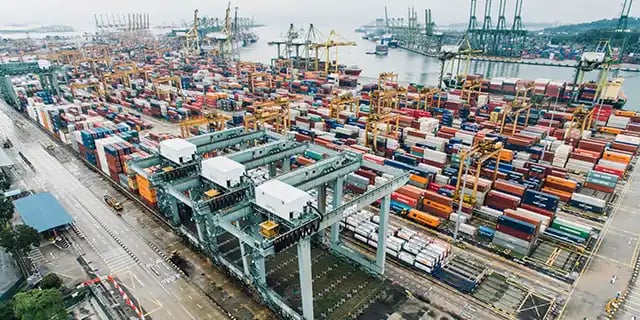
Although solar panels operate in sunlight, extreme uncontrolled heat during shipping can damage internal components. Moreover, excessive humidity increases corrosion risk. Reefer containers allow stable airflow and controlled temperatures, protecting PV modules throughout transit.
Semantic keywords: PV module protection, thermal stability transport, humidity control logistics, energy equipment cold-chain.
8. How does supply chain planning improve Reefer space availability?
Strong supply chain visibility enables importers to forecast demand, coordinate production schedules, and secure equipment early.
Supply Chain Optimization Tips
- Implement digital visibility tools for tracking.
- Confirm factory production timelines before booking carriers.
- Use rolling forecasts for Miami delivery schedules.
- Coordinate with Miami installers to avoid last-minute urgency.
- Maintain buffer inventory in USA warehouses.
Semantic keywords: supply chain forecasting, logistics planning, delivery accuracy, energy industry procurement cycle.
9. How does choosing the right carrier improve Reefer FCL space availability for solar panels from China to Miami?
Carriers vary significantly in Reefer fleet size, loading priority, and sailing frequency. Moreover, some carriers allocate more Reefer units to specific China ports.
Carrier Selection Considerations
| Carrier Factor | Why It Matters |
|---|---|
| Reefer fleet size | Larger fleets provide more available units |
| Sailing frequency | More sailings = more booking opportunities |
| Transit stability | Reduces risk of delays impacting Reefer conditions |
| Temperature monitoring features | Ensures cargo condition visibility |
| Miami terminal performance | Impacts unloading speed |
Long-tail keywords: carrier reefer fleet comparison, reefer monitoring systems, temperature-sensor ocean freight.
10. How do port choices affect Reefer FCL space availability?
Different USA ports offer different cold-chain handling capacities. Although the destination is Miami, routing may involve transshipment ports with varying Reefer capabilities.
Port Efficiency Comparison
| Port | Cold-Chain Handling Quality | Notes |
|---|---|---|
| Miami | Excellent | Strong infrastructure for energy imports |
| Savannah | Good | Common transshipment route |
| Los Angeles | Very High | Best Reefer equipment availability |
| Houston | High | Alternative routing during peak shortages |
| New York/New Jersey | Moderate | Longer transit but predictable schedules |
Long-tail keywords: Miami cold-chain port, USA reefer port comparison, transshipment reliability.
Conclusion
Maintaining dependable Reefer FCL space availability for solar panels from China to Miami requires early planning, accurate documentation, and close coordination with carriers and forwarders. Moreover, understanding capacity trends, temperature requirements, and port capabilities helps importers avoid disruptions. By strengthening forecasting, selecting the right carriers, and leveraging cold-chain technology, companies can achieve reliable delivery performance and protect their renewable energy cargo. A strategic logistics approach ensures consistent access to Reefer capacity while controlling costs and minimizing risks.
FAQ
1. How early should I book Reefer FCL space for solar panels?
Book at least four weeks ahead to improve approval chances, especially during summer and produce seasons when Reefer demand increases sharply.
2. What temperature is recommended for transporting solar panels?
Most solar panels ship safely at controlled ambient temperatures between 15°C and 25°C, preventing heat-related degradation or moisture buildup during long ocean voyages.
3. Can I request guaranteed Reefer FCL space from carriers?
Some carriers offer space guarantee programs, but they often come with premium charges. Forwarders with block agreements provide higher success rates.
4. Are Reefer containers always required for solar panels?
Not always. However, during extreme heat seasons or long transit routes, Reefer FCL prevents thermal stress and ensures stable cargo conditions.
5. Does Miami port handle Reefer containers efficiently?
Yes. Miami has advanced cold-chain facilities, plug-in stations, and experienced operators, supporting fast Reefer processing for renewable energy imports.