

- By kelly
- December 5, 2025
- Logistics Guide
Space Availability for FCL Shipping from China to Miami
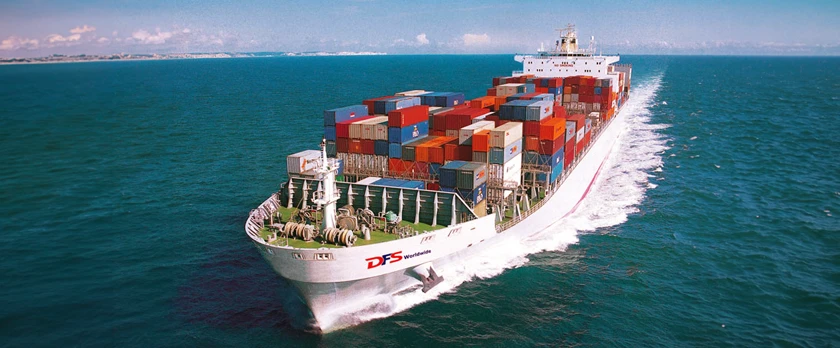
Managing space availability for FCL shipping from China to Miami has become increasingly challenging as global demand rises and supply chain disruptions continue. Importers frequently face delays, rate increases, and capacity shortages. However, understanding the factors affecting container availability—and learning how to secure space early—can significantly improve reliability and reduce freight spending.
1. What Affects Space Availability for FCL Shipping from China to Miami?
Space availability fluctuates because global shipping is influenced by many interconnected logistics factors. Moreover, market demand often exceeds capacity during peak periods.
Key Influencing Factors
- Peak season volumes (June–October)
- Container imbalance between regions
- Port congestion in China and the U.S.
- Blank sailings by carriers
- Fuel costs and GRI announcements
- Weather‑related disruptions affecting ocean schedules
Long‑tail keywords included: FCL container space demand, Miami shipping capacity, China export peak season, US port congestion trends, container booking challenges.
2. How Much Does FCL Shipping from China to Miami Cost?
Although rates fluctuate, understanding typical pricing helps importers budget correctly.
Estimated FCL Pricing (2025)
| Container Type | Cost Range (USD) | Notes |
|---|---|---|
| 20GP FCL | $2,300 – $3,000 | Rates vary by route and carrier |
| 40GP FCL | $3,000 – $4,200 | Often more stable, better availability |
| 40HQ FCL | $3,200 – $4,500 | Most commonly booked during peak season |
Costs include ocean freight but exclude destination charges, customs duties, and drayage.
Semantic keywords used: shipping costs, freight rates, logistics budgeting, container pricing structure, supply chain planning.
3. Why Is Miami a Key Destination for FCL Shipments from China?
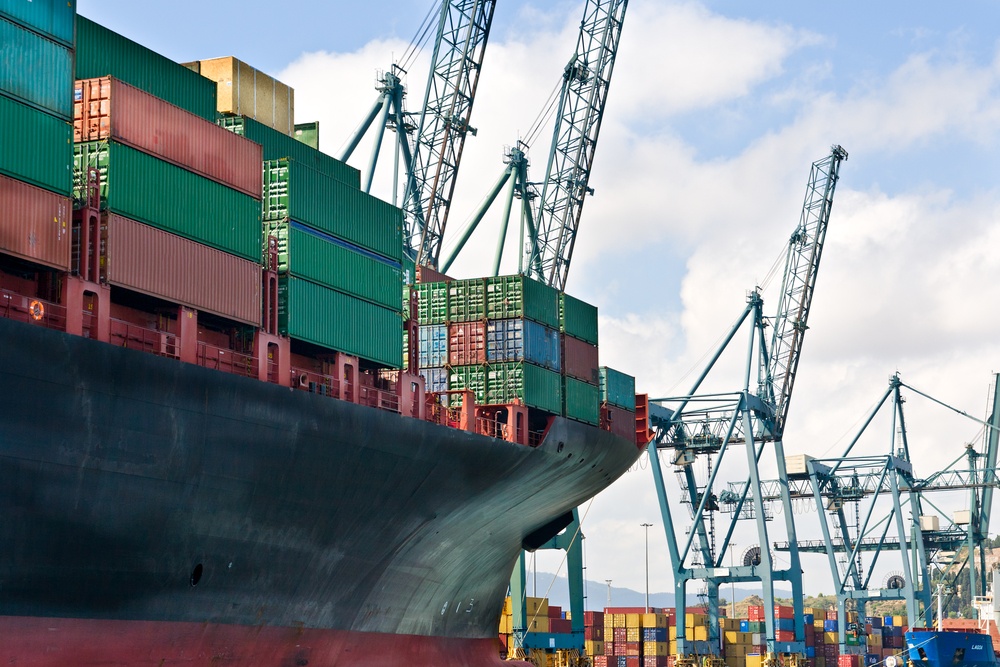
Miami serves as a major distribution center for the southeastern United States. Additionally, it supports strong import growth in industries such as electronics, home goods, retail inventory, and construction materials.
Benefits of Shipping to Miami
- Efficient port infrastructure
- Strong intermodal connections
- Fast access to Florida, Georgia, Alabama, and the Caribbean
- High vessel frequency from China
These factors make Miami an attractive hub for import/export operations.
4. What Is the Transit Time for FCL Shipping from China to Miami?
Transit time varies depending on the port of origin and routing via the Panama Canal or U.S. West Coast rail networks.
Transit Time Comparison
| Origin Port (China) | Route Type | Transit Time |
|---|---|---|
| Shanghai | Via Panama Canal | 30–36 days |
| Ningbo | Via US West Coast + Rail | 28–34 days |
| Shenzhen/Yantian | Direct via Panama | 32–38 days |
| Qingdao | Transshipment route | 35–42 days |
Furthermore, seasonal congestion may add additional transit days.
5. How Do Carriers Allocate Space for China–Miami FCL Shipping?
Space allocation depends on bookings, carrier priorities, contract agreements, and forecast accuracy.
How Carriers Manage Space
- Contract customers receive priority
- Forecasted volumes influence allocation
- Spot market rates shift depending on demand
- Port choice affects container accessibility
Therefore, importers with steady volumes receive better treatment from carriers.
6. How Can You Improve Space Availability for FCL Shipments?
Shippers can adopt several strategies to secure container space consistently—even during the busiest months.
Proven Strategies to Improve Space Availability
- Book at least 2–4 weeks in advance
- Use flexible departure ports (Shanghai, Ningbo, Shenzhen)
- Work with a freight forwarder with guaranteed space contracts
- Avoid peak weeks around holidays and factory shutdowns
- Choose alternative routing options when needed
Additionally, consolidating supplier shipments reduces booking complexity.
7. What Documents Are Required for Smooth Customs Clearance in Miami?
Proper documentation prevents delays, which is especially important when container space is tight and arrival schedules are sensitive.
Customs Documents Checklist
| Document Type | Description |
|---|---|
| Commercial Invoice | Declares cargo value and product details |
| Packing List | Confirms weight, volume, and packaging |
| Bill of Lading | Transport contract and shipment record |
| ISF Filing (10+2) | Required 24 hours before cargo loading |
| Import Bond | Mandatory for U.S. customs entry |
| HTS Classification | Determines applicable duties |
| EPA/Compliance Docs | Required for regulated products |
Errors in paperwork may trigger holds, inspections, and extra fees.
8. How Does FCL Compare with LCL, Rail, and Air Shipping?
Importers often compare alternatives when space availability is limited.
Shipping Method Comparison
| Shipping Mode | Cost | Transit Time | Pros | Cons |
|---|---|---|---|---|
| FCL (Sea) | $$ | 28–40 days | Best for large volumes, cost‑effective | Space shortages, long transit |
| LCL (Sea) | $$ | 32–48 days | Flexible for smaller volumes | Higher damage risk, slower |
| Air Freight | $$$$ | 3–7 days | Fastest option | Extremely expensive |
| Rail Freight | $$$ | 15–25 days | Reliable, stable | Limited availability to Miami |
However, FCL remains the most economical method for medium‑to‑large shipments.
9. Can Port Choice in China Improve FCL Space Availability?
Yes—port selection plays a major role in availability, cost, and scheduling reliability.
Best Origin Ports for Space Availability
- Shanghai: Largest China export port with steady capacity
- Ningbo: Strong carrier presence and competitive rates
- Shenzhen/Yantian: Excellent for South China factory exports
- Qingdao: Ideal for northern manufacturers
Moreover, choosing a port with high vessel frequency reduces booking delays.
10. What Role Do Freight Forwarders Play in Securing Space?
Freight forwarders are essential in navigating booking constraints and space shortages. Additionally, they negotiate with carriers on behalf of importers.
Forwarder Advantages
- Guaranteed space allotments
- Flexible routing solutions
- Better access to spot and contract rates
- Multimodal logistics options
- Assistance with customs, documentation, and drayage coordination
Therefore, working with an experienced forwarder greatly improves shipment reliability.
📦Get a Free Quote
If securing space availability for FCL shipping from China to Miami has been challenging, now is the time to partner with logistics experts who understand market capacity trends. Our team provides guaranteed space contracts, alternative routing, customs support, and real‑time shipment updates to keep your supply chain moving smoothly. Contact us today for a personalized FCL shipping solution.
❓ Frequently Asked Questions
1. How early should I book FCL space from China to Miami?
To secure reliable space availability, you should book at least 2–4 weeks in advance. During peak shipping seasons, consider booking even earlier to avoid rollovers and capacity shortages.
2. What factors influence FCL availability to Miami?
Key factors include port congestion, peak season volume, container shortages, carrier schedule adjustments, blank sailings, and global logistics trends affecting China–U.S. trade routes.
3. Is FCL cheaper than LCL for shipments to Miami?
Yes. FCL is more cost‑effective for medium to large shipments. LCL is suitable for smaller cargo volumes but comes with longer transit times and higher handling risks.
4. What is the average FCL shipping cost from China to Miami?
Average costs for a 20GP container range from $2,300–$3,000, while a 40HQ container may cost $3,200–$4,500 depending on the carrier and season.
5. What is the transit time for China–Miami sea freight?
Typical transit time is 28–38 days, depending on the origin port, routing via Panama, vessel schedule, and customs processing in the U.S.
Conclusion
Securing space availability for FCL shipping from China to Miami requires careful planning, early booking, and expert logistics support. Although global shipping remains unpredictable, businesses can significantly reduce risks by choosing the right ports, maintaining accurate documentation, comparing routing options, and partnering with experienced freight forwarders. Ultimately, proactive strategies lead to lower shipping costs, faster transit times, and a more resilient import operation.