

- By ayla tj
- December 5, 2025
- Logistics Guide
Shipping temperature-sensitive or high-value machinery requires precise planning, compliant documentation, and strict timeline control. Because Reefer FCL detention prevention for machinery from China to Miami directly affects total logistics cost, importers must manage customs, unloading, and inland transportation efficiently. Moreover, detention fees for reefer containers are significantly higher due to limited equipment availability, so minimizing container idle time is essential for controlling budgets and protecting inventory.
1. What causes detention for Reefer FCL machinery shipments to Miami?
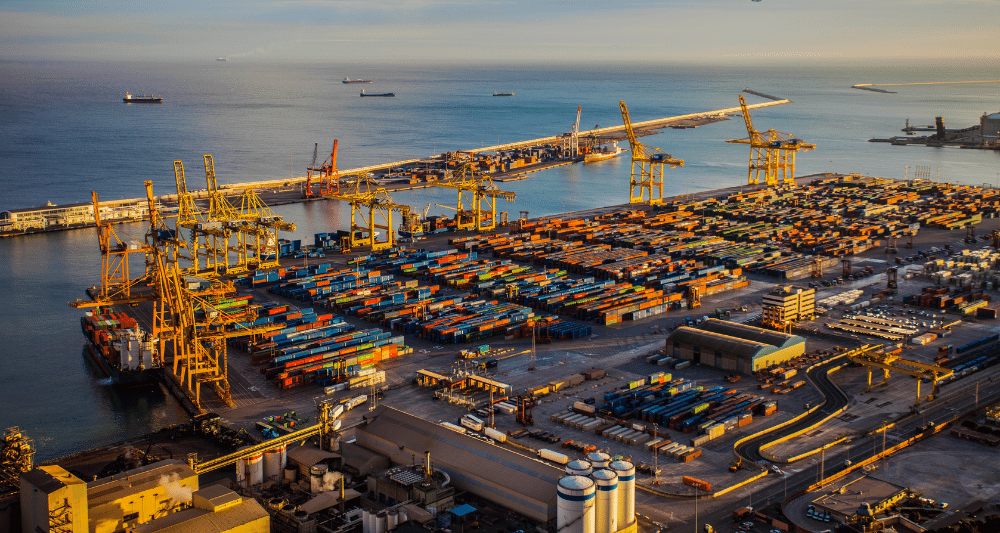
Detention charges occur when containers are not returned to the carrier within the allocated free time. Machinery imports often require specialized handling, extended inspection, or technical verification, which may delay unloading. Additionally, reefer containers require continuous power, meaning delays quickly escalate costs. Therefore, understanding the sources of detention helps companies plan ahead.
Common Causes of Reefer Detention
- Late customs clearance
- No pre-booked trucking
- Unprepared warehouses
- Documentation errors
- Port congestion
- Temperature-setting disputes
Long-tail keywords used: machinery import delays USA, reefer detention fees Miami, reefer free time rules, China machinery shipping risks, refrigerated FCL equipment shortages.
2. Why is Reefer FCL detention prevention for machinery from China to Miami crucial for importers?
Reefer equipment is among the most expensive container types. Additionally, machinery may lose calibration if exposed to extreme temperatures, so maintaining temperature control is essential. When detention occurs, the carrier continues charging daily reefer penalties, electricity fees, and genset charges. Therefore, effective planning protects machinery integrity and avoids high-cost overruns.
Semantic keywords: supply chain temperature control, reefer genset fees, Miami port refrigerated handling, machinery calibration protection, logistics cost management.
3. How do shipping methods compare for machinery moving from China to Miami?
While reefer containers are required for certain high-value machinery, importers often compare alternatives to evaluate cost, transit time, and risk.
Shipping Method Comparison
| Method | Cost Level | Transit Time | Pros | Cons |
|---|---|---|---|---|
| Reefer FCL | High | 23–35 days | Temperature control; stable conditions | Expensive; limited free time |
| Standard FCL | Medium | 22–32 days | Lower rates; good availability | Risk of overheating |
| Air Freight | Very High | 3–8 days | Fastest; ideal for urgent machinery | Very costly for heavy equipment |
| Breakbulk | High | 25–45 days | Suitable for oversized machinery | Slow and complex |
Long-tail keywords included: machinery transport comparison, temperature-controlled freight options, best shipping method for machinery.
4. How long does it take to ship Reefer FCL machinery from China to Miami?
Transit times depend on port pairings, vessel schedules, transshipment routes, and seasonal weather. Moreover, reefer routes sometimes receive priority handling due to power requirements.
Transit Time Table
| China Port | Destination Port | Transit Time | Notes |
|---|---|---|---|
| Shanghai | Miami | 28–34 days | Reliable, frequent reefer departures |
| Ningbo | Miami | 30–38 days | May route via Panama Canal |
| Shenzhen | Miami | 23–30 days | Fastest direct connections |
| Qingdao | Miami | 32–40 days | Longer due to northern routing |
| Tianjin | Miami | 35–45 days | Weather delays possible |
Semantic keywords: ocean freight timeline USA, reefer transit schedule, Miami import logistics planning.
5. What documents are needed to reduce detention risk in Miami?
Accurate documentation speeds up customs clearance, minimizing the time the reefer container spends idle. Machinery imports often require technical documents and compliance certificates.
Customs Documents Checklist
| Document | Purpose | Common Issue |
|---|---|---|
| Bill of Lading | Shipment confirmation | Incorrect cargo description |
| Commercial Invoice | Value declaration | Missing HS code for machinery |
| Packing List | Dimension overview | Inaccurate weight or size |
| Importer Security Filing (ISF) | Pre-arrival filing | Late filing penalties |
| Certificate of Origin | Tariff accuracy | Missing manufacturer details |
| Machinery Compliance Certificates | Safety and electrical compliance | Outdated or incomplete specs |
| Temperature Setting Instructions | Reefer control requirements | Not submitted in advance |
Long-tail keywords included: USA machinery import paperwork, CBP documentation, reefer compliance documents.
What are you waiting for?
Contact chinatopfreight for a fast, free quote.
Are you ready to book?
Access live instant freight quotes
6. How can operational planning ensure Reefer FCL detention prevention for machinery from China to Miami?
Operational efficiency is the most important factor for avoiding detention charges. Moreover, reefer cargo requires faster turnaround due to power dependency.
Operational Best Practices
- Pre-book trucking at least 5 days before ETA
- Verify warehouse unloading capacity
- Schedule technical inspection personnel early
- Ensure genset availability for inland moves
- Maintain constant communication between suppliers, carriers, and brokers
- Pre-clear customs before vessel arrival whenever possible
Long-tail keywords: reefer container handling planning, machinery delivery scheduling, Miami inland trucking coordination.
7. Why is warehouse readiness essential for preventing reefer detention?
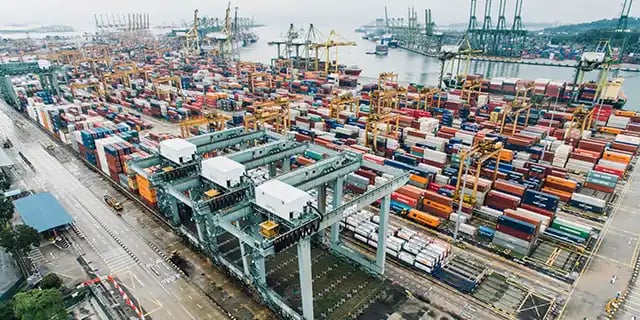
Machinery unloading requires forklifts, cranes, trained staff, and proper indoor storage. When equipment or labor is not ready, containers sit idle, increasing detention charges. Therefore, ensuring warehouse readiness is critical for reducing reefer container dwell time.
Warehouse Preparation Needs
- Heavy-duty lifting equipment
- Temperature-stable storage
- Technician standby for machinery testing
- Clear unloading path
- Pre-labeled receiving areas
Semantic keywords: warehouse efficiency, machinery offloading process, cold-chain receiving workflow.
8. How does supply chain forecasting help reduce detention risk?
Forecasting enables better scheduling, reduces congestion exposure, and helps secure reefer equipment earlier.
Supply Chain Optimization Tips
- Use 30-day rolling forecasts
- Align production schedules with vessel availability
- Maintain safety stock in U.S. warehouses
- Use real-time visibility platforms
- Apply predictive demand planning
Long-tail keywords: supply chain visibility tools, predictive logistics planning, reefer space forecasting.
9. What cost factors influence reefer detention prevention efforts?
Cost planning helps importers anticipate charges and avoid unexpected expenses.
Reefer Cost Components
| Cost Category | Description | Impact |
|---|---|---|
| Daily Detention Fee | Charged after free time | High impact |
| Electricity (Plug-in) | Reefer container power | Medium |
| Genset Rental | For inland trucking | High |
| Handling Charges | Port and terminal services | Medium |
| Documentation Fees | Admin requirements | Low |
| Emergency Surcharge | Peak season cost | Variable |
Semantic keywords: reefer cost structure, Miami reefer electricity fees, machinery logistics budgeting.
10. Why is choosing the right carrier important for reefer machinery shipments?
Carriers differ in reefer fleet availability, monitoring systems, and free-time policies. Choosing the wrong carrier increases detention exposure.
Carrier Selection Criteria
- Reefer fleet size
- Temperature monitoring system quality
- Free time allowance
- Miami terminal efficiency
- Schedule reliability
Long-tail keywords: reefer carrier comparison, temperature monitoring systems, free-time negotiation.
Conclusion
Effective Reefer FCL detention prevention for machinery from China to Miami requires precise scheduling, accurate documentation, warehouse readiness, and strong forecasting. Moreover, understanding detention fee structures and coordinating with reliable carriers ensures faster container turnaround and lower logistics costs. By adopting strategic planning and advanced tracking tools, machinery importers can protect cargo quality, reduce delays, and maintain cost-efficient supply chains.
FAQ
1. How early should I book reefer machinery shipments to Miami?
Book at least three to four weeks in advance to secure equipment, trucking, and handling capacity, especially during peak shipping seasons.
2. What temperature is typically required for shipping machinery?
Most machinery ships at controlled ambient temperatures, but certain precision equipment may need specific ranges to protect calibration and electronic components.
3. Can customs delays increase reefer detention fees?
Yes. Any customs hold extends container dwell time, increasing detention, plug-in, and genset charges for reefer equipment.
4. Is a genset always required for reefer inland transport?
Yes, unless the warehouse is directly at the port. Gensets keep the machinery at safe temperatures during trucking.
5. What causes reefer booking rejection by carriers?
Incomplete temperature instructions, inaccurate cargo details, late bookings, and peak season shortages commonly trigger booking rejection.