

- By kelly
- December 5, 2025
- Logistics Guide
40HQ FCL Transit Time for Machinery from China to Miami (Complete Shipping Guide)
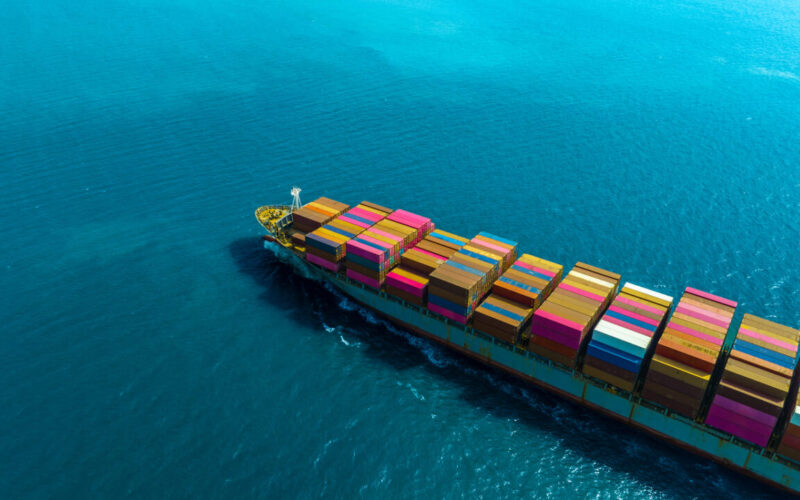
Understanding the 40HQ FCL transit time for machinery from China to Miami is essential for importers who rely on predictable shipping schedules and stable logistics planning. Machinery shipments are often time-sensitive and high-value; therefore, knowing how long an ocean freight journey takes allows you to forecast inventory, prevent delays, and optimize supply-chain operations.
1. What Is the Typical 40HQ FCL Transit Time for Machinery from China to Miami?
When shipping full containers, the average transit time from major Chinese ports to Miami ranges between 32 and 45 days, depending on routing, carrier schedule, port congestion, and seasonal demand. Additionally, machinery usually requires specialized loading, which can influence both departure timing and handling speed.
To give importers more clarity, the table below compares typical sailing durations:
Table 1: 40HQ FCL Transit Time by Major China Ports to Miami
| China Port | Miami Arrival (Days) | Notes |
|---|---|---|
| Shanghai → Miami | 34–40 days | Most stable route; strong carrier availability |
| Ningbo → Miami | 35–42 days | Popular for machinery exporters |
| Shenzhen (Yantian) → Miami | 32–38 days | Often fastest due to Southeast Asia routing |
| Qingdao → Miami | 37–45 days | Longer routing via South China Sea |
These figures help businesses build accurate delivery schedules and remain competitive.
2. Why Does Transit Time Vary Between Different China Ports?
Although carriers publish estimated schedules, actual transit times differ because multiple factors influence voyage duration. Moreover, machinery shipments may require special loading windows, inspection, or documentation, which affects container gate-in times.
Key factors include:
- Port congestion during peak season
- Weather conditions such as typhoons or Gulf-stream disturbances
- Vessel rotations and transshipment hubs
- Customs documentation accuracy before departure
- Availability of 40HQ containers during equipment shortages
Because machinery is typically heavy and oversized, the availability of suitable vessels can also affect departure timing.
3. How Do Shipping Routes Affect 40HQ FCL Transit Time to Miami?
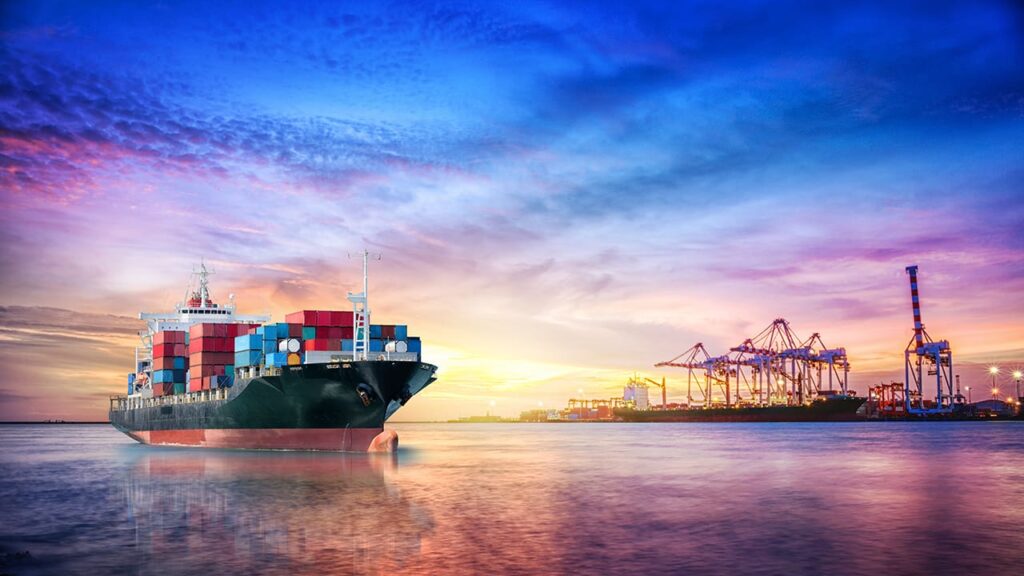
Carriers rely on multi-stop routes, and machinery shipments from China often pass through hubs like Busan, Singapore, or Panama. Therefore, routing patterns significantly affect total sailing days.
Table 2: Common Route Structures for Machinery Shipments to Miami
| Route Type | Example Path | Impact on Transit Time |
|---|---|---|
| Direct + Panama Canal | Shenzhen → Panama → Miami | Fastest, fewer delays |
| Transshipment via Asia | Ningbo → Singapore → Panama → Miami | Moderate delays possible |
| Transshipment via Korea | Shanghai → Busan → Panama → Miami | Slightly longer but stable |
Importers should evaluate route efficiency when choosing a freight forwarder, as optimized routing reduces risks of late arrival.
4. What Customs Documents Are Needed for Machinery to Avoid Delays?
Accurate paperwork is essential because machinery often falls into regulatory categories requiring inspection or certifications. Moreover, customs clearance errors can extend transit time by several days.
Table 3: Required Customs Document Checklist
| Document | Required? | Notes |
|---|---|---|
| Commercial Invoice | Yes | Must include HS codes and machinery descriptions |
| Packing List | Yes | Should specify weight, dimensions, and components |
| Bill of Lading | Yes | Carrier-issued; needed for release |
| Certificate of Origin | Often | Required for trade agreements |
| Machinery Compliance Certificate | Case-by-case | Depending on electrical/mechanical classification |
| Importer Security Filing (ISF) | Yes | Must be submitted before loading |
Providing complete documentation helps prevent customs holds at both origin and destination.
5. How Do Shipping Costs Affect Machinery Transit Planning?
Although this guide focuses on 40HQ FCL transit time for machinery from China to Miami, cost is closely linked to scheduling decisions. Heavy machinery often occupies full containers, so understanding rate structures helps importers choose cost-effective departure windows.
Table 4: Approximate 40HQ FCL Machinery Shipping Cost Components
| Cost Component | Description |
|---|---|
| Ocean Freight Rate | Carrier rate per 40HQ container |
| BAF & CAF Surcharges | Fuel and currency adjustments |
| Terminal Handling Charges | Charged at both origin and destination |
| Documentation Fees | Local port and agent fees |
| Trucking/Delivery | Transport from Miami port to warehouse |
| Customs Broker Fees | Required for clearance |
Because costs fluctuate seasonally, planning shipments in low-demand months may shorten transit time and reduce freight rates.
6. How Does 40HQ FCL Compare to Air and Rail Freight for Machinery?
Although air and rail are faster, 40HQ FCL sea freight remains the most cost-effective option for heavy industrial goods.
Table 5: Air vs Rail vs Sea Freight for Machinery
| Method | Transit Time | Cost Level | Best For |
|---|---|---|---|
| Air Freight | 3–7 days | Very High | Urgent, lightweight machinery |
| Rail Freight (to Europe only) | 15–25 days + onward shipping | Medium | Europe-bound shipments |
| 40HQ Sea Freight | 32–45 days | Low | Heavy, oversized machinery to the U.S. |
Most Miami-bound machinery importers choose sea freight because it balances cost, capacity, and reliability.
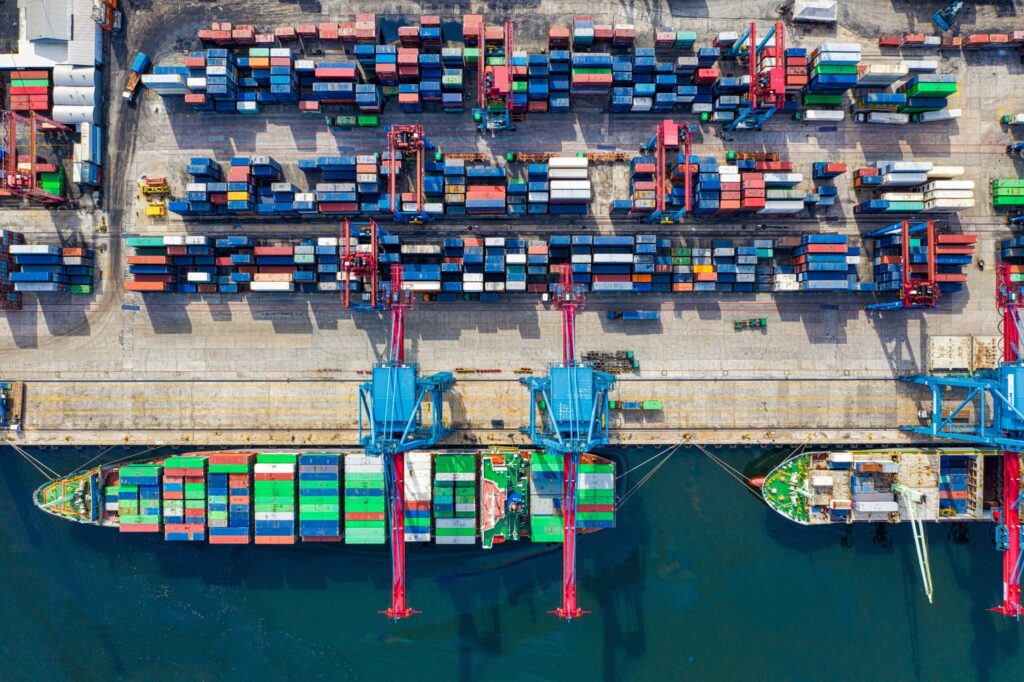
7. What Factors Can Speed Up Machinery Transit Times?
Importers can significantly reduce delays by improving supply-chain planning. Moreover, machinery shipments are sensitive to inspection times, so pre-planning is essential.
Strategies include:
- Booking space 3–4 weeks in advance during peak season
- Submitting ISF filings early
- Choosing carriers with stable Panama Canal schedules
- Consolidating machinery accessories into palletized units
- Working with a freight forwarder who understands heavy-equipment transport
These proactive steps enhance transit reliability and reduce risks.
8. How Should Importers Track a 40HQ FCL Shipment from China to Miami?
Modern supply chains rely on digital tracking tools. Therefore, importers should use real-time platforms provided by carriers or freight forwarders to monitor vessel progress.
Common tracking methods:
- Container number tracking
- Bill of lading tracking
- Vessel name & voyage tracking
- API-based supply chain visibility tools
Effective tracking helps companies manage inventory and prepare for arrival.
9. What Are the Biggest Risks That Affect Transit Time?
Although sea freight is stable, machinery shipments may face external challenges.
Major risks include:
- Port congestion in China or Miami
- Panama Canal restrictions
- Machinery inspection delays
- Severe weather in Pacific or Caribbean regions
- Equipment shortages affecting 40HQ container availability
However, most of these risks can be mitigated through proper planning, early booking, and professional freight management.
10. What Are the Advantages of Shipping Machinery in a 40HQ Container?
A 40HQ FCL offers more cubic capacity than a standard 40GP, allowing machinery importers to load taller or bulkier units. Additionally, FCL shipping reduces handling risk because the container remains sealed from origin to destination.
Key benefits:
- More loading space
- Lower risk of cargo damage
- Predictable transit schedules
- Ideal for heavy, oversized, or high-value equipment
- Cost-efficient for full loads
These benefits make 40HQ FCL the top choice for machinery exporters and importers.
📦Get a Free Quote
If you want expert assistance calculating the 40HQ FCL transit time for machinery from China to Miami, our logistics specialists can help you plan optimized routes, secure space, and reduce delays. Contact our team today to get a customized quote and improve your machinery shipping efficiency.
❓ Frequently Asked Questions
1. How long is the 40HQ FCL transit time from China to Miami?
Transit usually takes 32–45 days, depending on port of origin, routing, weather, and carrier schedules.
2. What documents are required for shipping machinery in a 40HQ container?
You need a commercial invoice, packing list, bill of lading, ISF filing, and any necessary machinery compliance certificates.
3. Why do different China ports have different transit times?
Each port has unique vessel schedules, congestion levels, and routing options, which directly affect overall transit duration.
4. Is 40HQ FCL safer than LCL for machinery shipments?
Yes. FCL stays sealed end-to-end, reducing handling risks, delays, and potential cargo damage compared to LCL
5. How can I reduce delays in machinery shipments?
Book early, prepare complete documents, choose stable carriers, and monitor vessel schedules to prevent unnecessary hold-ups.
Conclusion
Understanding the 40HQ FCL transit time for machinery from China to Miami allows importers to plan inventory, reduce delays, and improve supply-chain efficiency. Although transit typically ranges from 32 to 45 days, proactive planning, accurate documentation, and efficient routing make delivery times far more predictable. For businesses shipping heavy or oversized machinery, FCL remains the safest and most cost-effective transport mode. When you need dependable logistics support, a professional freight forwarder can ensure smooth end-to-end delivery and optimized transit performance.