

- By ayla tj
- December 5, 2025
- Logistics Guide
Efficient FCL shipping for electronics from China to Netherlands ensures safe, timely, and cost-effective delivery for importers handling sensitive goods. Moreover, full container load (FCL) shipping provides secure transportation, minimizes damage risk, and simplifies customs clearance. However, electronic shipments require strict handling standards, accurate documentation, and optimized transit planning to maintain efficiency in the international supply chain.
1. What makes FCL shipping ideal for electronics exports to the Netherlands?
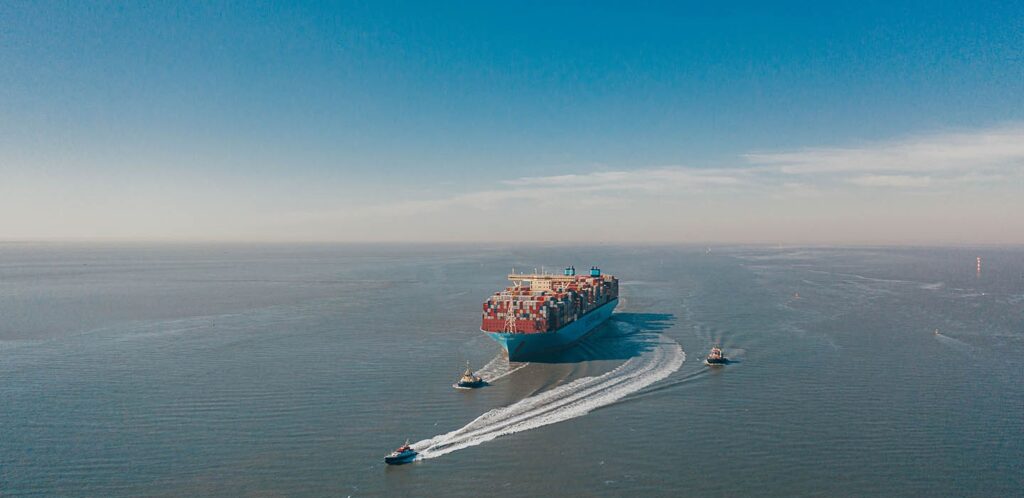
FCL (Full Container Load) is the preferred method for transporting electronics because the container is dedicated to one shipper. This reduces handling risks, maintains product security, and improves efficiency in customs processing. Furthermore, it allows temperature and humidity control—important for high-value electronic items like computers, televisions, and circuit boards.
Key Benefits:
- Lower risk of damage or loss
- Shorter customs clearance process
- Reduced contamination risk from other cargo
- Stable transit schedule and predictable pricing
Long-tail keywords: FCL vs LCL for electronics, secure container shipping, China–Netherlands logistics, full container delivery efficiency, electronics import reliability.
2. How does FCL compare with other shipping options for electronics?
Before selecting a shipping mode, importers often evaluate multiple methods—balancing cost, speed, and cargo sensitivity. FCL is typically the most balanced for large shipments.
Shipping Method Comparison
| Shipping Mode | Cost Level | Transit Time | Pros | Cons |
|---|---|---|---|---|
| FCL Sea Freight | Medium | 25–35 days | Cost-effective for bulk electronics | Longer transit vs air freight |
| LCL Sea Freight | Medium | 30–40 days | Flexible for smaller volumes | Higher damage risk |
| Air Freight | High | 3–7 days | Fastest for urgent shipments | Expensive for heavy cargo |
| Rail Freight | Medium | 18–25 days | Reliable and eco-friendly | Limited to inland terminals |
Semantic keywords: transport mode comparison, cargo optimization, shipping cost vs speed, sea freight advantages, containerized transport.
3. How long does it take to ship electronics from China to the Netherlands?
Transit time varies depending on the port pair, carrier route, and seasonal demand. Moreover, electronics shipments often undergo customs inspections, which may affect delivery schedules.
Transit Time Table
| China Port | Netherlands Port | Average Transit Time | Remarks |
|---|---|---|---|
| Shenzhen | Rotterdam | 25–30 days | Fastest and most consistent route |
| Ningbo | Rotterdam | 27–35 days | Reliable, high-volume route |
| Shanghai | Amsterdam | 26–33 days | Excellent for consumer electronics |
| Qingdao | Rotterdam | 28–36 days | Longer due to transshipment |
| Xiamen | Rotterdam | 30–38 days | Occasional weather-related delays |
Long-tail keywords: China–Netherlands shipping schedule, transit duration, Rotterdam port delivery time, electronics logistics planning.
4. What are the main cost components of FCL shipping for electronics?
Shipping costs include several factors: base freight rate, fuel surcharges, insurance, and inland delivery. Additionally, electronics may require extra insurance and temperature-controlled containers depending on sensitivity.
FCL Cost Breakdown
| Cost Item | Description | Typical Range |
|---|---|---|
| Ocean Freight | Main shipping charge | $2,000–$3,500 per 40HQ |
| Origin Handling | Port and documentation fees | $200–$500 |
| Customs Clearance | Import/export declarations | $100–$300 |
| Insurance | Based on cargo value | 0.3%–0.5% of goods value |
| Trucking (Inland) | Delivery to factory or warehouse | $200–$600 |
| Destination Handling | Port charges and unloading | $300–$700 |
Semantic keywords: freight rate structure, container handling fees, shipping insurance, supply chain cost management, delivery budget estimation.
5. What documents are required for smooth electronics import clearance?
Accurate paperwork is essential for customs compliance and smooth logistics flow. Electronics often involve specific safety and compliance documentation.
Customs Documentation Checklist
| Document | Purpose | Common Issue |
|---|---|---|
| Bill of Lading | Proof of shipment | Incorrect consignee details |
| Commercial Invoice | Declares product value | Missing HS codes |
| Packing List | Itemized shipment details | Weight inconsistencies |
| Certificate of Origin | Confirms manufacturing country | Missing manufacturer seal |
| CE Certificate | EU compliance for electronics | Expired or incomplete |
| Importer Security Filing (ISF) | Required before loading | Late submission penalties |
Long-tail keywords: customs documentation for electronics, EU compliance requirements, HS code verification, import filing accuracy.
What are you waiting for?
Contact chinatopfreight for a fast, free quote.
Are you ready to book?
Access live instant freight quotes
6. Why do electronics shipments need special handling in FCL containers?
Electronics are highly sensitive to shock, static electricity, and humidity. Therefore, packaging and container conditions play a vital role in ensuring shipment safety.
Best Practices for Electronics Packaging
- Use anti-static materials and desiccant bags
- Reinforce corners with shock-absorbing pads
- Keep items on pallets to prevent contact with floors
- Avoid overstacking to reduce pressure damage
- Label all fragile items clearly
Semantic keywords: cargo protection, anti-static packaging, humidity control logistics, electronic component safety, cargo stability.
7. How does FCL shipping for electronics from China to Netherlands support supply chain reliability?
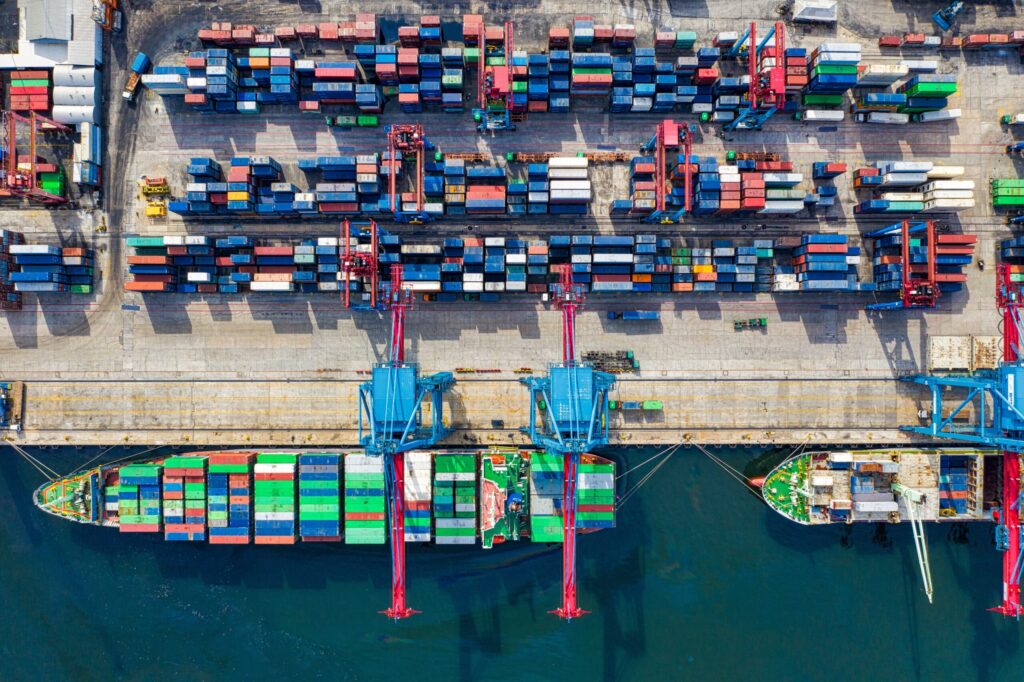
Using FCL enhances predictability because your container isn’t mixed with other cargo. Moreover, carriers prioritize FCL for route scheduling and equipment allocation, leading to fewer unexpected delays. For high-value electronics, this stability is crucial to meet retail deadlines or production schedules.
Long-tail keywords: stable shipping schedules, equipment availability, retail distribution logistics, electronics supply chain resilience.
8. What ports handle the majority of electronics imports in the Netherlands?
The Netherlands serves as a European logistics hub, particularly for electronics distributed across the EU. Rotterdam and Amsterdam are leading ports with advanced customs facilities and warehousing options.
Main Port Overview
| Port | Role | Advantages |
|---|---|---|
| Rotterdam | Main seaport | Largest in Europe; high automation |
| Amsterdam | Air-sea combined logistics | Strong for small electronics imports |
| Moerdijk | Secondary terminal | Ideal for regional distribution |
| Venlo (Rail Terminal) | Inland hub | Direct connection from China via rail |
Semantic keywords: Rotterdam logistics hub, Dutch import network, EU gateway ports, multimodal distribution Netherlands.
9. How can importers optimize FCL booking for electronics shipments?
Booking optimization ensures you secure the best rates and schedule reliability. Moreover, early reservations prevent last-minute space shortages during peak season.
Booking Tips:
- Book containers 3–4 weeks in advance
- Avoid peak shipping periods (Sept–Dec)
- Confirm accurate cargo dimensions and weight
- Compare carrier options and transit routes
- Maintain communication with your freight forwarder
Long-tail keywords: booking strategy, space allocation, logistics planning, shipment scheduling, container booking efficiency.
10. What are the customs duties and VAT for electronics imports in the Netherlands?
Electronics imported from China to the Netherlands are subject to EU customs regulations. Duties vary by product classification under the HS code system, while VAT (21%) applies upon import entry.
Import Duty Example
| Product Type | HS Code | Duty Rate | VAT |
|---|---|---|---|
| Mobile Phones | 8517.12 | 0% | 21% |
| Laptops & Computers | 8471.30 | 0% | 21% |
| LED Displays | 8531.20 | 3% | 21% |
| Audio Equipment | 8518.22 | 4% | 21% |
| Gaming Consoles | 9504.50 | 2% | 21% |
Semantic keywords: EU import tariff, HS code classification, Netherlands customs policy, VAT calculation, trade compliance.
Conclusion
Successful FCL shipping for electronics from China to Netherlands relies on proactive logistics management, accurate documentation, and optimized routing. Moreover, partnering with experienced freight forwarders ensures compliance, real-time visibility, and cost-efficient solutions. By planning ahead, maintaining communication, and leveraging reliable carriers, importers can achieve faster deliveries, reduced risks, and sustainable supply chain growth between China and the Netherlands.
FAQ
1. How long does FCL shipping from China to the Netherlands take?
Transit times typically range from 25 to 35 days depending on origin port, vessel schedule, and carrier routing.
2. Is FCL shipping better than LCL for electronics?
Yes. FCL reduces handling risks, ensures better security, and offers lower per-unit costs for high-value or bulk electronics shipments.
3. What documents are essential for customs clearance?
You’ll need a bill of lading, commercial invoice, packing list, certificate of origin, and CE certification for EU compliance.
4. Can electronics be shipped via rail freight to the Netherlands?
Yes. Rail freight offers faster delivery than sea freight and connects directly to inland hubs such as Venlo.
5. How can I reduce shipping costs for electronics imports?
Book early, consolidate shipments, compare carrier rates, and negotiate long-term contracts for consistent volume discounts.