

- By kelly
- December 5, 2025
- Logistics Guide
Open Top FCL Transit Time for Auto Parts from China to Houston (Full Guide)
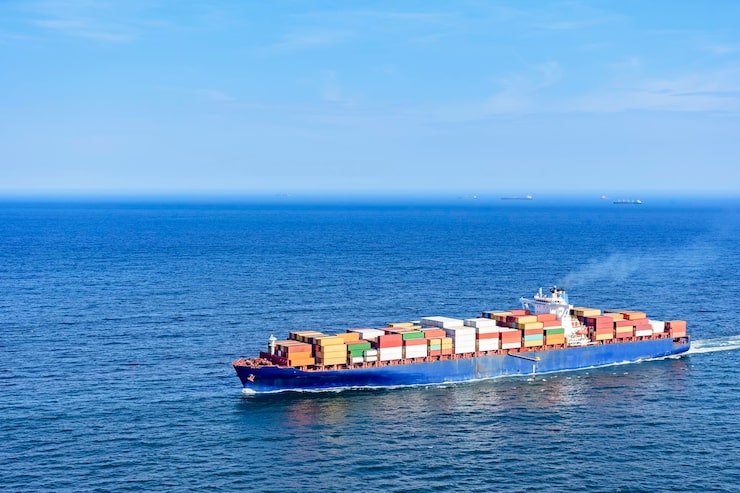
Importers shipping high-value components need clarity on the Open Top FCL transit time for auto parts from China to Houston, especially when handling oversized, heavy, or irregular-shaped cargo. Since timely delivery affects supply-chain stability, production schedules, and inventory planning, understanding actual transit durations, routing choices, and customs workflows becomes essential for logistics success.
1. What Is the Typical Open Top FCL Transit Time for Auto Parts from China to Houston?
The average Open Top FCL transit time for auto parts from China to Houston ranges from 25 to 38 days, depending on carrier schedules, port conditions, and transshipment routes. Auto parts often require secure top-loading, which may add 1–3 days of handling time before vessel departure.
Table 1: Typical Transit Time by Origin Port
| China Port | Estimated Transit Time (Days) | Notes |
|---|---|---|
| Shanghai → Houston | 28–35 days | Stable carrier frequency |
| Ningbo → Houston | 29–36 days | High auto-parts export volume |
| Shenzhen (Yantian) → Houston | 25–33 days | Often fastest connection |
| Qingdao → Houston | 30–38 days | Longer due to routing via South China Sea |
Because Open Top containers accommodate oversized engine blocks, suspensions, and metal frames, specialized stacking requirements may influence cut-off times.
2. Why Choose an Open Top FCL for Auto Parts?
Oversized, tall, or irregular machinery components cannot fit inside standard containers. Moreover, many automotive parts ship on engineered pallets or require crane lifting, which makes Open Top FCL the most suitable solution.
Key Benefits:
- Handles non-stackable or oversized parts
- Allows crane lifting from top instead of forklift-only loading
- Reduces damage risk for fragile mechanical assemblies
- Ideal for engines, transmissions, exhaust pipes, truck frames
However, Open Top space is more limited than standard 20GP or 40HQ units; therefore, early booking improves transit predictability.
3. How Do Routing Choices Affect Open Top FCL Transit Time to Houston?

Routing patterns can accelerate or slow down overall sailing schedules. Additionally, auto-parts exporters often select carriers with reliable transshipment hubs to reduce delays.
Table 2: Common Route Structures
| Route Type | Example Path | Transit Speed |
|---|---|---|
| Direct (Fastest) | Shenzhen → Los Angeles → Houston | Fastest unloading and rail transfer |
| Pacific + Mexico Hub | Ningbo → Manzanillo → Houston | Moderate, affected by local congestion |
| Transshipment via Busan | Shanghai → Busan → Houston | Stable but slightly longer |
| Transshipment via Singapore | Qingdao → Singapore → U.S. Gulf | Slowest but flexible |
Selecting optimized routes reduces uncertainty and improves production scheduling for automotive plants.
4. What Factors Cause Transit Time Variability for Open Top Containers?
Although carriers provide published schedules, real transit time fluctuates because Open Top FCLs require specialized handling. Furthermore, auto-parts shipments encounter seasonality.
Main factors include:
- Port congestion at both origin and destination
- Weather delays during Pacific storms
- Equipment shortages of Open Top units
- Crane loading requirements, which extend cut-off times
- Customs documentation issues, especially for mechanical parts
- Peak-season carrier overbooking
Because Open Top equipment is limited, early reservations significantly minimize delays.
5. What Customs Documents Are Required for Auto Parts?
Proper documentation speeds up transit and prevents costly customs examinations.
Table 3: Customs Document Checklist
| Document | Required? | Purpose |
|---|---|---|
| Commercial Invoice | Yes | Declares value and product details |
| Packing List | Yes | Lists dimensions and weight of auto parts |
| Bill of Lading | Yes | Proof of shipment and release |
| Certificate of Origin | Often | Used for tariff exemptions |
| Importer Security Filing (ISF) | Yes | Must be filed before loading |
| Auto Parts Compliance Certificates | Case-by-case | Required for regulated components |
Because auto parts may fall under additional regulatory categories (e.g., airbags, electronics), compliance documents prevent customs holds and reduce transit delays.
6. How Does Open Top FCL Compare to Other Shipping Methods for Auto Parts?
Auto-parts importers often evaluate whether faster alternatives like air freight or traditional FCL containers offer better value. However, oversized parts typically require Open Top FCL.
Table 4: Shipping Method Comparison
| Method | Transit Time | Cost Level | Pros | Cons |
|---|---|---|---|---|
| Open Top FCL | 25–38 days | Medium | Ideal for oversized cargo; crane loading | Limited availability |
| Standard 40HQ FCL | 22–30 days | Low | Cheapest option | Not suitable for tall items |
| Air Freight | 2–7 days | Very High | Fastest delivery | Extremely costly for heavy parts |
Therefore, Open Top FCL strikes the best balance between cost, capability, and cargo flexibility.

7. How Do Shipping Costs Influence Transit Time Planning?
Although transit duration depends on vessel schedules, cost management plays a major role in deciding departure date, routing, and container type.
Cost components include:
- Base sea freight
- Open Top container handling surcharge
- Terminal handling charges
- Documentation fees
- Customs broker fees
- Inland delivery to Houston warehouses
Because auto-parts demand fluctuates seasonally, planning shipments during off-peak months helps stabilize both cost and transit time.
8. What Strategies Help Reduce Delays for Open Top Containers?
While physical size makes auto-parts more difficult to load, several supply-chain strategies can streamline processing.
Effective Delay-Reduction Tactics:
- Book Open Top units 3–4 weeks ahead of departure
- Pre-submit ISF and customs files
- Use reinforced pallets and secure metal strapping
- Work with carriers experienced in oversized machinery transport
- Choose ports with lower peak-season congestion
Additionally, digital shipment visibility tools help importers anticipate schedule changes.
9. How Does Tracking Work for Open Top FCL Shipments?
Tracking accuracy matters because automotive supply chains operate on strict timelines.
Importers typically track using:
- Container number
- Bill of lading
- Vessel name and voyage number
- Carrier online tracking portals
Real-time visibility enables better warehouse planning and production scheduling.
10. What Are the Main Risks When Shipping Auto Parts in an Open Top FCL?
Despite strong reliability, Open Top shipments face unique risks:
- Weather exposure if tarpaulin is damaged
- Misalignment during crane loading
- Port congestion and peak-season delay
- Equipment shortages for Open Top containers
- Customs inspections for mechanical or electronic parts
Nevertheless, professional forwarders minimize risk through reinforced coverings, proper documentation, and optimized routing.
11. What Are the Advantages of Shipping Auto Parts via Open Top FCL?
Open Top is the preferred choice for many automotive manufacturers and aftermarket distributors.
Key advantages include:
- Accommodates tall or oversized parts
- Allows safer crane loading
- Supports heavy, bulky mechanical assemblies
- Reduces damage potential
- Ideal for industrial-grade shipments
Because automotive parts differ widely in shape and size, Open Top FCL offers unmatched flexibility.
📦Get a Free Quote
If you need expert guidance on planning the Open Top FCL transit time for auto parts from China to Houston, our logistics team provides optimized routing, reliable container booking, and end-to-end visibility. Reach out today for a tailored quote and ensure your auto-parts supply chain runs smoothly and efficiently.
❓ Frequently Asked Questions
1. How long does an Open Top FCL shipment of auto parts take from China to Houston?
Transit generally takes 25–38 days, depending on origin port, routing, vessel schedules, and handling time for oversized auto parts.
2. Why choose an Open Top container for auto parts?
Open Top containers allow crane loading and accommodate tall or bulky auto parts that cannot fit inside standard enclosed FCL units.
3. What documents are required for shipping auto parts to Houston?
You need a commercial invoice, packing list, bill of lading, ISF filing, and compliance certificates for any regulated components.
4. Are Open Top containers more expensive than standard FCL?
Yes, they include special-handling surcharges, but they are necessary for oversized auto parts requiring top loading and crane support.
5. How can I avoid delays in Open Top shipments?
Book early, prepare documents in advance, work with experienced carriers, and use reinforced packaging to speed up loading and customs clearance.
Conclusion
Understanding the Open Top FCL transit time for auto parts from China to Houston helps importers plan production schedules, manage inventory, and avoid delays. Although transit typically takes 25–38 days, factors such as routing, equipment availability, and customs documentation can influence the timeline. By choosing the right carrier, booking early, and maintaining complete documentation, importers ensure smoother logistics operations and more reliable deliveries. When your shipment involves oversized or heavy auto parts, Open Top FCL remains the most flexible and cost-effective solution.