

- By carlie tj
- December 8, 2025
- Logistics Guide
When shipping auto parts internationally, understanding the 20GP FCL sailing schedule for auto parts from China to Belgium can make all the difference in optimizing your logistics strategy. This comprehensive guide from ChinaTopFreight explains the routes, transit times, container options, and essential planning tips for ensuring reliable sea freight from China to Belgium.
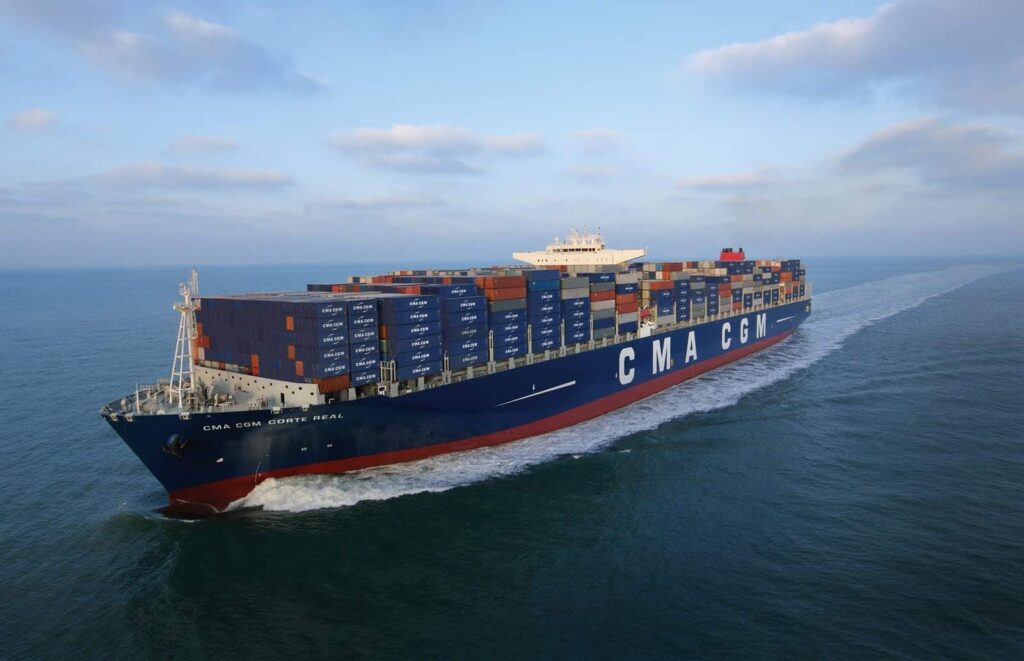
1. What Is a 20GP FCL and Why Is It Ideal for Auto Parts?
A 20GP (20-foot general-purpose) Full Container Load (FCL) is one of the most popular container sizes used in global shipping. For auto parts exporters, it provides:
- Secure loading for heavy or irregularly shaped components.
- Cost-efficient transport for medium-volume shipments.
- Simplified customs clearance under a single consignee.
Auto parts such as engines, transmissions, or chassis parts often require dry, stable conditions, making the 20GP container ideal for protection and space efficiency.
2. How Does the 20GP FCL Sailing Schedule Work Between China and Belgium?
Sailing schedules from China to Belgium are typically published weekly by major carriers. These schedules outline vessel departure dates, transit durations, and estimated arrivals at ports like Antwerp or Zeebrugge.
Most routes operate on fixed weekly services. Therefore, early booking helps you avoid space shortages—especially during the peak shipping seasons of March–May and September–December.
3. Which Chinese Ports Offer 20GP FCL Services to Belgium?
Multiple Chinese ports provide direct and transshipment routes to Belgium. Below is a detailed table comparing major ports:
Table 1: Major Ports for 20GP FCL Shipping from China to Belgium
| Origin Port | Transit Time (Days) | Route Type | Shipping Line | Typical Frequency |
|---|---|---|---|---|
| Shanghai | 32–36 | Direct | COSCO, MSC | Weekly |
| Ningbo | 33–38 | Transship | Maersk, Hapag-Lloyd | Weekly |
| Shenzhen | 34–39 | Transship | ONE, CMA CGM | Weekly |
| Qingdao | 36–41 | Transship | Evergreen, OOCL | Weekly |
| Tianjin | 38–42 | Transship | Yang Ming, MSC | Weekly |
4. What Are the Transit Times for 20GP FCL Shipments from China to Belgium?
Transit times depend on routing, shipping line, and port congestion. A typical voyage from Shanghai to Antwerp takes around 34 days. With transshipment, expect 3–5 extra days.
For time-sensitive auto parts, always verify ETD (Estimated Time of Departure) and ETA (Estimated Time of Arrival) with your forwarder.
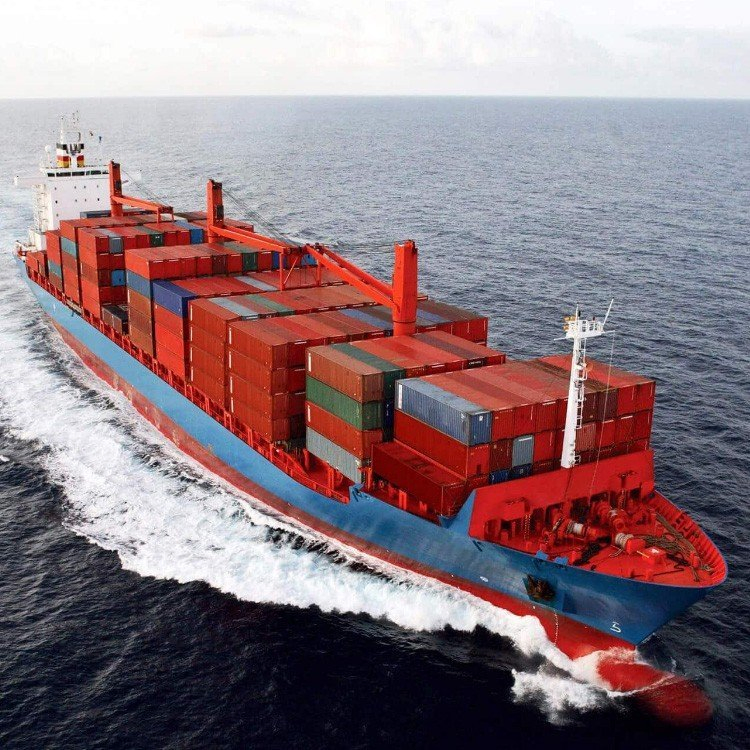
5. How Much Does It Cost to Ship Auto Parts in a 20GP FCL?
Freight rates for a 20GP FCL from China to Belgium fluctuate monthly based on fuel costs, season, and demand.
Table 2: Average 20GP FCL Freight Cost for Auto Parts (2025 Estimates)
| Origin Port | Destination | Avg. Cost (USD/Container) | Notes |
|---|---|---|---|
| Shanghai | Antwerp | $1,200–$1,500 | Fastest route |
| Ningbo | Antwerp | $1,250–$1,600 | Popular for East China factories |
| Shenzhen | Zeebrugge | $1,300–$1,700 | Ideal for South China shipments |
| Qingdao | Antwerp | $1,350–$1,750 | Slightly longer transit |
| Tianjin | Antwerp | $1,400–$1,800 | Longest transit time |
Rates may rise during high seasons or drop when capacity increases. For updated quotes, contact freight forwarders early.
6. What Documents Are Required for Auto Parts FCL Shipments?
Auto parts often include mixed commodities such as metal components, rubber, and electrical parts, each requiring accurate documentation.
Essential paperwork includes:
- Commercial Invoice & Packing List
- Bill of Lading (B/L)
- Certificate of Origin
- HS Code Declaration
- Import License (if applicable)
- Insurance Certificate
Properly completing documents helps prevent customs delays and ensures compliance with both Chinese export and Belgian import standards.
7. How to Choose the Right Shipping Line for China–Belgium Routes?
Selecting the right carrier depends on transit time, cost, and service reliability. Carriers like MSC, Maersk, CMA CGM, and COSCO dominate China–Europe routes.
Key factors when choosing a line:
- Availability of weekly sailings
- Low transshipment risks
- Clear digital tracking options
- Consistent on-time performance
8. What Are the Alternatives to 20GP FCL for Auto Parts Shipping?
| Method | Description | Pros | Cons |
|---|---|---|---|
| 40GP FCL | Larger container | Cost-effective for bulk shipments | Higher total cost |
| LCL | Shared container | Lower initial cost | Longer handling times |
| Air Freight | Fast delivery | Ideal for urgent parts | Expensive for heavy cargo |
| Rail Freight (via China–Europe Express) | Balanced option | Shorter transit time (18–22 days) | Limited schedules |
For most exporters, 20GP FCL offers the best balance of cost, safety, and convenience for regular auto parts supply chains.
9. How to Track and Manage the 20GP FCL Sailing Schedule Efficiently?
Freight forwarders offer digital tracking platforms for live updates. With integrated systems, you can monitor:
- Vessel name and voyage number
- Departure and arrival dates
- Port delays or diversions
- Customs status updates
Tracking improves supply chain transparency, allowing timely coordination with local distributors in Belgium.
10.Conclusion
Understanding the 20GP FCL sailing schedule for auto parts from China to Belgium is key to building a resilient supply chain. By choosing reliable ports, planning shipments strategically, and partnering with experienced forwarders like ChinaTopFreight, you can minimize delays, control costs, and ensure smooth customs clearance. Effective logistics planning today secures faster and safer deliveries tomorrow.
Request a Quote
China Top Freight offers:
- ✅ Origin and Destination Countries
- ✅ Cargo Type and Volume
- ✅ Preferred Transport Method (Air, Sea, Rail, Road)
- ✅ Delivery Timeline
- ✅ Special Handling Requirements (if any)
FAQ
1. What is the typical sailing time for 20GP FCL from China to Belgium?
It usually takes 32–38 days depending on the port of origin, carrier, and seasonal congestion at Antwerp or Zeebrugge.
2. How often do vessels depart from China to Belgium?
Major carriers operate weekly sailings, ensuring regular departure schedules for exporters shipping auto parts.
3. Which port in Belgium is best for auto parts imports?
The Port of Antwerp is most preferred due to its advanced customs systems and proximity to EU automotive hubs.
4. What is the maximum cargo weight for a 20GP container?
A 20GP container typically holds up to 28,000 kg gross weight, ideal for heavy machinery or auto components.
5. Can I track my 20GP FCL shipment online?
Yes, you can track it using your Bill of Lading or container number through the shipping line’s official tracking portal.