

Navigating the 40HQ FCL Container Shortage: Your Solution for Electronics from China to Norway
The global supply chain continues to face unprecedented challenges, particularly the persistent 40HQ FCL container shortage impacting electronics shipments. For businesses importing valuable electronic goods from China to Norway, securing reliable freight solutions is paramount. This article explores comprehensive strategies to navigate these complexities, ensuring your cargo arrives efficiently and cost-effectively.
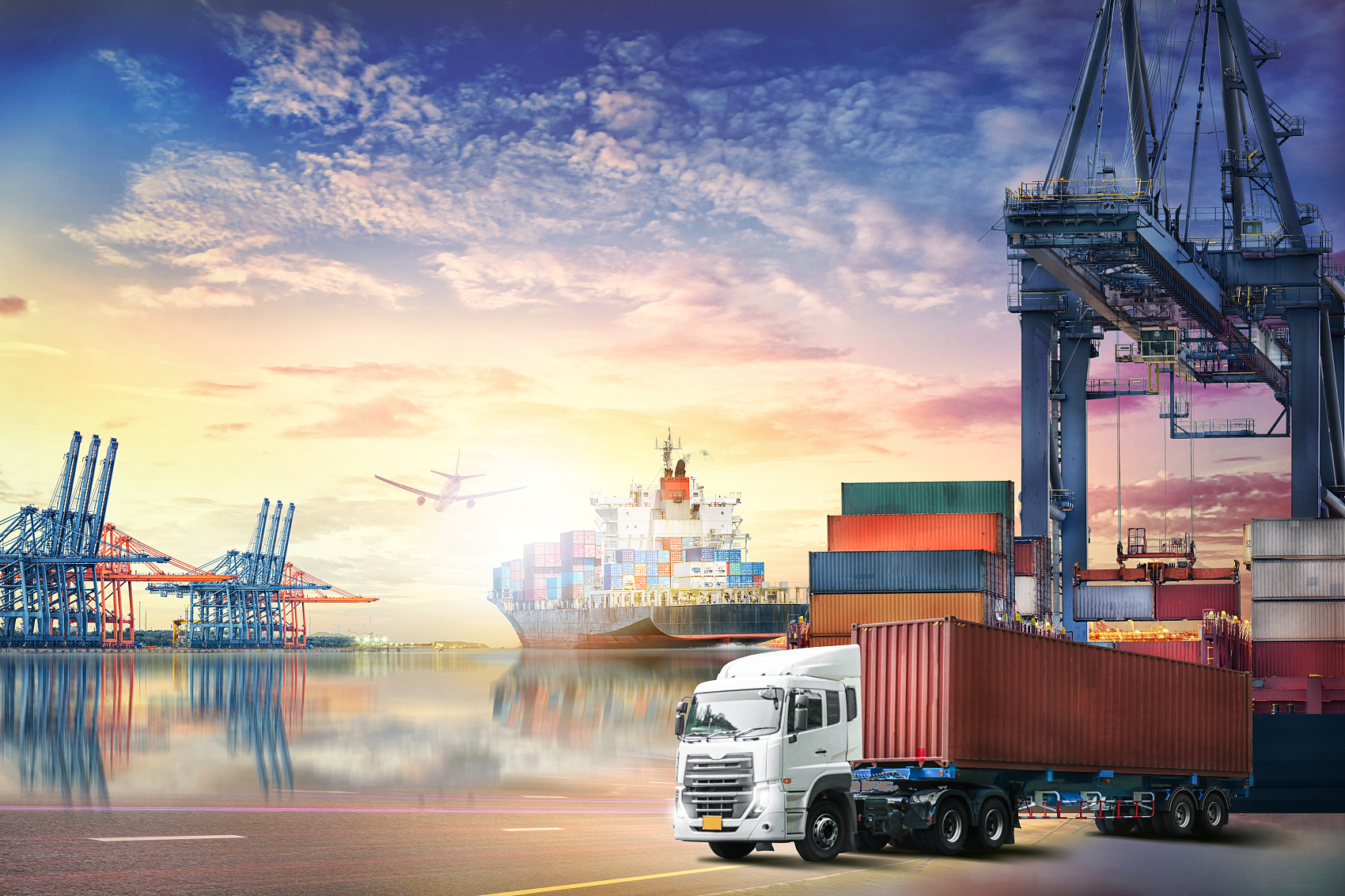
Why is the 40HQ FCL Container Shortage Persisting for Electronics from China to Norway?
The demand for 40HQ FCL containers has surged globally, driven by increased e-commerce and manufacturing output, especially for electronics. This imbalance between container availability and cargo volume creates significant bottlenecks in supply chains. Moreover, port congestion and labor shortages further exacerbate the problem, leading to extended transit times and higher shipping costs.
Consequently, businesses importing electronics from China to Norway face unpredictable delays and escalating freight rates. Understanding these underlying causes is the first step towards developing robust shipping strategies. Without proactive measures, the impact on delivery schedules and profitability can be substantial for companies relying on timely imports.
What are the Immediate Strategies to Overcome 40HQ FCL Shortages?
Securing 40HQ FCL containers requires strategic booking and flexibility in your shipping approach. Therefore, booking well in advance, often 4-6 weeks ahead of the estimated departure, becomes critical. Building strong relationships with reliable freight forwarders can also provide preferential access to limited container space.
Furthermore, consider being flexible with departure ports and carriers. Sometimes, utilizing less congested ports in China or exploring alternative carriers can significantly improve your chances of securing a container. This adaptability is crucial for maintaining a consistent supply of electronics.
How Can FCL Consolidation and LCL Options Help Your Electronics Shipments?
When a full 40HQ FCL container is not immediately available or your cargo volume doesn’t quite fill one, FCL consolidation or Less than Container Load (LCL) shipping offers viable solutions. LCL allows multiple shippers to share space within a single container. This significantly reduces per-unit shipping costs for smaller consignments of electronics.
However, LCL shipments typically involve more handling and potentially longer transit times due to consolidation and deconsolidation processes. Alternatively, buyer’s consolidation services can combine goods from various suppliers into one FCL container, optimizing space and streamlining customs clearance. This strategy is particularly effective for managing diverse electronics components.
| Feature | FCL (Full Container Load) | LCL (Less than Container Load) |
|---|---|---|
| Container Usage | Exclusive use of 40HQ FCL container | Shared space with other shippers |
| Cost Efficiency | Lower per-unit cost for large volumes | Higher per-unit cost for small volumes |
| Transit Time | Generally faster, direct routing | Slower due to consolidation/deconsolidation |
| Handling | Less handling, reduced damage risk | More handling, higher damage risk |
| Flexibility | Less flexible for small shipments | Ideal for smaller, frequent shipments |
| Customs Clearance | Simpler, single bill of lading | More complex, multiple bills of lading |
Exploring Alternative Shipping Routes and Modes from China to Norway
Beyond traditional sea freight, diversifying your shipping strategy with alternative routes and modes can mitigate the impact of the 40HQ FCL container shortage. Rail freight, for instance, offers a faster transit time than sea freight and is often more cost-effective than air freight. The China-Europe railway network connects major Chinese cities to Europe, including Norway via intermodal solutions.
Moreover, for urgent or high-value electronics, air freight remains the fastest option, albeit at a higher cost. Multimodal solutions, combining rail and sea or air and sea, can also provide a balanced approach to speed and cost. Evaluating these options based on urgency, value, and budget is essential for optimizing your supply chain for electronics from China to Norway.
| Shipping Mode | Typical Transit Time (China-Norway) | Cost (Relative) | Pros | Cons |
|---|---|---|---|---|
| Sea Freight (FCL) | 30-45 days | Low | Cost-effective for bulk, large capacity | Slow, prone to port congestion |
| Sea Freight (LCL) | 35-50 days | Medium-Low | Good for smaller volumes, lower cost than air | Slower than FCL, more handling |
| Rail Freight | 18-25 days | Medium | Faster than sea, more eco-friendly than air | Limited capacity, specific routes |
| Air Freight | 5-10 days | High | Fastest, ideal for urgent/high-value electronics | Most expensive, lower capacity, carbon footprint |
What are the Key Considerations for Shipping Electronics Safely?
Shipping sensitive electronics from China to Norway demands meticulous attention to packaging, handling, and insurance. Proper anti-static packaging is crucial to prevent electrostatic discharge damage. Furthermore, robust shock-absorbing materials and secure crating are necessary to protect components from physical impact during transit.
Therefore, partnering with logistics providers experienced in handling high-tech cargo is paramount. Additionally, comprehensive cargo insurance is not just an option but a necessity for high-value electronics. This ensures financial protection against loss, damage, or theft throughout the entire shipping journey, from origin to destination.

Navigating Customs and Regulations for Electronics Import to Norway
Importing electronics into Norway involves navigating specific customs regulations, duties, and VAT. Accurate classification of goods using Harmonized System (HS) codes is fundamental to determine correct import duties. Furthermore, compliance with Norwegian technical standards and environmental regulations, such as the WEEE directive for electronic waste, is mandatory.
Therefore, preparing all necessary documentation, including commercial invoices, packing lists, certificates of origin, and any required product certifications, is vital for smooth customs clearance. A knowledgeable freight forwarder can assist in ensuring all paperwork is correct and submitted promptly, preventing costly delays for your electronics shipments.
| Document Type | Purpose | Key Information |
|---|---|---|
| Commercial Invoice | Details of transaction, value, seller/buyer | HS codes, Incoterms, currency |
| Packing List | Contents of each package | Dimensions, weight, quantity, marks |
| Bill of Lading (B/L) / Air Waybill (AWB) | Contract of carriage, title to goods | Carrier details, consignee, cargo description |
| Certificate of Origin | Country where goods were manufactured | Confirms origin for preferential tariffs |
| Import License/Permits (if applicable) | Authorization for restricted goods | Specific to certain types of electronics or components |
| WEEE Compliance Documentation | Proof of compliance with electronic waste regulations | Manufacturer registration, recycling plan |
How Does a Professional Freight Forwarder Optimize Your Supply Chain for Electronics?
A professional freight forwarder, like China Top Freight, acts as an indispensable partner in navigating the complexities of international shipping, especially during a 40HQ FCL container shortage. They leverage extensive networks and industry expertise to secure container space and negotiate competitive rates. Moreover, they provide end-to-end logistics solutions, from factory pickup in China to final delivery in Norway.
Furthermore, a forwarder offers invaluable insights into customs procedures, compliance requirements, and optimal routing for your electronics cargo. Their proactive communication and problem-solving capabilities are crucial for mitigating risks and ensuring a seamless supply chain. This partnership allows you to focus on your core business while your logistics are expertly managed.

What are the Cost Implications and How Can You Manage Them?
The 40HQ FCL container shortage has led to significant fluctuations in freight rates and the introduction of various surcharges. Understanding the total landed cost of your electronics is crucial for accurate pricing and profitability. Factors like base freight rates, bunker adjustment factors (BAF), currency adjustment factors (CAF), port congestion surcharges, and detention/demurrage fees can add up quickly.
Therefore, working with a transparent forwarder who provides detailed cost breakdowns is essential. Exploring long-term contracts, consolidating shipments, and utilizing alternative shipping modes can help manage and potentially reduce overall shipping costs. Proactive budgeting and cost analysis are key to navigating these financial complexities for your China to Norway electronics shipments.
Future-Proofing Your Logistics: Long-Term Solutions for China-Norway Trade
To build a resilient supply chain for electronics from China to Norway, businesses must adopt long-term strategies beyond immediate solutions. Diversifying supplier bases and manufacturing locations can reduce reliance on a single region. Moreover, investing in digital freight platforms can provide greater visibility and control over your shipments, enabling better planning and response to disruptions.
Furthermore, establishing strategic partnerships with multiple logistics providers ensures flexibility and backup options during unforeseen events. Regular review of logistics trends and adapting to new technologies, such as IoT tracking and AI-driven route optimization, will be vital for sustainable and efficient electronics import operations. This forward-thinking approach is critical for navigating future market volatility.
Secure Your Electronics Shipments with Expert 40HQ FCL Container Shortage Solutions
Successfully navigating the 40HQ FCL container shortage for electronics from China to Norway demands proactive planning, flexible strategies, and a reliable logistics partner. By understanding the market dynamics and leveraging expert services, businesses can overcome current challenges and build a resilient supply chain. Partner with China Top Freight to secure your critical shipments and maintain business continuity.
Implementing a multi-faceted approach, including FCL consolidation, exploring alternative modes like rail, and ensuring meticulous customs compliance, will safeguard your valuable electronics cargo. Let our expertise provide the 40HQ FCL container shortage solution you need for seamless trade between China and Norway.
Ready to streamline your logistics?
Don’t let the 40HQ FCL container shortage disrupt your electronics supply chain from China to Norway. Contact China Top Freight today for tailored logistics solutions, competitive rates, and expert guidance to ensure your cargo arrives on time and within budget.
Request Quote