

Navigating Shipping Requirements for Food Products from China to UK: A Comprehensive Guide
Importing food products from China to the UK involves navigating a complex web of regulations and logistical challenges. Ensuring compliance with health, safety, and customs requirements is paramount to avoid costly delays and rejections. This guide from https://chinatopfreight.com/ provides clarity on the essential **shipping requirements for food products from China to UK**, helping you streamline your import process.

1. What Are the Primary Regulatory Bodies for Food Imports to the UK?
UK food safety standards are stringent, so understanding the roles of key regulatory bodies is crucial for compliance. HMRC handles customs duties and import VAT. Furthermore, the Food Standards Agency (FSA) and Department for Environment, Food & Rural Affairs (DEFRA) set safety and hygiene standards.
Port Health Authorities conduct physical checks at the border, enforcing these standards. Navigating these entities effectively is a core part of fulfilling **shipping requirements for food products from China to UK**.

2. What Key Documentation is Required for Importing Food from China?
Proper documentation forms the backbone of any successful food import. Missing or incorrect papers can lead to significant delays and penalties at customs. Ensuring all documents are meticulously prepared and submitted minimizes customs clearance issues.
| Document | Purpose | Issuing Authority/Details |
|---|---|---|
| Commercial Invoice | Details of goods, value, seller/buyer, for customs valuation. | Exporter |
| Packing List | Itemized list of contents, weights, dimensions, for customs and inspection. | Exporter |
| Bill of Lading/Air Waybill | Contract of carriage, proof of ownership for sea/air freight. | Carrier |
| Health Certificate | Confirms food safety and compliance with UK standards. Depends on product type. | Chinese Competent Authority |
| Certificate of Origin | Verifies country of manufacture, impacts duties/tariffs. | Chinese Chamber of Commerce |
| Customs Declaration (EORI) | Mandatory for all UK importers, submitted via CDS. | Importer/Agent |

3. How Do UK Food Safety and Labeling Standards Affect Imports?
UK food safety standards are among the highest globally, requiring imported products to meet equivalent levels. This includes strict regulations on additives, contaminants, and pesticide residues. Proper labeling is also non-negotiable for consumer information and traceability.
All food labels must be in English, detailing product name, ingredients, allergens, net quantity, best-before dates, storage conditions, and origin. Non-compliance can result in product recall or rejection at the border, impacting your **food product logistics from China to UK**.
4. What Are the Different Shipping Methods for Food Products from China to UK?
Choosing the right shipping method depends on your budget, urgency, and the nature of the food product. Air freight offers speed, while sea freight provides cost-effectiveness for larger volumes. Rail freight presents a balanced option between the two.
| Method | Transit Time | Cost | Ideal For | Key Consideration |
|---|---|---|---|---|
| Sea Freight (FCL/LCL) | 25-45 days | Low (per kg) | Large volumes, non-perishables | Requires careful cold chain management for perishables. |
| Air Freight | 3-7 days | High (per kg) | Perishables, high-value, small batches | Fastest but most expensive, limited capacity for very large shipments. |
| Rail Freight | 18-25 days | Medium | Mid-sized shipments, less urgent perishables | Offers good balance of speed and cost, growing in popularity for **shipping food products from China to UK**. |
5. How Do Cold Chain Logistics Impact Perishable Food Shipments?
For perishable food products, such as fresh produce or frozen goods, maintaining an unbroken cold chain is critical. This involves specialized refrigerated containers (reefers) and controlled environments throughout transit. Any temperature deviation can lead to spoilage and product loss.
Effective cold chain management ensures product integrity from origin to destination. It requires meticulous planning, monitoring, and coordination with experienced logistics providers. Securing reliable **cold chain shipping for food China UK** is non-negotiable for sensitive items.
6. What are the Customs Clearance Procedures for Food Imports?
Customs clearance is a multi-step process involving declaration, duty and tax payment, and potential inspections. Importers must submit a customs declaration via the UK’s Customs Declaration Service (CDS). An EORI number is mandatory for all businesses importing into the UK.
Port Health Authorities conduct risk-based checks on food imports at Border Control Posts (BCPs). These checks verify documentation, identity, and physical integrity of consignments. Be prepared for potential delays if discrepancies are found during **customs clearance for food imports UK**.
7. What About Import Duties, VAT, and Other Charges?
Import duties and VAT are levied on food products entering the UK. The duty rate depends on the commodity code (HS code) and the product’s origin. VAT is generally charged at 20% on the total value, including duties and shipping costs.
Additionally, importers may incur charges for port handling, storage, customs brokerage, and BCP inspections. Accurate calculation and budgeting for these costs prevent unexpected expenses. Consulting with a freight forwarder helps clarify all potential charges for **shipping costs for food from China to UK**.
8. Why is a Reliable Freight Forwarder Essential for Food Imports?
Partnering with an experienced freight forwarder simplifies the complex process of importing food. They possess expertise in international shipping regulations, customs procedures, and cold chain management. A good forwarder can navigate the intricacies of **HMRC food import procedures**.
A professional forwarder ensures proper documentation, optimizes shipping routes, and manages customs clearance efficiently. This reduces risks, saves time, and ensures your food products arrive safely and compliantly, bolstering your overall **supply chain from China to UK**.
9. Can I Consolidate Different Food Products in One Shipment?
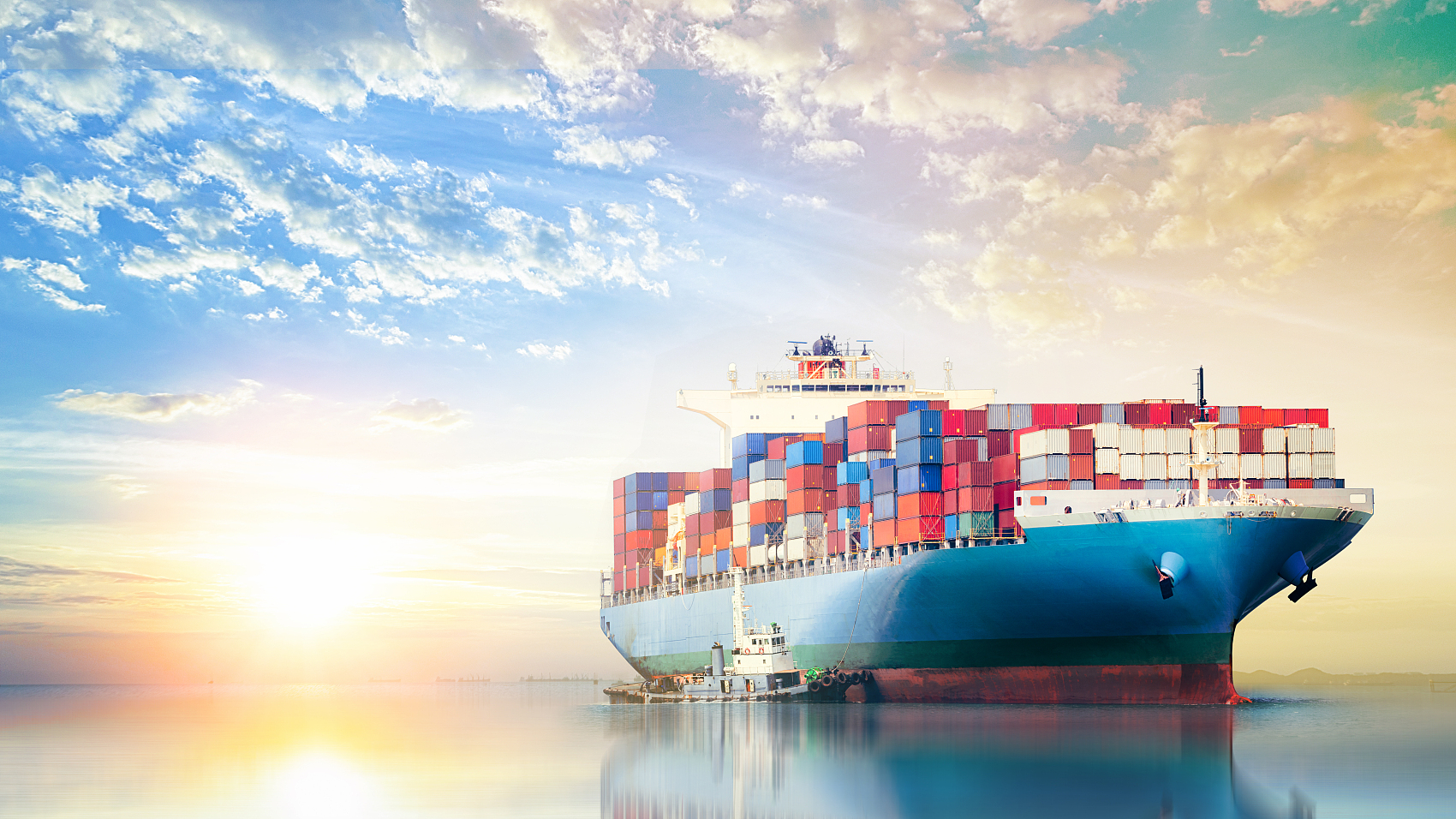
Consolidating different food products is often possible and can be cost-effective, especially for smaller volumes. This is typically done through Less than Container Load (LCL) sea freight or air freight consolidation services. However, all products must meet individual import requirements.
When consolidating, ensure all items have correct labeling and accompanying health certificates. Different product types might have varying temperature requirements, which must be managed carefully within the same container. This strategy optimizes **transit times food cargo China UK**.
10. What Are Common Challenges in Shipping Food from China to UK and How to Mitigate Them?
Common challenges include regulatory changes, documentation errors, customs delays, and maintaining product integrity during transit. Fluctuations in shipping costs and capacity can also impact planning. Proactive planning and robust communication are key mitigation strategies.
Working with knowledgeable partners, thorough pre-shipment checks, and staying updated on UK import regulations are vital. Having contingency plans for unforeseen issues, such as port congestion or unexpected inspections, is essential for successful **importing food from China to UK**.
Conclusion
Successfully importing food products from China to the UK requires a thorough understanding of regulatory frameworks, meticulous documentation, and robust logistics planning. From stringent health and labeling standards to efficient customs clearance and cold chain management, every detail matters.
By partnering with experienced professionals and adhering to these critical **shipping requirements for food products from China to UK**, businesses can ensure a smooth, compliant, and profitable import process. This proactive approach safeguards product quality and avoids costly disruptions.
Need a tailored shipping solution?
Navigating the intricate **shipping requirements for food products from China to UK** demands expertise and precision. Don’t let complex regulations delay your business. Contact China Top Freight today for a personalized quote and expert guidance on your next food product shipment, ensuring compliance and efficiency every step of the way.