

Rail Freight China to Japan: Your Guide to Efficient & Reliable Shipping
Exploring efficient shipping routes from China to Japan is crucial for businesses aiming for speed and cost-effectiveness. While sea and air freight are common, rail freight China to Japan offers a compelling alternative, blending reliability with competitive pricing. This method can significantly streamline your supply chain, providing a balanced solution for various cargo types and delivery schedules.

Why Choose Rail Freight from China to Japan?
Opting for rail freight China to Japan presents a unique blend of advantages, particularly for businesses seeking an optimal balance between speed and cost. This shipping method typically offers faster transit times compared to traditional sea freight, making it ideal for time-sensitive cargo. Moreover, it often proves more economical than air freight, ensuring significant savings without compromising on delivery efficiency.
The environmental benefits of rail transport also make it a sustainable choice for your supply chain. Furthermore, rail freight demonstrates high reliability, with fewer weather-related delays than sea shipping, ensuring predictable delivery schedules. This stability is invaluable for managing inventory and meeting customer expectations.
When considering the logistics trends, rail freight is increasingly becoming a strategic option. It supports multimodal transport solutions, seamlessly integrating with other shipping methods for comprehensive door-to-door services. This flexibility enhances overall operational efficiency and reduces logistical complexities.
Understanding Transit Times and Routes for Rail Freight to Japan
The transit time for rail freight China to Japan can vary, typically ranging from 10 to 20 days, depending on the specific origin and destination within both countries. This includes the rail journey across China and the subsequent sea leg to Japan, as direct rail links do not yet exist. Therefore, it’s a multimodal solution combining overland rail with short-sea shipping.
Key routes often involve rail transport from major Chinese logistics hubs like Chengdu, Chongqing, or Xi’an to coastal ports such as Shanghai or Qingdao. From these ports, cargo is then transferred to vessels for the final leg to Japanese ports like Tokyo, Osaka, or Kobe. Understanding these connections is vital for planning your rail freight schedule China Japan effectively.
| Route Segment | Estimated Duration | Key Considerations |
|---|---|---|
| China Rail Hub to Port | 5-10 days | Inland rail network efficiency, consolidation time |
| Port Transshipment | 1-3 days | Port congestion, vessel availability |
| Sea Leg to Japan | 2-5 days | Vessel speed, weather conditions |
| Japan Port to Final Destination | 1-2 days | Local delivery network, customs clearance Japan |

Factors Influencing Transit Time
Several elements can affect the overall transit time for your rail freight. These include the efficiency of transshipment at ports, customs clearance procedures, and the specific rail network’s speed. Choosing an experienced freight forwarder can help mitigate potential delays and optimize your delivery schedule.
Additionally, seasonal demand and geopolitical factors can occasionally impact shipping lanes and available capacity. Therefore, proactive planning and communication with your logistics partner are essential for smooth operations when shipping by rail to Japan.
What are the Costs Involved in Rail Freight to Japan?
The cost of rail freight China to Japan is influenced by several factors, including cargo volume, weight, type of goods, and the specific origin and destination points. Generally, rail freight presents a more budget-friendly option compared to air freight, offering a competitive edge for larger shipments. Expect pricing to be structured based on container size (e.g., 20ft or 40ft containers) or per cubic meter for Less-than-Container Load (LCL) shipments.
Additional charges may include terminal handling fees, customs duties and taxes in Japan, insurance, and local delivery costs at both ends. It is always advisable to request a detailed quote from a reputable freight forwarder to get an accurate estimate for your specific cargo. They can provide transparency on all associated expenses, ensuring no hidden costs for your rail logistics China Japan.
Understanding these components helps in budgeting and comparing overall shipping costs. Moreover, consolidating multiple shipments can often lead to reduced per-unit costs, making rail freight an even more attractive option for businesses managing diverse supply chains.
Navigating Customs and Documentation for Japan-Bound Rail Freight
Successful rail freight China to Japan relies heavily on accurate and complete customs documentation. Both Chinese export customs and Japanese import customs have specific requirements that must be met to avoid delays and penalties. Proper preparation is paramount for smooth customs clearance rail Japan.
Key documents typically include the Commercial Invoice, Packing List, Bill of Lading (or equivalent for multimodal transport), and a Certificate of Origin. Depending on the nature of your goods, additional licenses, permits, or certifications (e.g., for food products or electronics) might be necessary. Working with an experienced freight forwarder can significantly simplify this complex process, ensuring all paperwork is correctly prepared and submitted.
Timely submission of documentation is crucial for efficient import/export operations. Any discrepancies or missing information can lead to cargo detention, incurring storage fees and disrupting your delivery schedule. Therefore, meticulous attention to detail in customs processes is non-negotiable for reliable rail shipping China to Japan.
| Document Type | Purpose | Issuing Party |
|---|---|---|
| Commercial Invoice | Details of goods, value, seller/buyer | Exporter |
| Packing List | Details of contents, weight, dimensions | Exporter |
| Bill of Lading (B/L) | Contract of carriage, title to goods | Carrier/Freight Forwarder |
| Certificate of Origin | Confirms country of manufacture | Chamber of Commerce/Authorized Body |
| Customs Declaration Form | Formal declaration to customs authorities | Importer/Freight Forwarder |
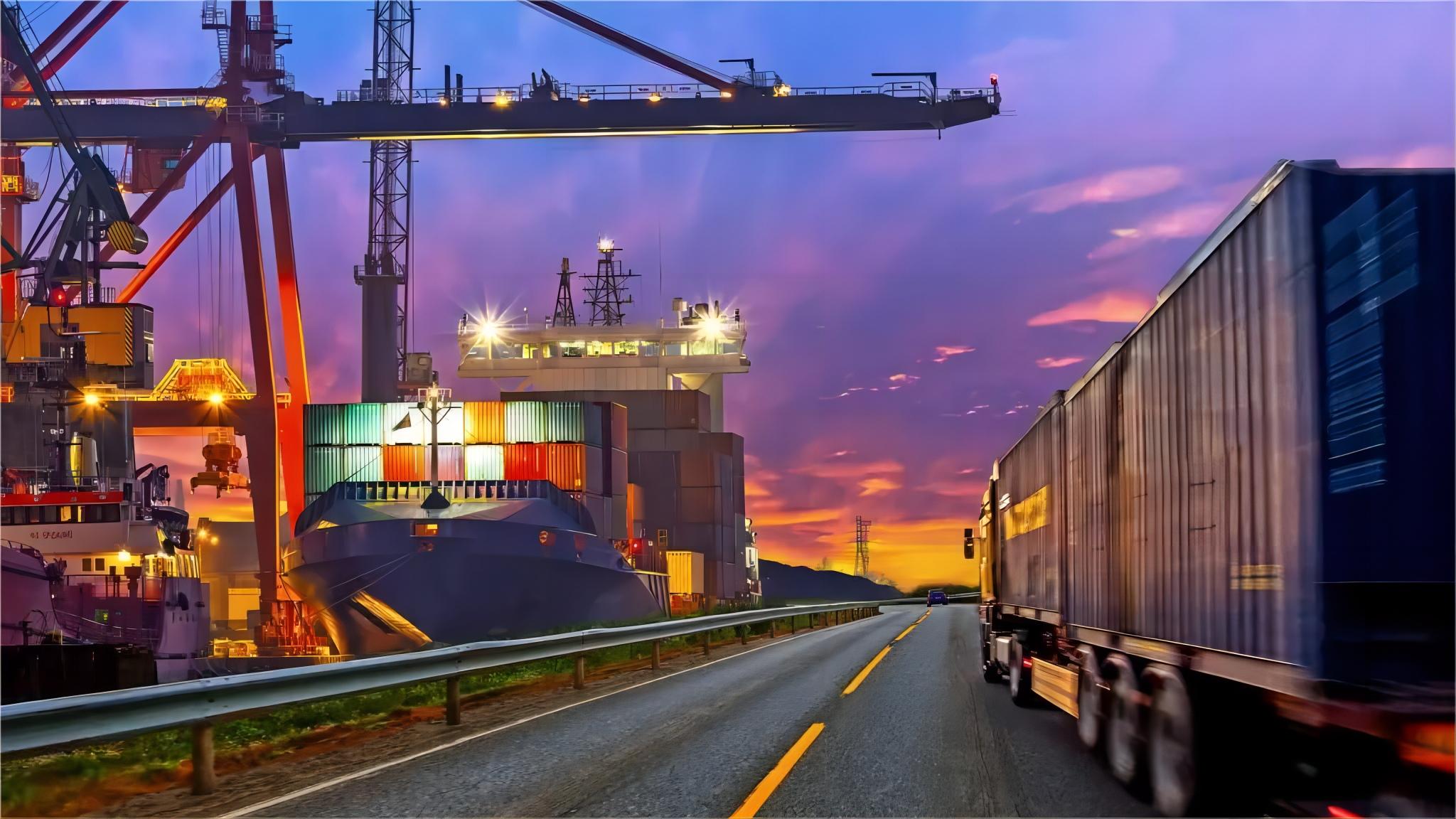
Comparing Rail Freight with Other Shipping Methods to Japan
When evaluating shipping options from China to Japan, it’s essential to compare rail freight against traditional sea and air freight. Each mode offers distinct advantages and disadvantages concerning speed, cost, and capacity. Rail freight typically sits as a middle-ground solution, providing a compelling alternative for many types of cargo.
Air freight is undeniably the fastest but also the most expensive, suitable for urgent, high-value, or perishable goods. Sea freight, on the other hand, is the most cost-effective for large volumes, albeit with the longest transit times. Rail freight, with its multimodal approach, offers a balanced solution, often faster than sea and more affordable than air, making it an eco-friendly shipping China Japan option too.
This comparison helps businesses make informed decisions based on their specific supply chain requirements, budget constraints, and urgency of delivery. Understanding these trade-offs is crucial for optimizing your logistics strategy and ensuring efficient cargo flow to Japan.
| Method | Transit Time (Avg) | Cost (Relative) | Pros | Cons |
|---|---|---|---|---|
| Air Freight | 1-3 days | High | Fastest, high security | Most expensive, capacity limits |
| Rail Freight (Multimodal) | 10-20 days | Medium | Balanced cost/speed, reliable, eco-friendly | Not direct rail, transshipment required |
| Sea Freight | 7-15 days | Low | Most cost-effective for bulk, high capacity | Slowest, weather-dependent |

Embrace Efficient Rail Freight Solutions for Japan-Bound Cargo
In conclusion, rail freight China to Japan presents a robust and increasingly popular option for businesses seeking a blend of efficiency, cost-effectiveness, and reliability. By leveraging multimodal transport, this method bridges the gap between the speed of air freight and the economy of sea freight, offering a balanced solution for diverse shipping needs.
Understanding transit times, managing costs, and navigating customs procedures are key to a successful experience. With the right freight forwarder, your rail freight to Japan can become a strategic advantage, streamlining your supply chain and supporting your business growth. Explore how this sustainable option can benefit your import/export operations.
Ready to streamline your logistics?
Ready to optimize your shipping strategy with reliable rail freight China to Japan services? Contact China Top Freight today for a personalized quote and expert guidance. Our team is here to help you navigate the complexities of international logistics and ensure your cargo reaches Japan efficiently.
Request Quote