

Maximizing Efficiency: FCL Shipping for Electronics from China to Chicago
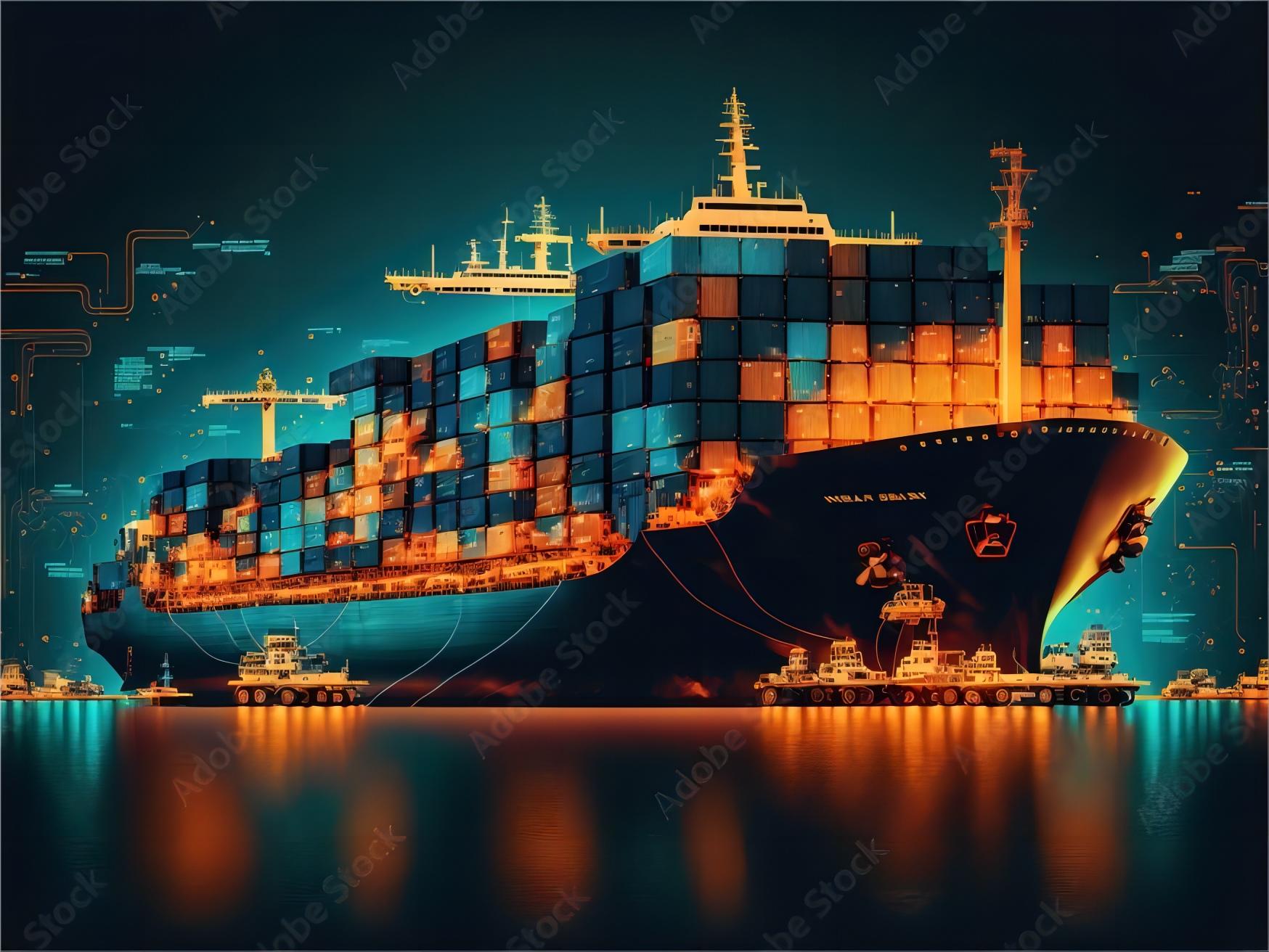
Shipping high-value electronics from China to Chicago demands a precise and secure logistics strategy. Businesses often face challenges in ensuring timely delivery and cargo safety. Full Container Load (FCL) shipping provides an ideal solution for importing these sensitive goods. This guide will explore how FCL shipping for electronics from China to Chicago can enhance your supply chain efficiency.
✦
What is FCL Shipping and Why it’s Best for Electronics?
FCL shipping involves using an entire container exclusively for your cargo, regardless of its volume. This dedicated space offers unparalleled security and control for sensitive electronics. It mitigates damage risks and reduces handling compared to shared containers.
For electronics, FCL ensures your valuable products are protected from contamination or mixing with other goods. This method is particularly beneficial for large volume shipments or high-value items where security is paramount. It provides a direct, uninterrupted journey for your goods.
Key Advantages of FCL Shipping for Electronics from China to Chicago
FCL offers significant benefits, including enhanced security and reduced transit times. With a dedicated container, your electronics face fewer touchpoints, minimizing the risk of damage or theft. This is crucial for maintaining product integrity.
Furthermore, FCL shipments often experience faster transit times because there’s no need for consolidation or deconsolidation with other cargo. This direct route from origin to destination port can greatly improve your delivery schedule. It also allows for predictable delivery dates, essential for supply chain management.
Optimizing Transit Times and Routes for Your Electronics
Efficient FCL shipping for electronics from China to Chicago involves strategic route planning. Key factors include port selection, vessel schedules, and potential transshipment points. Direct routes, though sometimes pricier, often offer the fastest transit.
Working with an experienced freight forwarder is vital to navigate these complexities. They can identify optimal routes, manage carrier bookings, and provide real-time tracking. This ensures your electronics arrive in Chicago efficiently and on schedule, minimizing delays.
Navigating Customs and Regulations for Electronics Import
Importing electronics into the US requires meticulous adherence to customs regulations. This includes accurate classification of goods, proper documentation, and compliance with specific tariffs and safety standards. Electronic products often have unique import requirements.
A professional freight forwarder simplifies this process by preparing necessary paperwork like the Bill of Lading and commercial invoice. They also ensure compliance with agencies like the FCC and EPA where applicable. This expertise is crucial for smooth customs clearance and avoiding costly delays in Chicago.
Understanding FCL Shipping Costs and Container Types for Electronics
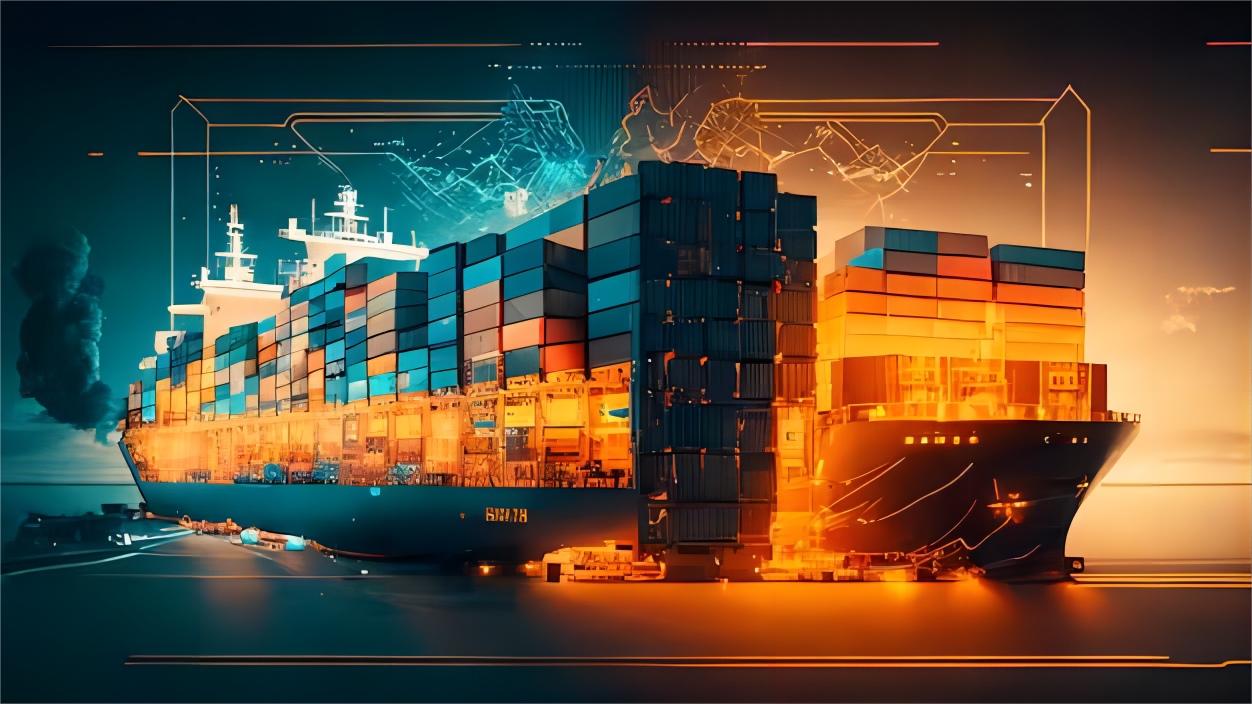
The cost of FCL shipping for electronics from China to Chicago varies based on several factors. These include container size, origin/destination ports, current freight rates, and any additional services like drayage or insurance. Market fluctuations also play a significant role.
For accurate budgeting, consider all-inclusive quotes that cover ocean freight, terminal handling charges, customs duties, and local delivery. Engaging a forwarder helps secure competitive rates and transparent pricing, ensuring no hidden costs impact your electronics shipment.
| Container Type | Typical Capacity (Cartons) | Best Use Case |
|---|---|---|
| 20-foot GP | Up to 1,000 | Smaller, dense electronics shipments |
| 40-foot GP | Up to 2,000 | Standard volume electronics, good balance |
| 40-foot HQ | Up to 2,500 | Larger volume, lighter electronics, maximizing space |

Conclusion
FCL shipping provides a secure, efficient, and cost-effective solution for importing electronics from China to Chicago. By understanding the process, choosing the right partners, and navigating regulations, businesses can significantly enhance their supply chain.
Optimize your FCL shipping for electronics with expert guidance for seamless international trade and reliable delivery to your Chicago destination.