

How to Get the Best Freight Quote China: Your Ultimate Guide
Securing a competitive freight quote from China is crucial for any business importing goods. Navigating the complexities of international shipping can be daunting, however, understanding the key factors involved can simplify the process significantly. This comprehensive guide will equip you with the knowledge to obtain accurate quotes and optimize your shipping strategy with China Top Freight.
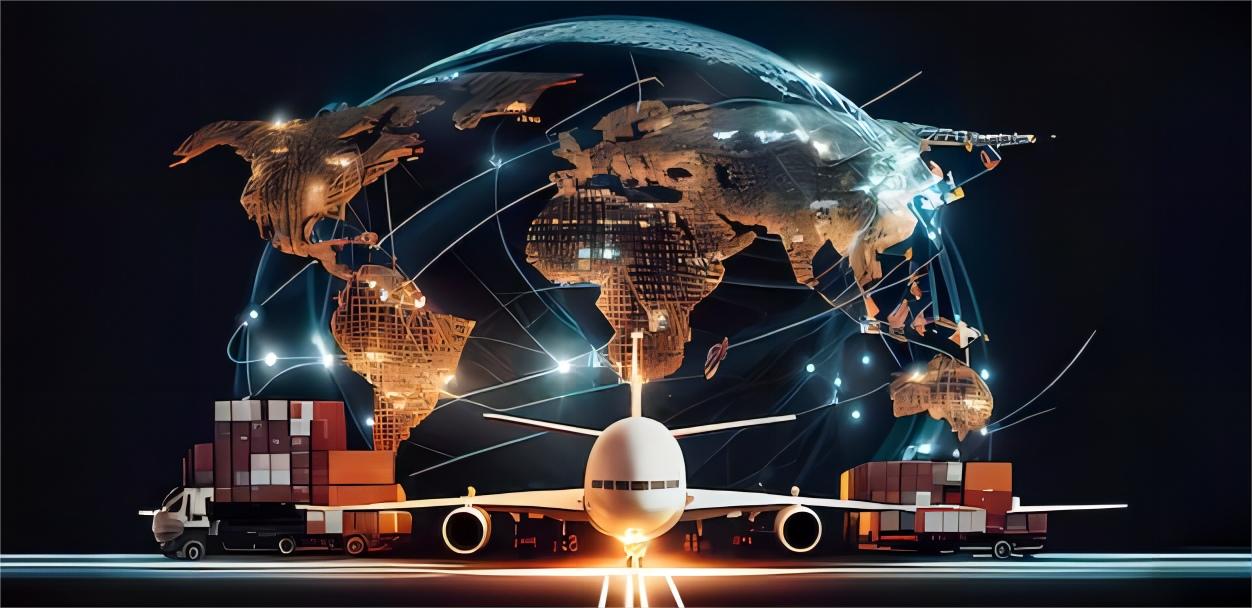
What Factors Influence Your Freight Quote from China?
Many variables contribute to the final cost of a freight quote from China. Understanding these elements allows you to better estimate expenses and negotiate effectively. Therefore, a detailed breakdown of your shipment is essential for an accurate quotation.
Furthermore, market dynamics and global events can significantly impact pricing. Consequently, staying informed about current trends is vital for budget planning and avoiding unexpected costs.
Cargo Type and Dimensions
Firstly, the nature of your cargo directly affects the freight quote. Dangerous goods, oversized items, or temperature-sensitive products require specialized handling and may incur additional charges. Moreover, the weight and volume of your shipment determine whether it is classified as Less than Container Load (LCL) or Full Container Load (FCL), influencing per-unit costs.
Shipping Method (Sea, Air, Rail, Express)
Secondly, your choice of transportation method is a primary cost driver. Sea freight is typically the most economical for large volumes, while air freight offers speed at a higher price point. Alternatively, rail freight provides a balance between cost and speed for shipments to Europe. Express services, conversely, are best for urgent, smaller packages.
Route and Destination
Certainly, the origin port in China and the final destination play a significant role in pricing. Longer distances and less frequented routes often result in higher shipping costs. Additionally, different regions have varying port charges, customs regulations, and local delivery fees that impact the overall freight quote from China.
Incoterms and Services
Indeed, the agreed-upon Incoterms (International Commercial Terms) dictate where responsibility and costs transfer from seller to buyer. Terms like FOB (Free On Board) or EXW (Ex Works) significantly alter what your freight forwarder quotes. Furthermore, additional services such as warehousing, packaging, and cargo insurance will also contribute to the total cost.
Market Conditions and Seasonality
Finally, global supply and demand, fuel prices, and peak seasons can cause significant fluctuations in freight rates. For example, rates often surge before major holidays like Chinese New Year or during the Q4 holiday shopping rush. Therefore, planning ahead and understanding these seasonal patterns is crucial for managing your international shipping costs.
How Does Each Shipping Method Compare for Your China Freight Quote?
Selecting the optimal shipping method requires balancing cost, speed, and cargo requirements. Each option presents unique advantages and limitations. Consequently, a careful evaluation of your specific needs is paramount.
Consider this comparison to help you make an informed decision. Ultimately, the best method for your freight quote from China depends on your priorities and budget.
| Shipping Method | Cost Range (per CBM) | Transit Time (China to EU/NA) | Best For | Limitations |
|---|---|---|---|---|
| Sea Freight (FCL) | $50-150 | 25-45 days | Large volumes, heavy goods, non-urgent | Slow, port congestion risks |
| Sea Freight (LCL) | $80-200 | 30-50 days | Smaller volumes (1-15 CBM), cost-sensitive | Slower than FCL, more handling |
| Air Freight | $4-8 per kg | 3-10 days | Urgent, high-value, perishable goods | High cost, weight/volume restrictions |
| Rail Freight | $150-300 | 18-25 days | Medium urgency, Europe-bound cargo | Limited network, not for all destinations |
| Express Service | $8-15 per kg | 2-5 days | Samples, documents, very urgent small parcels | Highest cost, strict size/weight limits |
Decoding Your Freight Quote China: Understanding the Cost Components
A comprehensive freight quote from China is more than just the main transportation cost. It comprises various charges from origin to destination. Therefore, understanding each component is key to avoiding hidden fees and managing your total landed cost.
Indeed, transparency in pricing is a hallmark of reliable freight forwarders. Consequently, always ask for a detailed breakdown of all charges to ensure clarity.
Origin Charges
These fees cover services at the port of loading in China. They typically include terminal handling charges (THC), documentation fees, customs clearance in China, and local trucking from the factory to the port. Moreover, loading and consolidation fees for LCL shipments are also part of origin charges.
Main Carriage Cost
This is the core cost of transporting your goods from the origin port to the destination port. It varies significantly by shipping method, distance, and current market freight rates. Furthermore, fuel surcharges (Bunker Adjustment Factor – BAF) and currency adjustment factors (CAF) are often added to this component.
Destination Charges
Upon arrival, your shipment incurs destination charges at the port of discharge. These include destination terminal handling charges, customs examination fees, and sometimes demurrage or detention if containers are not cleared promptly. Hence, understanding these potential costs is vital for your overall budget.
Customs Duties and Taxes
Import duties, taxes (like VAT or GST), and other government fees are levied by the destination country’s customs authority. These are calculated based on the Harmonized System (HS) code of your goods and their declared value. Importantly, customs brokerage services can help ensure accurate classification and smooth clearance, preventing costly delays.
What Documents Do You Need for a Smooth China Freight Quote Process?
Proper documentation is indispensable for efficient international shipping and customs clearance. In fact, incomplete or incorrect paperwork can lead to significant delays and penalties. Thus, preparing all necessary documents in advance is a critical step.
Therefore, collaborating closely with your supplier and freight forwarder will help ensure all requirements are met. This proactive approach streamlines the entire logistics process, from getting your freight quote from China to final delivery.
| Document | Purpose | Provided By |
|---|---|---|
| Commercial Invoice | Details goods, value, and terms of sale | Shipper/Seller |
| Packing List | Lists contents, weight, and dimensions of each package | Shipper/Seller |
| Bill of Lading (BOL) | Contract between shipper and carrier, receipt for goods | Carrier/Freight Forwarder |
| Air Waybill (AWB) | Contract for air freight, non-negotiable | Carrier/Freight Forwarder |
| Certificate of Origin | Verifies country where goods were manufactured | Shipper/Seller |
| Import License | Required for certain regulated goods | Importer/Buyer |
Streamlining Your Supply Chain: Door-to-Door and Amazon FBA Services
Optimizing your supply chain often involves leveraging specialized services that reduce your operational burden. Door-to-door shipping from China, for instance, provides a seamless solution from factory to final destination. This comprehensive service handles all logistics, including customs and local delivery.
Similarly, for e-commerce businesses, Amazon FBA shipping from China is indispensable. This service ensures your goods are prepped and delivered directly to Amazon fulfillment centers. Both options simplify complex international logistics, allowing you to focus on your core business.
Real-World Scenarios: Navigating Freight Quotes from China
Examining actual case studies provides valuable insights into the practicalities of obtaining and managing freight quotes. These examples illustrate how different factors influence costs and transit times. Consequently, you can better anticipate challenges and plan your imports more effectively.
Based on Q3 2024 market rates, these scenarios highlight common shipping situations. They offer a realistic perspective on what to expect when you request your own freight quote from China.
Case Study 1: Large Volume, Cost-Effective Sea Freight
This scenario demonstrates the cost-efficiency of sea freight for substantial, non-urgent shipments. Despite longer transit times, the per-unit cost remains significantly lower than air options. The key insight here is meticulous planning for customs and destination charges.
| Detail | Description |
|---|---|
| Route | Shanghai, China Los Angeles, USA |
| Cargo | Furniture, 28 CBM, 4,500 kg |
| Container | 40GP |
| Shipping Details | Carrier: COSCO, Port of Loading: Shanghai, Port of Discharge: Los Angeles, Route Type: Direct |
| Cost Breakdown | Ocean Freight: $3,200; Origin Charges: $450; Destination Charges: $550; Customs & Duties (estimated): $700; Total Landed Cost: $4,900 |
| Timeline | Booking to Loading: 5 days; Sea Transit: 16 days; Customs Clearance: 3 days; Total Door-to-Port: 24 days |
| Key Insight | Securing a competitive ocean freight rate for a 40GP required booking 3 weeks in advance during a stable market period. |

Case Study 2: Urgent, High-Value Air Freight
This example illustrates the speed and reliability of air freight for time-sensitive, high-value electronics. While the cost is higher, the reduced transit time justified the expense for rapid market entry. The main challenge was coordinating immediate customs clearance upon arrival.
| Detail | Description |
|---|---|
| Route | Shenzhen, China Frankfurt, Germany |
| Cargo | Consumer Electronics, 3 CBM, 500 kg |
| Container | Air Cargo Pallet |
| Shipping Details | Carrier: Lufthansa Cargo, Port of Loading: Shenzhen, Port of Discharge: Frankfurt, Route Type: Direct |
| Cost Breakdown | Air Freight: $3,500; Origin Charges: $300; Destination Charges: $400; Customs & Duties (estimated): $600; Total Landed Cost: $4,800 |
| Timeline | Booking to Loading: 2 days; Air Transit: 3 days; Customs Clearance: 1 day; Total Door-to-Airport: 6 days |
| Key Insight | Expedited customs documentation and pre-clearance were crucial for achieving the rapid delivery target for new product launch. |
Case Study 3: Small Shipment, Optimized LCL Sea Freight
This case highlights the benefits of LCL (Less than Container Load) for smaller shipments to Australia. It offers a cost-effective solution when a full container is not required. The key is careful consolidation and robust packaging to prevent damage during multiple handling stages.
| Detail | Description |
|---|---|
| Route | Ningbo, China Sydney, Australia |
| Cargo | Textiles, 8 CBM, 1,200 kg |
| Container | LCL 8 CBM |
| Shipping Details | Carrier: Major carrier, Port of Loading: Ningbo, Port of Discharge: Sydney, Route Type: Direct |
| Cost Breakdown | Ocean Freight: $1,200; Origin Charges: $350; Destination Charges: $450; Customs & Duties (estimated): $300; Total Landed Cost: $2,300 |
| Timeline | Booking to Loading: 7 days; Sea Transit: 15 days; Customs Clearance: 2 days; Total Door-to-Port: 24 days |
| Key Insight | Consolidating with other cargo reduced costs significantly, but required precise documentation to avoid delays during deconsolidation at destination. |
Market Insights: Current Trends Affecting Your Freight Quote from China
The global logistics landscape is constantly evolving, with several key trends impacting freight rates from China. As of Q1 2025, freight rates from China to Europe have stabilized after the 2024 Red Sea disruptions, though some volatility remains. Moreover, port congestion in key hubs can still lead to unexpected delays and surcharges.
Additionally, seasonal patterns continue to influence pricing. Rates typically increase 15-25% during August-October peak season due to holiday demand. Therefore, planning shipments outside these periods or booking well in advance can lead to better freight quotes from China. Industry average for this route suggests proactive planning is paramount.
Conclusion: Navigating Your Freight Quote from China Successfully
Obtaining an optimal freight quote from China demands a clear understanding of various influencing factors, from cargo specifics to global market trends. By meticulously evaluating shipping methods, deciphering cost components, and ensuring proper documentation, you can effectively manage your import logistics. Furthermore, leveraging experienced freight forwarders can significantly streamline this complex process.
Ultimately, a well-informed approach to your freight quote from China not only saves costs but also ensures timely and reliable delivery of your goods. Partnering with a trusted logistics provider enables you to navigate international trade with confidence and efficiency.
Ready to streamline your logistics?
Ready to get an accurate freight quote from China tailored to your specific needs? Contact our expert team today for a personalized consultation. We are committed to providing transparent pricing and efficient logistics solutions for your business. Request your competitive freight quote China now.
Request Quote