

Freight Train China to Germany: Your Ultimate Logistics Guide
The modern global supply chain increasingly relies on diverse shipping solutions. For businesses looking to move goods between Asia and Europe, the freight train from China to Germany has emerged as a highly competitive option. This comprehensive guide explores everything you need to know about this vital route. For more information on our services, visit China Top Freight.
Why is Freight Train from China to Germany Gaining Popularity?
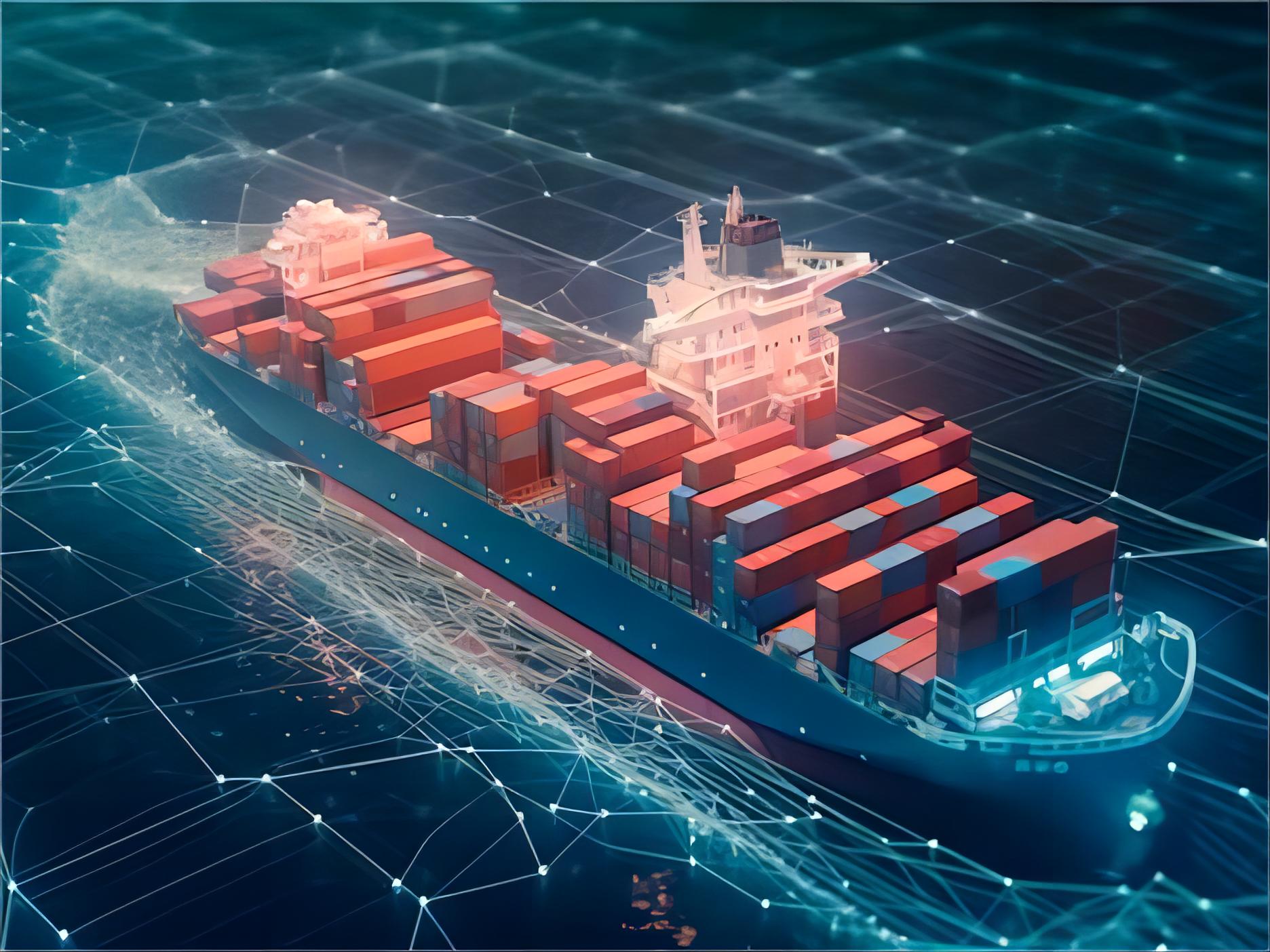
Many companies are now exploring efficient alternatives to traditional shipping methods. Consequently, the freight train from China to Germany offers a compelling blend of speed, cost-effectiveness, and environmental benefits. This route has transformed cross-continental logistics.
Furthermore, geopolitical shifts and supply chain disruptions have highlighted the need for diversified transport solutions. Rail freight provides a stable and reliable corridor between these major economic powerhouses. It offers a crucial middle ground for various industries.
A Balanced Approach to Speed and Cost
Indeed, rail freight bridges the gap between slow sea freight and expensive air freight. Typically, transit times are significantly faster than ocean shipping. Yet, it remains considerably more affordable than air cargo options.
This balance makes it ideal for goods that are time-sensitive but not urgent enough for air transport. Therefore, businesses can optimize their inventory management and reduce warehousing costs. It represents a strategic advantage for many importers.
Environmental Benefits and Sustainability
Moreover, environmental concerns are increasingly influencing logistics decisions. Freight trains boast a significantly lower carbon footprint per ton-kilometer compared to air or road transport. This aligns with global sustainability goals.
Choosing rail freight thus contributes to a greener supply chain. Consequently, companies can improve their corporate social responsibility profile. It’s a tangible step towards eco-friendly operations.
For detailed information on rail transport solutions, visit our rail freight services page.
Reliability and Capacity Advantages
In addition, rail freight offers high reliability, being less susceptible to weather delays than sea freight. It also provides substantial cargo capacity, accommodating large volumes efficiently. This ensures consistent delivery schedules.
Furthermore, dedicated rail lines and fixed schedules provide predictable transit times. This predictability is invaluable for supply chain planning and inventory forecasting. It minimizes unexpected disruptions.
Seasonal variations and port congestion, common in sea shipping, have less impact on rail operations. Therefore, businesses can maintain smoother operations throughout the year.
Understanding the Key Routes for Freight Train China to Germany
Several established routes facilitate the journey of a freight train from China to Germany. These routes are part of the broader ‘New Silk Road’ initiative. They connect major industrial and commercial centers across Eurasia.
Consequently, understanding these pathways is crucial for optimizing your logistics strategy. Each route has specific characteristics regarding transit time and available services. This knowledge helps in selecting the most suitable option.
Major Rail Hubs and Terminals
On the Chinese side, key departure hubs include Chongqing, Chengdu, Xi’an, Wuhan, and Zhengzhou. These cities serve as crucial consolidation points for goods from across China. They are strategically located in manufacturing regions.
Conversely, in Germany, major arrival terminals are Duisburg, Hamburg, and Munich. Duisburg, in particular, is a significant inland port and distribution center. These German hubs offer excellent connectivity to the wider European network.
The journey typically traverses Kazakhstan, Russia, Belarus, and Poland. This transcontinental network ensures a robust connection. Moreover, ongoing infrastructure improvements are enhancing efficiency.
Typical Transit Times and Schedules
Generally, the transit time for a freight train from China to Germany ranges from 15 to 20 days. This duration depends on the specific origin and destination terminals, as well as the route taken. Direct services are often faster.
Furthermore, regular weekly departures are common from most major Chinese hubs. This frequency provides flexibility for businesses to plan their shipments effectively. It helps maintain a steady flow of goods.
However, it is important to note that customs clearance processes at various borders can influence the overall timeline. Therefore, proper documentation is paramount for smooth transit. Planning ahead is always recommended.
Types of Services: FCL and LCL
For rail freight, both Full Container Load (FCL) and Less than Container Load (LCL) services are available. FCL is suitable for larger shipments that can fill an entire container. This offers dedicated space and direct routing.
Conversely, LCL allows smaller shipments to share container space with other cargo. This option is cost-effective for businesses with lower volume requirements. It provides flexibility for smaller consignments. Indeed, it opens up rail freight to a broader range of businesses.
How Does Freight Train China to Germany Compare to Other Shipping Options?
When planning international logistics, comparing different shipping methods is essential. Each mode of transport offers distinct advantages and disadvantages. This comparison helps in making informed decisions for your supply chain.
Therefore, understanding the trade-offs between cost, speed, and capacity is crucial. The optimal choice depends heavily on your specific cargo, budget, and delivery schedule requirements. Let’s examine the main alternatives.
| Shipping Method | Cost Range (40HQ/Approx.) | Transit Time (Days) | Best For | Limitations |
|---|---|---|---|---|
| Sea Freight | $3,000 – $4,200 | 30 – 45 | Large volumes, low cost | Slow, port congestion |
| Rail Freight | $8,000 – $12,000 | 15 – 20 | Balanced speed/cost, regular flow | Less flexible routes, capacity limits |
| Air Freight | $15,000 – $25,000 | 3 – 7 | Urgent, high-value, small volume | Very high cost, volume/weight limits |
When to Choose Sea Freight from China to Germany
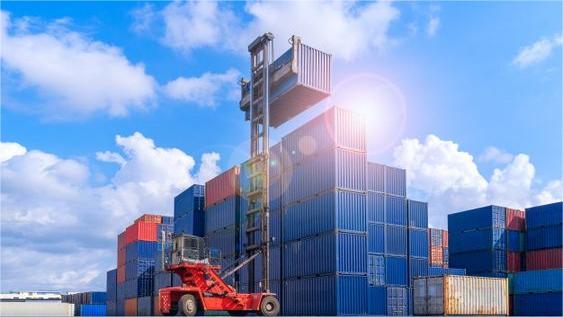
Sea freight remains the most economical option for large, bulky, or heavy shipments. It is ideal when cost is the primary concern and transit time is not critical. Typical transit can be 30-45 days.
However, ocean shipping is slower and more prone to port congestion and weather delays. Despite this, its capacity for massive volumes is unmatched. For more information, explore our sea freight services.
As of Q1 2025, container rates from China to Europe have seen some stabilization after recent disruptions. A 40HQ container might cost between $3,000-$4,200, though these rates are always subject to change. Always secure a current quote for accuracy.
When to Opt for Air Freight from China to Germany
Air freight is the fastest option, suitable for urgent, high-value, or perishable goods. Transit times are typically 3-7 days, offering unparalleled speed. It minimizes inventory holding periods.
Nevertheless, air cargo is significantly more expensive and has weight and volume limitations. It is often reserved for critical shipments where speed outweighs cost. Discover our air freight solutions.
For instance, shipping a similar volume by air could cost $15,000-$25,000, depending on the cargo and urgency. This substantial cost difference makes it a specialized solution. Market data suggests air freight rates are volatile.
Hybrid and Multimodal Solutions
Sometimes, a single mode of transport isn’t sufficient. Hybrid solutions, like ‘sea-rail’ or ‘air-rail,’ combine the advantages of different methods. For example, goods might travel by sea to a European port, then by rail inland.
These multimodal approaches can optimize both cost and speed, offering greater flexibility. They are particularly useful for reaching destinations not directly served by a single transport hub. This strategy can reduce overall transit time and costs.
Another approach involves using Amazon FBA prep services combined with rail. This streamlines the delivery process to fulfillment centers in Germany, ensuring timely stock. It integrates seamlessly into e-commerce operations.
Which Shipping Option Should You Choose?
Your decision framework should prioritize key factors. If budget is your primary concern and time is flexible, sea freight is typically the best choice. It offers the lowest per-unit cost for large volumes.
Conversely, if speed is paramount for urgent deliveries or high-value items, air freight is indispensable. It provides the quickest transit, minimizing delays for critical goods. This choice often comes at a premium.
However, for a balanced approach combining reasonable speed with moderate costs, the freight train from China to Germany excels. It’s ideal for regular shipments that require consistent, predictable transit. Consider your cargo type and volume thresholds carefully.
For example, LCL rail freight may be more economical than FCL for shipments under 15 CBM. This allows smaller businesses to leverage rail’s benefits. Always consider the total landed cost.
Essential Considerations for Freight Train Shipments from China to Germany
Successfully executing a freight train shipment from China to Germany involves more than just choosing a transport method. Several critical factors demand careful attention. These include customs, cargo restrictions, and insurance. Ignoring these can lead to costly delays.
Therefore, proactive planning and adherence to regulations are paramount. A smooth logistics process relies on meticulous preparation. Let’s delve into these important considerations.
Customs Clearance and Documentation
Navigating customs procedures is a vital step for any international shipment. For goods traveling by freight train from China to Germany, proper documentation is non-negotiable. Errors can cause significant delays at border crossings.
Key documents typically include the commercial invoice, packing list, bill of lading (or CIM/SMGS consignment note for rail), and certificates of origin. Additionally, specific product certifications may be required. Ensuring accuracy is crucial for compliance.
Working with experienced professionals can streamline this complex process. Our customs brokerage services ensure all paperwork is correctly handled. This minimizes risks and accelerates clearance.
As a result, potential hold-ups at borders are significantly reduced. This proactive approach saves both time and money. It ensures your cargo moves smoothly across multiple jurisdictions.
Cargo Restrictions and Regulations
Certain goods are subject to restrictions or prohibitions when transported by rail. These can vary based on the specific countries the train passes through. Hazardous materials, for instance, have strict regulations.
Therefore, it is essential to verify if your cargo complies with all international and national laws. This includes regulations in China, transit countries, and Germany. Consulting with your logistics provider is highly recommended.
Furthermore, specific packaging requirements might apply to certain types of goods. Adhering to these standards prevents damage during transit. It also ensures safety for all involved in the supply chain.
Insurance and Risk Management
Despite the reliability of rail freight, unforeseen incidents can occur. Therefore, comprehensive cargo insurance is a wise investment. It protects your goods against loss, damage, or theft during transit.
Discuss insurance options with your freight forwarder to understand coverage details. This safeguards your financial interests in case of unexpected events. It provides peace of mind throughout the shipping process.
Additionally, robust risk management strategies, such as proper packaging and secure loading, further mitigate potential issues. These measures are integral to ensuring cargo integrity. They contribute to a successful delivery.
Real-World Scenarios: Freight Train China to Germany in Action
To illustrate the practical benefits of using a freight train from China to Germany, let’s examine a few real-world case studies. These examples highlight how rail freight addresses diverse logistical challenges. They demonstrate its versatility for various industries.
These scenarios showcase the typical costs, transit times, and strategic insights gained. They provide concrete data on the efficiency of this shipping method. Based on Q3 2024 market rates, these figures offer realistic expectations.
Case Study 1: E-commerce Retailer’s Seasonal Stock
A German e-commerce retailer needed to replenish their stock of consumer electronics for the upcoming holiday season. Speed was important, but air freight was too expensive for the volume. Rail freight offered the perfect solution.
The cargo consisted of various gadgets, requiring careful handling and timely delivery. The retailer prioritized a balance between cost and transit time. This made rail a strategic choice over sea freight’s longer duration.
| Detail | Description |
|---|---|
| Route | Shenzhen, China -> Hamburg, Germany |
| Cargo | Consumer Electronics, 25 CBM, 4,500 kg |
| Container | LCL (shared container) |
| Shipping Details | Major rail operator, weekly service. Port of Loading: Shenzhen Rail Terminal. Port of Discharge: Hamburg Intermodal Terminal. Route Type: Direct. |
| Cost Breakdown | Rail Freight: $7,500. Origin Charges: $450. Destination Charges: $600. Customs & Duties (estimated): $1,200. Total Landed Cost: $9,750. |
| Timeline | Booking to Loading: 3 days. Rail Transit: 18 days. Customs Clearance: 2 days. Total Door-to-Door: 23 days. |
| Key Insight | Rail freight provided the necessary speed for seasonal stock without incurring air freight’s high costs. This allowed the retailer to meet market demand effectively. The predictable schedule was a major benefit. |

Case Study 2: Automotive Parts for European Assembly
An automotive manufacturer in Germany required a steady supply of specialized components from their factory in China. These parts were critical for their assembly line, demanding consistent delivery. Reliability was key for avoiding production stoppages.
The volume was substantial, making air freight prohibitively expensive. However, sea freight’s transit time was too long to maintain lean inventory levels. Therefore, the freight train from China to Germany was chosen as the optimal solution.
Our door-to-door service ensured seamless delivery from the Chinese factory directly to the German assembly plant. This minimized logistical complexities for the manufacturer. It provided a single point of contact.
| Detail | Description |
|---|---|
| Route | Chengdu, China -> Duisburg, Germany |
| Cargo | Automotive Components (non-hazardous), 1 x 40HQ, 20,000 kg |
| Container | 40HQ |
| Shipping Details | Major carrier, twice-weekly service. Port of Loading: Chengdu International Railway Port. Port of Discharge: Duisburg DIT. Route Type: Direct. |
| Cost Breakdown | Rail Freight: $10,500. Origin Charges: $700. Destination Charges: $850. Customs & Duties (estimated): $2,500. Total Landed Cost: $14,550. |
| Timeline | Booking to Loading: 4 days. Rail Transit: 16 days. Customs Clearance: 3 days. Total Door-to-Door: 25 days. |
| Key Insight | The predictable transit time and cost-effectiveness of rail freight ensured a continuous supply of critical parts. This directly supported the manufacturer’s ‘just-in-time’ inventory strategy. It avoided costly production delays. |
Case Study 3: Specialized Industrial Equipment
A German company specializing in industrial machinery needed to import custom-fabricated equipment from a supplier in Shanghai. The equipment was heavy and oversized, making standard air cargo unfeasible. Moreover, the project timeline required faster delivery than sea freight could offer.
The unique dimensions of the cargo necessitated careful planning and specialized handling. The freight train from China to Germany proved to be the most viable solution. It offered the necessary capacity and transit speed.
This particular shipment benefited from consolidated logistics planning, managing the oversized cargo efficiently. The solution underscored rail’s capability for non-standard shipments. It demonstrated adaptability beyond typical containerized goods.
| Detail | Description |
|---|---|
| Route | Shanghai, China -> Munich, Germany |
| Cargo | Industrial Machinery (Oversized), 30 CBM, 15,000 kg |
| Container | 1 x 40GP (special handling for oversized components) |
| Shipping Details | Specialized rail service, weekly. Port of Loading: Shanghai (via truck to nearby rail hub). Port of Discharge: Munich Freight Terminal. Route Type: Intermodal rail. |
| Cost Breakdown | Rail Freight: $9,800. Origin Charges: $950. Destination Charges: $1,100. Customs & Duties (estimated): $2,000. Total Landed Cost: $13,850. |
| Timeline | Booking to Loading: 5 days. Rail Transit: 20 days. Customs Clearance: 3 days. Total Door-to-Door: 28 days. |
| Key Insight | Rail freight successfully transported oversized industrial equipment, balancing transit speed and cost. This enabled the German company to maintain its project schedule. The solution highlighted the flexibility of rail for specialized cargo. |
Optimizing Your Logistics with Freight Train China to Germany
Leveraging the freight train from China to Germany effectively requires strategic planning and a proactive approach. Optimizing your logistics goes beyond simply choosing a transport method. It involves integrating various aspects of your supply chain.
By focusing on efficiency and informed decision-making, businesses can maximize the benefits of rail freight. This includes utilizing technology and partnering with experienced providers. It ensures a streamlined and cost-effective process.
Leveraging Technology for Tracking and Visibility
Modern logistics relies heavily on real-time information. Advanced tracking systems provide end-to-end visibility for your rail shipments. You can monitor your cargo’s progress from origin to destination.
This transparency allows for better inventory management and proactive problem-solving. Consequently, you can provide accurate delivery estimates to your customers. It enhances overall supply chain control.
Digital platforms and EDI (Electronic Data Interchange) facilitate seamless communication between all parties involved. This reduces administrative burdens and improves efficiency. It ensures data consistency across the chain.
Strategic Planning for Peak Seasons
Seasonal peaks, such as before major holidays or during specific manufacturing cycles, can impact freight availability and rates. Therefore, strategic planning is essential. Booking your shipments in advance is crucial.
Rates typically increase 15-25% during August-October peak season for many routes. Anticipating these fluctuations helps in budgeting and securing necessary capacity. It avoids last-minute surcharges and delays.
Working closely with your logistics partner to forecast demand allows for better resource allocation. This proactive approach minimizes disruptions. It ensures your goods arrive on schedule, even during busy periods.
Partnering with a Reliable Logistics Provider
Choosing the right logistics provider is perhaps the most critical step in optimizing your rail freight operations. An experienced partner offers invaluable expertise in route planning, customs, and compliance. They possess a robust network of contacts.
A reputable provider can offer tailored solutions, from FCL to LCL services, and handle specialized cargo. This ensures your specific needs are met efficiently. They act as an extension of your own logistics team.
Ultimately, a strong partnership ensures smooth execution and peace of mind. It allows you to focus on your core business, knowing your freight train from China to Germany is in capable hands. This collaboration is key to success.
The Future of China-Germany Logistics: Rail Freight Leading the Way
In conclusion, the freight train from China to Germany represents a vital and increasingly popular solution for international logistics. It offers a compelling balance of speed, cost-effectiveness, and environmental responsibility. This makes it an attractive option for diverse industries.
As global trade continues to evolve, rail freight’s reliability and expanding network will solidify its position as a cornerstone of the modern supply chain. By understanding its benefits and intricacies, businesses can make informed decisions. This will ultimately enhance their operational efficiency and competitive edge. Choose the smart route for your cargo.
Need a tailored shipping solution?
Ready to optimize your supply chain with efficient rail freight from China to Germany? Contact China Top Freight today for a personalized quote. Our experts are here to help you navigate the complexities of international shipping and find the best solution for your business. Get started with a reliable logistics partner.