

Freight Forwarder China to USA: Your Ultimate Shipping Guide
Navigating international shipping from China to the USA can be complex, involving intricate logistics, customs regulations, and varying transit times. Businesses often face challenges in securing reliable carriers and optimizing their supply chain for cross-border trade. This comprehensive guide will demystify the process, helping you understand the crucial role of a specialized freight forwarder China to USA, ensuring your goods arrive efficiently and cost-effectively.
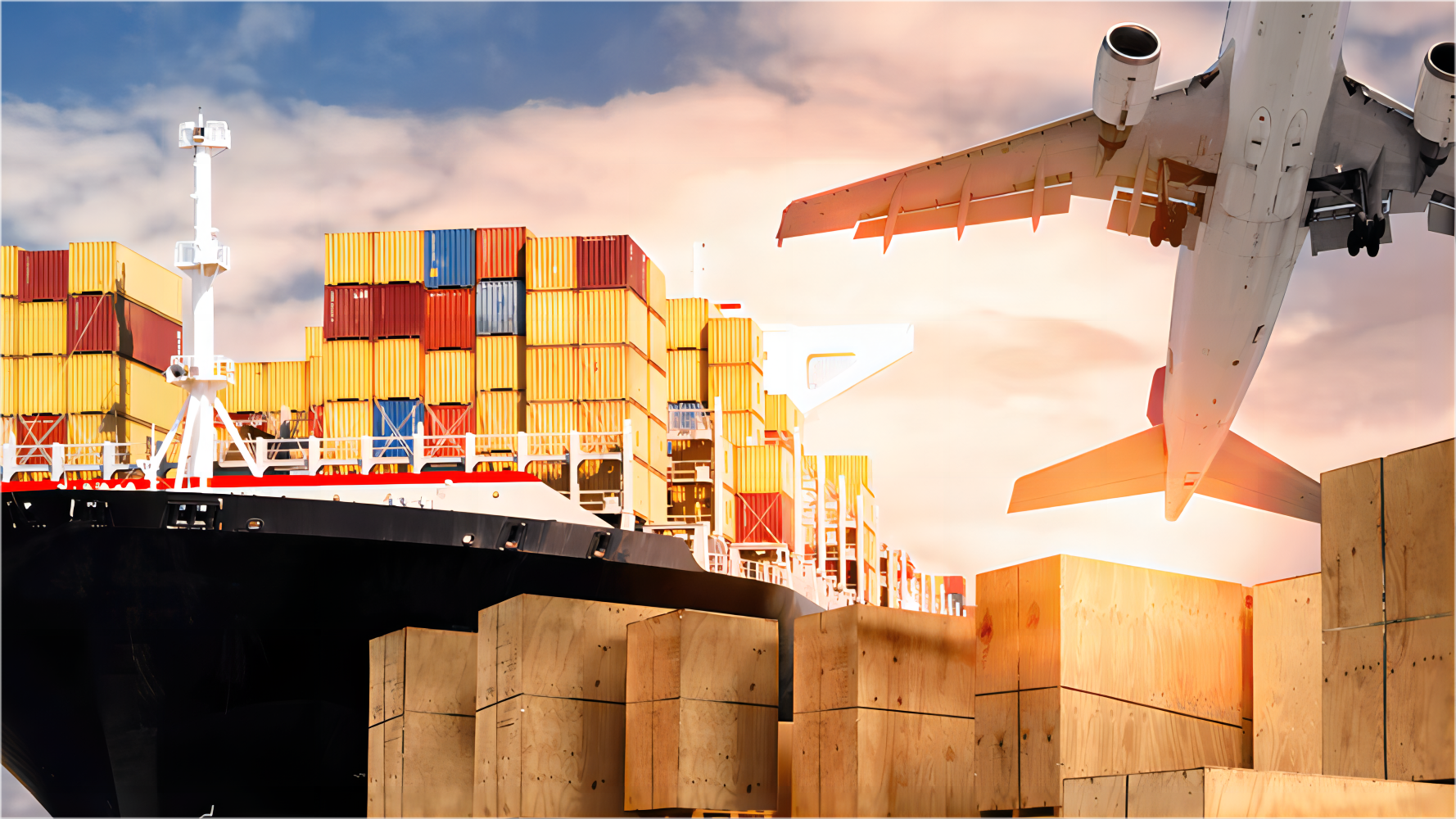
What is a Freight Forwarder and Why Do You Need One for China to USA Shipping?
A freight forwarder acts as an intermediary, streamlining the complex process of international shipping. They organize shipments for individuals or corporations to get goods from the manufacturer or producer to a market, customer, or final point of distribution.
Specifically, for the China to USA route, a freight forwarder manages the entire logistics chain. This includes everything from cargo pickup at the origin to customs clearance and final delivery in the United States. Their expertise is invaluable for importers.
Key Factors When Choosing a Freight Forwarder China to USA
Selecting the right freight forwarder is crucial for successful import operations. Many factors influence this decision, directly impacting your supply chain’s efficiency and cost-effectiveness. Consider their experience with the specific route and cargo types.
Furthermore, evaluate their network of carriers and agents, both in China and the USA. Robust partnerships ensure smoother operations and better rates. Communication clarity and technological capabilities for tracking are also paramount for modern logistics trends.
Navigating Shipping Methods: Sea, Air, and Rail Freight Options
The choice of shipping method significantly impacts both transit time and shipping costs. Each option offers distinct advantages and disadvantages, tailored to different cargo types and urgency levels. Understanding these differences is key to optimizing your freight strategy.
| Shipping Method | Cost Range (per kg/CBM) | Transit Time (China to USA) | Best For | Limitations |
|---|---|---|---|---|
| Sea Freight (FCL/LCL) | Lower ($0.05-$0.20/kg) | 18-45 days | Large, heavy, non-urgent cargo | Slow, potential delays, port congestion |
| Air Freight | Higher ($3-$8/kg) | 3-10 days | Urgent, high-value, perishable goods | Expensive, limited volume/weight |
| Rail Freight (Transcontinental) | Medium ($0.50-$1.50/kg) | 12-20 days | Mid-size, time-sensitive but not urgent | Limited routes, not always door-to-door |
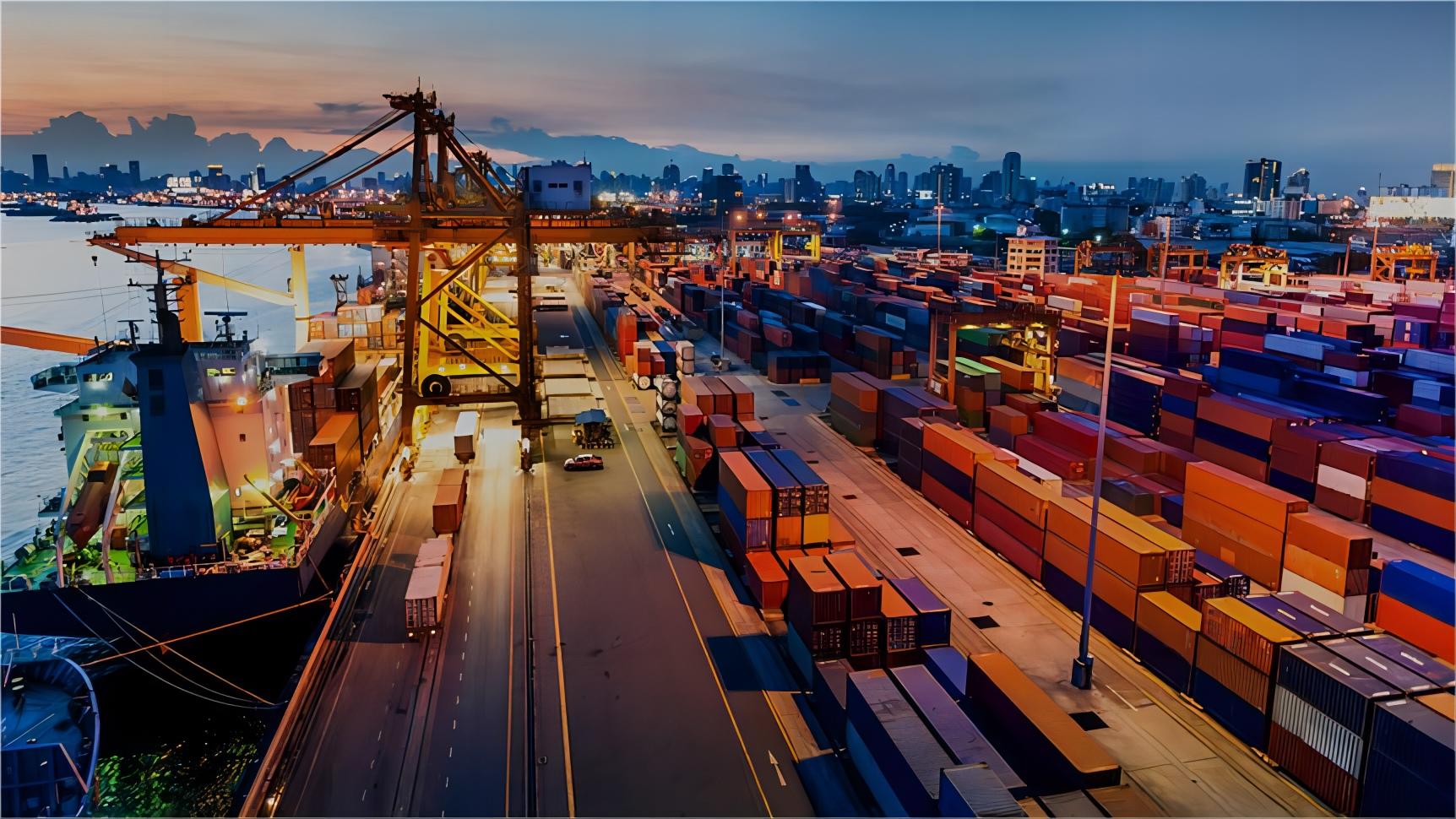
How Does China to USA Shipping Compare to Other Options?
When importing from China to the USA, businesses have several strategic choices beyond just the mode of transport. These decisions can drastically affect freight rates, delivery schedule, and overall logistics trends. Understanding these alternatives is essential for optimizing your supply chain management.
For instance, the decision between Full Container Load (FCL) and Less than Container Load (LCL) for sea freight is critical. FCL is generally more cost-effective for shipments over 15 CBM, offering faster transit times because the container does not need to be consolidated or deconsolidated with other cargo. Conversely, LCL is ideal for smaller shipments, allowing businesses to pay only for the space they use, although it often involves longer transit times due to consolidation processes.
Considering direct versus transshipment routes also impacts both speed and cost. Direct routes are typically 10-15% more expensive but can save 5-7 days compared to routes involving transshipment through a third port. While transshipment offers cost savings, it introduces additional handling and potential for delays.
Hybrid solutions, such as sea-air combinations, provide a balance. For example, cargo might travel by sea from China to a West Coast port in the USA, then by air to an East Coast destination. This method is faster than pure sea freight but more economical than pure air freight, suitable for goods with moderate urgency.
Moreover, rail freight, specifically transcontinental rail within the USA after ocean arrival, offers a cost-effective and relatively fast alternative to trucking for long distances. It’s often used for goods arriving at West Coast ports destined for the Midwest or East Coast, reducing carbon footprint and offering predictable delivery schedules.
Which Option Should You Choose?
Deciding on the best shipping strategy depends on your specific business priorities. Each scenario demands a tailored approach to balance speed, cost, and cargo handling requirements.
| Priority | Recommended Option | Considerations |
|---|---|---|
| Budget Priority | LCL Sea Freight | For smaller volumes; longer transit times. Look for consolidators. |
| Speed Priority | Air Freight | For urgent or high-value goods; significantly higher cost. |
| Cargo Type (Large/Heavy) | FCL Sea Freight | Most economical for full containers; suitable for durable goods. |
| Cargo Type (Small/Light) | LCL Sea Freight or Express | LCL for cost-effectiveness; Express for very small, urgent parcels. |
| Balance of Cost & Speed | Hybrid Sea-Air or Transcontinental Rail | Offers a middle ground, often leveraging West Coast port entry points for US distribution. |
Understanding Customs and Documentation for Imports from China to USA
Customs clearance is a critical, often complex, step in importing goods from China to the USA. Proper documentation and adherence to regulations are essential to avoid delays and penalties. A proficient freight forwarder will guide you through this intricate process.
Key documents typically include the Commercial Invoice, Packing List, Bill of Lading (for sea freight) or Air Waybill (for air freight), and a Certificate of Origin. These documents provide crucial details about the cargo, its value, and its journey. Furthermore, importers must be aware of specific import duties and tariffs applied by US Customs and Border Protection (CBP).
Working with a specialized customs brokerage service, often offered by freight forwarders, simplifies this process significantly. They ensure all declarations are accurate, duties are paid correctly, and your shipment complies with all US import laws. This expertise minimizes risks and ensures a smooth entry for your goods.
Streamlining Your Supply Chain: Value-Added Services
Beyond basic transportation, many freight forwarders offer a suite of value-added services designed to streamline your entire supply chain. These services can significantly enhance efficiency, reduce storage costs, and improve delivery schedules. They are integral to modern logistics trends and comprehensive cargo handling.
For e-commerce businesses, especially those selling on major platforms, Amazon FBA prep services are invaluable. These include labeling, packaging, and direct delivery to Amazon fulfillment centers, ensuring compliance with Amazon’s strict requirements. This specialized service saves time and reduces potential issues upon arrival.
Moreover, door-to-door delivery is a popular option that covers the entire journey from the supplier’s factory in China to your final destination in the USA. This comprehensive service typically includes all transportation, customs clearance, and local delivery, offering maximum convenience and predictability for shipping costs. It removes the burden of coordinating multiple logistics providers.
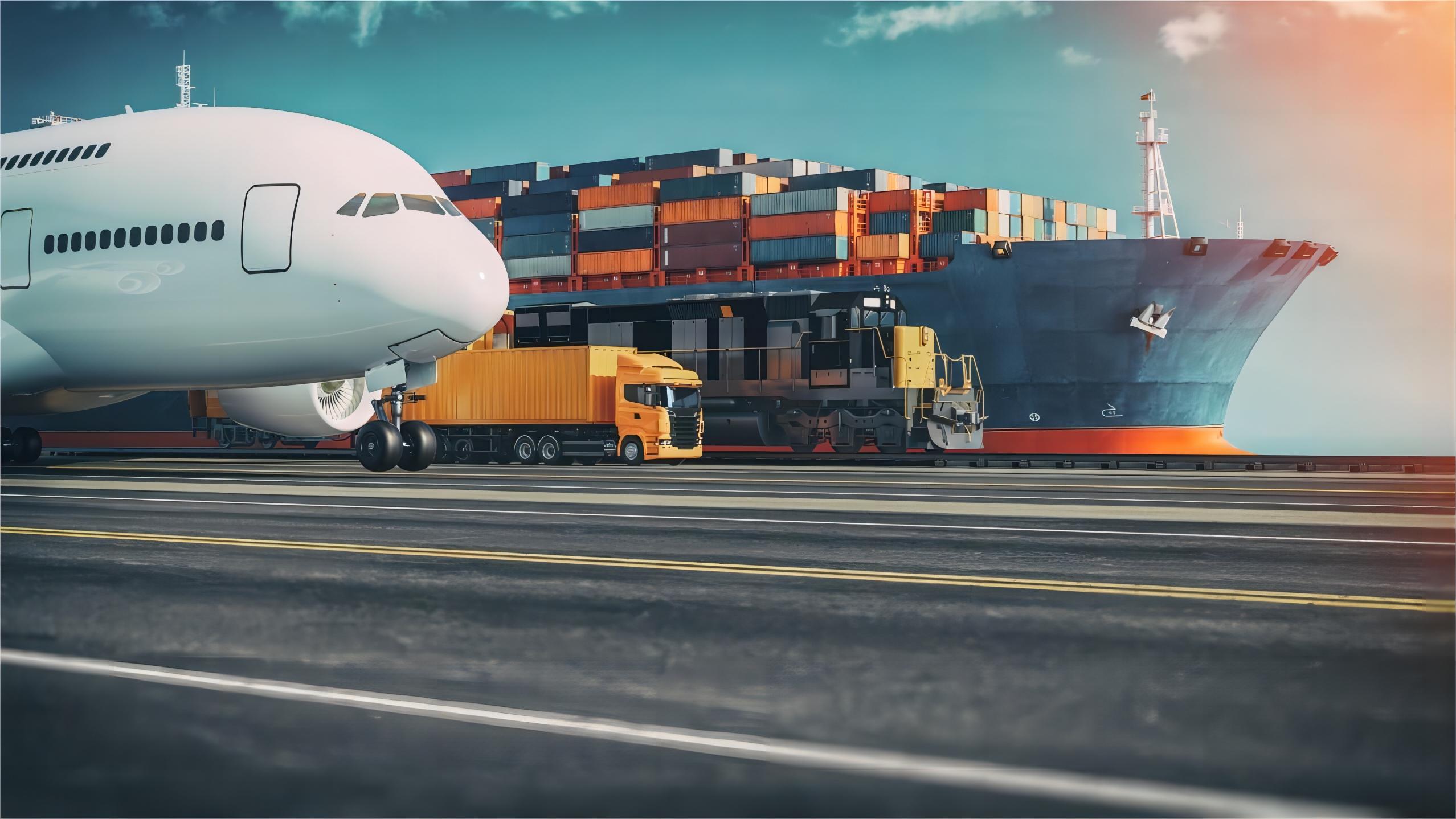
Real-World Scenarios: Successful Shipments with a Freight Forwarder China to USA
Understanding how a freight forwarder operates in practice can illustrate their value. These case studies highlight diverse shipping challenges and how effective logistics solutions were implemented.
Case Study 1: E-commerce Fashion Retailer
An online fashion boutique needed to import a new clothing line quickly to meet seasonal demand. The balance between speed and cost was critical for their inventory management.
| Detail | Description |
|---|---|
| Route | Guangzhou, China -> Los Angeles, USA |
| Cargo | 2.5 CBM, 350 kg (Apparel, various sizes) |
| Container | LCL (Less than Container Load) |
| Shipping Details | Carrier: Major ocean carrier, Port of Loading: Yantian, Port of Discharge: Long Beach, Route Type: Direct |
| Cost Breakdown | Ocean Freight: $280, Origin Charges: $120, Destination Charges: $90, Customs & Duties (estimated): $150, Total Landed Cost: $640 (Based on Q3 2024 market rates) |
| Timeline | Booking to Loading: 3 days, Sea Transit: 14 days, Customs Clearance: 2 days, Total Door-to-Door: 21 days |
| Key Insight | Efficient LCL consolidation and pre-clearance allowed for rapid turnaround upon arrival, meeting the retailer’s tight launch schedule. The freight forwarder also handled final mile delivery to their warehouse. |
Case Study 2: Industrial Equipment Supplier
A US-based company manufacturing heavy machinery required regular imports of specialized components. Reliability, secure cargo handling, and adherence to specific delivery schedules were paramount.
| Detail | Description |
|---|---|
| Route | Shanghai, China -> Houston, USA |
| Cargo | 1 x 40HQ (Heavy industrial components, 22,000 kg) |
| Container | 40HQ (Full Container Load) |
| Shipping Details | Carrier: COSCO, Port of Loading: Shanghai, Port of Discharge: Houston, Route Type: Transshipment via Busan |
| Cost Breakdown | Ocean Freight: $4,800, Origin Charges: $450, Destination Charges: $380, Customs & Duties (estimated): $550, Total Landed Cost: $6,180 (Typical rates as of early 2025, pre-peak season) |
| Timeline | Booking to Loading: 5 days, Sea Transit: 32 days, Customs Clearance: 3 days, Total Door-to-Door: 42 days |
| Key Insight | Despite a transshipment route, the forwarder managed the complex cargo handling and ensured timely transshipment, preventing delays for crucial production components. Proactive communication on vessel status was key. |
Case Study 3: High-Value Electronics Distributor
An electronics distributor needed to quickly replenish stock of high-demand, high-value gadgets. Speed was the primary concern, outweighing the higher cost of faster shipping methods.
| Detail | Description |
|---|---|
| Route | Shenzhen, China -> Chicago, USA |
| Cargo | 0.8 CBM, 150 kg (Consumer electronics) |
| Container | Air Cargo |
| Shipping Details | Carrier: Cathay Pacific Cargo, Airport of Loading: Shenzhen (SZX), Airport of Discharge: Chicago O’Hare (ORD), Route Type: Direct Air Freight |
| Cost Breakdown | Air Freight: $1,050, Origin Charges: $80, Destination Charges: $60, Customs & Duties (estimated): $100, Total Landed Cost: $1,290 (Market data suggests these rates for Q1 2025) |
| Timeline | Booking to Loading: 1 day, Air Transit: 2 days, Customs Clearance: 1 day, Total Door-to-Door: 5 days |
| Key Insight | The forwarder secured priority air cargo space during a busy period, ensuring the time-sensitive electronics reached the market rapidly. Expedited customs clearance was also arranged. |
Optimizing Costs and Transit Times: Expert Tips
Achieving optimal shipping costs and transit times requires strategic planning and a deep understanding of logistics. Many importers overlook opportunities for significant savings and efficiency gains. A proactive approach to cargo handling and delivery schedule can make a substantial difference.
Consider consolidating multiple smaller shipments into one larger consignment, especially for LCL sea freight. This often reduces the per-unit shipping cost. Furthermore, understanding Incoterms (International Commercial Terms) is vital. Choosing the right Incoterm can clarify responsibilities and costs, preventing unexpected expenses.
Lastly, always secure adequate cargo insurance. While it adds a small cost, it protects against potential losses or damage during transit, which can be far more expensive in the long run. Regular communication with your freight forwarder about market conditions and potential delays is also a best practice.

What to Expect: Current Market Trends for Freight Forwarder China to USA Services
The global shipping landscape is constantly evolving, influenced by geopolitical events, economic shifts, and seasonal demands. Staying informed about current market trends is crucial for planning your imports from China to the USA. These insights can help predict freight rates and transit times.
As of Q1 2025, freight rates from China to the USA have seen some stabilization after the volatility of previous years, including impacts from the Red Sea disruptions. However, peak seasons, particularly from August to October leading up to the holiday shopping season, typically see rates increase by 15-25% due to higher demand and reduced carrier capacity.
Port congestion, especially at major US West Coast ports, remains a recurring challenge that can affect delivery schedules. Therefore, flexible planning and selecting forwarders with strong port relationships are beneficial. Utilizing market intelligence provided by your freight forwarder can help you navigate these fluctuations and secure better terms. Note: Freight rates are subject to change based on fuel costs, carrier capacity, and seasonal demand. Contact us for a current quote tailored to your specific shipment.
Conclusion: Your Trusted Partner for China to USA Freight Forwarding
Ultimately, selecting the right <a href=”https://chinatopfreight.com/”>freight forwarder China to USA</a> is paramount for successful international trade. By understanding the various shipping methods, navigating customs complexities, and leveraging expert services, businesses can significantly enhance their supply chain. A reliable partner ensures timely delivery and cost efficiency, making your import process seamless and stress-free.
Considering market trends, optimizing costs, and utilizing value-added services are all part of a comprehensive shipping strategy. An experienced freight forwarder provides the insights and execution needed to succeed in the competitive global marketplace. Choose wisely to protect your cargo and your business.
Need a tailored shipping solution?
Ready to streamline your shipping from China to USA? Partner with a leading freight forwarder China to USA to ensure your goods are handled with expertise and efficiency. Contact us today for a personalized quote and discover how we can optimize your logistics.