

China-US Air Freight Trade: Navigating Speed & Cost
Navigating the complexities of China-US air freight trade is crucial for businesses relying on swift international logistics. This vital shipping method connects two of the world’s largest economies, facilitating the rapid movement of goods. Understanding its intricacies helps optimize supply chains and manage costs effectively. This guide provides essential insights into air freight from China to the United States.

Why is China-US Air Freight Trade So Important?
The bilateral trade relationship between China and the United States is immense, encompassing a vast array of products. Air freight plays a pivotal role in this exchange, especially for time-sensitive, high-value, or perishable goods. Consequently, businesses often prioritize air cargo for its unparalleled speed.
Furthermore, global supply chains demand agility and reliability. Air freight ensures products reach markets quickly, reducing inventory holding costs and responding to consumer demand more efficiently. This speed is a significant competitive advantage for many companies.
What Factors Influence China-US Air Freight Costs?
Several variables dictate the final cost of air freight from China to the US. These include the cargo’s weight and volume, known as chargeable weight. Fuel surcharges, which fluctuate with global oil prices, also significantly impact the overall freight rates.
Additionally, origin and destination charges, such as handling fees and airport taxes, contribute to the total expense. Peak seasons, like holidays or new product launches, often lead to higher demand and consequently elevated prices. Therefore, understanding these elements is crucial for accurate budgeting.
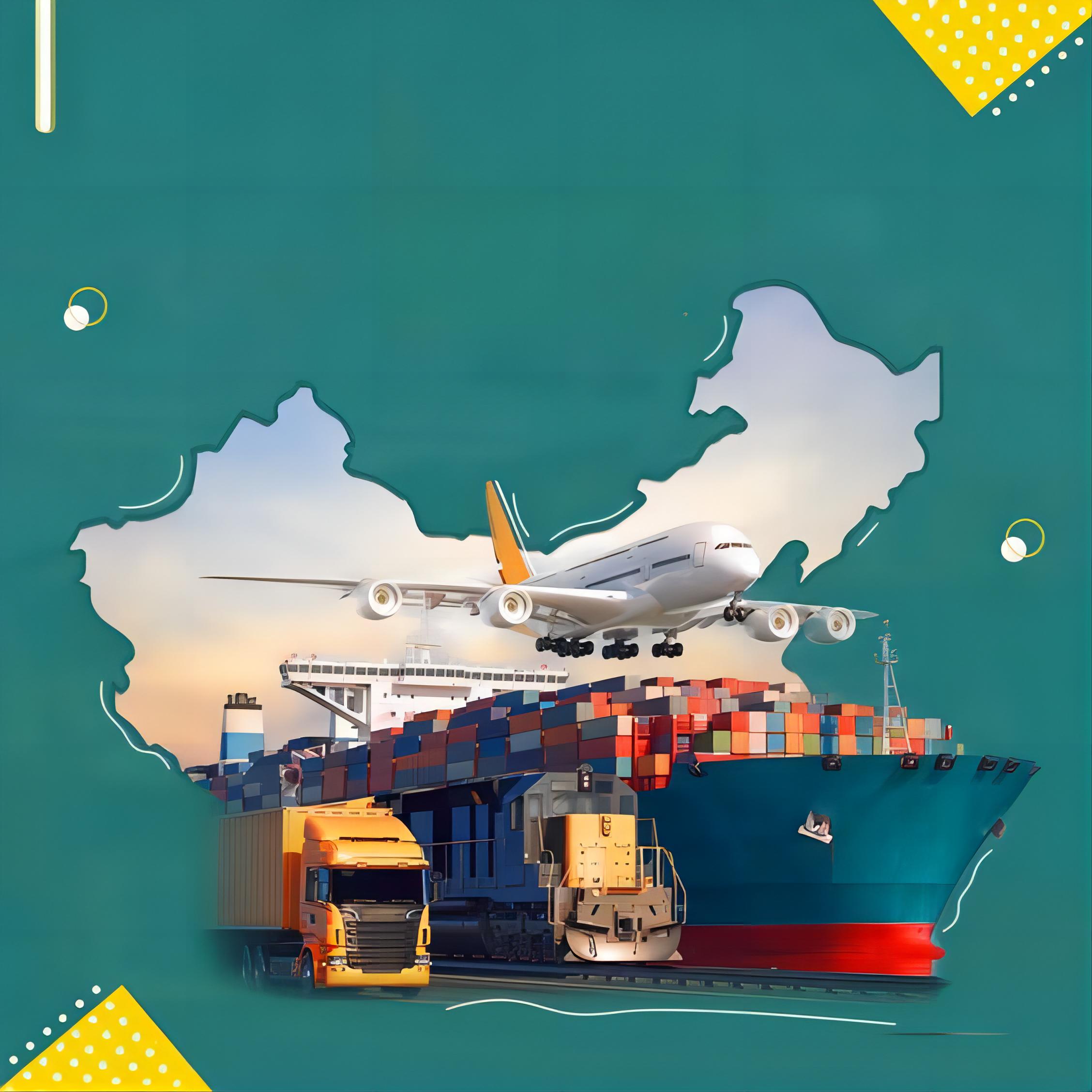
Calculating Chargeable Weight for Air Cargo
Chargeable weight is either the actual gross weight or the volumetric weight, whichever is greater. Volumetric weight is calculated using a specific formula: (Length x Width x Height in cm) / 6000. This ensures fair pricing for bulky but light items.
For instance, a shipment of feather pillows might have a low actual weight but a high volumetric weight. Conversely, dense items like machinery parts will likely be charged based on their actual weight. Proper calculation helps avoid unexpected shipping costs.
How Long Does China-US Air Freight Take?
Transit times for air freight from China to the US typically range from 3 to 10 days. This duration depends on several factors, including the specific origin and destination airports, the chosen service level, and customs clearance efficiency. Direct flights naturally offer faster transit.
Express services, for example, can deliver within 1-3 days, albeit at a premium. Standard air cargo usually takes 5-7 days for airport-to-airport delivery. Door-to-door services, which include local pickup and delivery, naturally extend the overall timeline slightly. It is essential to consider the entire delivery schedule.
| Origin (China) | Destination (USA) | Service Type | Estimated Transit Time |
|---|---|---|---|
| Shanghai (PVG) | Los Angeles (LAX) | Express Air | 1-3 Days |
| Shenzhen (SZX) | New York (JFK) | Standard Air Cargo | 5-7 Days |
| Guangzhou (CAN) | Chicago (ORD) | Standard Air Cargo | 5-7 Days |
| Beijing (PEK) | Dallas (DFW) | Standard Air Cargo | 6-9 Days |
Typical Transit Times by Major US Hubs
The final destination within the US significantly impacts the overall transit time. Shipments to major international gateways like Los Angeles (LAX), Chicago (ORD), or New York (JFK) often experience quicker processing. These airports have robust infrastructure.
Conversely, shipments to smaller regional airports or those requiring onward domestic connections might take an additional day or two. Planning your logistics with these variations in mind is vital for meeting deadlines.
Understanding Customs and Documentation for China-US Air Cargo
Customs clearance is a critical step in the import/export process. Accurate and complete documentation is paramount to avoid delays and penalties. Importers must comply with both Chinese export regulations and US import laws, which can be complex.
Moreover, proper classification of goods using Harmonized System (HS) codes is essential for determining applicable duties and taxes. A professional Amazon FBA logistics provider can streamline this process. Any discrepancies can lead to significant hold-ups at the border.
Key Documents Required for Air Freight
Several documents are typically required for China-US air freight. These include the Commercial Invoice, Packing List, Air Waybill (AWB), and Certificate of Origin. Each document serves a specific purpose in the clearance process.
Furthermore, depending on the product, additional permits or licenses might be necessary, such as FDA approval for food and medical items, or FCC authorization for electronics. Working with an experienced door-to-door service provider helps ensure all paperwork is in order.
| Document | Purpose | Key Information |
|---|---|---|
| Commercial Invoice | Customs valuation & duties | Seller/Buyer, Product description, Value, HS code |
| Packing List | Cargo details & inspection | Weight, Dimensions, Number of packages, Contents per package |
| Air Waybill (AWB) | Contract of carriage | Shipper, Consignee, Carrier, Flight details, Route |
| Certificate of Origin | Country of manufacture | Proof of origin for tariffs/trade agreements |

How Does Air Freight Compare to Other Shipping Options for China-US Trade?
While air freight excels in speed, it is often the most expensive option. Businesses frequently weigh the benefits of rapid delivery against the higher shipping costs. Understanding the alternatives is key to making informed logistical decisions.
Consequently, a comprehensive comparison helps identify the most suitable method for different types of cargo and budgetary constraints. This strategic decision impacts overall supply chain efficiency and profitability.
| Shipping Method | Cost Range (per kg/CBM) | Transit Time (China to US) | Best For | Limitations |
|---|---|---|---|---|
| Air Freight (Standard) | $4-$8/kg | 5-7 Days | Time-sensitive, high-value, perishable goods | High cost, weight/volume restrictions |
| Air Freight (Express) | $8-$15/kg | 1-3 Days | Urgent, small parcels, samples | Very high cost, strict weight/size limits |
| Sea Freight (FCL) | $0.05-$0.15/kg (container rate) | 14-35 Days | Large volumes, heavy goods, non-urgent | Long transit times, port congestion risk |
| Sea Freight (LCL) | $0.10-$0.30/kg (CBM rate) | 20-40 Days | Smaller volumes (under 15 CBM), non-urgent | Longer transit than FCL, potential for delays |
Air Freight vs. Sea Freight for China-US Routes
Sea freight remains the backbone of global trade, particularly for large volumes and heavy goods. It is significantly more economical than air freight but comes with much longer transit times. For example, a container from China to the US West Coast takes 14-18 days by sea, compared to 3-7 days by air.
However, for a 40HQ container, sea freight might cost $2,500-$3,800, while air freight for the same volume would be prohibitive, potentially $15,000-$25,000. Therefore, the choice depends heavily on urgency and cargo type. Many businesses opt for sea freight for non-urgent inventory replenishment.
Considering Hybrid Solutions and Express Services
For a balance between speed and cost, hybrid solutions like Sea-Air can be viable. Goods might travel by sea from China to a transshipment hub (e.g., Dubai), then transfer to air freight for the final leg to the US. This can cut transit time compared to pure sea freight, at a moderate cost increase.
Alternatively, express service providers offer integrated solutions for smaller, urgent parcels, often leveraging their own air networks. These services are ideal for samples, documents, or very small, high-value shipments where speed is paramount.
Which Option Should You Choose for China-US Air Freight?
Selecting the right shipping method hinges on your specific business priorities. There is no one-size-fits-all solution, as each option presents a unique set of trade-offs. Carefully evaluating these criteria will lead to the most cost-effective and timely delivery.
Ultimately, the decision impacts your inventory management, customer satisfaction, and overall profitability. Consider these factors before committing to a shipping strategy.
Budget Priority vs. Speed Priority
If budget is your primary concern, and you have ample lead time, sea freight is almost always the most economical choice. It allows for bulk shipping at a significantly lower per-unit cost. This is ideal for stable, predictable demand.
Conversely, when speed is paramount, such as for fast-fashion, electronics, or urgent components, air freight is indispensable. The higher cost is justified by reduced time-to-market and increased responsiveness to demand. Consider the impact of delays on your business.

Cargo Type and Volume Thresholds
The nature of your cargo also dictates the best method. Perishable goods, pharmaceuticals, or high-value electronics that are susceptible to damage or obsolescence benefit greatly from air freight’s speed and security. Delicate items also fare better with less handling.
For smaller shipments, especially those under 15 CBM, Less than Container Load (LCL) sea freight might seem attractive. However, for anything under 150-200 kg, air freight can sometimes be surprisingly competitive due to minimum charges associated with LCL shipments. Always compare total landed costs.
Real Case Studies: Optimizing China-US Air Freight
Analyzing real-world scenarios helps illustrate the practical application of these strategies. Each case highlights different challenges and solutions in the dynamic China-US air freight trade. These examples demonstrate the importance of tailored logistics planning.
Case Study 1: Urgent Electronics Component Shipment
A US-based electronics manufacturer faced a critical production halt due to a shortage of specialized microchips. Delaying production would incur significant financial losses. Speed was the absolute priority, overriding cost concerns.
| Detail | Description |
|---|---|
| Route | Shenzhen, China Chicago, USA |
| Cargo | Microchips (High-Value Electronics), 0.8 CBM, 250 kg |
| Container | Air Cargo (ULD) |
| Shipping Details | Carrier: Major airline (e.g., Cathay Pacific Cargo), Port of Loading: SZX, Port of Discharge: ORD, Route Type: Direct flight |
| Cost Breakdown | Air Freight: $1,750 (approx $7/kg), Origin Charges: $180, Destination Charges: $220, Customs & Duties (estimated): $300, Total Landed Cost: $2,450 |
| Timeline | Booking to Loading: 1 day, Air Transit: 2 days, Customs Clearance: 1 day, Total Door-to-Door: 4 days |
| Key Insight | Utilizing express air freight for critical components prevented a costly production shutdown. The higher freight rate was a small fraction of the potential losses from downtime. Based on Q1 2025 market rates. |
Case Study 2: Fast-Fashion Apparel Collection Launch
A US fashion retailer needed to launch a new collection simultaneously across its stores. Delays would mean missed sales opportunities and a competitive disadvantage. A balance between speed and manageable cost was sought for the initial inventory push.
| Detail | Description |
|---|---|
| Route | Guangzhou, China Los Angeles, USA |
| Cargo | Seasonal Apparel (Garments on Hangers), 5 CBM, 1200 kg |
| Container | Air Cargo (ULD) |
| Shipping Details | Carrier: Major airline (e.g., China Airlines Cargo), Port of Loading: CAN, Port of Discharge: LAX, Route Type: Direct flight |
| Cost Breakdown | Air Freight: $6,600 (approx $5.5/kg), Origin Charges: $450, Destination Charges: $550, Customs & Duties (estimated): $1,200, Total Landed Cost: $8,800 |
| Timeline | Booking to Loading: 2 days, Air Transit: 3 days, Customs Clearance: 1 day, Total Door-to-Door: 6 days |
| Key Insight | Standard air freight allowed for a timely market entry, maximizing sales during the crucial launch period. The cost was higher than sea but provided the necessary speed for fashion trends. Typical rates as of early 2025. |
Mastering Your China-US Air Freight Trade Strategy
Navigating the intricate landscape of China-US air freight trade demands a nuanced understanding of costs, transit times, and regulatory requirements. While speed is air freight’s undeniable advantage, strategic planning is essential to balance efficiency with budgetary considerations. By carefully assessing your cargo’s nature, urgency, and volume, you can make informed decisions that optimize your supply chain.
Ultimately, choosing the right logistics partner is paramount. A reliable forwarder provides invaluable expertise in customs brokerage, route optimization, and handling unforeseen challenges. This ensures your goods move swiftly and securely across the Pacific, supporting your business growth in the competitive global market.
Start Your Shipment
Ready to optimize your China-US air freight trade? Partner with China Top Freight for seamless, efficient, and cost-effective logistics solutions tailored to your unique needs. Contact us today for a personalized quote and expert guidance on your next shipment.
Request Quote