

Ocean Freight from China to US: Your Ultimate Shipping Guide
Many businesses seek effective ways to transport goods across continents efficiently. Understanding the complexities of ocean freight from China to US is crucial for a streamlined supply chain. This guide will demystify the process, helping you make informed decisions for your imports.
What is Ocean Freight from China to US?
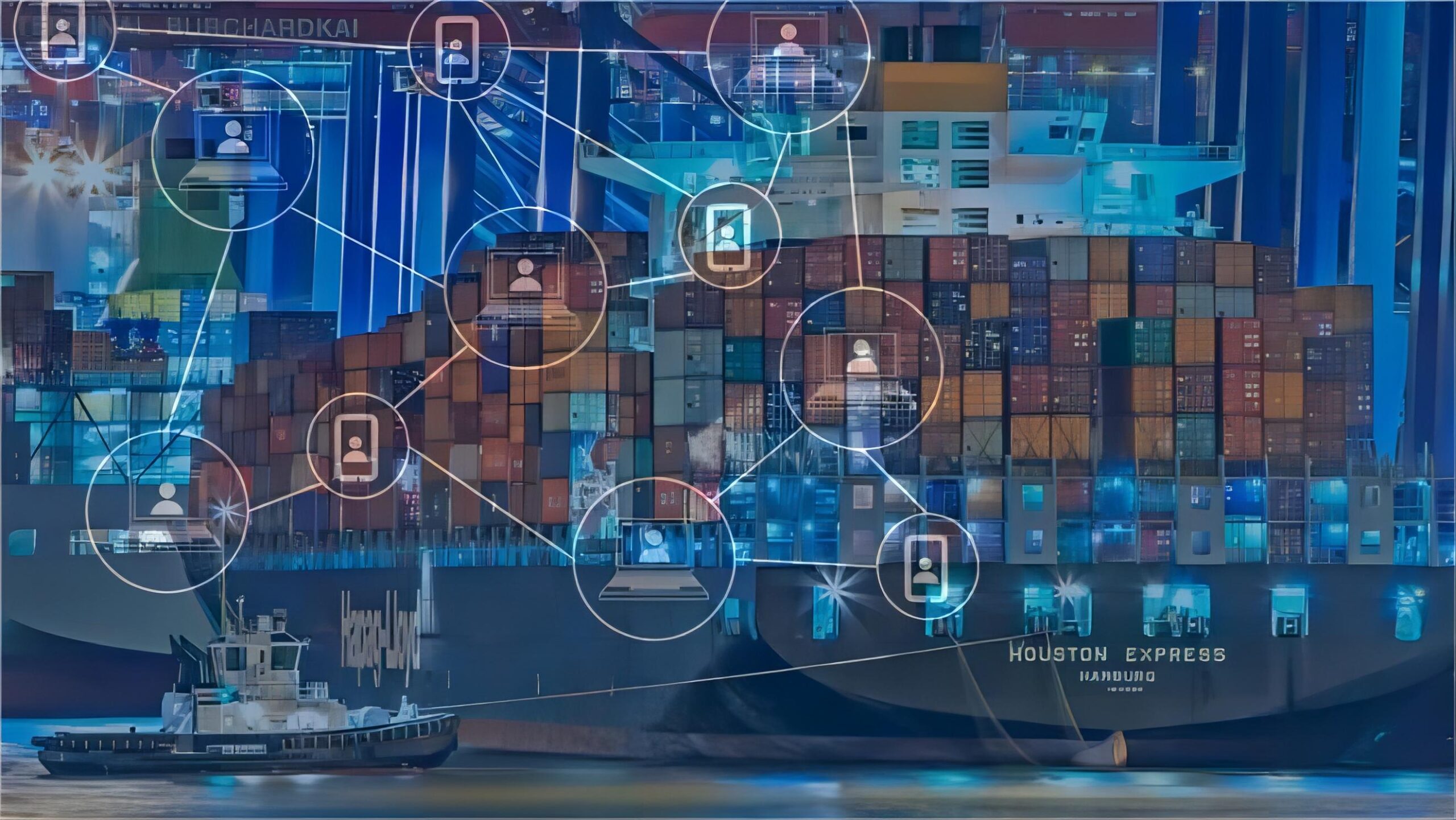
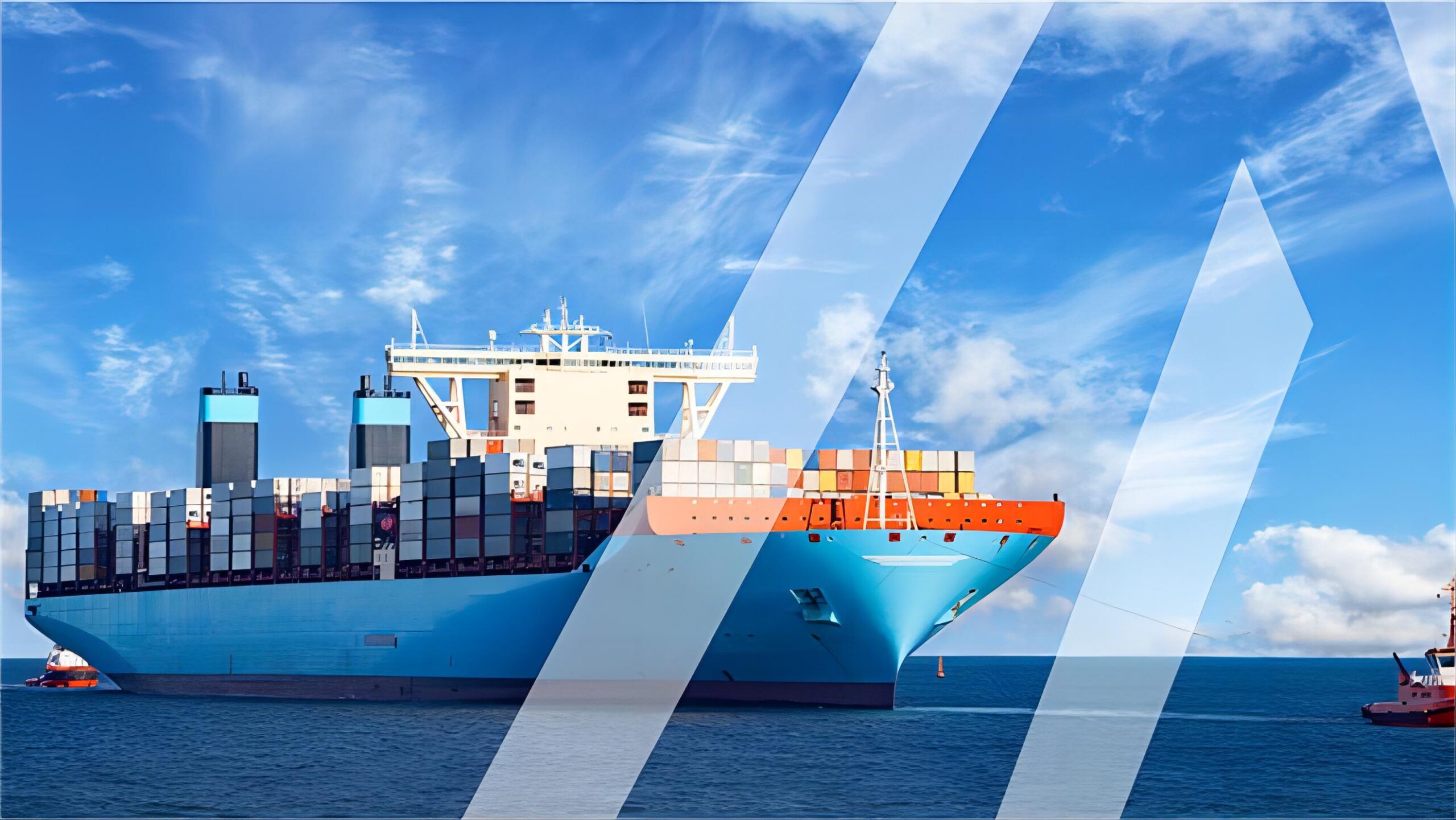
Ocean freight involves transporting goods via cargo ships across the Pacific Ocean. It is indeed the most common and cost-effective method for shipping large volumes and heavy goods from China to the United States. Furthermore, it forms the backbone of global trade routes for many industries.
Typically, shipments are categorized into Full Container Load (FCL) or Less than Container Load (LCL). FCL utilizes an entire container for a single consignee, offering efficiency. Conversely, LCL combines multiple smaller shipments into one container, which is ideal for lower volumes.
How Does Ocean Freight Compare to Other Shipping Options?
Choosing the right shipping method from China to the US depends on various factors. Consequently, understanding the trade-offs between speed, cost, and cargo type is essential. This comparison highlights key differences to help you decide.
Consider your budget, urgency, and the nature of your goods before making a selection. Each method presents distinct advantages and limitations for your supply chain.
| Shipping Method | Cost Range (per kg/CBM) | Transit Time | Best For | Limitations |
|---|---|---|---|---|
| Ocean Freight (FCL) | Low ($0.05-$0.15/kg) | 14-38 days | Large, heavy, non-urgent goods | Slow, port congestion risk |
| Ocean Freight (LCL) | Medium ($0.10-$0.25/kg) | 20-45 days | Small to medium volumes, non-urgent | Slower than FCL, more handling |
| Air Freight | High ($4-$8/kg) | 3-7 days | Urgent, high-value, small volume | Expensive, size/weight restrictions |
| Express Service | Very High ($8-$15/kg) | 2-5 days | Samples, documents, critical small packages | Highest cost, strict weight limits |
Sea Freight vs. Air Freight
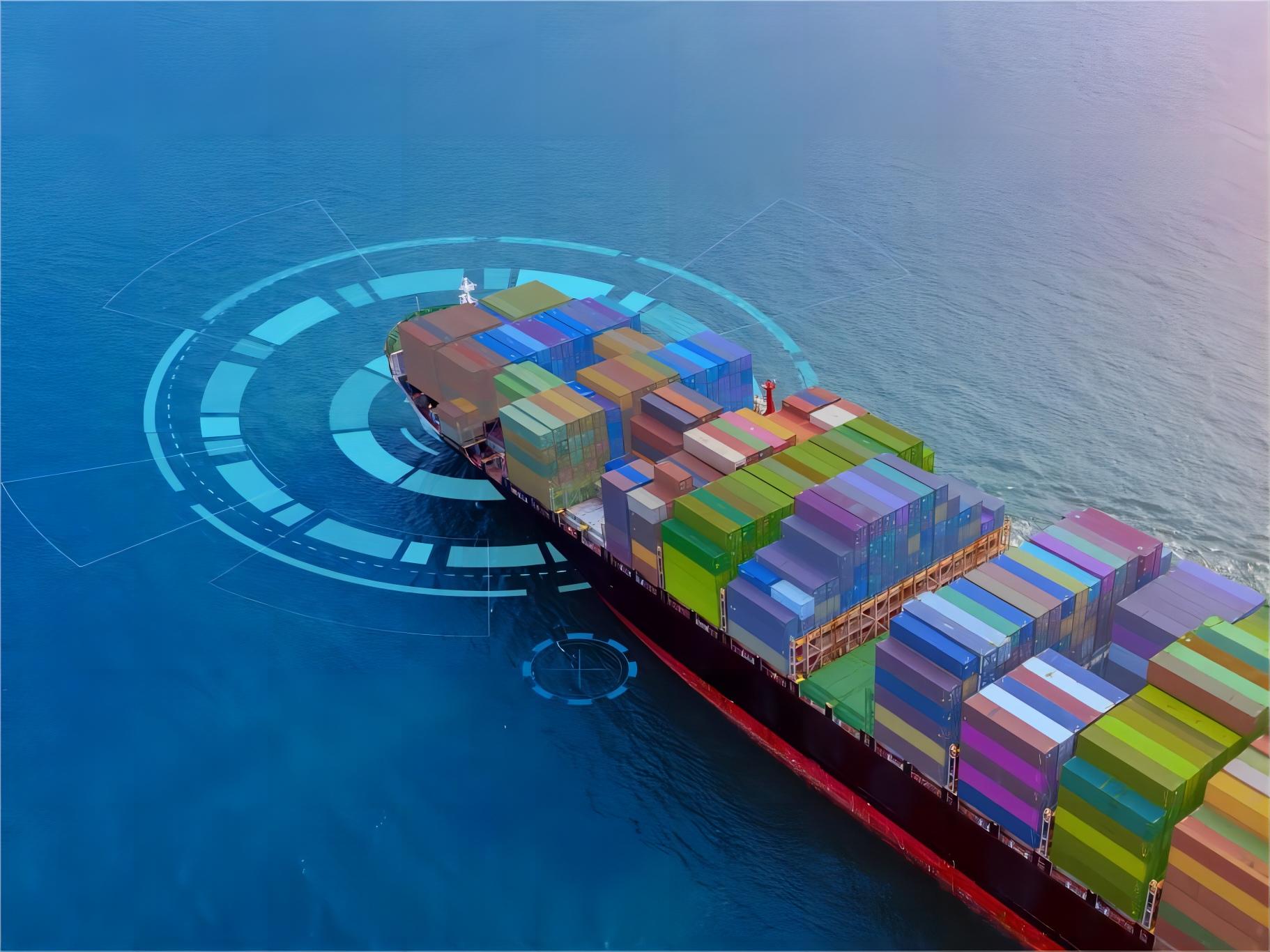
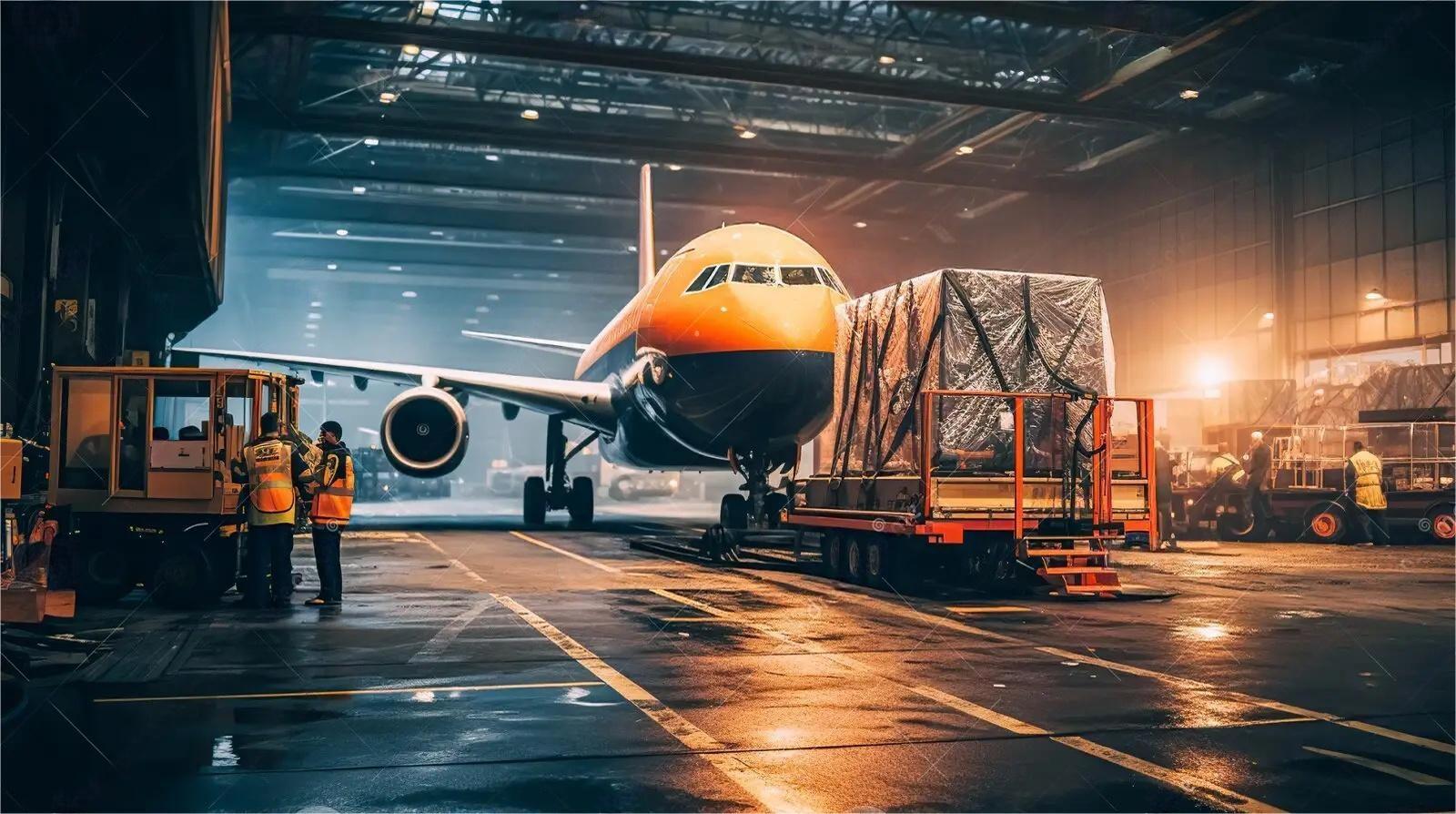
Undoubtedly, sea freight is the most economical option for bulk shipments. It offers significantly lower shipping costs compared to air transport. However, air freight provides much faster transit times, often delivering within days rather than weeks. Therefore, air freight is preferred for urgent, high-value, or time-sensitive goods, despite its higher price point.
For instance, a 40HQ container via sea might cost $2,800-$3,800 to the USA West Coast, taking 14-18 days. The equivalent volume by air could cost $15,000-$25,000 but arrive in 5-7 days. Market data suggests rates fluctuate based on fuel surcharges and capacity.
FCL vs. LCL Shipments
When shipping goods, FCL (Full Container Load) is generally more cost-effective per unit for larger volumes. It offers dedicated container space and often faster transit as it avoids consolidation delays. Conversely, LCL (Less than Container Load) is ideal for smaller shipments, typically under 15 CBM. It allows businesses to share container space, paying only for the volume used, thereby reducing overall shipping costs. This makes LCL a flexible option for many small to medium-sized importers.
Which Option Should You Choose?
Ultimately, the best shipping option depends on your specific business priorities. If budget is your primary concern and time is flexible, ocean freight, especially LCL for smaller volumes, is recommended. Conversely, for urgent deliveries or high-value items, air freight offers the necessary speed. Consider cargo type, volume, and required delivery schedule carefully to optimize your logistics strategy.
Understanding Ocean Freight Costs from China to USA
Calculating the total shipping costs from China to USA involves more than just the ocean freight rate. Many factors influence the final price, including container size, origin and destination ports, and current market conditions. Additionally, fuel surcharges, port fees, and customs duties significantly add to the overall expense.
Rates, however, are subject to change based on global supply chain dynamics, carrier capacity, and seasonal demand. Always seek a current quote for accurate pricing. Based on Q1 2025 market rates, typical costs for a 40HQ container to the USA can range as shown below.
| Container Type | USA West Coast (e.g., LA/Long Beach) | USA East Coast (e.g., NY/Savannah) |
|---|---|---|
| 20GP | $1,500 – $2,200 | $2,500 – $3,500 |
| 40GP | $2,500 – $3,500 | $4,000 – $5,500 |
| 40HQ | $2,800 – $3,800 | $4,500 – $6,000 |
Navigating Transit Times and Delivery Schedules
The transit time China to US ocean freight varies considerably depending on the specific ports and chosen service route. Direct routes are faster, while transshipment via intermediate ports can add several days. Port congestion, weather conditions, and customs clearance efficiency can also impact delivery schedules.
For example, shipments to the USA West Coast ports like Los Angeles or Long Beach typically take 14-20 days. Conversely, East Coast ports such as New York or Savannah often require 30-38 days of sea transit. Therefore, planning with buffer time is always advisable for your supply chain management.
Essential Steps for Smooth Customs Clearance China US
Successful customs clearance China US is paramount for any import business. It involves meticulous documentation, adherence to US import regulations, and payment of appropriate duties and taxes. Incorrect paperwork or non-compliance can lead to significant delays and penalties.
Working with an experienced customs broker is highly recommended to navigate these complexities. They ensure all necessary permits, declarations, and product classifications are accurately handled. This proactive approach minimizes risks and streamlines the entry process for your goods.
Case Study: Streamlining E-commerce Imports to the USA
This case illustrates a typical scenario for an e-commerce business importing consumer goods. Optimizing for cost while maintaining reasonable transit time was key for efficient inventory management. The client needed a reliable solution for their growing product line.
Case Study 1: E-commerce Bulk Order to USA West Coast
This particular shipment demonstrates effective LCL utilization for a medium-sized consignment. Careful planning from booking to final delivery ensured the client’s inventory replenishment was on schedule. This approach balanced cost-efficiency with acceptable lead times.
| Category | Detail 1 | Detail 2 | Detail 3 |
|---|---|---|---|
| Route/Cargo | Origin: Shanghai, China | Destination: Long Beach, USA | Cargo: Electronics, 18 CBM |
| Shipment Info | Container: LCL 18 CBM | Carrier: COSCO | Route Type: Direct |
| Cost (USD) | Ocean Freight: $1,250 | Origin/Dest Charges: $750 | Est. Duties: $550, Total: $2,550 |
| Timeline (Days) | Booking to Load: 5 | Sea Transit: 16 | Clearance/Total: 3/28 |
Choosing the Best Freight Forwarder for Your Ocean Freight Needs
Selecting the right freight forwarder is a critical step for successful door-to-door shipping China to US. Look for a partner with extensive experience in the China-US trade lane. Their expertise in import regulations, customs procedures, and network of carriers is invaluable.
A reliable freight forwarder provides transparent communication, competitive pricing, and robust tracking capabilities. They act as your logistics extension, ensuring seamless cargo handling from origin to final destination. Ultimately, a good partner can significantly optimize your supply chain solutions.
Conclusion
In conclusion, managing `ocean freight from China to US` requires careful planning and strategic partnerships. By understanding the various shipping methods, costs, and regulatory requirements, businesses can achieve efficient and cost-effective imports. Partnering with an experienced freight forwarder like China Top Freight ensures your goods arrive safely and on time, streamlining your entire supply chain.
Need a tailored shipping solution?
Ready to optimize your supply chain with reliable ocean freight from China to US? Contact our experts today for a personalized quote and seamless shipping experience. We are here to simplify your international logistics.