

Best Freight Forwarder from China to UK: Your Ultimate Shipping Guide
Navigating international shipping can be complex, especially when importing from China to the UK. Businesses constantly seek efficient and cost-effective solutions for their supply chains. The key to successful international trade often lies in partnering with the right logistics expert. For comprehensive support, explore services at China Top Freight.
Why a Reliable Freight Forwarder is Essential for China-UK Shipping
Shipping goods from China to the UK involves intricate processes, from factory gates to final delivery. A professional freight forwarder acts as your central point of contact, managing all logistical complexities. They ensure your cargo moves smoothly and efficiently across borders.
Furthermore, a seasoned freight forwarder offers invaluable expertise in international regulations and customs procedures. This significantly reduces the risk of delays and unexpected costs. Consequently, businesses can focus on their core operations, confident that their shipments are in capable hands.
Key Considerations for Choosing the Best Freight Forwarder from China to UK
Selecting the ideal freight forwarder requires careful evaluation of several critical factors. Your choice directly impacts your shipping costs, transit time, and overall supply chain efficiency. Therefore, it is important to conduct thorough due diligence.
Moreover, the right partner will understand your specific business needs and provide tailored solutions. This includes handling diverse cargo types and navigating complex routes. Prioritizing these elements ensures a robust and reliable shipping experience.
Reliability and Experience
Experience is paramount when dealing with the complexities of international logistics. A reputable freight forwarder boasts a proven track record of successful shipments. They possess deep knowledge of both Chinese export and UK import regulations.
Additionally, robust communication channels and a strong network of partners are indicators of reliability. This ensures smooth coordination and swift resolution of any issues that may arise during transit. Always prioritize forwarders with extensive experience on the China-UK route.
Service Offerings and Flexibility
The range of services offered should align with your specific shipping requirements. Look for forwarders who provide comprehensive solutions, including various shipping methods. These might include sea freight, air freight, and even rail options.
In addition, services like warehousing, consolidation, and distribution can add significant value. A flexible forwarder can adapt to changing market conditions and your evolving business needs. This adaptability is crucial for maintaining an efficient supply chain.
Communication and Transparency
Clear and consistent communication is vital throughout the shipping process. A good freight forwarder provides regular updates on your shipment’s status. They also offer readily accessible support for any inquiries.
Furthermore, transparency in pricing and operations builds trust. Avoid partners with hidden fees or unclear terms. You should always know what you are paying for and what to expect at each stage of the journey.
Cost-Effectiveness and Value
While cost is a significant factor, it should not be the sole determinant. The cheapest option is not always the best, especially if it compromises reliability or service quality. Seek a balance between competitive pricing and excellent service.
Indeed, a forwarder who can optimize routes, consolidate shipments, and offer efficient solutions often provides the best value. They help reduce overall shipping costs from China to UK without sacrificing performance. Consider the total landed cost, not just the freight rate.
How Does Shipping from China to UK Work? A Step-by-Step Guide
Understanding the shipping process empowers you to make informed decisions and prepare effectively. The journey typically begins with cargo pickup from the supplier in China and concludes with delivery to your UK address. Each stage requires careful management.
Moreover, proper planning and documentation are crucial to avoid delays and ensure compliance. A skilled freight forwarder streamlines these steps, providing peace of mind. This systematic approach contributes to a smooth import experience.
Documentation Essentials for China-UK Shipments
Accurate and complete documentation is non-negotiable for international shipping. Missing or incorrect paperwork can lead to significant delays and penalties at customs. Therefore, meticulous attention to detail is required.
Furthermore, your freight forwarder will guide you through the necessary forms and certificates. They ensure all documents comply with both Chinese export and UK import regulations. This proactive approach prevents common pitfalls.
| Document | Purpose | Issued By | Notes |
|---|---|---|---|
| Commercial Invoice | Details of goods, value, seller, buyer | Seller | Crucial for customs valuation |
| Packing List | Itemized list of goods, packaging details | Seller | Assists in cargo handling and inspection |
| Bill of Lading (B/L) / Air Waybill (AWB) | Contract of carriage, title to goods | Carrier/Forwarder | Proof of shipment and ownership |
| Certificate of Origin | Declares country of manufacture | Chamber of Commerce | May be required for preferential tariffs |
| Import License | Permission to import certain goods | UK Authorities | Required for controlled or restricted items |
Customs Clearance and Duties
Upon arrival in the UK, all imported goods must undergo customs clearance. This process involves declaring the goods, paying applicable duties and taxes, and ensuring compliance with regulations. It can be a complex and time-consuming stage.
A proficient freight forwarder, often acting as a customs brokerage expert, handles this on your behalf. They calculate duties, submit declarations, and liaise with customs authorities. This minimizes potential delays and ensures smooth entry into the UK market.
Market Dynamics and Freight Rates: What to Expect
Freight rates from China to the UK are subject to constant fluctuations influenced by various global and regional factors. Understanding these dynamics helps in budget planning and strategic decision-making. Staying informed is key to securing competitive pricing.
As of Q1 2025, freight rates from China to Europe have generally stabilized after the volatility seen in 2024 due to Red Sea disruptions. However, capacity management and fuel surcharges continue to play a significant role. Always factor in potential market shifts.
Understanding Current Trends
Current market data suggests a continued focus on supply chain resilience. Many businesses are diversifying their shipping strategies to mitigate risks. This trend can influence available capacity and pricing on major trade lanes.
Additionally, increased demand for sustainable shipping solutions is shaping carrier offerings. Forwarders who can provide greener options may become more attractive. This reflects a broader industry shift towards environmental responsibility.
Seasonal Variations and Peak Seasons
Shipping rates typically experience seasonal increases throughout the year. For instance, rates often climb during the pre-Chinese New Year period as factories rush to complete orders. This creates a surge in demand for shipping space.
Moreover, the peak season from August to October, driven by holiday shopping (e.g., Black Friday, Christmas), also sees significant rate hikes. Expect rates to increase by 15-25% during these periods. Planning ahead can help mitigate these surcharges.
Disclaimer on Pricing
Note: Freight rates are subject to change based on fuel costs, carrier capacity, and seasonal demand. The prices mentioned are illustrative based on typical rates as of early 2025. Contact us for a current quote tailored to your specific shipment.
How Does Sea Freight Compare to Other Shipping Options from China to UK?
Choosing the right shipping method is crucial for balancing speed, cost, and cargo requirements. Each option offers distinct advantages and disadvantages for the China-UK route. Consequently, a comprehensive understanding is essential for making an informed decision.
This section will objectively analyze the primary viable alternatives for shipping your goods. We will explore sea, air, and rail freight, providing insights into their respective applications. Ultimately, your choice depends on your specific priorities and cargo profile.
| Shipping Method | Cost Range (40HQ approx.) | Transit Time (China to UK) | Best For | Limitations |
|---|---|---|---|---|
| Sea Freight | $3,500 – $4,500 | 30-38 days | Large, heavy, non-urgent goods | Long transit times, port congestion risk |
| Air Freight | $15,000 – $25,000+ | 5-7 days | Urgent, high-value, perishable goods | High cost, weight/size restrictions |
| Rail Freight | $8,000 – $12,000 | 18-25 days | Medium urgency, balanced cost/speed | Limited routes, capacity constraints |

Sea Freight: The Backbone of Global Trade
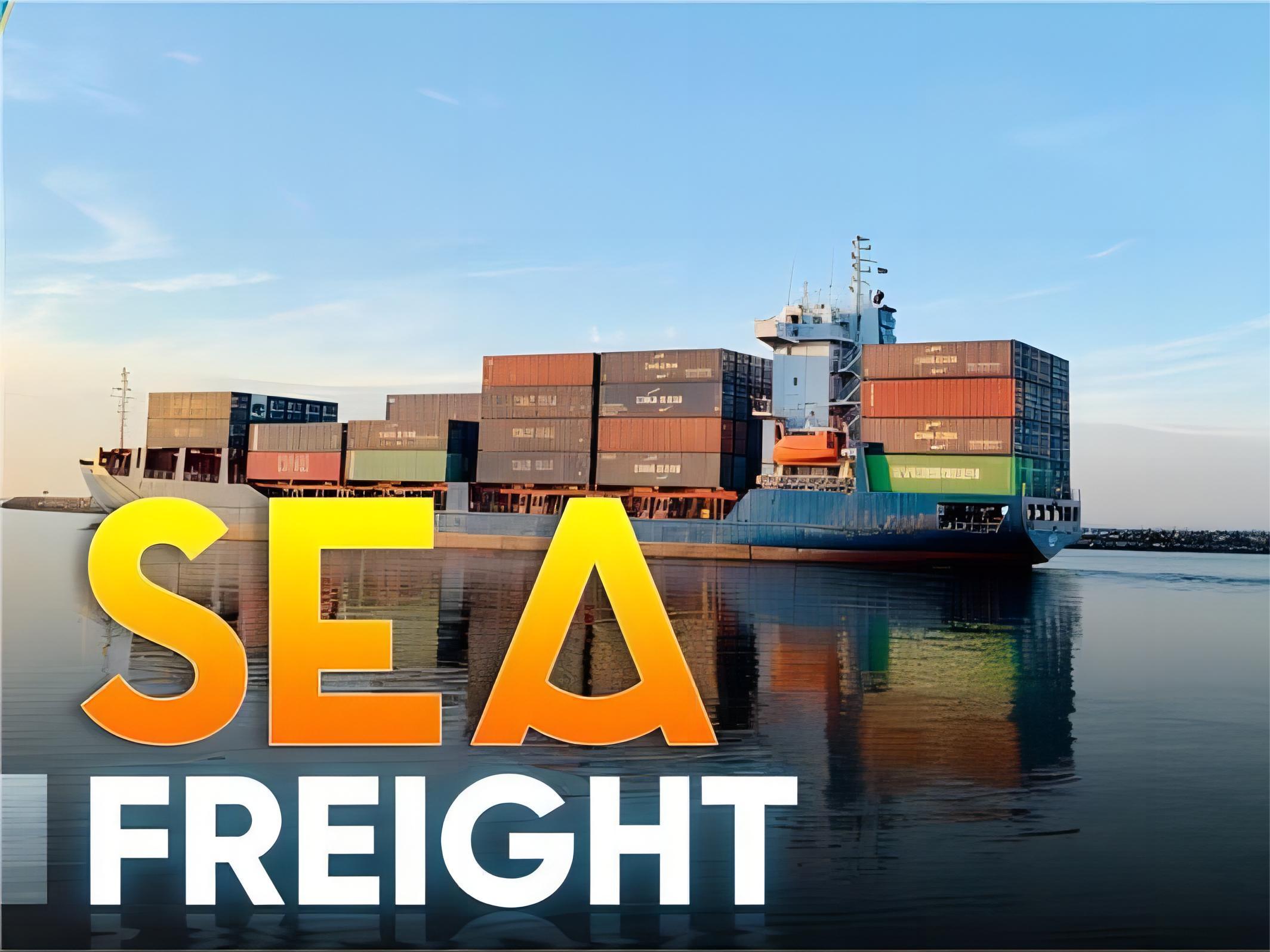
Sea freight remains the most cost-effective option for large volumes and heavy goods. It is ideal for businesses that prioritize budget over speed. Shipments typically utilize either Full Container Load (FCL) or Less than Container Load (LCL) services.
While sea freight transit times are longer, usually 30-38 days from major Chinese ports to the UK, its economic benefits are undeniable. It’s suitable for non-urgent inventory replenishment and bulk orders. Many businesses rely on this method for their regular imports.
Air Freight: Speed and Urgency
For time-sensitive shipments, air freight is the fastest solution. Goods can arrive in the UK within 5-7 days, making it perfect for urgent deliveries, high-value items, or perishable goods. However, this speed comes at a higher cost.
Air cargo is significantly more expensive than sea freight, especially for bulky items. It is generally reserved for smaller, lighter consignments where rapid delivery is critical. This method plays a vital role in just-in-time supply chains.
Rail Freight: A Balanced Approach
Rail freight offers a compelling middle ground between sea and air freight in terms of both cost and speed. Transit times from China to the UK via rail typically range from 18-25 days. This makes it faster than sea but more economical than air.
This option is gaining popularity for its environmental benefits and reliability. It is particularly well-suited for medium-sized shipments that require quicker delivery than sea freight but do not justify the high cost of air cargo. Rail freight routes connect major Chinese hubs to European rail networks, then onward to the UK.
Optimizing Your Shipping Strategy: Alternatives and Hybrid Solutions
Beyond the primary shipping methods, several alternative approaches and hybrid solutions can further optimize your logistics. These strategies are designed to meet diverse business needs, offering flexibility and efficiency. Understanding them can lead to significant savings and improved delivery schedules.
Moreover, selecting the right combination of services can address specific challenges like fluctuating freight rates or urgent delivery requirements. This adaptive approach is crucial for modern supply chain management. Consider these options to refine your import process.
FCL vs. LCL: Volume Matters
For sea freight, the choice between Full Container Load (FCL) and Less than Container Load (LCL) is fundamental. FCL means your goods occupy an entire container, offering faster transit and less handling. It is generally more economical for larger volumes.
Conversely, LCL involves sharing container space with other shippers. This is ideal for smaller shipments (typically under 15 CBM) where you don’t have enough cargo to fill a full container. While LCL at $50-80/CBM may be more economical for smaller volumes, it can have slightly longer transit times due to consolidation and deconsolidation processes.
Direct vs. Transshipment Routes
When shipping by sea, you might choose between direct routes and those involving transshipment. Direct routes offer quicker transit times as vessels travel directly from a Chinese port to a UK port. However, they can be 10-15% more expensive.
Transshipment routes involve transferring cargo at an intermediate port, such as Singapore or Port Klang. While this can save on costs, it typically adds 5-7 days to the overall transit time. The decision depends on your urgency and budget priorities.
Hybrid Solutions: Sea-Air and Rail-Sea Combinations
Hybrid shipping strategies combine different modes of transport to leverage their respective advantages. Sea-air freight, for instance, involves shipping goods by sea to a hub (e.g., Dubai) and then by air to the UK. This is faster than pure sea freight but cheaper than pure air freight.
Similarly, rail-sea combinations can be effective. Goods might travel by rail across China to a port, then by sea to the UK. These solutions offer a balance of speed and cost, providing flexibility for certain types of cargo and delivery schedules.
Cost-Saving Strategies and Trade-offs
To reduce shipping costs from China to UK, consider consolidating multiple smaller orders into one larger shipment. Additionally, opting for slower shipping methods when possible can yield significant savings. Planning well in advance helps avoid last-minute, expensive options.
However, these savings often come with trade-offs, primarily in terms of transit time. Evaluate whether the cost reduction outweighs the potential impact on your inventory and delivery schedule. A strategic approach balances these factors effectively.
Which Shipping Option Should You Choose? A Decision Framework
Making the optimal choice for your China-UK shipments requires a clear understanding of your priorities. A structured decision framework can guide you through the options. This ensures you select the most suitable and cost-effective shipping solution.
Consider your budget, time constraints, and the nature of your cargo. Each factor plays a significant role in determining the best approach. This framework helps you align your logistics strategy with your business objectives.
Prioritizing Budget
If budget is your top priority, sea freight (especially LCL for smaller volumes, FCL for larger) is generally the most economical choice. It offers the lowest per-unit cost for bulk shipments. This option is ideal for businesses with longer lead times.
For very small parcels, postal services or certain express services might be competitive. Always compare total landed costs, including duties and destination charges. This holistic view ensures true cost-effectiveness.
Prioritizing Speed
When speed is paramount, air freight is the undisputed champion. It provides the quickest transit times, crucial for urgent orders or high-value, time-sensitive goods. This option minimizes stock-out risks.
For a balance of speed and cost, rail freight presents a viable alternative. It is significantly faster than sea freight without the premium price tag of air cargo. This makes it suitable for moderately urgent shipments. Furthermore, express services also offer rapid delivery for smaller packages.
Cargo Type and Volume Considerations
The nature and volume of your cargo heavily influence the best shipping method. Large, bulky, or heavy items are typically best suited for sea freight. This method accommodates various container sizes and offers robust handling for diverse goods.
Conversely, small, lightweight, and high-value items often benefit from air freight or express services due to reduced handling and faster transit. For instance, Amazon FBA sellers often use a mix of air and sea freight depending on product demand and inventory levels. Consider a tailored Amazon FBA solution.
Real-World Shipping Scenarios: Case Studies
Examining real-world examples helps illustrate the practical application of different shipping strategies. These case studies provide concrete insights into costs, transit times, and challenges. They demonstrate how businesses successfully import goods from China to the UK.
Based on Q3 2024 market rates, these examples offer a realistic perspective. They highlight the importance of choosing the right freight forwarder and shipping method for specific needs. Each scenario showcases a different approach to logistics.
Case Study 1: Large Volume Sea Freight for Home Goods Retailer
A UK-based home goods retailer needed to import a large consignment of furniture and decor items. Their priority was cost-effectiveness for bulk inventory. They chose sea freight for its economic advantages.
The freight forwarder managed the entire process, from factory pickup in China to final delivery in the UK. This ensured a smooth and cost-efficient supply chain solution. This approach is common for businesses with predictable demand.
| Detail | Value |
|---|---|
| Route | Ningbo, China -> Felixstowe, UK |
| Cargo | Furniture & home decor, 60 CBM, 8,000 kg |
| Container | 1 x 40HQ |
| Carrier/Service | COSCO via direct route |
| Port of Loading | Ningbo |
| Port of Discharge | Felixstowe |
| Route Type | Direct |
| Ocean Freight | $3,850 |
| Origin Charges | $450 |
| Destination Charges | $320 |
| Customs & Duties (estimated) | $1,200 |
| Total Landed Cost | $5,820 |
| Booking to Loading | 5 days |
| Sea Transit | 32 days |
| Customs Clearance | 3 days |
| Total Door-to-Door | 40 days |
| Key Insight | Cost-effective for bulk, but requires long lead time. Efficient customs brokerage was crucial. |
Case Study 2: Time-Sensitive Air Freight for Electronics Distributor
An electronics distributor required a rapid delivery of new product launches to meet market demand in the UK. Speed was paramount to capitalize on pre-order sales. Air freight was the clear choice for this urgent shipment.
The freight forwarder coordinated express pickup and expedited customs clearance. This ensured the products reached the UK market well within the launch window. This strategy minimizes inventory holding costs for fast-moving goods.
| Detail | Value |
|---|---|
| Route | Shenzhen, China -> London Heathrow, UK |
| Cargo | High-value consumer electronics, 3 CBM, 500 kg |
| Container | Air Cargo (Consolidated) |
| Carrier/Service | Major airline via express service |
| Airport of Loading | Shenzhen Bao’an (SZX) |
| Airport of Discharge | London Heathrow (LHR) |
| Route Type | Direct flight |
| Air Freight | $3,500 |
| Origin Charges | $200 |
| Destination Charges | $150 |
| Customs & Duties (estimated) | $800 |
| Total Landed Cost | $4,650 |
| Booking to Loading | 2 days |
| Air Transit | 1 day |
| Customs Clearance | 1 day |
| Total Door-to-Door | 5 days |
| Key Insight | High cost justified by speed and market opportunity. Seamless door-to-door delivery was essential. |
Case Study 3: Consolidated LCL Shipment for Small Business
A small online retailer in the UK regularly imports various small batches of fashion accessories from different suppliers in China. They needed a cost-effective solution for consolidating these smaller orders. LCL sea freight proved to be the ideal method.
The freight forwarder collected goods from multiple factories, consolidated them into a single container, and managed the entire process. This approach significantly reduced shipping costs compared to individual express shipments. It is perfect for businesses with varied, smaller imports.
| Detail | Value |
|---|---|
| Route | Shanghai, China -> Southampton, UK |
| Cargo | Fashion accessories, 8 CBM, 1,200 kg |
| Container | LCL (Less than Container Load) |
| Carrier/Service | Consolidation service via major carrier |
| Port of Loading | Shanghai |
| Port of Discharge | Southampton |
| Route Type | Transshipment via Singapore |
| Ocean Freight (LCL) | $640 (8 CBM x $80/CBM) |
| Origin Charges | $300 |
| Destination Charges | $250 |
| Customs & Duties (estimated) | $400 |
| Total Landed Cost | $1,590 |
| Booking to Loading | 7 days |
| Sea Transit | 38 days |
| Customs Clearance | 4 days |
| Total Door-to-Door | 50 days |
| Key Insight | Excellent for consolidating multiple suppliers and reducing individual shipment costs. Transit time is longer but manageable for non-urgent goods. An express service would have been cost-prohibitive for this volume. |
The Role of Value-Added Logistics Services
Beyond core transportation, many freight forwarders offer a suite of value-added services. These services can further streamline your supply chain and enhance efficiency. They cater to specific business needs, providing comprehensive solutions.
Consequently, integrating these services into your shipping strategy can lead to greater convenience and cost savings. Consider how these offerings can benefit your operations. They are crucial for a truly optimized logistics partner.
Customs Brokerage and Compliance
Expert customs brokerage is indispensable for smooth international trade. A skilled broker ensures all import and export declarations are accurate and compliant with UK and Chinese regulations. This prevents costly delays and penalties.
They also advise on tariffs, duties, and any specific licensing requirements for your goods. Partnering with a forwarder offering in-house brokerage services simplifies the entire customs process. This expertise is a cornerstone of reliable freight forwarding.
Amazon FBA Prep and Delivery
For Amazon sellers, specialized Amazon FBA services are a game-changer. These include inspection, labeling, packaging, and direct delivery to Amazon fulfillment centers in the UK. This ensures your products meet Amazon’s strict requirements.
A forwarder with FBA expertise can significantly reduce your workload and potential issues. They manage the entire process, from factory to Amazon warehouse. This allows you to focus on sales and marketing, confident in your logistics.
Door-to-Door Delivery Solutions
A door-to-door service offers the ultimate convenience. The freight forwarder manages every aspect of the shipment, from picking up goods at the supplier’s factory to delivering them directly to your specified address in the UK. This eliminates the need for multiple logistics providers.
This comprehensive service simplifies your supply chain, reduces administrative burden, and provides a single point of accountability. It is particularly beneficial for businesses seeking a hassle-free import experience. This ensures seamless last-mile delivery.
Conclusion: Partnering for Success in China-UK Freight
Ultimately, selecting the best freight forwarder from China to UK is a strategic decision that impacts your entire business. It requires careful consideration of reliability, service offerings, communication, and cost-effectiveness. The right partner provides not just transportation but a comprehensive logistics solution.
By understanding the various shipping methods, market dynamics, and value-added services, you can make an informed choice. A professional freight forwarder empowers you to navigate the complexities of international trade with confidence. This partnership ensures your goods arrive safely, on time, and within budget.
Ready to streamline your logistics?
Finding the best freight forwarder from China to UK is crucial for your business’s success. Do not leave your valuable cargo to chance. Contact us today for a personalized quote and discover how our expertise can streamline your supply chain. We are ready to assist you with all your shipping needs.
Request Quote