

Home Goods Sea Freight China to UK: Your Ultimate Guide
Navigating international logistics for home goods can be complex, especially when importing from China to the UK. Many businesses and individuals face challenges with high shipping costs and lengthy transit times. This comprehensive guide, brought to you by China Top Freight, aims to simplify the process, offering clear solutions for efficient and cost-effective sea freight.
Understanding Home Goods Sea Freight from China to UK
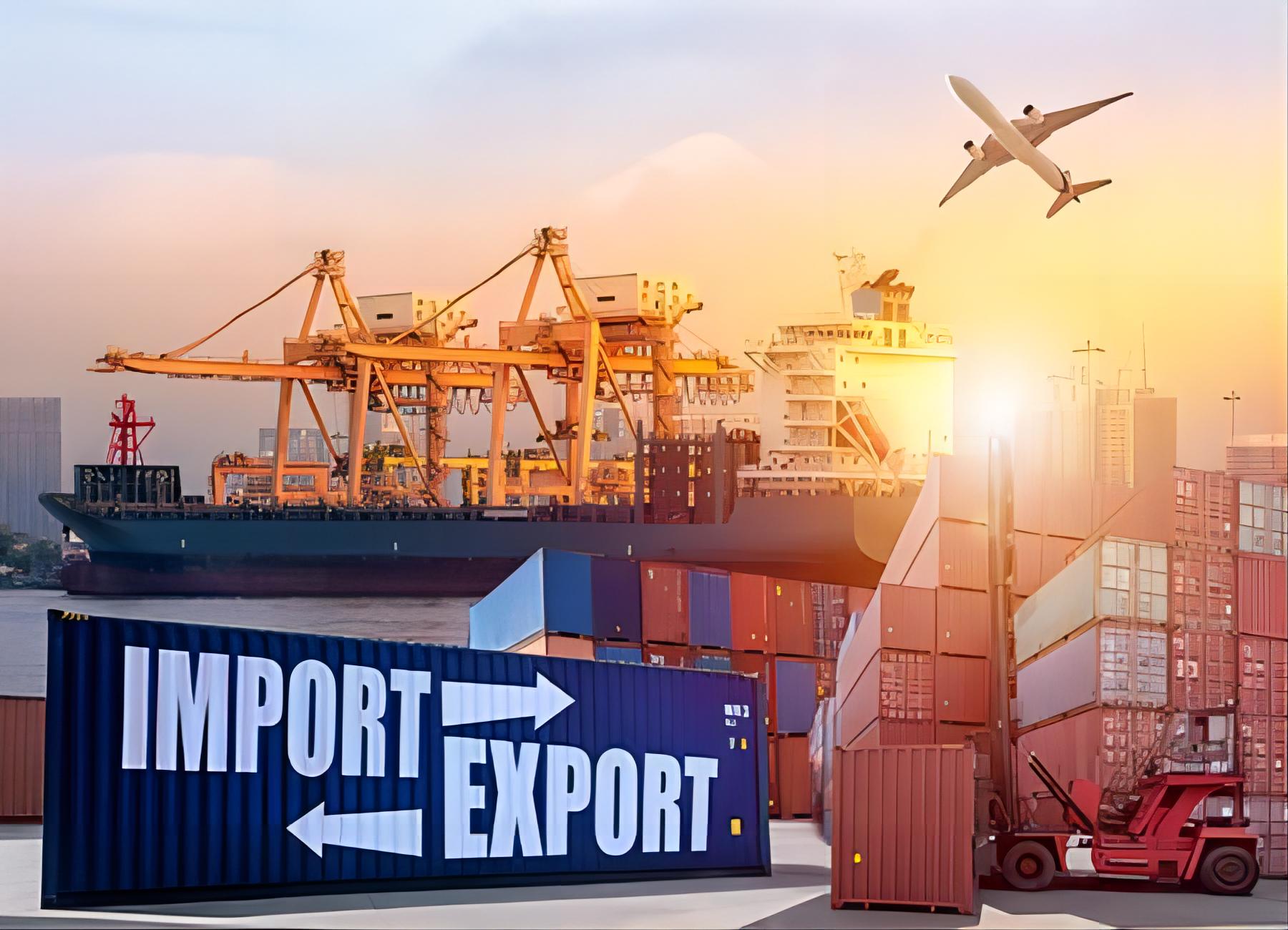
Shipping home goods from China to the UK via sea freight is often the most economical choice for large volumes. This method provides significant cost savings compared to air freight, making it ideal for furniture, appliances, and bulk decor items. Consequently, it supports businesses in maintaining competitive pricing in the UK market.

However, sea freight requires careful planning due to longer transit times. Therefore, understanding the entire process, from booking to final delivery, is crucial for successful import operations. Moreover, working with an experienced freight forwarder can streamline these complex procedures.
Ultimately, selecting the right shipping partner ensures your valuable home goods arrive safely and efficiently. This includes managing documentation, customs clearance, and inland transportation effectively. Furthermore, it helps avoid unexpected delays and additional charges.
Why Choose Sea Freight for Your UK Home Goods Imports?
Sea freight stands out as a preferred option for importing home goods due to its substantial capacity and cost-effectiveness. This method allows for the transportation of large, bulky items that would be prohibitively expensive by air. Moreover, it is highly scalable, accommodating anything from a few boxes to multiple full containers.
Consider sea freight for large shipments to maximize your budget. It significantly lowers per-unit shipping costs, thereby improving profit margins for retailers and reducing expenses for individuals. Furthermore, the environmental impact per ton-mile is generally lower than other modes, appealing to eco-conscious businesses.
Therefore, for non-urgent, high-volume shipments of household items, sea freight remains the industry standard. It provides a reliable backbone for the global supply chain, ensuring a steady flow of goods to consumers. Additionally, modern tracking systems offer visibility throughout the journey.
| Shipping Method | Cost Range (per kg) | Transit Time (China-UK) | Best For | Key Advantage |
|---|---|---|---|---|
| Sea Freight | $0.10 – $0.30 | 30-38 days | Large, heavy, non-urgent goods | Cost-effective |
| Air Freight | $3.00 – $6.00 | 5-10 days | Small, urgent, high-value goods | Speed |
| Rail Freight | $1.50 – $2.50 | 18-25 days | Medium urgency, bulk goods | Balance of speed/cost |
Key Factors Influencing Home Goods Sea Freight Costs
Several variables dictate the final cost of shipping home goods from China to the UK. Understanding these factors helps in budgeting and optimizing your shipping strategy. Indeed, accurate cost estimation prevents unforeseen expenses.
Primarily, the volume and weight of your cargo are critical determinants. Larger, heavier shipments naturally incur higher freight rates. Consequently, efficient packaging and consolidation can lead to considerable savings.
Additionally, the specific ports of origin and destination, along with current market conditions, play a significant role. Peak seasons, fuel surcharges, and carrier capacity fluctuations also impact pricing. Hence, planning ahead is always advisable.
FCL vs LCL: Which is Right for You?
Deciding between Full Container Load (FCL) and Less than Container Load (LCL) is crucial for home goods sea freight. This choice directly impacts both cost and transit time. Therefore, assessing your cargo volume accurately is essential.
FCL involves reserving an entire container (e.g., 20GP, 40GP, 40HQ) exclusively for your goods. This option is typically more cost-effective for shipments exceeding 15-20 CBM. Moreover, it often results in faster transit times as there’s no need for consolidation or deconsolidation.
Conversely, LCL is suitable for smaller shipments that don’t fill an entire container. Your goods are consolidated with other shippers’ cargo, sharing container space and costs. While more affordable for smaller volumes, LCL can involve longer transit times due to extra handling. Consequently, careful planning is required.
Navigating Customs, Duties, and Taxes for UK Imports
Importing home goods into the UK involves navigating complex customs procedures, duties, and VAT. Proper documentation and classification are paramount to avoid delays and penalties. Therefore, engaging with an expert in customs brokerage is highly recommended.
The UK Global Tariff (UKGT) outlines the specific duty rates for various home goods categories. Furthermore, VAT (currently 20%) is applied to the total value of the goods plus shipping costs and duties. Consequently, accurate valuation is critical.
Hence, preparing all necessary paperwork, including commercial invoices, packing lists, and bills of lading, is a vital step. A professional broker can ensure compliance and expedite clearance, facilitating a smoother import process. Without a doubt, this expertise saves time and money.
Navigating the Sea Freight Process: Step-by-Step
Undertaking home goods sea freight from China to the UK involves a series of coordinated steps. Understanding each stage helps manage expectations and ensures a smooth supply chain. Consequently, proactive communication with your freight forwarder is key.
The process typically begins with booking your shipment and preparing all necessary documentation. Subsequently, your goods are transported to the port of loading in China. There, they undergo customs clearance before being loaded onto the vessel. Clearly, precision at this stage is vital.
Upon arrival at a UK port, the cargo is offloaded and undergoes UK customs clearance, including duty and VAT assessment. Finally, the goods are delivered to your specified destination, often through door-to-door service. In addition, tracking your shipment throughout this journey provides peace of mind.
| Document | Purpose | Issued By | Notes |
|---|---|---|---|
| Commercial Invoice | Details goods, value, seller/buyer | Seller | Used for customs valuation |
| Packing List | Itemizes contents of each package | Seller | Aids in cargo inspection |
| Bill of Lading (B/L) | Contract of carriage, title to goods | Carrier/Forwarder | Key document for cargo release |
| Certificate of Origin | Confirms goods’ country of manufacture | Chamber of Commerce | May impact duty rates |
| Customs Declaration | Required for import/export clearance | Freight Forwarder/Importer | Ensures compliance with regulations |
How Does Sea Freight Compare to Other Shipping Options?
While sea freight is often the go-to for home goods from China to the UK, it is beneficial to understand alternative shipping methods. Each option presents unique trade-offs in terms of cost, speed, and capacity. Therefore, a comprehensive comparison helps in making informed decisions.
Air freight, for instance, offers unparalleled speed, delivering goods in days rather than weeks. However, this expedited service comes at a significantly higher cost, making it suitable only for urgent or high-value, low-volume items. Consequently, it’s rarely the primary choice for bulk home goods.
Moreover, rail freight provides a balanced alternative, faster than sea but more affordable than air. Although not directly applicable for China-UK (due to sea leg), it’s a strong contender for China-Europe routes. As a result, it bridges the gap between extreme speed and economy.
Hybrid solutions, such as sea-air, combine the cost-effectiveness of sea for the longest leg and the speed of air for the final stretch. This approach can optimize both transit times and budget for specific supply chain needs. Furthermore, it offers flexibility.
| Shipping Method | Cost Range (40HQ China-UK) | Transit Time (China-UK) | Best For | Limitations |
|---|---|---|---|---|
| Sea Freight (FCL) | $3,500 – $4,500 | 30-38 days | Large, non-urgent, heavy items | Slowest transit time |
| Sea Freight (LCL) | $2,500 – $3,500 (approx) | 35-45 days | Smaller shipments, cost-sensitive | Longer transit, more handling |
| Air Freight (Equivalent volume) | $15,000 – $25,000+ | 5-10 days | Urgent, high-value, small volume | Very high cost, volume/weight limits |
| Rail Freight (China-Europe, then sea/road to UK) | $8,000 – $12,000 | 20-30 days | Medium urgency, balanced cost | Not direct to UK, requires transshipment |

Which Option Should You Choose for Your Home Goods?
Selecting the optimal shipping method depends heavily on your specific priorities. A clear decision framework helps align your logistics strategy with business objectives. Consequently, careful evaluation is crucial.
If budget is your primary concern, and you have ample lead time, sea freight, especially LCL for smaller volumes or FCL for larger, is undoubtedly the most economical choice. Furthermore, it allows for greater inventory planning flexibility. Typical rates as of early 2025 for a 40HQ from China to UK range from $3,500 to $4,500.
Conversely, if speed is paramount for time-sensitive home decor or seasonal items, air freight is superior, despite its higher cost. For instance, air freight for a similar volume could reach $15,000-$25,000. However, for most home goods, this is often cost-prohibitive. For a balanced approach, considering shipping from China to Europe by rail then onward to the UK offers a middle ground on speed and cost.
Moreover, cargo type considerations also influence the decision. Fragile items might benefit from dedicated container space (FCL) to minimize handling. Volume thresholds are also key; typically, anything over 15-20 CBM makes FCL more attractive than LCL. As a result, understanding these nuances ensures efficient logistics. Note: Freight rates are subject to change based on fuel costs, carrier capacity, and seasonal demand. Contact us for a current quote tailored to your specific shipment.
Real-World Scenarios: Home Goods Shipments to the UK
Examining actual case studies provides practical insights into home goods sea freight from China to the UK. These examples illustrate how different factors influence cost, transit, and overall success. Indeed, learning from real-world experiences is invaluable.
Case Study 1: Large Furniture Order (FCL)
A UK-based furniture retailer needed to import a large consignment of wooden dining sets and sofas. Their priority was cost-efficiency for bulk items, with a reasonable lead time.
| Detail | Description |
|---|---|
| Route | Shanghai, China Felixstowe, UK |
| Cargo | Assorted wooden furniture, 65 CBM, 10,000 kg |
| Container | 40HQ |
| Shipping Details | Carrier: COSCO, Port of Loading: Shanghai, Port of Discharge: Felixstowe, Route Type: Direct |
| Cost Breakdown | Ocean Freight: $4,000, Origin Charges: $450, Destination Charges: $550, Customs & Duties (estimated): $800, Total Landed Cost: $5,800 (Based on Q3 2024 market rates) |
| Timeline | Booking to Loading: 5 days, Sea Transit: 32 days, Customs Clearance: 3 days, Total Door-to-Door: 40 days |
| Key Insight | FCL was highly cost-effective for large volume furniture, ensuring dedicated space and minimizing handling. The direct route contributed to a quicker transit time within the sea freight window. |
Case Study 2: Mixed Household Items (LCL)
An online retailer specializing in unique home decor and small appliances needed to replenish diverse inventory. Their challenge was shipping a smaller, mixed consignment without incurring FCL costs.
| Detail | Description |
|---|---|
| Route | Ningbo, China Southampton, UK |
| Cargo | Small appliances, decor, textiles; 8 CBM, 1,500 kg |
| Container | LCL 8 CBM |
| Shipping Details | Carrier: Major carrier, Port of Loading: Ningbo, Port of Discharge: Southampton, Route Type: Transshipment via Singapore |
| Cost Breakdown | Ocean Freight: $600 (approx $75/CBM), Origin Charges: $200, Destination Charges: $300, Customs & Duties (estimated): $250, Total Landed Cost: $1,350 (Typical rates as of early 2025) |
| Timeline | Booking to Loading: 7 days, Sea Transit: 38 days, Customs Clearance: 4 days, Total Door-to-Door: 49 days |
| Key Insight | LCL proved economical for the smaller volume of mixed goods. However, the transshipment route and consolidation process resulted in a longer overall transit time, requiring careful inventory planning. |
Case Study 3: Seasonal Decor Import (FCL)
A seasonal goods importer required a timely delivery of Christmas decorations and festive home accents for the upcoming holiday season. They needed a balance between cost and ensuring goods arrived well before peak sales.
| Detail | Description |
|---|---|
| Route | Shenzhen, China London Gateway, UK |
| Cargo | Christmas decorations, seasonal home accents; 28 CBM, 5,000 kg |
| Container | 20GP |
| Shipping Details | Carrier: Maersk, Port of Loading: Shenzhen, Port of Discharge: London Gateway, Route Type: Direct |
| Cost Breakdown | Ocean Freight: $2,500, Origin Charges: $350, Destination Charges: $400, Customs & Duties (estimated): $600, Total Landed Cost: $3,850 (Based on Q4 2024 peak season rates) |
| Timeline | Booking to Loading: 6 days, Sea Transit: 30 days, Customs Clearance: 3 days, Total Door-to-Door: 39 days |
| Key Insight | Opting for a 20GP container provided sufficient space and cost-efficiency for the seasonal order. The direct route and efficient customs clearance ensured the goods reached the UK in time for the critical sales period, despite Q4 peak season rates being slightly higher. |
Optimizing Your Home Goods Sea Freight Strategy
Optimizing your sea freight strategy for home goods from China to the UK involves several key practices. These strategies aim to reduce costs, minimize transit times, and enhance supply chain reliability. Therefore, continuous improvement is vital.
Consolidating multiple smaller orders into a single, larger shipment can significantly reduce per-unit shipping costs. Furthermore, understanding the optimal FCL/LCL threshold for your specific cargo volume is crucial. This proactive approach saves money and streamlines logistics.
Additionally, developing strong relationships with reputable freight forwarders is paramount. They offer invaluable expertise in navigating complex regulations, customs, and unforeseen challenges. Consequently, choosing the right partner is a strategic decision for long-term success.
Market data suggests that rates typically increase 15-25% during the August-October peak season. Planning shipments outside these periods or booking well in advance can lead to substantial savings. Moreover, staying informed about global logistics trends and potential disruptions is essential.
Seamlessly Importing Home Goods with Expert Sea Freight
In conclusion, successfully managing home goods sea freight from China to the UK requires a strategic approach and a reliable logistics partner. Understanding the nuances of FCL vs. LCL, navigating customs, and comparing shipping alternatives are all critical steps. Consequently, informed decisions lead to significant cost and time efficiencies.
By implementing optimized strategies and leveraging expert services, businesses can ensure their household items arrive safely and on schedule. Therefore, a smooth and efficient supply chain is achievable even for complex international routes. Partnering with professionals ensures your home goods sea freight from China to UK is handled with precision.
As a result, you can focus on your business while leaving the logistics to experienced hands. This ultimately contributes to greater profitability and customer satisfaction. The right support makes all the difference in global trade.
Start Your Shipment
Ready to streamline your home goods sea freight from China to the UK? Contact us today for a personalized quote and expert guidance. Our team is here to help you navigate the complexities of international shipping with ease and efficiency.
Request Quote