

Railway Shipping China to Italy: Your Ultimate Guide
Expanding your business into European markets requires efficient logistics, and railway shipping from China to Italy offers a compelling solution. This comprehensive guide will explore how this modern ‘Iron Silk Road’ can streamline your supply chain, offering a balanced approach between speed and cost-effectiveness. Furthermore, for reliable freight forwarding services, consider China Top Freight for your next shipment.

What is Railway Shipping from China to Italy?
Railway shipping from China to Italy leverages the extensive China-Europe Express Railway network, often referred to as the ‘New Silk Road’. This robust network connects major Chinese industrial hubs with European economic centers, including various destinations across Italy. Essentially, it provides a crucial land bridge for international trade.
This intermodal solution offers a viable alternative to traditional sea and air freight routes. Consequently, businesses can benefit from predictable schedules and enhanced security for their valuable cargo. Moreover, the service facilitates efficient movement of goods, supporting diverse import and export needs across continents.
Why Choose Rail Freight for China to Italy?
Choosing rail freight for your China to Italy shipments presents several distinct advantages. Primarily, it strikes an optimal balance between the slow pace of ocean freight and the high cost of air cargo. Therefore, many businesses find it to be an ideal compromise for their logistics needs.
Additionally, rail transport offers superior transit time predictability compared to sea freight, which can be subject to port congestion and weather delays. Furthermore, it is generally considered a more environmentally friendly option, boasting a lower carbon footprint than air freight. For these reasons, rail freight is increasingly popular.
How Does the China-Europe Express Railway Operate?
The China-Europe Express Railway operates through a network of established routes originating from various Chinese cities like Chongqing, Chengdu, and Xi’an. These trains traverse multiple countries, including Kazakhstan, Russia, Belarus, Poland, Germany, and Austria, before reaching their final destinations in Italy, such as Milan or Verona.
Typically, cargo is loaded into standard shipping containers (20GP, 40GP, 40HQ) and transported directly by train. Meanwhile, transshipment points, particularly at the China-Kazakhstan border and the Belarus-Poland border, are crucial for gauge changes. Ultimately, this seamless process ensures efficient and continuous movement of goods.
Key Considerations for Railway Shipping China to Italy
When planning your railway shipping from China to Italy, several factors warrant careful attention. Firstly, understanding the specific transit times and associated costs is paramount for effective budget planning. Secondly, the type of cargo you are shipping will influence container choice and special handling requirements.
Furthermore, navigating customs procedures and preparing accurate documentation are critical for avoiding delays. Therefore, partnering with an experienced freight forwarder who specializes in customs brokerage for this route can significantly simplify the process. Ultimately, meticulous planning ensures a smooth logistics operation.
Understanding Rail Freight Costs and Transit Times
The cost of rail freight from China to Italy typically falls between that of sea freight and air freight. Pricing depends on factors such as cargo volume (FCL or LCL), origin and destination cities, and current market demand. For instance, a 40-foot container will naturally cost more than a 20-foot container.
Regarding transit time China Italy rail, shipments usually take between 15 to 20 days from terminal to terminal. This duration includes rail transit across continents and any necessary gauge changes. However, door-to-door services, which often include local trucking, might extend this timeframe slightly. It is always wise to get a precise quote.
| Service Type | Container Size | Typical Cost Range (USD) | Estimated Transit Time (Days) |
|---|---|---|---|
| FCL Rail Freight | 20GP | $4,500 – $6,500 | 15 – 20 |
| FCL Rail Freight | 40GP/40HQ | $7,000 – $10,000 | 15 – 20 |
| LCL Rail Freight | Per CBM (min 1CBM) | $180 – $300 | 18 – 25 |
How Does Railway Shipping Compare to Other Shipping Options?
Comparing railway shipping from China to Italy with other modes is crucial for making informed logistics decisions. Each method offers unique advantages and disadvantages concerning speed, cost, and capacity. Therefore, understanding these differences helps businesses select the most suitable option for their specific cargo and budget.
Moreover, the choice often depends on the urgency of the shipment, the value of the goods, and the overall supply chain strategy. For example, while air freight is fastest, its cost can be prohibitive for bulk goods. Conversely, sea freight is economical but significantly slower.
| Shipping Method | Cost Range (USD for 40HQ/40GP) | Transit Time (Days) | Best For | Limitations |
|---|---|---|---|---|
| Rail Freight | $7,000 – $10,000 | 15 – 20 | Mid-value goods, balanced speed/cost, regular shipments | Less capacity than sea, more expensive than sea |
| Sea Freight | $3,000 – $4,200 | 30 – 40 | Bulk cargo, heavy/oversized items, lowest cost | Slowest, less predictable, port congestion |
| Air Freight | $15,000 – $25,000+ | 3 – 7 | Urgent, high-value, perishable goods | Highest cost, limited capacity for very heavy/bulky items |
Sea Freight to Italy
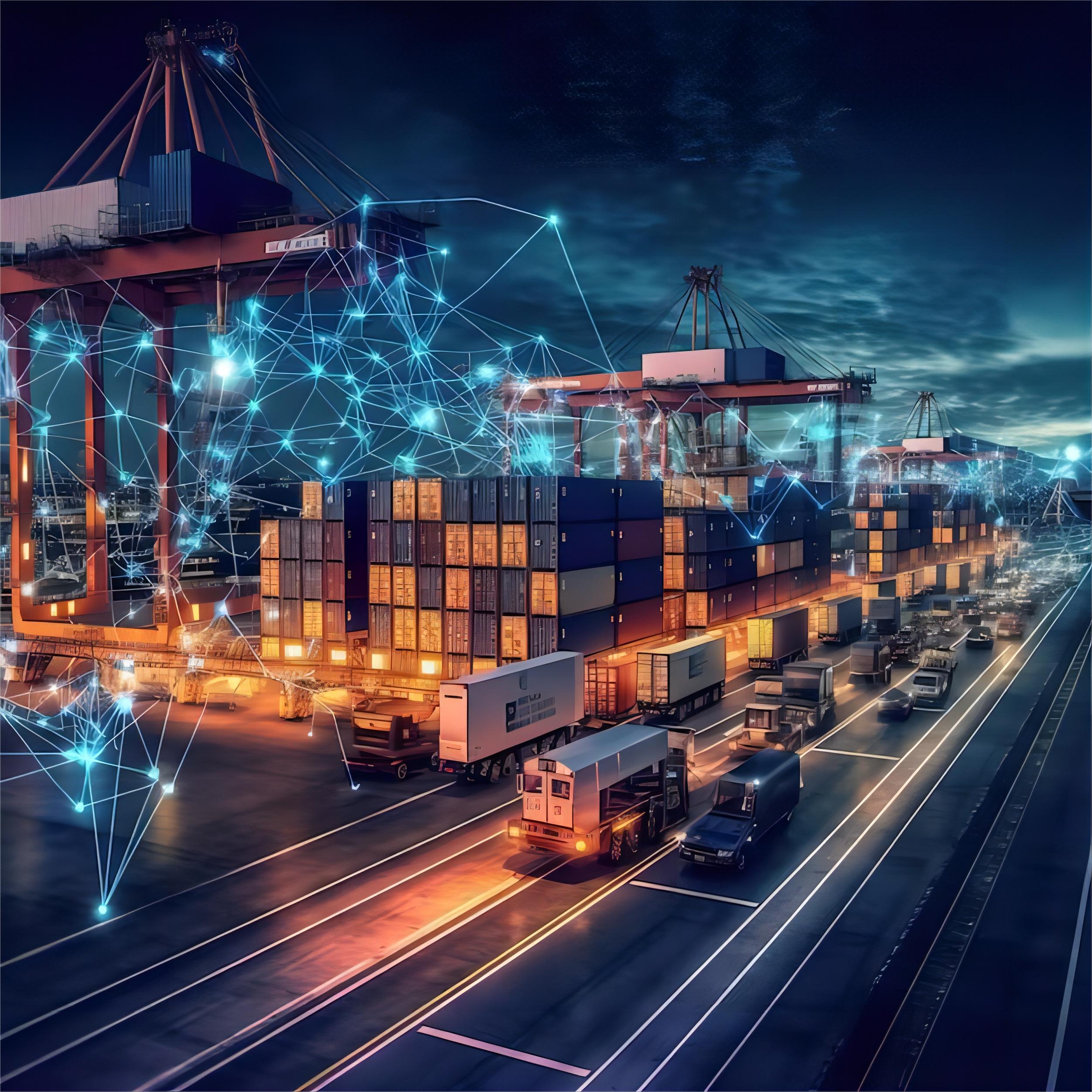
Sea freight remains the most cost-effective option for large volumes and heavy cargo, with transit times typically ranging from 30 to 40 days for China to Italy. It is ideal for non-urgent, bulky goods that can withstand longer transit. However, port congestion and unpredictable sailing schedules can sometimes lead to delays. For comprehensive solutions, explore sea freight services.
Air Freight to Italy
Air freight offers the fastest transit times, usually 3 to 7 days, making it perfect for urgent, high-value, or perishable goods. Nevertheless, it is also the most expensive option by a significant margin. Businesses often reserve air freight for critical shipments where speed is the absolute priority. Learn more about air freight options.
Multimodal and Door-to-Door Solutions
Hybrid solutions, such as sea-rail or air-rail combinations, can offer a flexible approach. For instance, goods might travel by sea to a European port, then by rail to Italy. Moreover, door-to-door services integrate all aspects of shipping, from pickup at origin to final delivery, simplifying logistics for the client. This approach minimizes complexity and ensures continuous oversight.
Which Option Should You Choose?
The best shipping method depends on your priorities. If budget is your primary concern and time is not critical, sea freight is generally the most economical. Conversely, if speed is paramount for urgent deliveries or high-value items, air freight is the undisputed choice, despite its higher cost.
However, for a balance of speed, cost, and reliability, especially for goods that are too urgent for sea but not critical enough for air, railway shipping China to Italy stands out. Consider cargo type: rail is excellent for electronics, machinery, and e-commerce goods, while sea suits bulk commodities. Volume thresholds also matter; FCL for larger shipments, LCL for smaller. Ultimately, assessing your specific needs will guide your decision.
Navigating Customs and Documentation for China-Italy Rail Freight
Successful railway shipping from China to Italy requires meticulous attention to customs and documentation. Both China and Italy have specific import/export regulations that must be adhered to. Therefore, accurate and complete paperwork is essential to prevent delays and additional costs.
Key documents typically include the commercial invoice, packing list, bill of lading (or rail waybill), certificate of origin, and potentially product-specific licenses or certifications. Furthermore, understanding Incoterms (e.g., EXW, FOB, DDP) is vital for defining responsibilities between buyer and seller. Engaging a freight forwarder with expertise in this corridor can significantly ease the process.
Optimizing Your Rail Freight Strategy: Case Studies
Exploring real-world scenarios helps illustrate the practical benefits and considerations of rail cargo China Italy. These case studies demonstrate how different businesses leverage the China-Europe Express Railway to meet their specific logistics demands. Consequently, they highlight the flexibility and efficiency of this shipping method.
Moreover, understanding these examples can provide valuable insights into optimizing your own supply chain. Each case emphasizes key decisions regarding cargo type, budget, and desired transit times. Therefore, these insights are crucial for making informed choices for your next shipment.
Case Study 1: Electronics Manufacturer to Milan
This case highlights an electronics manufacturer needing reliable and moderately fast delivery to a distribution center in Milan. The goods were high-value but not extremely time-sensitive, making rail an ideal choice. Based on Q1 2025 market rates, the rail option offered significant savings over air freight.
| Detail | Value |
|---|---|
| Route | Chongqing, China -> Milan, Italy |
| Cargo | Consumer Electronics, 30 CBM, 8,000 kg |
| Container | 40HQ |
| Shipping Details | Major rail operator, Direct route |
| Port of Loading | Chongqing Rail Terminal |
| Port of Discharge | Milan Rail Terminal |
| Cost Breakdown (estimated) | |
| Rail Freight | $8,500 |
| Origin Charges | $600 |
| Destination Charges | $450 |
| Customs & Duties (estimated) | $1,200 |
| Total Landed Cost | $10,750 |
| Timeline (estimated) | |
| Booking to Loading | 3 days |
| Rail Transit | 17 days |
| Customs Clearance | 2 days |
| Total Door-to-Door | 22 days |
| Key Insight | Achieved reliable transit time at 60% less cost than air freight, optimizing inventory levels. |
Case Study 2: Automotive Parts Supplier to Verona
An automotive parts supplier required consistent, timely delivery of components for assembly lines in Verona. Given the just-in-time nature of automotive supply chains, the predictable transit time of rail freight was a critical factor. This shipment involved smaller, less-than-container-load (LCL) cargo.
| Detail | Value |
|---|---|
| Route | Xi’an, China -> Verona, Italy |
| Cargo | Automotive components, 6 CBM, 1,500 kg |
| Container | LCL 6 CBM |
| Shipping Details | Consolidated rail service |
| Port of Loading | Xi’an Rail Terminal |
| Port of Discharge | Verona Rail Terminal |
| Cost Breakdown (estimated) | |
| Rail Freight (per CBM) | $220/CBM ($1,320 total) |
| Origin Charges | $350 |
| Destination Charges | $280 |
| Customs & Duties (estimated) | $500 |
| Total Landed Cost | $2,450 |
| Timeline (estimated) | |
| Booking to Loading | 5 days |
| Rail Transit | 20 days |
| Customs Clearance | 3 days |
| Total Door-to-Door | 28 days |
| Key Insight | LCL rail proved cost-effective for smaller, regular shipments, supporting lean inventory management. |

Partnering with a Reliable Freight Forwarder
Choosing the right freight forwarder is crucial for successful railway shipping from China to Italy. A professional logistics partner, like China Top Freight, offers invaluable expertise in navigating complex international shipping regulations and customs procedures. They can provide tailored solutions for your specific cargo and budget.
Moreover, an experienced forwarder can offer comprehensive services, including cargo consolidation, customs clearance, and door-to-door delivery. This end-to-end management streamlines your supply chain, ultimately saving you time and reducing potential headaches. Therefore, investing in a trusted partner is a smart business decision.
Conclusion: The Future of China-Italy Rail Freight
In summary, railway shipping from China to Italy represents a modern, efficient, and increasingly popular logistics solution. It effectively bridges the gap between the speed of air freight and the cost-efficiency of sea freight, offering a balanced approach for various types of cargo. Consequently, businesses can enjoy predictable transit times and enhanced supply chain reliability.
As global trade evolves, the China-Europe Express Railway continues to expand, further solidifying its role as a vital artery for international commerce. Therefore, for businesses seeking to optimize their freight train from China to Italy, exploring this robust shipping method is a strategic move. Always consult with logistics experts to tailor the best solution for your unique needs.
Get Your Shipping Quote Today
Ready to optimize your supply chain with efficient railway shipping from China to Italy? Contact China Top Freight today for a personalized quote and expert guidance. Our team is prepared to help you navigate the complexities of international logistics and ensure your cargo arrives safely and on schedule.
Request Quote