

Freight Forwarder China to UK: Your Ultimate Shipping Guide
Navigating international shipping can be complex for businesses importing goods. Finding a dependable freight forwarder China to UK is crucial for smooth operations. This guide illuminates essential aspects of shipping from China to the United Kingdom, ensuring your cargo arrives safely and efficiently. We explore methods, considerations, and how to select the best logistics partner.

Why Do You Need a Freight Forwarder for China to UK Shipping?
Importing from China to the UK involves intricate logistics, from factory pickup to final delivery. A skilled freight forwarder acts as your central coordinator, simplifying this entire process. They manage international trade regulations, ensuring compliance and efficiency.
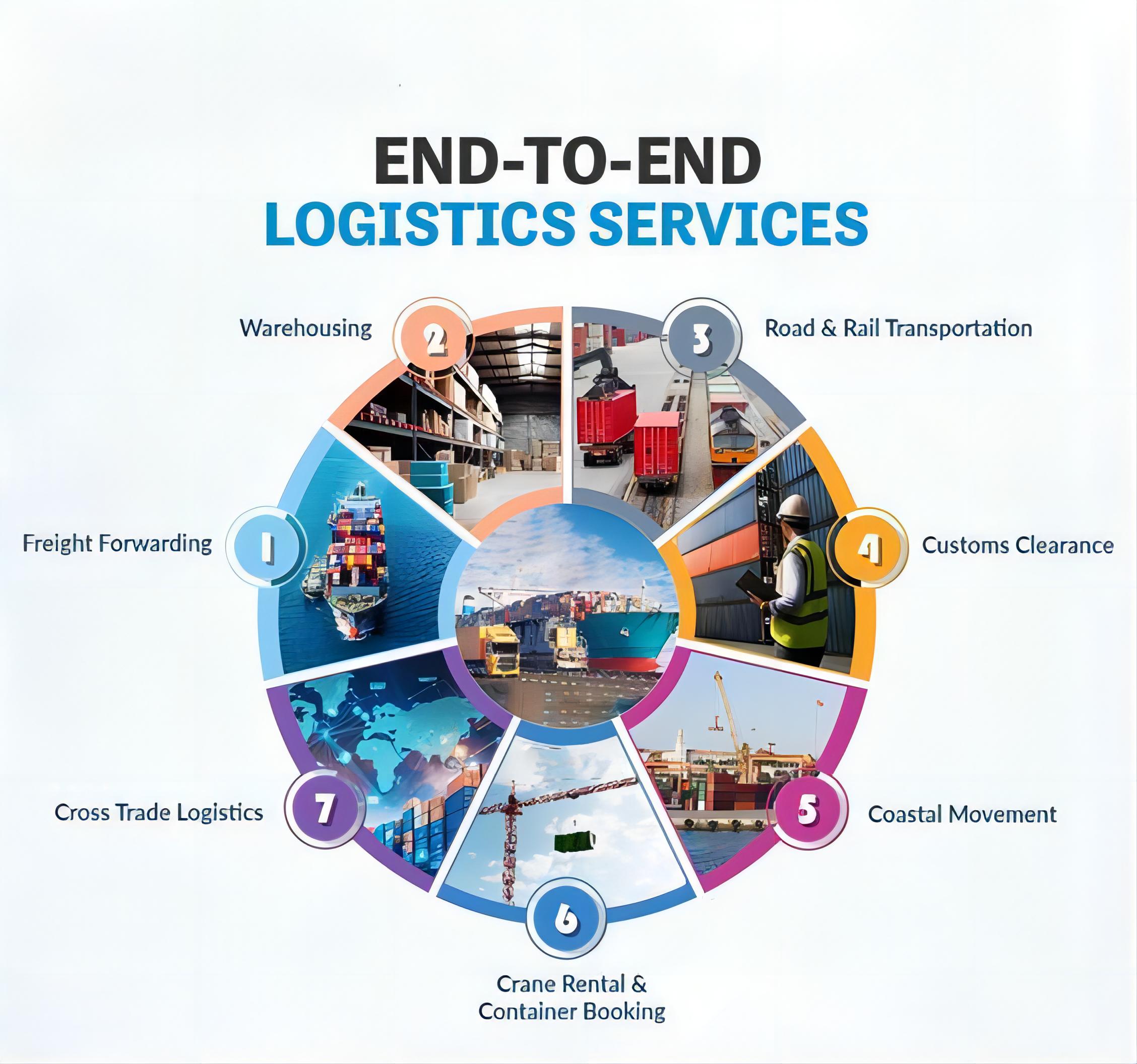
Moreover, a professional forwarder handles critical tasks like customs clearance, documentation, and cargo insurance. This significantly reduces potential delays and costly errors. Partnering with an experienced freight forwarder saves time, money, and stress.
What Are the Main Shipping Methods from China to the UK?
Understanding primary shipping methods is essential when planning imports from China to the UK. Each option offers distinct advantages regarding cost, speed, and capacity. Your choice depends on budget, cargo volume, and urgency.
Businesses typically choose between sea, air, and increasingly, rail freight. Evaluating these methods carefully helps informed decision-making. Some forwarders even offer hybrid solutions for optimal efficiency.
| Shipping Method | Cost Range (per kg/CBM) | Transit Time | Best For | Limitations |
|---|---|---|---|---|
| Sea Freight | $1-5/kg (LCL), $2,000-4,500/container | 30-40 days | Large volume, non-urgent goods | Slow, potential port delays |
| Air Freight | $6-12/kg | 3-8 days | Urgent, high-value, small shipments | Most expensive, capacity limits |
| Rail Freight | $3-7/kg | 18-25 days | Mid-range urgency/cost, heavy goods | Less flexible routes, weather impacts |

How Does Sea Freight from China to UK Work?
Sea freight remains the most popular and economical choice for shipping goods from China to the UK. Ideal for bulk cargo, heavy machinery, or non-time-sensitive products. Major ports like Shanghai connect to UK ports such as Felixstowe.
FCL vs LCL Explained
For sea freight, you have two options: Full Container Load (FCL) or Less than Container Load (LCL). FCL means your goods occupy an entire container, offering faster transit and reduced handling. It’s cost-effective for shipments over 15-20 CBM.
Conversely, LCL involves sharing container space with other shippers. Perfect for smaller shipments under 15 CBM. While economical, LCL might involve longer transit times due to consolidation and deconsolidation processes.
When Should You Choose Air Freight from China to UK?
When speed is paramount, air freight from China to the UK is optimal. This method significantly reduces transit times, suitable for urgent deliveries, perishable goods, or high-value items. Chinese airports like Shanghai Pudong service UK hubs like London Heathrow.
However, air freight is considerably more expensive than sea or rail. It’s reserved for smaller, lighter shipments or when supply chain disruptions demand rapid replenishment. Businesses use air cargo for samples or to avoid stock-outs.
Is Rail Freight a Viable Option for China to UK?
Rail freight has emerged as a compelling middle-ground option for shipping from China to the UK. It balances air freight’s speed and sea freight’s cost-effectiveness. Transit time is significantly shorter than ocean shipping, typically 18 to 25 days.
This method is attractive for cargo too heavy/bulky for air freight but needing faster arrival than sea. Rail freight routes provide a reliable, environmentally friendlier alternative. Consider rail for consistent, medium-urgency shipments.
Navigating UK Customs and Import Regulations
Successfully importing into the UK from China requires meticulous attention to customs procedures and regulations. Proper documentation and adherence to import laws are critical to avoid delays, fines, and storage charges. A knowledgeable freight forwarder is indispensable.
Post-Brexit, new customs declarations and potential tariff changes are considerations for UK imports. Understanding obligations for duties, VAT, and product compliance is vital. Engaging a specialist customs brokerage service simplifies this.
Key Documents Required
Several critical documents are necessary for customs clearance when importing from China to the UK. Missing or incorrect paperwork leads to significant delays and costs. Accurate preparation and timely submission are paramount.
| Document | Purpose | Key Details |
|---|---|---|
| Commercial Invoice | Declares value & description of goods | Supplier/Buyer info, Incoterms, HS Codes |
| Packing List | Details cargo contents | Quantity, weight, dimensions per package |
| Bill of Lading (B/L) / Air Waybill (AWB) | Contract of carriage & title to goods | Shipper, consignee, notify party, route |
| Certificate of Origin | Proves goods’ country of manufacture | May affect duty rates |
| Import License / Permits | Required for restricted goods | Specific product categories |
Understanding Duties and VAT
When importing goods from China into the UK, you will be liable for import duties and Value Added Tax (VAT). Duties are calculated based on the commodity’s HS code and declared value. Rates vary by product.
VAT is charged at the standard UK rate on the combined value of goods, shipping, and duties. UK VAT-registered businesses can usually reclaim this. Accurate classification and valuation are crucial.
How to Choose the Best Freight Forwarder for Your China to UK Route?
Selecting the right freight forwarder for China to UK shipments impacts your entire supply chain. Look for a company with extensive experience on this route. Their expertise proves invaluable in navigating challenges and optimising logistics.
Consider their network and services. Do they offer door-to-door delivery, customs brokerage, and warehousing? A comprehensive provider offers seamless solutions, reducing the need for multiple vendors. Transparency in pricing and communication is vital.
Moreover, assess their customer support and technological capabilities. A forwarder offering real-time tracking and responsive communication provides peace of mind. Ultimately, reliable communication and proactive problem-solving are hallmarks of an excellent logistics partner.
Real-World Shipping Scenarios: China to UK Case Studies
Understanding theoretical shipping options is one thing; seeing them apply in real-world scenarios offers practical insights. These case studies illustrate common challenges and successful strategies for importing goods from China to the UK.
Case Study 1: E-commerce Retailer’s Seasonal Stock
Key Insight: This retailer prioritized cost-effectiveness for bulk seasonal stock. LCL was chosen, with timely booking to avoid peak season surcharges. The freight forwarder managed consolidation effectively.
| Detail | Description |
|---|---|
| Route | Shenzhen, China -> Felixstowe, UK |
| Cargo | Seasonal Apparel, 28 CBM, 4,500 kg |
| Container | LCL (Approx. 28 CBM) |
| Shipping Details | |
| – Carrier/Service | Major carrier (e.g., COSCO) |
| – Port of Loading | Yantian, Shenzhen |
| – Port of Discharge | Felixstowe |
| – Route Type | Direct |
| Cost Breakdown | |
| – Ocean Freight | $1,680 |
| – Origin Charges (THC, documentation) | $250 |
| – Destination Charges | $320 |
| – Customs & Duties (estimated) | $550 (based on 5% duty, 20% VAT on goods value $10,000) |
| – Total Landed Cost | $2,800 |
| Timeline | |
| – Booking to Loading | 5 days |
| – Sea Transit | 32 days |
| – Customs Clearance | 3 days |
| – Total Door-to-Door | 40 days |
Case Study 2: Urgent High-Value Electronics Delivery
Key Insight: Speed was critical for this high-value, urgent shipment. Air freight minimized transit time, reducing inventory holding costs and meeting tight deadlines. The forwarder ensured express customs clearance.
| Detail | Description |
|---|---|
| Route | Shanghai, China -> London, UK |
| Cargo | High-end electronics, 1.5 CBM, 150 kg |
| Container | Air Cargo |
| Shipping Details | |
| – Carrier/Service | Premium Air Cargo (e.g., Cathay Pacific Cargo) |
| – Port of Loading | Shanghai Pudong (PVG) |
| – Port of Discharge | London Heathrow (LHR) |
| – Route Type | Direct |
| Cost Breakdown | |
| – Air Freight | $1,200 |
| – Origin Charges (Handling, documentation) | $120 |
| – Destination Charges | $80 |
| – Customs & Duties (estimated) | $300 (based on 0% duty, 20% VAT on goods value $1,200) |
| – Total Landed Cost | $1,700 |
| Timeline | |
| – Booking to Loading | 2 days |
| – Air Transit | 2 days |
| – Customs Clearance | 1 day |
| – Total Door-to-Door | 5 days |
Case Study 3: Large Industrial Components by Rail
Key Insight: This client needed a faster alternative to sea freight for heavy industrial goods without air freight’s high cost. Rail offered the ideal balance, providing consistent transit times and reliable delivery.
| Detail | Description |
|---|---|
| Route | Chongqing, China -> London, UK |
| Cargo | Industrial Machine Parts, 20 CBM, 18,000 kg |
| Container | 20GP Rail Container |
| Shipping Details | |
| – Carrier/Service | China-Europe Express Railway |
| – Origin Station | Chongqing |
| – Destination Station | London Gateway (via Duisburg or Malaszewicze) |
| – Route Type | Transshipment (Rail-to-Road or Rail-to-Sea) |
| Cost Breakdown | |
| – Rail Freight | $4,500 |
| – Origin Charges (Handling, documentation) | $300 |
| – Destination Charges | $400 |
| – Customs & Duties (estimated) | $800 (based on 3% duty, 20% VAT on goods value $15,000) |
| – Total Landed Cost | $6,000 |
| Timeline | |
| – Booking to Loading | 7 days |
| – Rail Transit | 18 days |
| – Customs Clearance | 2 days |
| – Total Door-to-Door | 27 days |
Market Insights and Cost Considerations for China to UK Freight
Freight rates from China to the UK are subject to market dynamics and global events. Understanding these factors helps businesses anticipate costs and plan logistics budgets. Current market conditions, like geopolitical events or port congestion, impact pricing.
As of Q1 2025, freight rates from China to Europe have generally stabilized after 2024 Red Sea disruptions. However, capacity remains a concern, particularly during peak seasons. Proactive booking is advisable to secure competitive rates.
Factors Influencing Freight Rates
Fuel surcharges, carrier capacity, and cargo type/volume dictate shipping costs. Incoterms determine cost responsibility. Port congestion, equipment availability, and currency rates also add to freight rates. A reliable forwarder helps decipher these.
Seasonal Variations and Market Trends
Seasonal demand significantly impacts freight prices and transit times. Rates typically increase by 15-25% during August-October (Q4). Chinese New Year closures create pre-holiday surges and backlogs.
Which Shipping Option Should You Choose?
Consider the balance between speed, cost, and reliability. Your freight forwarder provides tailored advice, helping you navigate critical decisions. The right choice optimizes your supply chain and supports business objectives.
Budget Priority
If minimizing costs is primary, especially for large, non-urgent shipments, sea freight (LCL or FCL) is most economical. It offers the lowest cost per unit for high volumes, requiring longer lead times.
Speed Priority
For time-sensitive goods, urgent replenishments, or high-value items, air freight provides fastest transit. While more expensive, it reduces delivery times and inventory holding costs. This option is ideal for critical deadlines.
Balanced Approach (Cost & Speed)
Rail freight offers an excellent compromise: faster than sea freight and more affordable than air. This method is ideal for medium-urgency shipments benefiting from consistent transit schedules. It provides a reliable middle ground.
Cargo Type and Volume Thresholds
Small parcels/samples benefit from express courier. For shipments under 15 CBM, LCL sea freight is often cost-effective. Above 15-20 CBM, FCL sea freight is usually more economical. Heavy/oversized cargo may be limited to sea or rail.
Your Reliable Partner for China to UK Shipping
Importing from China to the UK doesn’t have to be daunting. By understanding shipping methods, navigating customs, and selecting a knowledgeable freight forwarder, businesses achieve seamless logistics. The right partner ensures goods arrive on time and within budget.
Need a tailored shipping solution?
Ready to streamline your imports from China to the UK? Partner with an experienced freight forwarder to ensure efficient, cost-effective, and secure delivery. Contact us today for a personalized quote and expert advice on optimizing your supply chain. Let us be your trusted freight forwarder China to UK.