

Professional FCL Shipping from China to Germany: Your Ultimate Guide
Navigating international logistics, especially for large volumes, presents unique challenges. When your business demands efficient and reliable transport of goods, China Top Freight offers professional FCL shipping from China to Germany. This comprehensive guide will illuminate the intricacies of full container load freight, helping you optimize your supply chain and ensure timely delivery.

What is FCL Shipping and Why Choose It for China to Germany?
Full Container Load (FCL) shipping involves booking an entire container exclusively for your cargo. This method is ideal for businesses importing large volumes of goods from China to Germany. Consequently, it offers unparalleled security and efficiency for significant shipments.
Choosing FCL over Less than Container Load (LCL) provides several distinct advantages. For instance, your cargo remains sealed from origin to destination, minimizing handling and reducing the risk of damage or loss. Furthermore, FCL shipments often experience faster transit times because they do not require consolidation or deconsolidation at various hubs.
Moreover, FCL shipping is generally more cost-effective per unit when you have enough volume to fill a container. This makes it the preferred choice for many businesses aiming for professional FCL shipping from China to Germany. It simplifies logistics and provides greater control over your supply chain.
Key Factors Influencing FCL Shipping Costs and Transit Times
Several critical factors dictate the overall cost and transit time for professional FCL shipping from China to Germany. Firstly, the freight rates themselves are dynamic, influenced by global demand, fuel prices, and carrier capacity. Port charges at both origin and destination also contribute significantly to the total expense.
Additionally, seasonal fluctuations play a major role. For example, rates typically increase 15-25% during the August-October peak season leading up to holidays. Current market conditions, such as those seen in Q1 2025 where rates from China to Europe have stabilized after recent disruptions, also impact pricing. Therefore, obtaining a current quote is always recommended.
Regarding transit times, direct services from major Chinese ports to Germany are generally faster but can be more expensive. In contrast, transshipment routes, which involve transferring cargo at an intermediate port like Singapore or Port Klang, might save costs but add 5-7 days to the journey. Port congestion and customs delays can also extend delivery schedules, necessitating careful planning for your sea freight.
The FCL Shipping Process: A Step-by-Step Overview
The journey of your FCL shipment from China to Germany follows a structured process. Initially, you book a container with a freight forwarder, specifying the type (e.g., 20GP, 40HQ) and required sailing date. Subsequently, your supplier prepares the cargo for loading, ensuring it meets international shipping standards.
Next, the container is transported via drayage to the port of loading in China. Here, it undergoes customs clearance for export before being loaded onto the vessel. The ocean transit then commences, typically lasting 28-35 days for China to Germany routes.
Upon arrival at a German port, the container is discharged, and import customs procedures begin. This stage requires meticulous documentation and compliance with local regulations. Finally, after successful customs clearance, the container is delivered to your designated warehouse or facility, completing the professional FCL shipping journey. Our customs brokerage services ensure a smooth process.
Essential Documentation for China to Germany FCL Shipments
Accurate and complete documentation is paramount for seamless FCL shipping from China to Germany. Primarily, the Bill of Lading (B/L) serves as the contract of carriage, receipt of goods, and document of title. It contains crucial details about the shipper, consignee, cargo, and route.
Furthermore, a Commercial Invoice detailing the goods’ value and terms of sale is required for customs valuation and duty assessment. A comprehensive Packing List, indicating the contents of each package and container, is also indispensable. Consequently, these documents facilitate efficient cargo handling and customs processing.
Other vital documents may include a Certificate of Origin, demonstrating where the goods were manufactured, and various permits or licenses depending on the cargo type. Indeed, precise completion of all paperwork prevents delays and ensures compliance with both Chinese export and German import regulations.
How Does FCL Shipping Compare to Other Options?
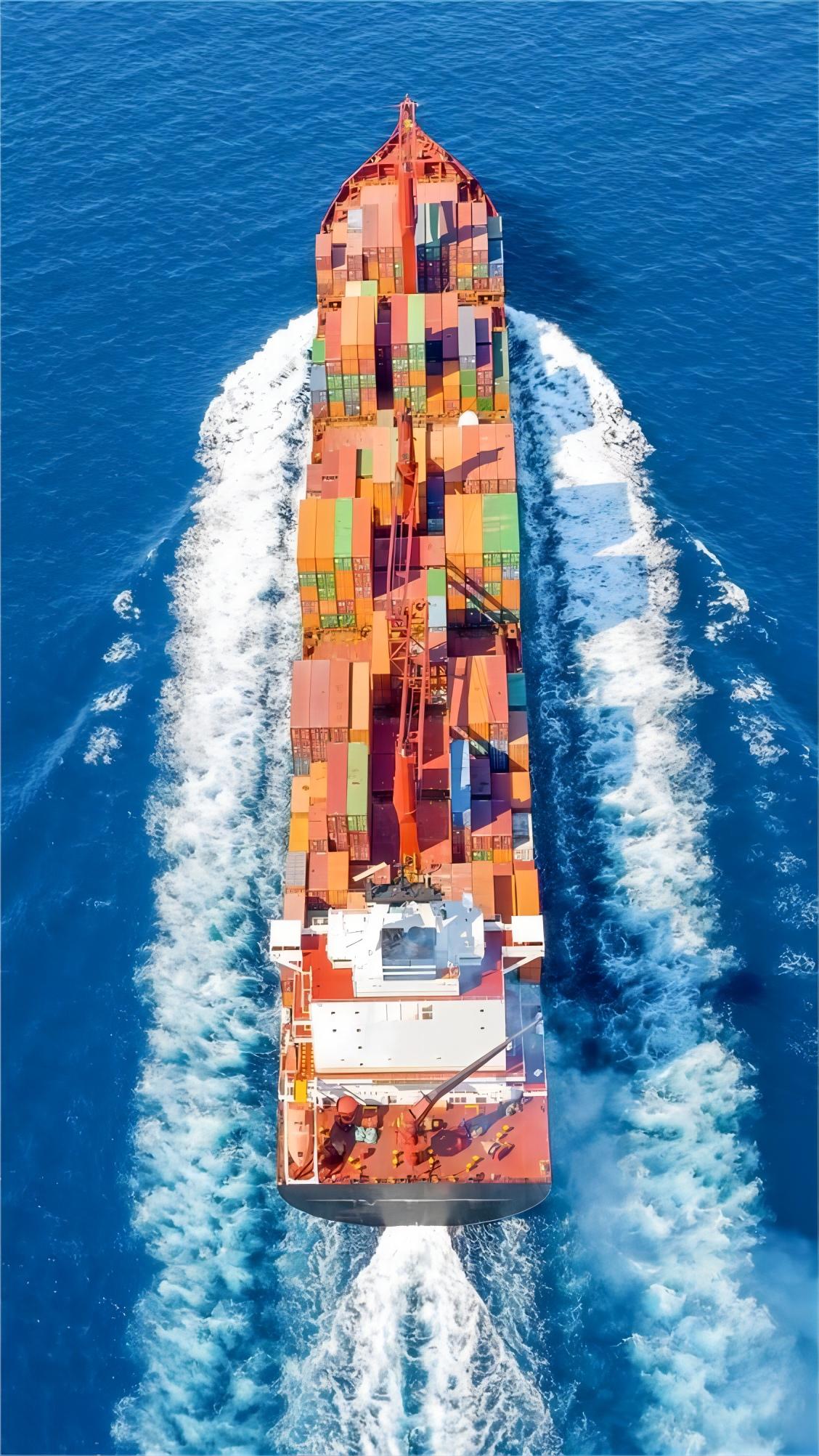
While FCL sea freight is often the go-to for large volumes, understanding alternative shipping methods is crucial for informed decision-making. Each option offers different trade-offs in terms of cost, speed, and suitability. For example, comparing FCL with air freight highlights a significant difference in transit time versus cost.
Similarly, rail freight presents a viable middle-ground for certain routes, balancing speed and expense. LCL (Less than Container Load) is another alternative, particularly for smaller shipments that do not justify an entire container. Therefore, evaluating these options against your specific logistical needs is essential for optimizing your supply chain.
The table below provides a comprehensive overview, helping you determine the best fit for your professional FCL shipping from China to Germany or considering alternatives. According to industry benchmarks, these ranges reflect typical rates as of early 2025. This objective analysis ensures you make the most cost-effective and timely choice.
| Shipping Method | Cost Range (40HQ/1000kg) | Transit Time | Best For | Limitations |
|---|---|---|---|---|
| FCL Sea Freight | $3,000-4,200 | 28-35 days | Large volumes, cost-effectiveness, heavy goods | Slowest transit time |
| LCL Sea Freight | $50-80/CBM | 35-45 days | Smaller shipments (under 15 CBM), budget-conscious | Longer transit, more handling, less control |
| Rail Freight | $8,000-12,000 | 18-22 days | Mid-sized shipments, faster than sea, cheaper than air | Limited routes, capacity constraints, not for all cargo |
| Air Freight | $15,000-25,000 | 5-7 days | Urgent, high-value, small volume shipments | Highest cost, environmental impact, weight/volume limits |
Which Option Should You Choose? A Decision Framework
Selecting the optimal shipping method for your cargo from China to Germany depends on several key priorities. If budget is your primary concern and you have large volumes, professional FCL shipping via sea freight is almost always the most economical choice. Conversely, for time-sensitive goods where speed is paramount, air freight becomes the recommended option, despite its higher cost.
Cargo type also plays a significant role. For instance, durable goods like machinery or furniture are well-suited for FCL sea freight. However, perishable items or high-value electronics might benefit more from the speed and security of air cargo. Furthermore, volume thresholds are critical: for shipments under 15 CBM, LCL might be more economical, but above that, FCL typically offers better value.
Consider hybrid solutions, such as sea-air combinations, for a balance between cost and speed. This approach involves shipping by sea to a hub (e.g., Dubai) then by air to Germany, cutting transit time compared to pure sea freight. Ultimately, a thorough evaluation of your specific needs will guide you to the most suitable logistics solution.
Real-World Scenarios: Professional FCL Shipping Success Stories
Examining real-world examples helps illustrate the practical application of professional FCL shipping from China to Germany. These case studies highlight various factors, from cargo type to specific challenges and successful outcomes. They provide tangible insights into optimizing your supply chain and managing expectations effectively.
These scenarios demonstrate how careful planning and selecting the right shipping partner can lead to efficient and cost-effective logistics. Based on Q3 2024 market rates, these examples offer a realistic perspective on current shipping conditions and typical results. Furthermore, they showcase the versatility and reliability of FCL solutions.
Case Study 1: Electronics from Shanghai to Hamburg
A German electronics distributor needed to import a large consignment of consumer electronics. Speed and security were critical, but budget also remained a significant consideration. They opted for a direct FCL service to minimize handling and transit time.
| Detail | Value |
|---|---|
| Route | Shanghai, China Hamburg, Germany |
| Cargo | Consumer Electronics, 60 CBM, 15,000 kg |
| Container | 1 x 40HQ |
| Shipping Details | |
| – Carrier/Service | Major carrier (e.g., COSCO) |
| – Port of Loading | Shanghai |
| – Port of Discharge | Hamburg |
| – Route Type | Direct |
| Cost Breakdown | |
| – Ocean Freight | $3,800 |
| – Origin Charges (THC, documentation) | $350 |
| – Destination Charges | $400 |
| – Customs & Duties (estimated) | $1,200 |
| – Total Landed Cost | $5,750 |
| Timeline | |
| – Booking to Loading | 5 days |
| – Sea Transit | 30 days |
| – Customs Clearance | 3 days |
| – Total Door-to-Door | 38 days |
| Key Insight | Direct route offered optimal balance of speed and cost for sensitive electronics, avoiding transshipment risks. |
Case Study 2: Industrial Machinery from Ningbo to Bremen
An industrial firm required the shipment of heavy machinery components. The cargo’s weight and dimensions necessitated a robust and secure shipping method. FCL was chosen for its capacity and safety assurances for specialized equipment.
| Detail | Value |
|---|---|
| Route | Ningbo, China Bremen, Germany |
| Cargo | Industrial Machinery Parts, 25 CBM, 22,000 kg |
| Container | 1 x 20GP |
| Shipping Details | |
| – Carrier/Service | Major carrier (e.g., MSC) |
| – Port of Loading | Ningbo |
| – Port of Discharge | Bremerhaven (for Bremen) |
| – Route Type | Direct |
| Cost Breakdown | |
| – Ocean Freight | $2,500 |
| – Origin Charges (THC, documentation) | $300 |
| – Destination Charges | $380 |
| – Customs & Duties (estimated) | $900 |
| – Total Landed Cost | $4,080 |
| Timeline | |
| – Booking to Loading | 7 days |
| – Sea Transit | 32 days |
| – Customs Clearance | 4 days |
| – Total Door-to-Door | 43 days |
| Key Insight | 20GP container provided robust solution for heavy, dense cargo, ensuring integrity during transit. |
Case Study 3: Furniture Export from Shenzhen to Munich (Door-to-Door)
A furniture retailer in Germany sought a complete logistics solution for importing large quantities of home furnishings. They required end-to-end service, including final delivery to their distribution center in Munich. The door-to-door FCL service proved ideal.
| Detail | Value |
|---|---|
| Route | Shenzhen, China Munich, Germany |
| Cargo | Furniture (flat-packed), 65 CBM, 10,000 kg |
| Container | 1 x 40HQ |
| Shipping Details | |
| – Carrier/Service | Major carrier (e.g., Maersk) |
| – Port of Loading | Shenzhen |
| – Port of Discharge | Hamburg (then rail/truck to Munich) |
| – Route Type | Transshipment via Singapore |
| Cost Breakdown | |
| – Ocean Freight | $3,200 |
| – Origin Charges (THC, documentation) | $380 |
| – Destination Charges (incl. inland transport) | $1,100 |
| – Customs & Duties (estimated) | $1,050 |
| – Total Landed Cost | $5,730 |
| Timeline | |
| – Booking to Loading | 6 days |
| – Sea Transit | 35 days (incl. transshipment) |
| – Customs Clearance | 3 days |
| – Inland Delivery | 2 days |
| – Total Door-to-Door | 46 days |
| Key Insight | Transshipment offered cost savings, and door-to-door service streamlined logistics for a seamless supply chain to an inland destination. |
Navigating Customs and German Import Regulations
Successfully clearing customs in Germany is a critical step for any FCL shipment. Importers must possess an EORI (Economic Operator Registration and Identification) number, which is essential for all customs-related activities within the EU. Additionally, understanding German VAT regulations and applicable duties based on the Harmonized System (HS) codes of your goods is crucial.
Moreover, precise documentation, as discussed earlier, plays a pivotal role in avoiding delays and penalties. German customs authorities are stringent regarding compliance, so any discrepancies can lead to significant hold-ups. Consequently, partnering with a knowledgeable freight forwarder who offers expert customs brokerage services can mitigate these risks and ensure a smooth process.
Furthermore, specific product categories may require additional certifications or licenses to comply with German and EU standards, such as CE marking for certain electronics or safety certificates for toys. Therefore, proactive research and preparation are vital. This ensures your professional FCL shipping from China to Germany adheres to all regulatory requirements.
Optimizing Your FCL Supply Chain: Tips for Importers
To truly master professional FCL shipping from China to Germany, importers should adopt several best practices. Firstly, advanced planning is key; booking containers well in advance, especially during peak seasons, helps secure space and better rates. This proactive approach can significantly impact your delivery schedule and overall costs.
Secondly, carefully vetting and selecting a reliable freight forwarder like China Top Freight is paramount. A good partner provides transparency, excellent communication, and expertise in both Chinese export and German import procedures. Their insights can prove invaluable in navigating complex logistics trends and potential challenges.
Finally, consider cargo insurance to protect against unforeseen events during transit, offering peace of mind for your valuable goods. Leveraging technology for tracking and real-time updates also enhances supply chain visibility. Implementing these tips will undoubtedly streamline your FCL shipments and bolster your import success.
Conclusion
In conclusion, professional FCL shipping from China to Germany is a critical component for businesses importing large volumes. By understanding the process, choosing the right partners, and preparing meticulously, you can ensure a smooth and successful supply chain. China Top Freight is committed to delivering exceptional service for your FCL shipments, helping you navigate the complexities of international trade with confidence.
Note: Freight rates are subject to change based on fuel costs, carrier capacity, and seasonal demand. Contact us for a current quote tailored to your specific shipment.
Get Your Shipping Quote Today
Ready to streamline your professional FCL shipping from China to Germany? Contact China Top Freight today for a personalized quote and expert guidance. Our team is dedicated to providing efficient, reliable, and cost-effective logistics solutions tailored to your specific needs.
Request Quote