

Shipping Auto Parts China to UK: Requirements & Costs
Navigating the complexities of international shipping, especially for specialized goods like auto parts, demands careful planning. Understanding the precise shipping requirements for auto parts from China to UK is crucial for a smooth import process. This guide provides comprehensive insights to help streamline your China Top Freight logistics.
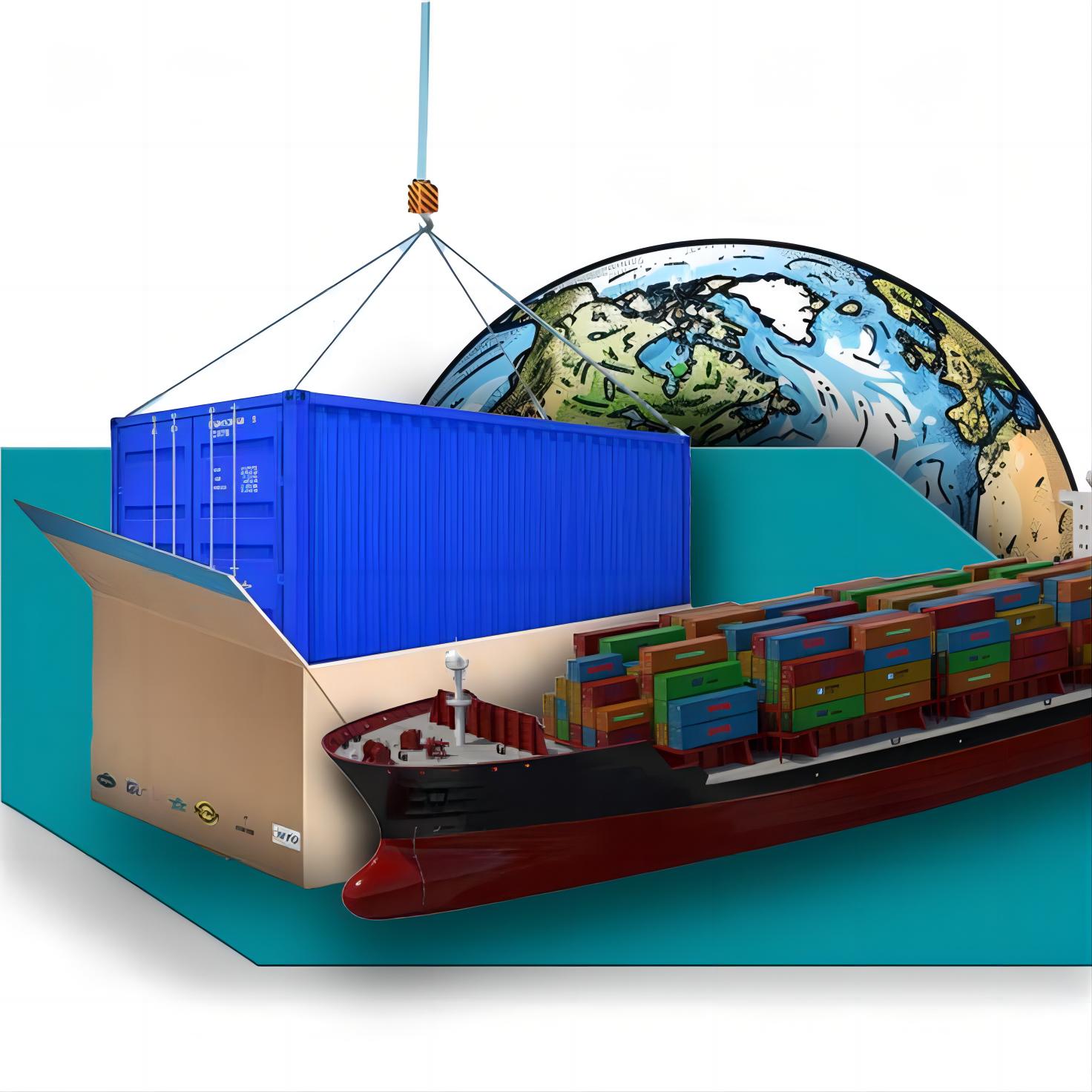
Your Guide to Shipping Requirements for Auto Parts from China to UK
Importing auto parts from China to the UK requires a precise set of documents to ensure compliance and avoid delays. Firstly, a commercial invoice detailing the goods, their value, and terms of sale is indispensable. Secondly, a packing list provides a clear inventory of the shipment’s contents.

Furthermore, a Bill of Lading for sea freight or an Air Waybill for air cargo serves as the contract of carriage. Additionally, a Certificate of Origin verifies where the auto parts were manufactured. These documents are fundamental for customs clearance process UK.
| Document | Purpose | Key Details |
|---|---|---|
| Commercial Invoice | Customs declaration, value assessment | Seller/Buyer info, description, quantity, value, Incoterms |
| Packing List | Inventory verification, cargo handling | Detailed contents, dimensions, weight per package |
| Bill of Lading/Air Waybill | Contract of carriage, proof of ownership | Shipper, consignee, carrier, port/airport of loading/discharge |
| Certificate of Origin | Customs duties, trade agreements | Country of manufacture, specific product details |
| EORI Number | EU/UK customs identification | Required for all businesses importing/exporting to/from the UK |
Understanding Customs Duties and VAT on Auto Parts from China to UK
When importing auto parts, understanding customs duties auto parts UK and VAT is critical for accurate cost estimation. The UK applies various tariffs based on the specific HS (Harmonized System) codes of the vehicle components. Consequently, correctly classifying your auto parts is paramount.
VAT on imported auto parts is typically 20% of the total value, which includes the goods’ value, shipping costs, and any applicable duties. Businesses with a UK EORI number can often defer or reclaim VAT. Therefore, proper planning for these taxes is essential for managing overall import costs.
Shipping Methods: Sea Freight vs. Air Freight for Auto Parts
Choosing the right shipping method significantly impacts both the cost of shipping vehicle parts and transit times auto spares. Sea freight is generally the most economical option for large or heavy shipments, offering substantial cost savings. However, it comes with longer delivery schedules.
Conversely, air freight provides much faster transit times, ideal for urgent or high-value components. While air freight rates are considerably higher, the speed can be invaluable for time-sensitive supply chains. Each method presents distinct trade-offs in terms of speed, cost, and cargo handling.
| Method | Cost Range (per kg/CBM) | Transit Time (China to UK) | Best For | Limitations |
|---|---|---|---|---|
| Sea Freight (FCL) | Lower, e.g., $3,500-4,500 per 40HQ | 30-38 days | Large volume, non-urgent, heavy parts | Slow, potential port delays |
| Sea Freight (LCL) | Moderate, e.g., $80-120 per CBM | 35-45 days | Smaller shipments, cost-sensitive | Longer transit than FCL, more handling |
| Air Freight | Higher, e.g., $4-8 per kg | 5-10 days | Urgent, high-value, light parts | Expensive, volume/weight restrictions |
| Express Service | Highest, e.g., $8-15 per kg | 3-7 days | Small parcels, extremely urgent | Very expensive, strict size/weight limits |
How Does Sea Freight Compare to Other Shipping Options for Auto Parts?
When considering shipping requirements for auto parts from China to UK, sea freight often emerges as the primary choice due to its cost-effectiveness for bulk cargo. However, a comprehensive comparison with other options is crucial for optimal logistics solutions for car parts.
While sea freight offers significant savings for larger volumes, its extended transit times might not suit all business models. Therefore, evaluating your specific needs against the characteristics of each shipping method is essential for an informed decision.
Sea Freight vs. Air Freight: Cost vs. Speed
Sea freight for a 40HQ container of auto parts from China to the UK typically costs between $3,500-$4,500, with a transit time of 30-38 days. In contrast, shipping the same volume by air freight could cost $15,000-$25,000 but arrives in 5-10 days. This stark difference highlights the trade-off between cost and speed.
For businesses prioritizing rapid inventory replenishment or dealing with high-value, time-critical components, the higher freight rates of air shipping might be justified. Conversely, for regular stock orders or less urgent items, sea freight remains the preferred option for managing shipping costs effectively.
FCL vs. LCL: Volume and Flexibility
For shipments under 15 CBM, Less than Container Load (LCL) sea freight at $80-120 per CBM can be more economical than a Full Container Load (FCL). FCL offers dedicated container space, reducing handling and potential damage, and generally faster transit within the sea freight category. LCL, however, allows smaller importers to leverage sea transport without filling an entire container.
If your volume consistently exceeds 15-20 CBM, an FCL shipment becomes more cost-efficient, providing better control over your cargo and potentially quicker port-to-port times. Weighing these factors helps determine the best approach for different shipment sizes.
Hybrid Solutions: Combining Methods
Consider hybrid solutions like sea-air freight for a balance between speed and cost, though this is less common for direct China-UK routes. This approach might involve sea transport to a hub (e.g., Dubai) then air freight to the UK. While not always the most direct, it can offer an alternative delivery schedule.
For critical components, utilizing express shipping services for small, urgent parcels provides unparalleled speed, often door-to-door in 3-7 days. This service is ideal for prototypes, samples, or emergency parts, despite its premium pricing.
Which Shipping Option Should You Choose for Your Auto Parts?
Selecting the optimal shipping strategy for your auto parts hinges on several key factors. Your budget, urgency, and the specific nature of your cargo will primarily dictate the most suitable method. Carefully assessing these priorities ensures efficient and cost-effective logistics.
A balanced approach often involves using different methods for various types of auto parts within your supply chain management. This strategy allows for flexibility and resilience in meeting market demands.
Budget Priority: Cost-Effective Shipping
If budget is your primary concern, particularly for large volumes or non-urgent components, door-to-door service via sea freight (FCL or LCL) is almost always the most economical choice. It offers the lowest freight rates per unit, making it ideal for bulk orders and regular stock replenishment.
While slower, the cost savings can significantly improve your profit margins. Always compare FCL and LCL options based on your exact cargo volume to maximize savings on your cost of shipping vehicle parts.

Speed Priority: Rapid Delivery
For urgent shipments, new product launches, or critical spare parts, air freight is indispensable. Its expedited transit times auto spares ensure minimal disruption to production lines or immediate availability for customers. Although more expensive, the speed often justifies the higher freight rates.
For extremely small, lightweight, and time-sensitive items, dedicated express shipping services offer the fastest door-to-door delivery. This is perfect for emergency parts or high-value components where every day counts.
Cargo Type Considerations: Specialized Handling
Certain auto parts, such as delicate electronics, engines, or oversized components, may require specialized handling or packaging requirements auto components. Engines, for instance, often need to be drained of fluids and securely crated, impacting both shipping method choice and associated costs.
High-value items may also benefit from air freight’s quicker transit and reduced handling points, minimizing risk. Always discuss specific cargo needs with your freight forwarder to ensure appropriate care and compliance.
Real-World Scenarios: Shipping Auto Parts from China to UK
Examining actual shipping cases helps illustrate the practical application of these logistics strategies. These scenarios highlight how different factors influence the choice of shipping method, costs, and transit times for various auto parts shipments from China to the UK. These examples are based on typical rates as of early 2025.
Understanding these real-world examples can provide valuable insights into managing your own import regulations car components China and optimizing your supply chain for vehicle components. Note: Freight rates are subject to change based on fuel costs, carrier capacity, and seasonal demand. Contact us for a current quote tailored to your specific shipment.
Case Study 1: Bulk Order of Standard Brake Pads
This case involved a UK distributor importing a large quantity of standard brake pads. Cost-efficiency was the top priority, making sea freight the obvious choice for this high-volume, non-urgent shipment. Efficient planning minimized overall shipping costs.
The distributor leveraged FCL for better control and slightly faster sea transit, demonstrating effective supply chain management auto parts.
| Detail | Value |
|---|---|
| Route | Shanghai, China -> Felixstowe, UK |
| Cargo | Brake pads, 25 CBM, 15,000 kg |
| Container | 1 x 20GP |
| Shipping Details | Carrier: COSCO, Port of Loading: Shanghai, Port of Discharge: Felixstowe, Route Type: Direct |
| Cost Breakdown | Ocean Freight: $2,200, Origin Charges: $350, Destination Charges: $400, Customs & Duties (estimated): $1,500, Total Landed Cost: $4,450 |
| Timeline | Booking to Loading: 7 days, Sea Transit: 32 days, Customs Clearance: 3 days, Total Door-to-Door: 42 days |
| Key Insight | Optimized cost for bulk, non-urgent items. Careful HS code classification reduced duty surprises. |
Case Study 2: Urgent Shipment of Electronic Control Units (ECUs)
A UK automotive repair shop needed specific ECUs quickly to complete a high-value repair. Speed was paramount, justifying the higher cost of air freight. The rapid delivery ensured minimal downtime for their customer.
This scenario highlights the importance of choosing the right service for critical vehicle components, even when facing higher freight rates.
| Detail | Value |
|---|---|
| Route | Shenzhen, China -> London Heathrow, UK |
| Cargo | Electronic Control Units (ECUs), 0.5 CBM, 150 kg |
| Container | Air Cargo |
| Shipping Details | Carrier: Cathay Pacific Cargo, Port of Loading: Shenzhen, Port of Discharge: London Heathrow, Route Type: Direct |
| Cost Breakdown | Air Freight: $900, Origin Charges: $150, Destination Charges: $100, Customs & Duties (estimated): $200, Total Landed Cost: $1,350 |
| Timeline | Booking to Loading: 2 days, Air Transit: 3 days, Customs Clearance: 1 day, Total Door-to-Door: 7 days |
| Key Insight | Expedited delivery of high-value, time-sensitive electronics. Pre-clearance arrangements sped up customs. |
Case Study 3: Consolidated Shipment of Various Car Accessories
A small UK e-commerce business regularly imports various car accessories from multiple Chinese suppliers. To manage costs for their smaller, diverse shipments, they opted for LCL (Less than Container Load) sea freight. This allowed them to consolidate goods efficiently.
This strategy proved effective for importing car accessories from China without committing to a full container, optimizing their overall logistics trends and freight rates.
| Detail | Value |
|---|---|
| Route | Ningbo, China -> Manchester, UK |
| Cargo | Assorted car accessories (mats, covers, small electronics), 8 CBM, 2,000 kg |
| Container | LCL (Less than Container Load) |
| Shipping Details | Carrier: Major NVOCC (Non-Vessel Operating Common Carrier), Port of Loading: Ningbo, Port of Discharge: Felixstowe, then trucked to Manchester, Route Type: Transshipment via Singapore |
| Cost Breakdown | Ocean Freight (LCL): $880, Origin Charges: $200, Destination Charges: $250, UK Inland Haulage: $300, Customs & Duties (estimated): $400, Total Landed Cost: $2,030 |
| Timeline | Booking to Loading: 5 days, Sea Transit: 35 days, Customs Clearance: 4 days, Total Door-to-Door: 48 days |
| Key Insight | Cost-effective consolidation for multiple small orders. Utilized a freight forwarder for end-to-end management. |
Navigating Customs Clearance and Compliance for Auto Parts from China to UK
Successful import of auto parts relies heavily on meticulous customs clearance. Appointing a reliable customs brokerage service is often invaluable. They ensure all declarations are accurate and submitted on time, mitigating potential delays or penalties.
Furthermore, compliance with UK import regulations car components China, including product safety standards and labelling requirements, is mandatory. Ignoring these can lead to significant issues, including goods seizure or hefty fines. Therefore, proactive adherence to all legal frameworks is essential for smooth operations.
HS Codes and Tariffs
Every auto part has a specific Harmonized System (HS) code, which determines the applicable tariff. Incorrect classification can lead to overpayment of duties or severe penalties. Therefore, diligent research and accurate assignment of tariff codes vehicle parts are critical for compliance and cost management.
The UK Global Tariff (UKGT) provides detailed information on duty rates. It is advisable to consult with a customs expert to ensure your auto parts are correctly classified, especially for complex assemblies or mixed shipments.
EORI Number and VAT
All UK businesses importing goods from outside the UK must have an EORI number (Economic Operator Registration and Identification). This number is essential for customs declarations. Without it, your goods cannot clear customs.
VAT is generally charged at 20% on the total value of the goods, including shipping and duty. However, registered businesses can use postponed VAT accounting to defer payment, improving cash flow. Understanding these financial aspects is crucial for efficient import/export.

Packaging Requirements and Shipping Insurance for Auto Parts
Proper packaging requirements auto components are vital to protect your auto parts during their long journey from China to the UK. Fragile items, such as sensors or electronic components, require robust cushioning and secure boxing. Larger, heavier items like engine blocks need strong crating and proper bracing within containers to prevent shifting.
Additionally, investing in shipping insurance auto parts is a prudent measure. While carriers take precautions, unforeseen events like accidents, theft, or natural disasters can occur. Insurance provides financial protection against potential loss or damage, safeguarding your investment.
Market Context and Current Logistics Trends for Auto Parts
The global logistics landscape is constantly evolving, impacting shipping requirements for auto parts from China to UK. As of Q1 2025, freight rates from China to Europe have largely stabilized after the Red Sea disruptions of 2024, although some volatility remains. This stabilization offers more predictable shipping costs.
Industry trends indicate a continued focus on supply chain resilience and diversified shipping routes. Furthermore, seasonal patterns, such as the Chinese New Year factory closures and peak shipping seasons (August-October), consistently influence transit time and freight rates. Anticipating these cycles is key to effective delivery schedule management.
Mastering Your Auto Parts Imports from China to UK
Successfully importing auto parts from China to the UK requires a comprehensive understanding of documentation, customs regulations, and shipping options. By carefully planning your logistics, considering both sea and air freight, and ensuring compliance, you can optimize your supply chain.
Partnering with an experienced freight forwarder can significantly simplify these complex processes. This ensures your vehicle components arrive efficiently and cost-effectively, meeting all shipping requirements for auto parts from China to UK.
Need a tailored shipping solution?
Ready to streamline your auto parts imports from China to the UK? Contact us today for a personalized quote and expert guidance on all shipping requirements for auto parts from China to UK. Our team is here to help you navigate every step of the process.