

Clothing Sea Freight China to UK: Your Ultimate Guide
Importing clothing from China to the UK involves complex logistics, yet it offers significant cost advantages for businesses. Understanding the nuances of clothing sea freight China to UK is crucial for maintaining a competitive edge and ensuring timely delivery. This comprehensive guide will illuminate the essential processes, costs, and strategies for efficient apparel shipping.

What is Clothing Sea Freight from China to UK?
Clothing sea freight from China to the UK fundamentally involves transporting garments via ocean vessels across major shipping lanes. This method is predominantly chosen for its cost-effectiveness, especially for large volumes of goods. Consequently, it forms the backbone of the global textile supply chain.
Typically, this process begins with cargo consolidation at a Chinese port, followed by a sea voyage to a major UK port like Felixstowe, Southampton, or London Gateway. Subsequently, the goods undergo customs clearance before final distribution to their destination. Therefore, careful planning is absolutely vital for a smooth operation.
Why Choose Sea Freight for Clothing Imports?
Many businesses opt for sea freight due to its undeniable economic benefits, particularly for bulk clothing orders. It offers the lowest per-unit shipping costs, which significantly impacts profit margins for fashion retailers and wholesalers. Moreover, it allows for greater cargo capacity compared to air or rail options.
However, sea freight also comes with longer transit times, typically ranging from 30 to 38 days for the China to UK route. Furthermore, unexpected delays due to port congestion or weather conditions can sometimes occur. Therefore, managing your supply chain effectively with ample lead time is essential when choosing this method.
Key Factors Influencing Clothing Sea Freight Costs
Several variables contribute to the overall cost of clothing sea freight from China to the UK. Understanding these factors helps businesses budget accurately and optimize their shipping strategies. Indeed, freight rates are dynamic and subject to constant change.
Factors like fuel surcharges, container availability, and peak season demand all play a role. Moreover, the choice between different container types significantly impacts pricing. Therefore, a thorough analysis of these elements is always recommended.
Container Types: FCL vs. LCL
For larger shipments, Full Container Load (FCL) involves booking an entire container (e.g., 20GP, 40GP, 40HQ) exclusively for your goods. This option often provides better security and potentially faster transit times once loaded. Generally, FCL is more cost-effective per cubic meter for volumes exceeding 15 CBM.
Conversely, Less than Container Load (LCL) is ideal for smaller shipments that do not fill an entire container. Your goods are consolidated with other shippers’ cargo, which means you only pay for the space you use. While more affordable for smaller volumes, LCL can sometimes involve longer transit times due to consolidation and deconsolidation processes.
Seasonal Variations and Market Trends
Freight rates for clothing sea freight China to UK routes are highly susceptible to seasonal fluctuations. For instance, rates typically increase during peak seasons such as before Chinese New Year, Golden Week, and the Q3-Q4 holiday shopping rush. This is due to heightened demand for shipping space.
Furthermore, global events and economic conditions can profoundly impact shipping costs and availability. Based on current market rates as of early 2025, rates have stabilized somewhat after recent geopolitical disruptions. However, it’s always prudent to anticipate potential surcharges and plan accordingly.
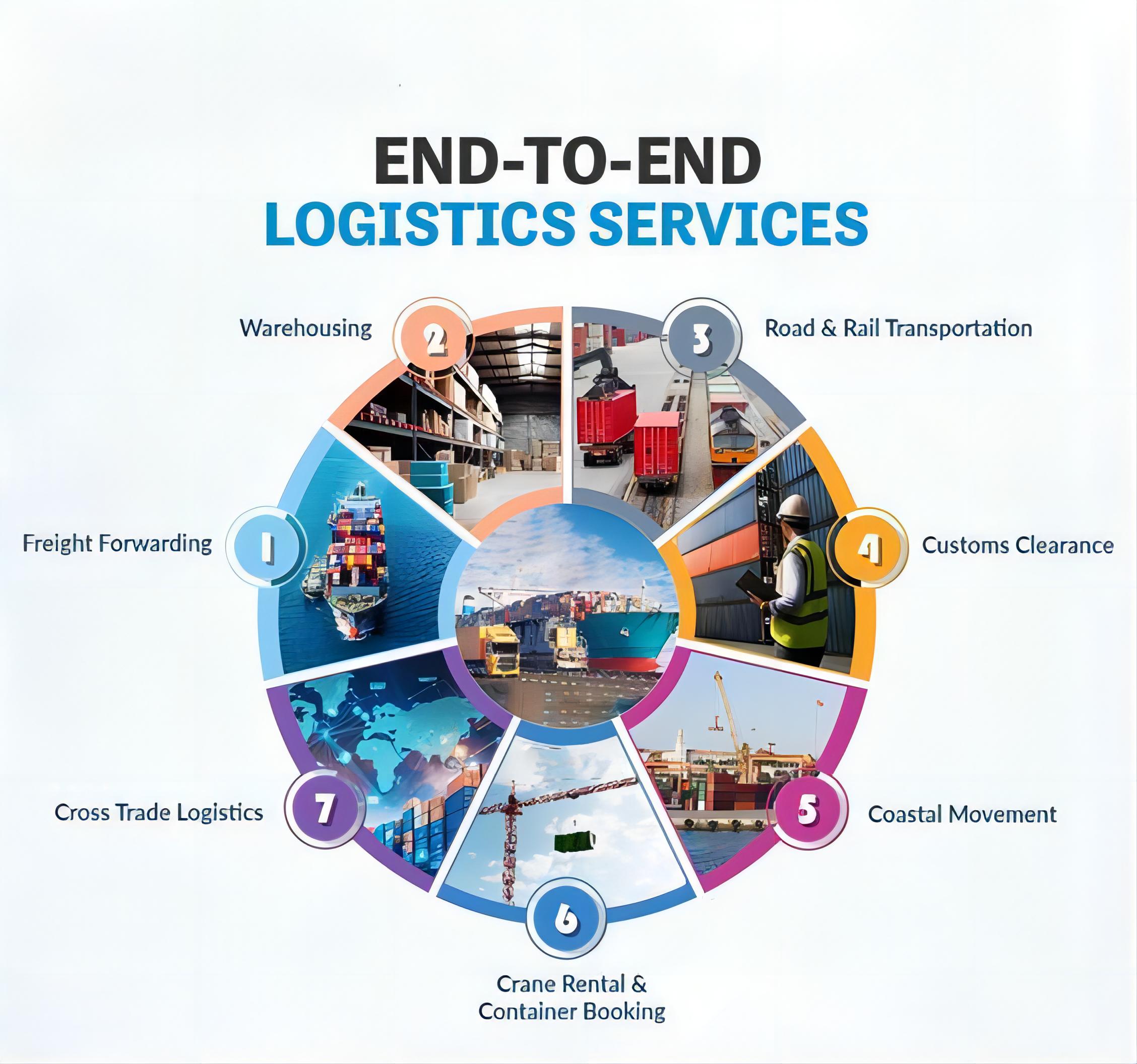
Navigating Customs and Documentation for UK Clothing Imports
Successful clothing imports into the UK demand meticulous attention to customs procedures and documentation. Incorrect or incomplete paperwork can lead to significant delays and penalties. Consequently, understanding these requirements is paramount for smooth operations.
Key documents typically include the commercial invoice, packing list, bill of lading, and certificate of origin. Moreover, specific declarations for textiles, such as material composition and country of manufacture, are often required. Therefore, engaging an experienced customs brokerage service can streamline this complex process significantly.
| Document Type | Purpose | Key Information |
|---|---|---|
| Commercial Invoice | Proof of sale, customs valuation | Value, quantity, description of goods |
| Packing List | Details of cargo contents | Weight, dimensions, package count |
| Bill of Lading (B/L) | Contract of carriage, title to goods | Shipper, consignee, cargo details, vessel |
| Certificate of Origin | Confirms country of manufacture | Origin country, product description |
| Customs Declaration | Formal statement to customs | HS codes, duties, taxes, regulatory compliance |
How Does Clothing Sea Freight Compare to Other Shipping Options?
While sea freight is a popular choice for clothing imports, other shipping methods offer different trade-offs in terms of speed, cost, and capacity. Consequently, businesses must evaluate their priorities to select the most suitable logistics strategy. Comparing these options provides valuable insights.
Notably, each method caters to distinct supply chain requirements. For example, urgent or high-value fashion items might necessitate faster transport. On the other hand, bulk orders benefit from more economical solutions. Therefore, a comprehensive comparison is essential.
| Shipping Method | Cost Range (China-UK) | Transit Time (China-UK) | Best For | Limitations |
|---|---|---|---|---|
| Sea Freight (FCL) | $3,500-4,500 (40HQ) | 30-38 days | Large volume, non-urgent, cost-sensitive | Long transit times, potential delays |
| Sea Freight (LCL) | $80-150/CBM | 35-45 days | Small volume, non-urgent, budget-friendly | Longer transit, potential for damage during consolidation |
| Air Freight | $5-10/kg (volume dependent) | 3-7 days | Urgent, high-value, small volume samples | High cost, weight/volume restrictions |
| Rail Freight (to EU) | $0.8-2.0/kg (to EU) | 18-25 days (to EU hub) | Mid-speed, mid-cost, bulk goods to Europe | No direct UK rail, requires onward transport |
Air Freight vs. Sea Freight
For time-sensitive fashion collections or small, high-value samples, air freight offers significantly faster transit times, usually 3-7 days. However, this speed comes at a much higher cost, making it impractical for large-volume clothing shipments. Air freight rates can be 5-10 times higher than sea freight for the same weight.
In contrast, sea freight, despite its longer transit of 30-38 days, provides unparalleled cost efficiency for bulk clothing. For example, shipping a 40HQ container of apparel via sea might cost $3,500-4,500, whereas the equivalent volume by air could easily exceed $20,000. Therefore, the choice heavily depends on urgency and budget.

Rail Freight Considerations
Rail freight presents a viable middle-ground option for shipping goods from China to Europe, offering a balance between speed and cost. Transit times to European hubs typically range from 18-25 days, faster than sea freight but slower than air. Furthermore, it is generally more expensive than sea freight but significantly cheaper than air freight.
However, direct rail routes from China to the UK usually involve transshipment in continental Europe (e.g., Germany or Poland), requiring onward road or short-sea ferry transport. This adds complexity and potentially extra costs. Consequently, while not a direct China-UK route, it can be part of a multimodal strategy for some goods.
Realistic Case Studies: Clothing Sea Freight China to UK
These case studies illustrate practical applications of clothing sea freight China to UK, showcasing real-world scenarios and outcomes. They highlight how different factors, from cargo size to chosen service, impact the final cost and timeline. Based on Q1 2025 market rates, these examples provide tangible insights.
Understanding these examples can help you anticipate challenges and make informed decisions for your own apparel imports. Indeed, every shipment has unique requirements, yet these provide a general framework. Remember, rates are subject to change based on fuel costs, carrier capacity, and seasonal demand. Contact us for a current quote tailored to your specific shipment.
Case Study 1: Small Batch Apparel LCL Shipment
| Detail | Description |
|---|---|
| Route | Ningbo, China -> Felixstowe, UK |
| Cargo | Fashion Accessories (scarves, hats), 8 CBM, 1500 kg |
| Container | LCL 8 CBM |
| Shipping Details | Carrier/Service: Major carrier; Port of Loading: Ningbo; Port of Discharge: Felixstowe; Route Type: Transshipment via Singapore |
| Cost Breakdown (Estimated) | Ocean Freight: $880 (8 CBM x $110/CBM); Origin Charges (THC, documentation): $280; Destination Charges: $350; Customs & Duties (estimated): $400; Total Landed Cost: $1,910 |
| Timeline | Booking to Loading: 5 days; Sea Transit: 32 days; Customs Clearance: 3 days; Total Door-to-Door: 40 days |
| Key Insight | LCL was cost-effective for this smaller volume, but transshipment added a few days to the overall transit time. Careful documentation prevented customs delays. |
Case Study 2: Bulk Fashion Goods FCL Shipment
| Detail | Description |
|---|---|
| Route | Shanghai, China -> London Gateway, UK |
| Cargo | Winter Jackets & Sweaters, 65 CBM, 9500 kg |
| Container | 40HQ |
| Shipping Details | Carrier/Service: COSCO; Port of Loading: Shanghai; Port of Discharge: London Gateway; Route Type: Direct |
| Cost Breakdown (Estimated) | Ocean Freight: $4,100; Origin Charges (THC, documentation): $450; Destination Charges: $600; Customs & Duties (estimated): $1,200; Total Landed Cost: $6,350 |
| Timeline | Booking to Loading: 7 days; Sea Transit: 30 days; Customs Clearance: 2 days; Total Door-to-Door: 39 days |
| Key Insight | Direct FCL provided good value and a relatively fast transit for a large volume. Pre-clearance arrangements sped up UK customs processes. Q4 peak season rates were 15% higher than off-peak. |
Optimizing Your Clothing Sea Freight Strategy
To maximize efficiency and minimize costs for your clothing sea freight from China to the UK, consider several strategic approaches. These methods can significantly impact your overall supply chain performance. Indeed, a well-planned strategy is crucial for success.
From choosing the right trade terms to leveraging comprehensive logistics services, every decision matters. Therefore, continuously evaluating and refining your shipping processes is highly beneficial. Ultimately, optimizing these elements leads to greater profitability.
Choosing the Right Incoterms
Incoterms define the responsibilities of buyers and sellers for the delivery of goods under sales contracts. For clothing imports, common Incoterms include FOB (Free On Board) and EXW (Ex Works). FOB means the seller covers costs until goods are loaded onto the vessel, providing more control to the buyer over main freight.
Conversely, EXW means the buyer is responsible from the factory gate, offering maximum control but also maximum responsibility. Selecting the correct Incoterm significantly impacts who pays for what, when risk transfers, and ultimately, your landed cost. Therefore, understanding these terms is vital.
Effective Supply Chain Management
Proactive supply chain management is key to mitigating potential disruptions in clothing sea freight. This involves closely monitoring production schedules, booking freight well in advance, and maintaining open communication with your suppliers and freight forwarders. Consequently, anticipating and addressing issues early can prevent costly delays.
Furthermore, diversifying your supplier base or shipping routes can reduce reliance on single points of failure. Implementing robust inventory management also helps balance stock levels against transit times. Therefore, a holistic approach to your supply chain ensures resilience and efficiency.
Door-to-Door Services for Convenience
For many businesses, a comprehensive door-to-door service simplifies the entire shipping process. This means your freight forwarder handles everything from pickup at the factory in China to final delivery at your warehouse in the UK. Subsequently, it reduces administrative burden and coordination efforts.
This service typically includes ocean freight, customs clearance, port charges, and local delivery. While it might appear slightly more expensive upfront, the convenience and reduced risk often outweigh the additional cost. Therefore, it’s an excellent option for businesses seeking a hassle-free import experience.
Which Shipping Option Should You Choose?
Deciding on the optimal shipping method for your clothing imports depends on your specific business priorities. There isn’t a one-size-fits-all answer, as each option presents different advantages and disadvantages. Consequently, weighing these factors carefully is crucial.
Consider your budget, time sensitivity, cargo volume, and the value of your goods before making a final decision. Therefore, a strategic alignment of these elements will guide you to the most effective solution.
| Priority | Recommendation | Considerations |
|---|---|---|
| Budget Focus | Sea Freight (LCL/FCL) | Lowest cost per unit, longer transit, ideal for bulk |
| Speed & Urgency | Air Freight or Express | Fastest delivery, highest cost, best for samples or urgent stock |
| Mid-Range Balance | Rail Freight (to EU + road) | Faster than sea, cheaper than air, requires multimodal planning |
| Large Volume (15+ CBM) | FCL Sea Freight | Most cost-effective for full containers, better security |
| Small Volume (Under 15 CBM) | LCL Sea Freight | Pay only for space used, economical for smaller batches |
Conclusion: Navigating Clothing Sea Freight China to UK Successfully
Successfully managing clothing sea freight from China to the UK requires a comprehensive understanding of various logistical elements. From selecting the right container type to navigating complex customs procedures, each step demands careful attention. Moreover, strategic planning ensures both cost-efficiency and timely delivery.
By leveraging reliable partners and optimizing your supply chain, you can effectively import apparel, supporting your business growth. Ultimately, mastering the intricacies of clothing sea freight China to UK logistics provides a significant competitive advantage in the global market. Therefore, continuous learning and adaptation are essential for sustained success.

Ready to streamline your logistics?
Ready to streamline your clothing sea freight China to UK operations? Contact China Top Freight today for a personalized quote and expert guidance. Our team is prepared to help you navigate the complexities of international shipping with ease and efficiency.
Request Quote