

Fast Door to Door Delivery from China to France
Navigating international shipping from China to France can often present significant logistical hurdles, particularly when speed and convenience are paramount. Businesses consistently seek reliable solutions for fast door to door delivery from China to France, ensuring their goods arrive promptly and without hassle. Thankfully, expert freight forwarders like China Top Freight specialize in streamlining this complex process, offering comprehensive services that handle every step.
What is Fast Door to Door Delivery from China to France?
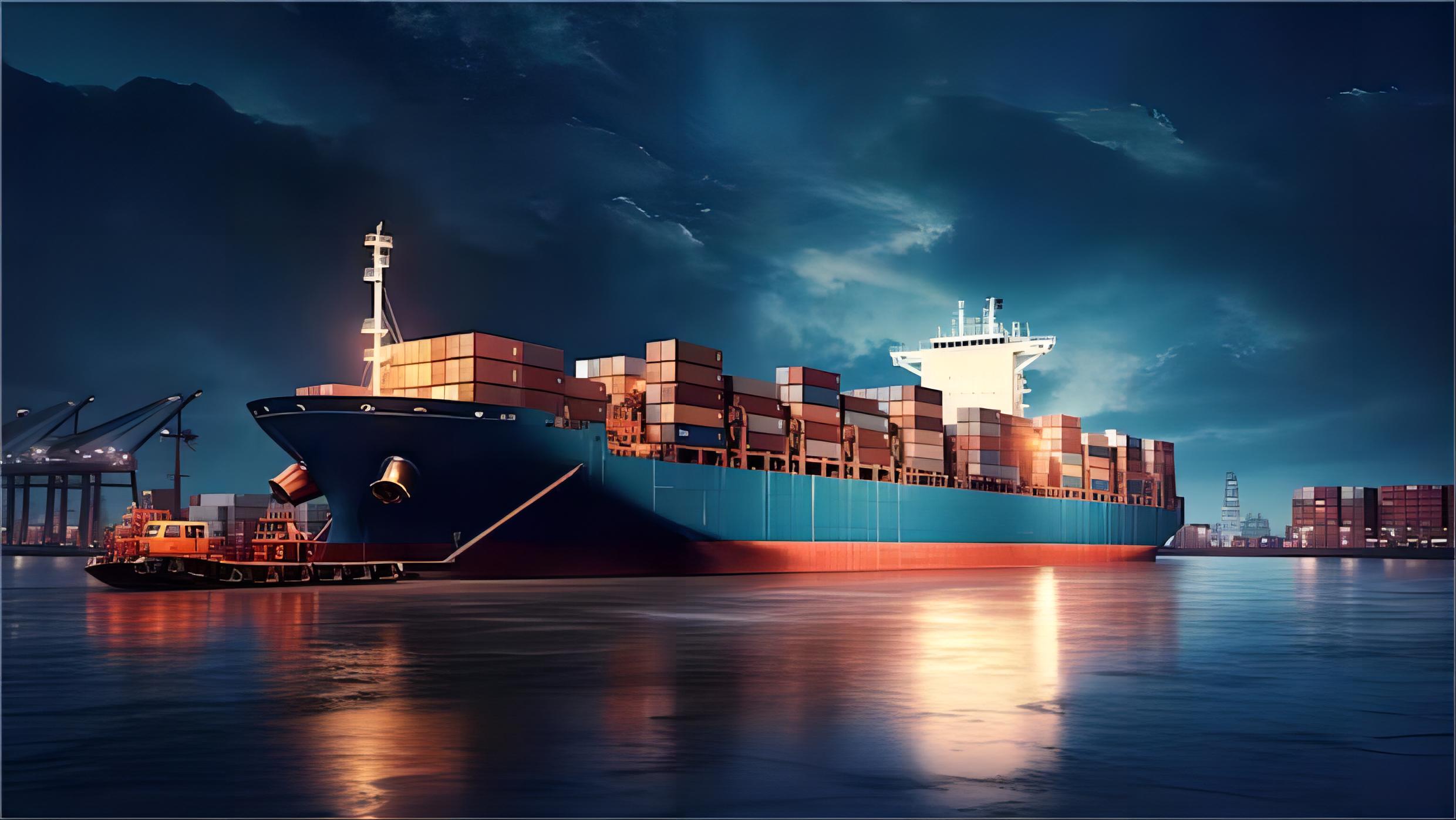
Door to door shipping represents a complete logistics solution, managing your goods from the supplier’s factory in China directly to your final destination in France. This comprehensive service covers all stages, including pick-up, customs clearance at both origin and destination, freight transport, and final delivery.

Crucially, selecting a reliable partner for door to door services eliminates the need for multiple intermediaries. Consequently, businesses can significantly reduce their operational burden and potential delays. This integrated approach ensures a smoother and more predictable supply chain for importing goods.
Furthermore, prioritizing speed in this process means leveraging efficient transportation modes and streamlined customs procedures. Ultimately, fast door to door delivery from China to France aims to minimize transit times and maximize convenience for importers. This integrated strategy is vital for maintaining competitive advantage in today’s dynamic market.
Key Factors Influencing Your Delivery Schedule
Several critical elements dictate the overall speed and efficiency of your fast door to door delivery from China to France. Understanding these factors is essential for effective planning and budgeting. Moreover, they directly impact your supply chain management and customer satisfaction.
Primarily, the choice of shipping method profoundly affects transit time. Air freight offers the fastest transit but at a higher cost, whereas sea freight is more economical for larger volumes but takes longer. Rail freight presents a balanced option in terms of both speed and cost.
Another significant consideration is customs clearance. Delays can occur due to incomplete documentation or unforeseen inspections, consequently impacting the overall delivery schedule. Therefore, meticulous preparation and working with experienced customs brokers are vital. Factors like port congestion, seasonal demand, and geopolitical events can also introduce variability to freight rates and transit times.
Transit Time and Speed Considerations
Achieving expedited delivery primarily hinges on the chosen mode of transport. Air freight typically delivers in 5-7 days, while rail freight usually takes 18-22 days. Sea freight, on the other hand, often requires 28-35 days for transit.
Additionally, the specific origin and destination cities, along with transshipment points, can influence the final transit time. Consequently, direct routes generally offer faster service compared to those involving multiple transfers. Planning ahead and understanding these nuances is crucial for managing expectations.
Cost Implications and Budgeting
The cost of shipping from China to France varies widely across different methods. Air freight commands premium pricing due to its speed, while sea freight offers the most economical rates for bulk cargo. Rail freight sits between these two in terms of cost.
Moreover, various surcharges, duties, and taxes contribute to the total landed cost. These include fuel surcharges, terminal handling charges, and VAT, all of which must be factored into your budget. Obtaining a detailed quote that outlines all potential expenses is highly recommended for accurate financial planning.
Customs Clearance and Documentation
Efficient customs procedures are indispensable for fast door to door delivery. Proper documentation, including commercial invoices, packing lists, and certificates of origin, is non-negotiable. Any discrepancies can lead to significant delays and additional costs.
Furthermore, understanding import regulations France from China and potential tariffs is crucial. Partnering with a knowledgeable freight forwarder can help navigate these complexities, ensuring compliance and minimizing customs-related issues. This expertise is vital for a smooth process.
Shipping Methods for Fast Door to Door Delivery
When considering fast door to door delivery from China to France, businesses have several primary shipping methods at their disposal. Each option offers distinct advantages in terms of speed, cost, and cargo capacity. Selecting the most suitable method depends heavily on your specific needs and priorities.
Therefore, evaluating your cargo type, urgency, and budget is paramount before making a decision. Moreover, understanding the typical freight rates China to France for each option can significantly aid in strategic planning. A comprehensive approach ensures optimal logistics.
Air Freight: The Fastest Option
For urgent shipments requiring the quickest transit, air freight is undoubtedly the preferred choice. It offers unmatched speed, typically delivering goods from China to France within 5-7 days. This method is ideal for high-value, time-sensitive, or perishable items.
However, the premium speed comes with a higher cost compared to other methods. Air freight rates are calculated based on weight or volumetric weight, whichever is greater. Consequently, it is less economical for very large or heavy cargo, making it suitable for smaller, high-priority consignments. Express delivery from China to France often utilizes air freight.
Rail Freight: A Balanced Solution
Rail freight has emerged as a popular middle-ground solution, balancing speed and cost effectively. The New Silk Road railway network connects major Chinese cities to Europe, offering transit times of approximately 18-22 days to France. This is significantly faster than sea freight and more affordable than air freight.
This method is particularly suitable for medium to large shipments that are not extremely urgent but still require quicker delivery than ocean transport. Rail freight provides greater security and reliability, with less susceptibility to weather delays compared to sea shipping. It is an excellent option for optimizing your supply chain.
Sea Freight: Economical for Volume
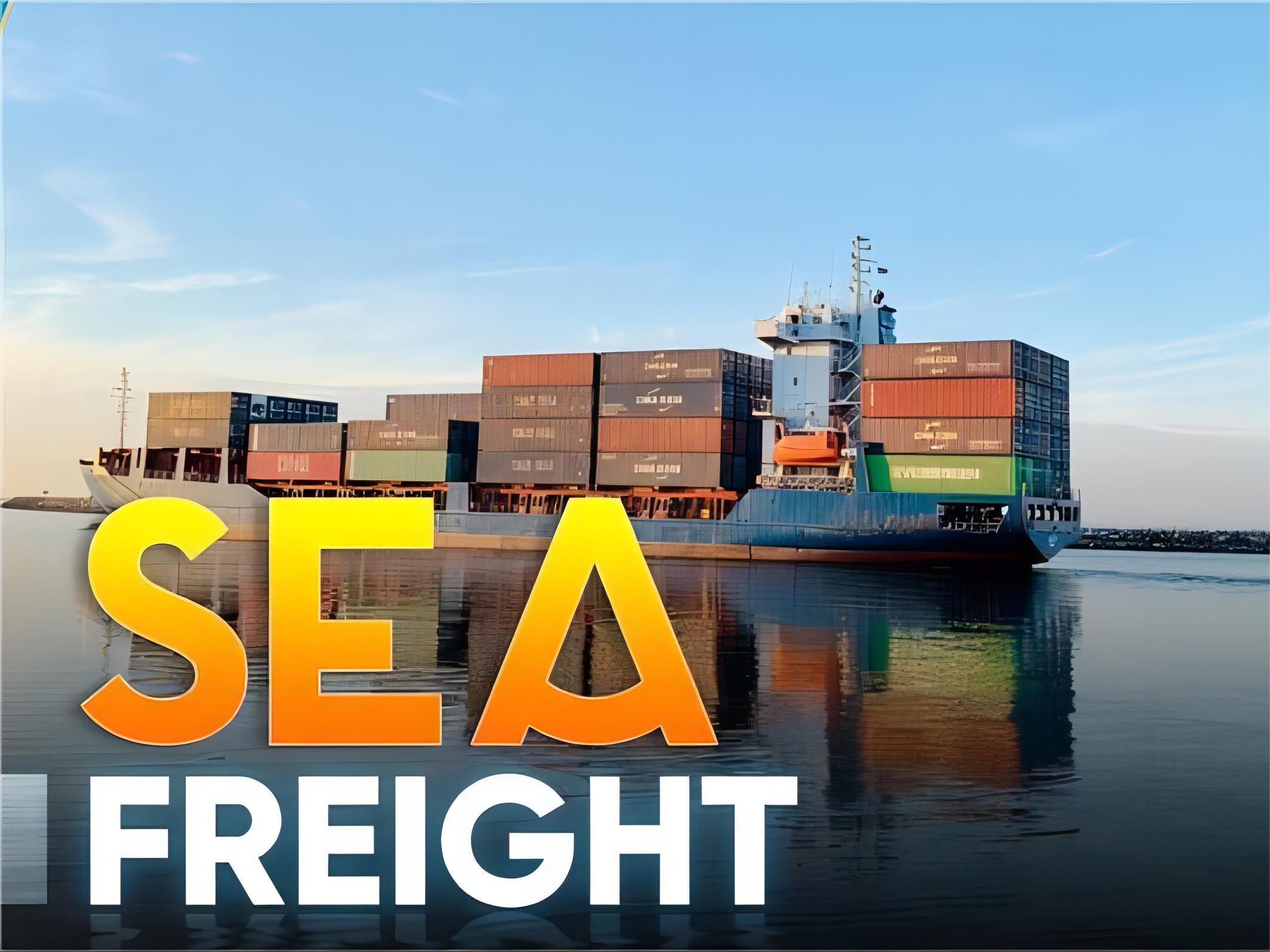
For large volumes of non-urgent goods, sea freight remains the most cost-effective solution. While transit times typically range from 28-35 days, it offers unparalleled capacity for bulk cargo and heavy machinery. This method is ideal for businesses focused on minimizing shipping costs.
Furthermore, sea freight offers options like Full Container Load (FCL) for exclusive container use or Less than Container Load (LCL) for consolidating smaller shipments. Choosing between FCL and LCL depends on your cargo volume and budget. Shipping large items China to France almost always utilizes ocean transport.
How Does Each Method Compare for China-France Door to Door?
Choosing the optimal shipping method for fast door to door delivery from China to France requires a clear understanding of each option’s trade-offs. This comparison outlines the key differences in cost, speed, and suitability for various cargo types. Furthermore, it highlights the benefits and limitations of each method.
Therefore, consider your budget, urgency, and the nature of your goods carefully. This strategic decision directly impacts your overall logistics trends and customer satisfaction. Always seek current freight rates from a reliable freight forwarder China France for the most accurate planning.
| Shipping Method | Cost Range (40HQ / 500kg Air) | Transit Time (Door to Door) | Best For | Limitations |
|---|---|---|---|---|
| Air Freight | $2,000 – $4,000 (500kg) | 5-7 days | Urgent, high-value, small volume | Highest cost, limited capacity for heavy/bulky items |
| Rail Freight | $6,000 – $9,000 (40HQ) | 18-22 days | Medium urgency, mid-to-large volume | Less flexible routes than sea, not as fast as air |
| Sea Freight | $3,000 – $4,200 (40HQ) | 28-35 days | Large volume, heavy, non-urgent, lowest cost | Longest transit time, susceptible to port congestion |
Which Option Should You Choose?
If budget is your top priority for large volumes, sea freight is the clear choice. It offers the lowest cost per unit for bulk cargo. However, be prepared for longer transit times.
When speed is paramount and your cargo is time-sensitive or high-value, air freight is unmatched. It ensures the fastest delivery schedule, albeit at a higher premium. Consider express delivery from China to France for critical shipments.
For a balanced approach, rail freight provides a compelling blend of speed and affordability. It is faster than sea and cheaper than air, making it suitable for a wide range of goods requiring moderate urgency. This can be an excellent option for ecommerce shipping China to France.
Moreover, hybrid solutions, such as sea-air combinations, can offer flexibility. For instance, goods might travel by sea to a European hub and then by air to France, combining cost-efficiency for the main leg with speed for the final stretch. Consulting with a logistics expert can help determine the best fit for your unique supply chain management needs.
Navigating Customs and Regulations for France Imports
Effective customs management is a cornerstone of fast door to door delivery from China to France. Improper documentation or a lack of understanding of import regulations can lead to costly delays and penalties. Therefore, meticulous preparation is non-negotiable.
Moreover, France, as part of the European Union, adheres to strict import policies. Consequently, all goods must comply with EU standards and regulations. This includes product safety, labeling requirements, and environmental directives. Navigating these complexities is essential for a smooth process.
Essential Documentation Checklist
A complete set of accurate documents is paramount for seamless customs clearance. This typically includes a commercial invoice, packing list, bill of lading (for sea freight) or air waybill (for air freight), and a certificate of origin. Furthermore, specific goods may require additional licenses or permits.
Additionally, ensure all Harmonized System (HS) codes are correctly applied to your products. Incorrect classification can lead to delays or incorrect calculation of customs duties China France. Working with experienced professionals can help prevent such issues.
| Document | Purpose | Key Detail |
|---|---|---|
| Commercial Invoice | Proof of sale, value declaration | Accurate product description, value, HS codes |
| Packing List | Content and weight breakdown | Detailed item count, dimensions, gross/net weight |
| Bill of Lading/Air Waybill | Contract of carriage, title to goods | Consignor, consignee, carrier details |
| Certificate of Origin | Country of manufacture proof | Required for preferential tariffs or compliance |
Working with a Customs Broker
Engaging a professional customs brokerage service is highly recommended for imports into France. These experts possess in-depth knowledge of EU customs laws, tariffs, and procedures. They can efficiently prepare and submit all necessary documentation on your behalf.
Furthermore, a good customs broker can advise on potential duty exemptions or preferential trade agreements, ultimately saving you money. Their expertise helps prevent common pitfalls, ensuring your cargo handling moves swiftly through customs and avoiding unexpected costs or delays. This is crucial for reliable door to door logistics China France.
Real-World Case Studies: Fast Door to Door Delivery from China to France
Examining actual shipping scenarios provides valuable insights into the complexities and solutions for fast door to door delivery from China to France. These case studies highlight how different shipping methods are chosen based on specific cargo requirements, budgets, and urgency. They demonstrate practical applications of effective logistics planning.
Moreover, these examples showcase the importance of a streamlined process, from cargo handling at origin to last-mile delivery in France. Based on Q3 2024 market rates, these scenarios illustrate typical outcomes and challenges faced by importers. Always remember, freight rates are subject to change based on fuel costs, carrier capacity, and seasonal demand. Contact us for a current quote tailored to your specific shipment.
Case Study 1: Urgent Electronics via Air Freight
This client needed to quickly restock high-value consumer electronics for a product launch in Paris. Speed was the absolute priority, necessitating the fastest possible transit to avoid missing market opportunities. The cargo was relatively small but had a high per-unit value.
| Detail | Description |
|---|---|
| Route | Shenzhen, China to Paris, France |
| Cargo | Consumer Electronics, 2 CBM, 450 kg |
| Shipping Method | Air Freight |
| Shipping Details | Major carrier (e.g., Air France Cargo), direct flight from Shenzhen Bao’an (SZX) to Paris Charles de Gaulle (CDG). |
| Cost Breakdown | Air Freight: $3,500; Origin Charges: $250; Destination Charges: $180; Customs & Duties (estimated): $500; Total Landed Cost: $4,430 |
| Timeline | Booking to Loading: 1 day; Air Transit: 2 days; Customs Clearance: 1 day; Total Door-to-Door: 4 days |
| Key Insight | Air freight provided the critical speed needed for a time-sensitive product launch, justifying the higher cost. Efficient documentation ensured rapid customs clearance. |
Case Study 2: Bulk Textiles via Rail Freight
A fashion brand regularly imports textiles from China and sought a balance between speed and cost for their seasonal collections. They needed faster delivery than sea freight but found air freight too expensive for their volume. Rail freight offered the ideal solution for their steady supply chain.
This option provided a predictable delivery schedule, allowing for better inventory management and avoiding the longer lead times of ocean shipping. The client appreciated the enhanced security and reliability of rail transport across continents.
| Detail | Description |
|---|---|
| Route | Chongqing, China to Lyon, France |
| Cargo | Textile rolls, 40HQ container |
| Shipping Method | Rail Freight (New Silk Road) |
| Shipping Details | Direct block train from Chongqing to Duisburg (Germany), then truck to Lyon. Carrier: China Railway Express. |
| Cost Breakdown | Rail Freight: $7,800; Origin Charges: $450; Destination Charges: $350; Customs & Duties (estimated): $1,200; Total Landed Cost: $9,800 |
| Timeline | Booking to Loading: 3 days; Rail Transit: 16 days; Customs Clearance: 2 days; Total Door-to-Door: 21 days |
| Key Insight | Rail freight offered a significant speed advantage over sea freight at a manageable cost, perfectly suiting the client’s seasonal inventory needs. Customs pre-clearance at the EU border hub expedited the process. |
Case Study 3: Large Volume Furniture via Sea Freight
An online furniture retailer required an economical solution for importing bulky items in large quantities. Their main priority was cost efficiency, as transit time was less critical for their inventory model. They opted for Full Container Load (FCL) to maximize their value.
This case exemplifies how sea freight, despite its longer transit, is indispensable for businesses dealing with high-volume, lower-urgency cargo. Careful planning was essential to manage inventory levels during the longer shipping period.
| Detail | Description |
|---|---|
| Route | Ningbo, China to Le Havre, France |
| Cargo | Flat-pack furniture, 40HQ container |
| Shipping Method | Sea Freight (FCL) |
| Shipping Details | Major carrier (e.g., COSCO), direct route from Ningbo Port (NGB) to Le Havre Port (FRLEH). |
| Cost Breakdown | Ocean Freight: $3,800; Origin Charges: $600; Destination Charges: $500; Customs & Duties (estimated): $1,500; Total Landed Cost: $6,400 |
| Timeline | Booking to Loading: 5 days; Sea Transit: 30 days; Customs Clearance: 3 days; Total Door-to-Door: 38 days |
| Key Insight | Sea freight provided the most cost-effective solution for a large volume shipment, crucial for maintaining competitive pricing. Proactive customs planning minimized delays at the port of discharge. |
Optimizing Your Supply Chain for Fast Delivery
Achieving consistent fast door to door delivery from China to France requires more than just selecting a transport method; it demands a holistic approach to supply chain optimization. Strategic planning and efficient execution are paramount for success. Therefore, businesses must consider various elements beyond basic shipping.
Furthermore, current logistics trends emphasize resilience and adaptability. Consequently, diversified shipping strategies and robust tracking systems are becoming increasingly important. This proactive stance helps mitigate risks and ensures smooth operations.
Consolidation and FCL/LCL Decisions
For smaller shipments, Less than Container Load (LCL) consolidation can be a cost-effective strategy. Multiple consignments are grouped into one container, sharing the freight costs. This is an excellent solution for businesses that do not have enough cargo for a Full Container Load (FCL).
Conversely, if your cargo volume is sufficient, opting for FCL provides benefits like faster transit (no need for consolidation/deconsolidation) and reduced risk of damage. Making the right FCL/LCL decision is crucial for managing the cost of shipping from China to France. It directly impacts both budget and delivery speed.
Technology and Tracking
Modern logistics heavily relies on advanced technology for real-time tracking and visibility. Utilizing robust tracking shipments China to France systems allows you to monitor your cargo’s journey, providing transparency and enabling proactive problem-solving. This visibility is vital for managing customer expectations.
Additionally, digital platforms facilitate streamlined communication and documentation, reducing administrative delays. Embracing these tools is key to maintaining an efficient and responsive supply chain. This technological edge helps ensure reliable door to door logistics China France.

Choosing the Right Logistics Partner for China-France Routes
The success of your fast door to door delivery from China to France largely depends on the expertise and reliability of your chosen logistics partner. A reputable freight forwarder acts as an extension of your business, managing the complexities of international trade. Therefore, careful selection is crucial.
Moreover, a good partner will offer comprehensive services, from origin pickup to final delivery, including customs brokerage. Consequently, they streamline the entire process, allowing you to focus on your core business. This partnership is vital for consistent performance.
Experience and Network
Look for a freight forwarder with extensive experience in the China-Europe trade lane, specifically to France. Their established network of carriers, agents, and customs contacts can significantly expedite your shipments. This local and international expertise is invaluable.
Furthermore, a strong network ensures flexibility and contingency planning, which is essential in managing unexpected challenges like port congestion or route disruptions. A reliable freight forwarder China France possesses these critical attributes. They can offer insights into the cheapest way to ship from China to France without compromising service quality.
Comprehensive Service Offerings
An ideal logistics partner should offer a full suite of services tailored to fast door to door delivery. This includes freight consolidation, warehousing, customs clearance, and last-mile delivery. Such integrated services simplify the entire shipping process.
Additionally, inquire about their capabilities in handling specific cargo types, such as dangerous goods or oversized items. A partner that provides end-to-end solutions, including robust cargo handling, ensures greater efficiency and peace of mind. This comprehensive approach supports seamless import/export operations.
Achieving Efficient and Fast Door to Door Delivery to France
Ultimately, successful fast door to door delivery from China to France hinges on strategic planning and the right logistics partner. By understanding the nuances of air, rail, and sea freight, along with meticulous customs preparation, businesses can optimize their supply chains. This ensures timely and cost-effective delivery of goods.
Moreover, leveraging expert services for customs brokerage and freight consolidation further enhances efficiency. Choosing a reliable freight forwarder with a strong network and comprehensive service offerings is paramount. They will navigate the complexities, ensuring your cargo reaches France smoothly and efficiently.
Need a tailored shipping solution?
Ready to experience seamless and fast door to door delivery from China to France? Contact our expert team today for a personalized quote and discover how we can optimize your shipping strategy. Let us handle the logistics, so you can focus on your business growth.