

Electronics Air Freight China to USA: Your Ultimate Shipping Guide
Shipping electronics from China to the USA demands speed, reliability, and precision. Therefore, understanding the intricacies of electronics air freight China to USA is crucial for maintaining a competitive edge. This comprehensive guide will equip you with the knowledge to navigate the complexities, ensuring your valuable cargo arrives safely and efficiently. Moreover, we will explore various factors, costs, and strategic considerations for your supply chain.
Why Choose Air Freight for Electronics from China to USA?
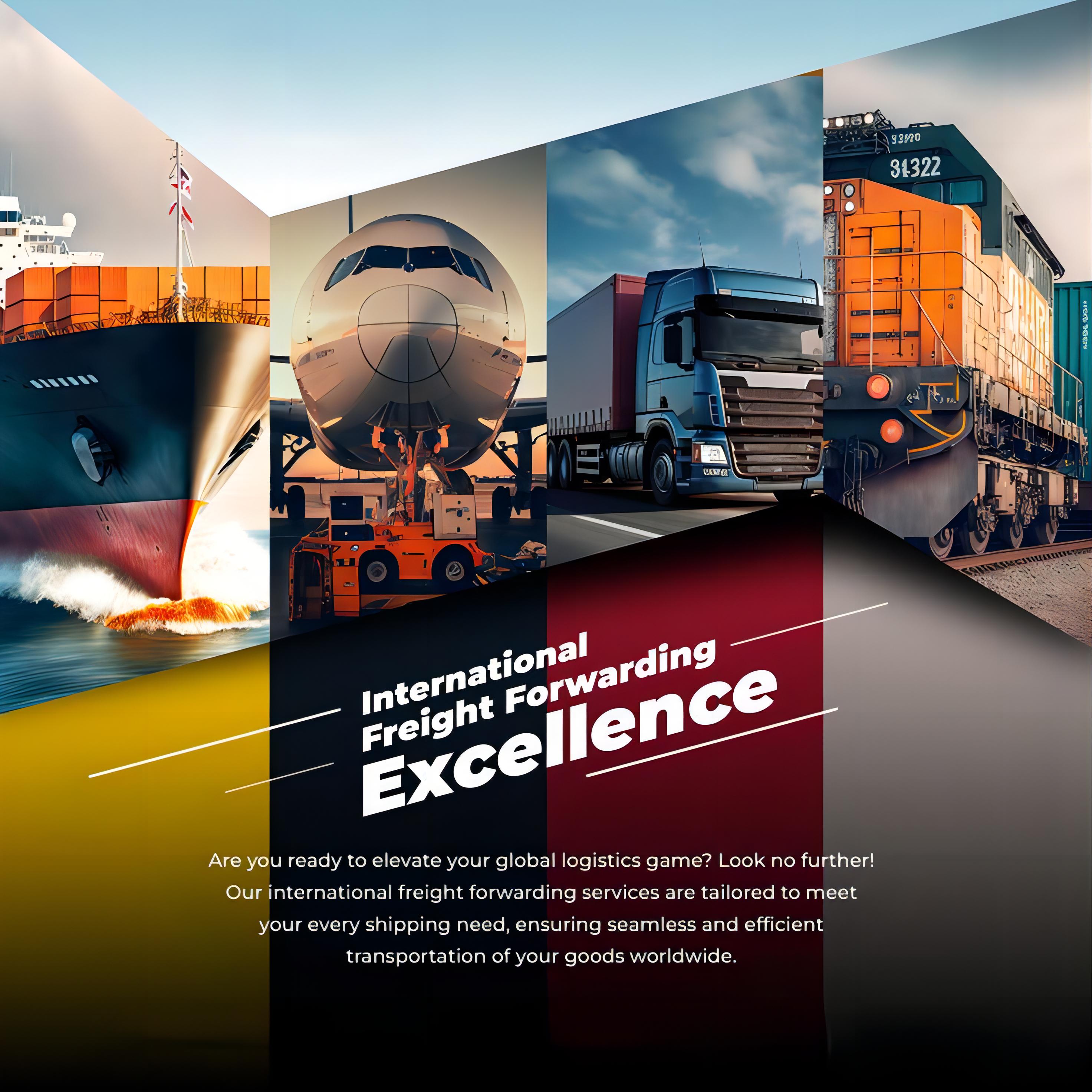
For electronics, speed is often paramount, especially for high-value, time-sensitive, or rapidly depreciating products. Consequently, air freight offers the shortest transit times, drastically reducing the lead time from production to market. This is particularly vital for product launches or to quickly replenish fast-selling inventory.
Furthermore, air shipping provides a higher level of security and reduced handling, which is beneficial for delicate and expensive electronic components. Less time in transit typically means fewer opportunities for damage or theft. Therefore, many businesses rely on air cargo for their critical electronics shipments, prioritizing safety and speed over other considerations.
Key Factors Influencing Electronics Air Freight Costs
Several elements contribute to the overall cost of express shipping electronics via air freight. Understanding these factors allows businesses to better budget and optimize their logistics. Consequently, freight rates are influenced by the cargo’s weight, volume, and specific handling requirements.

Additionally, the chosen service level, carrier, and fuel surcharges play significant roles. For instance, urgent shipments will incur higher costs. Moreover, destination-specific charges, customs duties, and any special handling fees for hazardous or sensitive electronics must be factored in. As of Q1 2025, air freight rates have seen some stabilization, but remain susceptible to fluctuations based on global demand and fuel prices. Therefore, always obtain a current quote for accurate pricing.
| Cost Component | Description | Impact on Total Cost |
|---|---|---|
| Air Freight Rate | Per kg or per CBM, depending on chargeable weight. | Primary cost driver, varies by carrier/route. |
| Fuel Surcharge (FSC) | Fluctuating fee based on jet fuel prices. | Significant, can change weekly or monthly. |
| Security Surcharge (SSC) | Fee for enhanced security measures. | Standard, generally a fixed per kg rate. |
| Terminal Handling Charges (THC) | Costs for handling at origin and destination airports. | Fixed or per kg, depends on airport. |
| Customs Clearance Fee | Charges for customs declaration and processing. | Mandatory, varies by broker and complexity. |
| Insurance | Coverage against loss or damage. | Optional but highly recommended for electronics. |
| Documentation Fees | Costs for preparing necessary shipping documents. | Minor, usually a flat fee per shipment. |
Navigating Customs and Regulations for Electronics to USA
Importing electronics into the USA involves navigating a complex web of regulations and customs procedures. Therefore, proper documentation and compliance are essential to avoid delays and penalties. Many electronic devices are subject to specific import requirements from agencies like the FCC (Federal Communications Commission) and FDA (Food and Drug Administration).
Moreover, accurate product classification (HS codes) is critical for determining appropriate duties and taxes. Working with an experienced customs brokerage service can significantly streamline this process. They ensure all necessary permits, declarations, and safety certifications are in place, facilitating a smooth entry into the United States market.

Choosing the Right Air Freight Service for Your Electronics
Selecting the appropriate air freight service depends on your specific needs regarding speed, cost, and cargo type. Generally, options range from standard air cargo to expedited or express services. Standard air freight is more economical but has longer transit times, typically 5-7 days.
Conversely, express air freight, often offered by integrated carriers, provides door-to-door service within 1-3 days, albeit at a premium. For e-commerce businesses, specialized Amazon FBA services can integrate seamlessly with air freight for direct delivery to fulfillment centers. Ultimately, assessing your urgency and budget will guide your choice.
How Does Air Freight Compare to Other Shipping Options for Electronics?
While air freight excels in speed, it is important to consider alternative shipping methods from China to the USA, especially for less urgent or bulkier electronics. Each mode of transport offers distinct advantages and disadvantages concerning cost, transit time, and capacity. Therefore, a strategic comparison is crucial for optimizing your logistics strategy.
For instance, sea freight is significantly more cost-effective for large volumes but involves much longer transit times. Understanding these trade-offs allows businesses to make informed decisions for their specific supply chain needs. This objective analysis helps balance budget constraints with delivery expectations.
| Shipping Method | Cost Range (per kg/CBM) | Transit Time (Avg.) | Best For | Limitations |
|---|---|---|---|---|
| Air Freight (Standard) | $4.00 – $8.00/kg | 5-7 days | High-value, time-sensitive, smaller volumes | Higher cost, weight/volume restrictions |
| Air Freight (Express) | $8.00 – $15.00+/kg | 1-3 days | Urgent, critical components, samples | Highest cost, strict weight/size limits |
| Sea Freight (FCL) | $0.05 – $0.15/kg | 15-35 days | Large volume, heavy, non-urgent goods | Long transit times, port congestion risks |
| Sea Freight (LCL) | $0.10 – $0.30/kg | 20-40 days | Medium volume, cost-sensitive, non-urgent | Longer transit, potential for delays, higher handling |
Which Shipping Option Should You Choose for Your Electronics?
The optimal shipping method for your electronics depends heavily on your priorities. If speed is paramount for new product launches or urgent stock replenishment, air freight is the undisputed choice. However, if cost efficiency for large, non-time-sensitive inventory is your main concern, sea freight becomes a more viable option. Consider a hybrid approach for a balanced solution.
Furthermore, cargo type plays a role; delicate, high-value items benefit from air freight’s security and reduced handling. Volume thresholds are also key; for shipments under 15 CBM, LCL sea freight or even expedited air parcel services might be more economical than a full container. Always evaluate your specific shipment characteristics against available options.
Real-World Electronics Air Freight Scenarios
Exploring practical examples can illuminate the complexities and strategic choices involved in door-to-door electronics air freight from China to USA. These scenarios highlight how different factors influence decisions and outcomes. We consider various cargo types, urgency levels, and cost constraints.
These case studies demonstrate the flexibility and critical role of air freight in diverse supply chains. They also underscore the importance of expert freight forwarding to navigate challenges effectively. Note: Freight rates are subject to change based on fuel costs, carrier capacity, and seasonal demand. Contact us for a current quote tailored to your specific shipment.
Case Study 1: Urgent Smartphone Components
| Detail | Value |
|---|---|
| Route | Shenzhen, China -> Chicago, USA |
| Cargo | Smartphone circuit boards, 1.2 CBM, 180 kg |
| Container | LCL 1.2 CBM |
| Shipping Method | Air Freight (Expedited) |
| Carrier/Service | Major Cargo Airline |
| Port of Loading | Shenzhen Bao’an International Airport (SZX) |
| Port of Discharge | O’Hare International Airport (ORD) |
| Route Type | Direct |
| Air Freight Cost | $1,600 – $2,000 |
| Origin Charges | $120 – $180 |
| Destination Charges | $90 – $150 |
| Customs & Duties (estimated) | $250 – $400 |
| Total Landed Cost | $2,060 – $2,730 |
| Booking to Loading | 1 day |
| Air Transit | 2 days |
| Customs Clearance | 1 day |
| Total Door-to-Door | 4-5 days |
| Key Insight | Production line halt prevented by rapid air shipment; justified higher cost for minimal downtime. |
Case Study 2: New Smart Home Device Launch
| Detail | Value |
|---|---|
| Route | Ningbo, China -> Los Angeles, USA |
| Cargo | Smart home devices, 4.0 CBM, 600 kg |
| Container | LCL 4.0 CBM |
| Shipping Method | Air Freight (Standard) |
| Carrier/Service | Scheduled Cargo Service |
| Port of Loading | Ningbo Lishe International Airport (NGB) |
| Port of Discharge | Los Angeles International Airport (LAX) |
| Route Type | Transshipment via Seoul |
| Air Freight Cost | $2,400 – $3,200 |
| Origin Charges | $200 – $300 |
| Destination Charges | $150 – $250 |
| Customs & Duties (estimated) | $500 – $800 |
| Total Landed Cost | $3,250 – $4,550 |
| Booking to Loading | 2-3 days |
| Air Transit | 4-5 days |
| Customs Clearance | 1-2 days |
| Total Door-to-Door | 7-10 days |
| Key Insight | Balanced speed and cost for a major product launch, ensuring market readiness. |
Case Study 3: High-Value Medical Imaging Equipment
| Detail | Value |
|---|---|
| Route | Shanghai, China -> New York, USA |
| Cargo | Medical imaging sensors, 0.8 CBM, 120 kg (fragile) |
| Container | LCL 0.8 CBM |
| Shipping Method | Air Freight (Temperature-Controlled) |
| Carrier/Service | Specialized Air Cargo |
| Port of Loading | Shanghai Pudong International Airport (PVG) |
| Port of Discharge | John F. Kennedy International Airport (JFK) |
| Route Type | Direct |
| Air Freight Cost | $1,200 – $1,600 |
| Origin Charges | $100 – $150 |
| Destination Charges | $80 – $120 |
| Customs & Duties (estimated) | $150 – $250 |
| Total Landed Cost | $1,530 – $2,120 |
| Booking to Loading | 1 day |
| Air Transit | 2-3 days |
| Customs Clearance | 1 day |
| Total Door-to-Door | 4-6 days |
| Key Insight | Special handling for fragile, high-value cargo ensured integrity and quick delivery for critical medical use. |
Streamlining Your Electronics Supply Chain with Air Freight
Optimizing your electronics supply chain involves strategic use of air freight to manage inventory, respond to market demands, and mitigate risks. Consequently, integrating efficient air cargo solutions can reduce warehousing costs and improve cash flow. This approach allows businesses to maintain leaner inventories while still meeting customer expectations.
Furthermore, partnering with a reliable freight forwarder is paramount for seamless operations. They can offer end-to-end logistics solutions, including warehousing, consolidation, and distribution. Moreover, their expertise in regulations and documentation minimizes potential delays, ensuring your electronics air freight from China to USA runs smoothly and predictably.
Conclusion
In conclusion, successful <a href=”https://chinatopfreight.com/”>electronics air freight China to USA</a> requires careful planning, an understanding of costs, and meticulous attention to customs regulations. While it offers unparalleled speed and security, it also demands strategic decision-making regarding service levels and carrier selection. Therefore, partnering with an experienced freight forwarder is essential for navigating these complexities.
By leveraging expert guidance and comprehensive logistics services, businesses can ensure their electronics shipments are efficient, compliant, and cost-effective. This strategic approach ultimately contributes to a robust and responsive supply chain, vital for the fast-paced electronics market.
Need a tailored shipping solution?
Ready to optimize your electronics air freight China to USA? Our expert team is here to provide tailored solutions and competitive quotes. Contact us today to discuss your specific shipping needs and ensure your valuable electronics arrive on time and within budget.