

Fast Door to Door Delivery from China to Spain: Your Ultimate Guide
Navigating international logistics can be complex, particularly when seeking fast door to door delivery from China to Spain. Businesses and individuals alike face challenges such as varying transit times, complex customs procedures, and fluctuating freight rates. This comprehensive guide will illuminate the most efficient pathways and strategies to ensure your goods arrive swiftly and seamlessly.

Why Choose Fast Door to Door Delivery from China to Spain?
In today’s globalized marketplace, speed and reliability are paramount for businesses importing from China to Spain. Choosing a fast door to door delivery service means entrusting your entire shipping process to a single provider. Consequently, this streamlines operations and reduces administrative burdens.
Furthermore, this integrated approach offers unparalleled convenience, covering everything from factory pickup in China to final delivery at your Spanish doorstep. It effectively minimizes potential delays and provides greater visibility over your supply chain, which is crucial for maintaining competitive edge.
Understanding Your Shipping Options: China to Spain
When considering fast door to door delivery from China to Spain, several viable shipping methods exist, each with distinct advantages and disadvantages. The optimal choice typically depends on your cargo’s urgency, size, weight, and budget constraints. Therefore, understanding these options is the first step towards an efficient logistics strategy.
Weighing the pros and cons of each method carefully will help you make an informed decision. This section explores the primary modes of transport available for this critical route, highlighting their typical performance metrics and ideal applications.
| Shipping Method | Cost Range (Avg. per kg) | Transit Time (China to Spain) | Best For | Limitations |
|---|---|---|---|---|
| Air Freight | $4 – $8+ | 3-7 days | Urgent, high-value, small/medium cargo | Highest cost, volume/weight restrictions |
| Sea Freight (FCL/LCL) | $0.5 – $2 | 28-38 days | Large volume, heavy, non-urgent cargo | Longest transit time, potential port delays |
| Rail Freight | $2 – $4 | 18-25 days | Medium urgency, medium-to-large cargo | Limited network compared to sea/air, potential border delays |
| Express Courier | $8 – $15+ | 2-5 days | Very urgent, small packages, documents | Extremely high cost for larger items |

Air Freight: Speed and Premium Service
Air freight is undoubtedly the fastest option for urgent shipments. Ideal for high-value, time-sensitive, or perishable goods, it offers significantly shorter transit times compared to other methods. However, this speed comes at a higher cost, making it less suitable for bulk or low-value cargo.
Typically, air cargo can reach Spain from major Chinese hubs in 3-7 days, including customs clearance. Consequently, for businesses prioritizing speed above all else, air freight remains the preferred choice for expedited delivery schedules.
Sea Freight: Cost-Effective for Volume
Sea freight is the most economical solution for large volumes and heavy cargo. While slower, it is significantly cheaper per unit, especially for full container loads (FCL) or less than container loads (LCL). This method is perfect for non-urgent, bulky goods such as machinery, raw materials, or consumer products.
Transit times for sea freight from China to Spain typically range from 28 to 38 days, depending on the specific ports and service route. Despite the longer duration, its cost-effectiveness makes it a cornerstone of international trade for many businesses looking for reliable shipping from China to Spain.
Rail Freight: The Balanced Option
Emerging as a strong contender, rail freight offers a compelling balance between speed and cost. It is faster than sea freight and considerably more affordable than air freight. The New Silk Road railway network connects major Chinese cities directly to Europe, including Spain.
Shipments via rail typically take 18-25 days to reach destinations in Spain. This makes it an excellent choice for businesses seeking a middle-ground solution, particularly for goods that are too urgent for sea but not critical enough for air. Furthermore, it boasts a lower carbon footprint, appealing to environmentally conscious companies.
Express Courier Services: Urgent Small Shipments
Express courier services, such as DHL, UPS, and FedEx, are ideal for small packages, samples, or extremely urgent documents. They offer the fastest transit times, often delivering within 2-5 business days from China to Spain. Consequently, these services are highly reliable and provide end-to-end tracking.
However, the cost per kilogram is substantially higher than other methods, limiting its practicality for larger or heavier shipments. Many online businesses rely on express parcel delivery China Spain for their direct-to-consumer needs, ensuring quick customer satisfaction.
How Does Door to Door Service Work?
A comprehensive door to door delivery service encompasses every stage of the shipping journey. This begins with the freight forwarder arranging pickup from your supplier’s factory in China. Subsequently, it includes all necessary transportation to the port or airport of origin.
The service then covers main carriage, whether by sea, air, or rail, through to the destination country. Crucially, it manages all customs clearance procedures, duties, and taxes, ensuring a smooth entry into Spain. Finally, the goods are delivered directly to your specified address, completing the entire logistics chain seamlessly. This holistic approach simplifies international trade considerably.
Key Factors Influencing Transit Times and Costs
Several critical elements dictate the speed and cost of fast door to door delivery from China to Spain. Understanding these factors allows for better planning and more accurate budgeting. Consequently, businesses can proactively mitigate potential issues and optimize their shipping strategies.
Careful consideration of these variables is essential for anyone seeking reliable freight forwarder China to Spain services. This section delves into the primary influencers of your overall shipping experience.
Route and Carrier Selection
The specific route taken and the chosen carrier significantly impact both transit time and freight rates. Direct routes are generally faster but can be more expensive than routes involving transshipment through intermediary ports. Moreover, different carriers offer varying service levels and sailing schedules.
Selecting a reputable carrier with a strong network for China to Spain routes can provide greater reliability and faster service. Market data suggests that premium carriers often reduce potential delays, though at a slight increase in cost.
Customs Clearance and Documentation
Efficient customs clearance is vital for fast delivery. Incomplete or incorrect documentation can lead to significant delays and additional charges. Therefore, working with an experienced freight forwarder who understands both Chinese export and Spanish import regulations is paramount.
Proper classification of goods, accurate valuation, and timely submission of all required documents are crucial. This proactive approach helps avoid customs holds, ensuring a smoother and faster flow of goods into Spain. Understanding import duties Spain from China is also key.
Seasonal Demand and Market Fluctuations
Freight rates and transit times are highly susceptible to seasonal demand and global market conditions. For instance, peak shipping seasons (e.g., before Chinese New Year or major holidays like Christmas) often see increased demand and higher prices. Additionally, global events like port congestion or fuel price changes can cause significant fluctuations.
As of Q1 2025, freight rates from China to Europe have stabilized after recent global disruptions, but remain sensitive to geopolitical events. Planning shipments outside of peak seasons or booking well in advance can help secure better rates and avoid delays.
Optimizing Your Supply Chain: Strategies for Efficiency
To achieve truly fast door to door delivery from China to Spain, businesses must continually optimize their supply chain processes. This involves not only selecting the right shipping method but also implementing strategic approaches that enhance overall efficiency. Consequently, a well-optimized supply chain can lead to significant cost savings and improved delivery schedules.
Adopting smart logistics trends and practices is essential for staying competitive in the dynamic international trade landscape. Here are some key strategies to consider for your China-Spain import operations.
Consolidation Services
For businesses with multiple small orders from different suppliers in China, consolidation services are invaluable. Instead of shipping each small package individually, goods from various vendors are combined into a single, larger shipment. This might be an LCL sea freight or a consolidated air cargo shipment.
This strategy significantly reduces per-unit shipping costs and simplifies customs procedures, as only one set of documents is processed. It’s an excellent way to manage shipping small packages China to Spain more economically and efficiently, improving overall logistics trends.
Choosing the Right Incoterms
Incoterms (International Commercial Terms) define the responsibilities of buyers and sellers for the delivery of goods. Selecting the appropriate Incoterm, such as DDP (Delivered Duty Paid) for a true door-to-door experience, is crucial. This choice impacts who pays for and manages each part of the shipping process, including insurance and customs.
Understanding these terms helps prevent misunderstandings and unexpected costs, ensuring a smoother transaction. It also clarifies who is responsible for various stages of cargo handling, which is vital for effective supply chain optimization China Spain.
Leveraging Technology
Modern logistics platforms offer real-time tracking, inventory management, and predictive analytics. Utilizing these technologies can provide greater visibility into your shipments and help anticipate potential delays. This proactive approach allows for quicker problem-solving and better planning.
From automated documentation to digital communication with freight forwarders, technology streamlines complex processes. This ultimately contributes to more reliable and faster shipping from China to Spain, enhancing overall delivery schedule adherence.
Real-World Success: Case Studies in Fast Door to Door Delivery
Examining actual shipping scenarios can provide valuable insights into the practical application of fast door to door delivery from China to Spain. These case studies highlight how different methods are chosen based on specific cargo requirements, budgets, and urgency. They also demonstrate the efficiency and challenges inherent in international logistics. Each example is based on Q3 2024 market rates and typical transit times.
These examples showcase the diverse approaches taken to achieve successful and expedited shipping outcomes. They underscore the importance of strategic planning and expert execution in complex global supply chains.
Case Study 1: High-Value Electronics via Air Freight
This case involved a Spanish tech retailer needing to quickly restock a popular new smartphone model.
Key Insight: Air freight was essential for meeting high consumer demand and capitalizing on market trends for this time-sensitive product. The higher cost was justified by rapid sales and inventory turnover.
| Detail | Description |
|---|---|
| Route | Shenzhen, China Madrid, Spain |
| Cargo | Smartphones and accessories, 3 CBM, 450 kg |
| Container | Consolidated Air Cargo (LCL) |
| Shipping Details | Carrier: Major airline (e.g., Lufthansa Cargo). Port of Loading: Shenzhen Bao’an (SZX). Port of Discharge: Madrid-Barajas (MAD). Route Type: Direct flight. |
| Cost Breakdown | Air Freight: $3,150 (approx. $7/kg). Origin Charges: $250. Destination Charges: $200. Customs & Duties (estimated): $500. Total Landed Cost: $4,100. |
| Timeline | Booking to Loading: 2 days. Air Transit: 1 day. Customs Clearance: 1 day. Total Door-to-Door: 4 days. |

Case Study 2: Bulk Retail Goods via Sea Freight
A Spanish department store chain imported a large consignment of seasonal apparel and home goods.
Key Insight: Sea freight offered the necessary capacity and cost-efficiency for bulk, non-perishable goods, aligning with the store’s inventory cycle. Careful planning mitigated the longer transit time.
| Detail | Description |
|---|---|
| Route | Shanghai, China Valencia, Spain |
| Cargo | Apparel and home textiles, 25 CBM, 8,000 kg |
| Container | 40GP (shared LCL space) |
| Shipping Details | Carrier: Major ocean carrier (e.g., MSC). Port of Loading: Shanghai (CNSHA). Port of Discharge: Valencia (ESVLC). Route Type: Direct route. |
| Cost Breakdown | Ocean Freight: $3,200 (for 40GP equivalent). Origin Charges: $450. Destination Charges: $350. Customs & Duties (estimated): $1,200. Total Landed Cost: $5,200. |
| Timeline | Booking to Loading: 5 days. Sea Transit: 30 days. Customs Clearance: 3 days. Total Door-to-Door: 38 days. |
Case Study 3: Industrial Components via Rail Freight
A Spanish manufacturing company required a steady supply of specialized industrial components with moderate urgency.
Key Insight: Rail freight provided a reliable and cost-effective middle-ground solution, faster than sea and cheaper than air, ensuring production continuity without excessive expense.
| Detail | Description |
|---|---|
| Route | Chongqing, China Barcelona, Spain |
| Cargo | Machine parts, 10 CBM, 3,500 kg |
| Container | 20GP (shared LCL space) |
| Shipping Details | Carrier: China-Europe Railway Express. Rail Terminal of Loading: Chongqing. Rail Terminal of Discharge: Madrid/Barcelona. Route Type: Direct rail. |
| Cost Breakdown | Rail Freight: $2,800. Origin Charges: $300. Destination Charges: $250. Customs & Duties (estimated): $800. Total Landed Cost: $4,150. |
| Timeline | Booking to Loading: 3 days. Rail Transit: 20 days. Customs Clearance: 2 days. Total Door-to-Door: 25 days. |
Which Option Should You Choose for Your China-Spain Shipments?
Selecting the best way to ship from China to Spain depends entirely on your specific business priorities and cargo characteristics. There is no one-size-fits-all solution; consequently, a careful evaluation of your needs is essential. This decision framework helps clarify which shipping method aligns best with your objectives.
Consider these key criteria to determine the most suitable fast door to door delivery option for your next shipment. Understanding your priorities will streamline the decision-making process significantly.
Budget Priority
If minimizing shipping costs is your primary concern, especially for large volumes, sea freight (FCL or LCL) is generally the most economical choice. For example, a 40HQ container from China to Spain might cost around $3,000-$4,200 (as of early 2025). This compares to air freight for similar volume costing $15,000-$25,000.
For smaller shipments where cost is still a factor but faster than sea, consolidated rail freight offers a good balance. Always compare freight rates China to Spain carefully.
Speed Priority
When time is of the essence, air freight or express courier services are indispensable. Air cargo rates China to Spain are higher, but delivery within 3-7 days can be critical for urgent cargo China to Spain or meeting tight deadlines. Express services can deliver even faster, often within 2-5 days for small packages.
For slightly less urgent but still time-sensitive goods, rail transport China to Spain provides a reliable option, typically arriving in 18-25 days. This is a significant improvement over sea freight’s longer transit time.
Cargo Type Considerations
The nature of your goods plays a crucial role. Perishable items, high-value electronics, or fashion goods with short shelf lives are best suited for air freight. Conversely, bulky raw materials, machinery, or non-perishable consumer goods are ideal for sea freight.
Dangerous goods or oversized cargo may have specific restrictions or require specialized handling, influencing the available shipping methods. Always declare your cargo accurately to ensure compliance and safety.
Volume Thresholds
For very small parcels (under 100 kg or 0.5 CBM), express courier services are usually the most practical. If your shipment is between 100 kg and 15 CBM, LCL sea freight or consolidated rail/air freight might be suitable. For anything above 15 CBM, a dedicated 20GP or 40GP container via sea freight becomes highly cost-effective.
Decision points for switching methods are often driven by these volume and weight thresholds. For instance, LCL at $50-80/CBM may be more economical than a full container for shipments under 15 CBM, but FCL offers better per-CBM rates above that.
Navigating Customs and Regulations for China-Spain Shipments
Successful fast door to door delivery from China to Spain heavily relies on meticulous adherence to customs regulations. Any oversight in documentation or compliance can lead to significant delays, fines, or even seizure of goods. Therefore, understanding both Chinese export and Spanish import requirements is non-negotiable. This section outlines key aspects of customs navigation.
Proactive management of these regulatory hurdles is crucial for seamless international trade. A robust customs strategy is a cornerstone of efficient door to door logistics solutions.
Essential Documents
A comprehensive set of documents is required for international shipments. These typically include the commercial invoice, packing list, bill of lading (for sea) or air waybill (for air), and certificate of origin. Depending on the goods, additional permits, licenses, or health certificates may be necessary.
Ensuring all documents are accurate, complete, and submitted on time is critical for avoiding customs clearance China to Spain delays. Working with a freight forwarder who offers customs brokerage services can greatly simplify this process.
| Document Type | Purpose | Key Details |
|---|---|---|
| Commercial Invoice | Declares value and description of goods | Shipper/consignee details, Incoterms, currency |
| Packing List | Details contents of each package | Dimensions, weight, quantity per package |
| Bill of Lading / Air Waybill | Contract of carriage, title to goods | Carrier details, ports, cargo description |
| Certificate of Origin | Confirms country of manufacture | Issued by Chamber of Commerce or authorized body |
Duties and Taxes
Importers are responsible for paying import duties and value-added tax (VAT) upon entry into Spain. These charges vary significantly based on the type of goods and their declared value. Spain, as an EU member, applies the Common External Tariff (CET) for goods imported from non-EU countries like China.
It is crucial to accurately classify your goods using the Harmonized System (HS) codes to determine the correct duty rates. Understanding these costs beforehand helps in calculating the total landed cost and avoiding unexpected expenses. The best way to calculate these is through a customs broker.
Common Challenges
Despite careful planning, customs processes can present challenges. These include unexpected inspections, changes in regulations, or discrepancies between declared and actual goods. Furthermore, port congestion or staffing issues can also contribute to delays at the border.
Having a flexible logistics partner and contingency plans in place can help mitigate the impact of these unforeseen issues. Effective communication with your freight forwarder is key to resolving problems swiftly and ensuring fast door to door delivery.
Choosing the Right Logistics Partner for Fast Door to Door Delivery
The success of your fast door to door delivery from China to Spain largely hinges on selecting an experienced and reliable logistics partner. A professional freight forwarder acts as your single point of contact, managing the entire complex process on your behalf. Therefore, their expertise is invaluable in navigating international shipping intricacies.
Look for a company with a proven track record, extensive network in both China and Spain, and comprehensive service offerings. This ensures that all aspects of your supply chain are handled with efficiency and care, from origin to final destination.
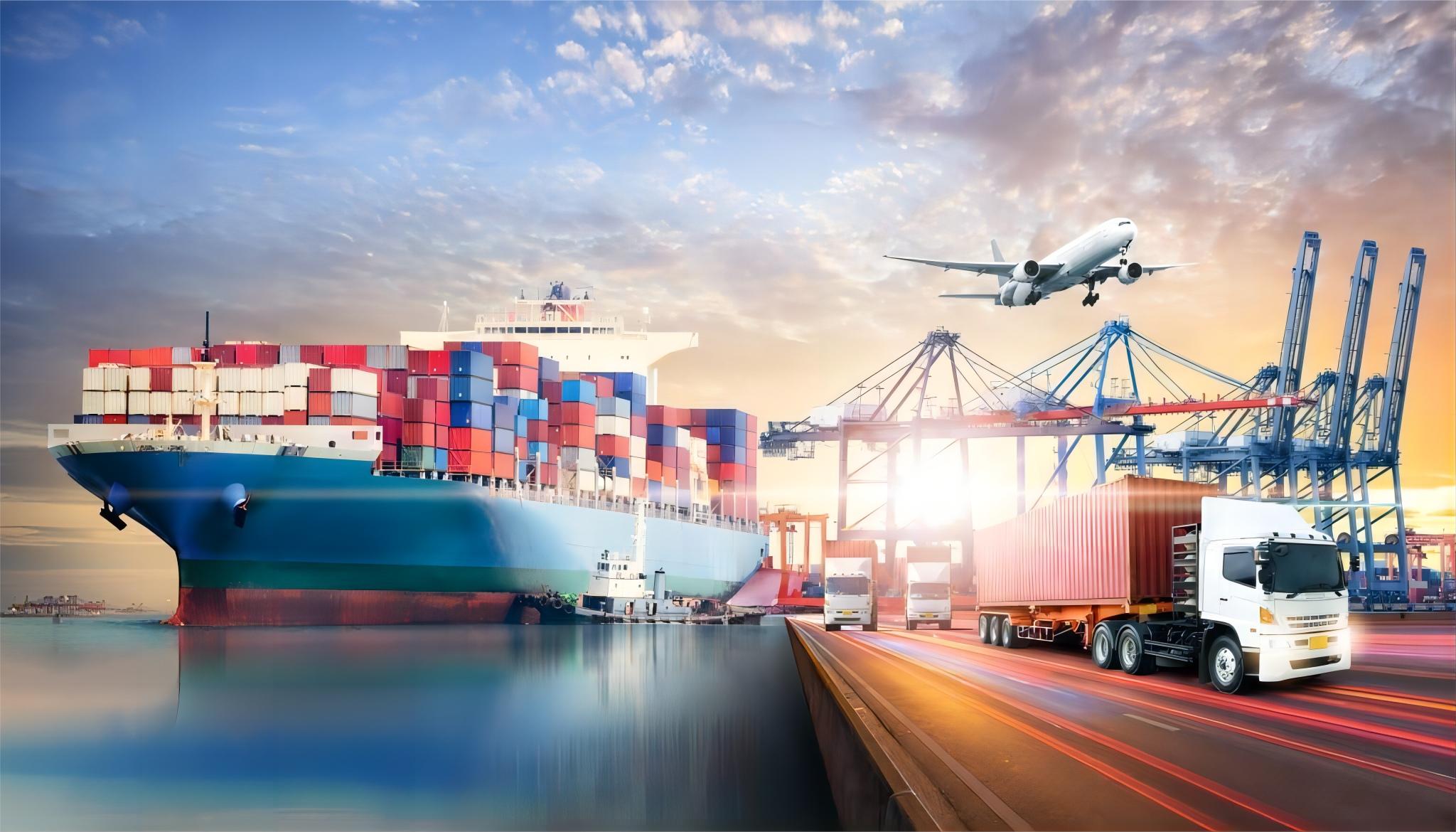
Achieving Seamless and Fast Door to Door Delivery from China to Spain
In conclusion, securing fast door to door delivery from China to Spain requires a strategic approach, encompassing the right shipping method, meticulous customs preparation, and an expert logistics partner. Whether you prioritize speed with air freight, cost-efficiency with sea freight, or the balance of rail, informed decisions are key to optimizing your supply chain. By understanding the nuances of each option and leveraging professional support, businesses can ensure their goods reach Spain swiftly and without undue complications.
Ultimately, investing in a reliable door to door service minimizes stress, reduces potential delays, and allows you to focus on your core business operations. Partner with a trusted freight forwarder to unlock unparalleled efficiency in your international trade routes.
Ready to streamline your logistics?
Ready to streamline your imports from China to Spain? Contact us today for a personalized quote and discover how our expert fast door to door delivery solutions can benefit your business. Our team is here to provide seamless, efficient, and reliable logistics services tailored to your needs.
Request Quote