

Cheap Door to Door Delivery from China to Spain: Your Ultimate Guide
Securing cheap door to door delivery from China to Spain is vital for businesses optimizing their supply chain. This guide explores cost-effective strategies, reliable methods, and essential considerations for smooth arrivals. Learn more about seamless global shipping at China Top Freight.

What is Door-to-Door Delivery and Why is it Key for China-Spain Shipping?
International shipping involves complex steps and multiple handovers. Door-to-door delivery simplifies this process, providing a single point of contact and responsibility for your shipment. It covers cargo from China to Spain.

This comprehensive service minimizes potential delays and reduces administrative burdens. It ensures a smoother, more predictable shipping experience for importers.
Understanding the Door-to-Door Concept
Door-to-door delivery encompasses every stage: pickup, international transport, and customs clearance at both ends. Final delivery to your address offers a complete solution.
This integrated service handles all documentation and cargo handling. Businesses focus on core operations, not intricate shipping details. Explore our dedicated door-to-door service.
Benefits for China to Spain Shipments
For China to Spain shipments, door-to-door delivery offers unparalleled advantages. It provides cost predictability with bundled, transparent quotes. This aids budgeting and avoids unexpected fees.
Furthermore, it reduces transit time variability and potential damage risks. Fewer handovers mean less chance of errors, ensuring cargo integrity. This integrated approach is essential for a consistent supply chain.
How to Find Cheap Door to Door Delivery from China to Spain?
Finding cheap door to door delivery from China to Spain requires strategic planning and market insight. Balancing affordability with reliability is crucial. Several factors influence shipping expenses.
Optimizing each journey stage leads to substantial savings without compromising service. This section outlines critical pricing elements and effective strategies to manage your freight budget efficiently.
Key Factors Influencing Shipping Costs
Firstly, the chosen shipping method profoundly impacts final cost. Each method offers different speed-to-cost ratios. Cargo volume and weight are critical determinants.
Secondly, fuel surcharges, port congestion, and peak season rates fluctuate. Customs duties, taxes, and destination charges add to total landed cost. Comprehensive quotes are essential for clarity.
Additionally, specific origin and destination influence local pickup and delivery charges. Remote locations often incur higher fees. Understanding these variables helps in obtaining accurate estimates.
Strategies to Reduce Your Freight Expenses
To achieve cheap door to door delivery from China to Spain, consider consolidating smaller shipments. LCL sea freight is more economical for smaller volumes than air freight. FCL offers better per-unit costs.
Planning ahead and avoiding peak seasons secures better rates and availability. Flexibility with transit times also opens up more affordable shipping options. This enhances cost-effectiveness.
Working with experienced freight forwarders provides access to better carrier rates and optimized routes. They negotiate favorable terms due to their network. This expertise is invaluable for cost-conscious importers.
How Does Door-to-Door Compare to Other China-Spain Shipping Options?
Choosing the right shipping method is paramount for efficient, cost-effective delivery from China to Spain. Each option presents a unique balance of speed, cost, and capacity. Understanding these differences is vital.
Consider your cargo type, urgency, and budget when evaluating alternatives. This comparison helps select the most suitable solution. The best method aligns with your business priorities.
Note: Freight rates are subject to change based on fuel costs, carrier capacity, and seasonal demand. Contact us for a current quote tailored to your specific shipment.
Method Comparison Table
This table provides a quick overview of main shipping methods from China to Spain. It highlights typical cost ranges, transit times, and ideal applications. Use it as a guide for initial selection.
However, specific quotes vary based on market conditions and cargo details. Always consult a freight forwarder for precise pricing. This data reflects typical rates as of early 2025.
| Shipping Method | Cost Range | Transit Time | Best For |
|---|---|---|---|
| Sea Freight (FCL) | $1,800-4,200/container | 28-35 days | Large volumes, heavy goods, non-urgent, lowest cost |
| Sea Freight (LCL) | $50-90/CBM | 30-40 days | Smaller volumes, less urgent, budget-focused, flexible |
| Rail Freight | $0.50-1.00/kg | 18-25 days | Medium urgency, moderate volume, balanced cost and speed |
| Air Freight | $4.00-8.00/kg | 5-10 days | Urgent, high-value, perishable goods, fastest option |
| Express Service | $8.00-15.00/kg | 2-5 days | Very urgent, small packages, samples, documents, premium speed |
Sea Freight: The Economical Choice
Sea freight remains the most cost-effective option for shipping goods from China to Spain, especially large volumes. It offers significant savings compared to air or rail, with longer transit times. This method is ideal for bulk commodities.
Choose between Full Container Load (FCL) for exclusive container use or Less than Container Load (LCL) for sharing space. LCL is perfect for smaller shipments. Consider sea freight for maximizing budget efficiency.
Rail Freight: A Balanced Option
The China-Europe railway offers a compelling middle ground for shipments to Spain. It combines faster transit times than sea freight with lower costs than air. This makes it an attractive option.
Typically, rail freight from major Chinese hubs to Spain takes approximately 18-25 days. This speed benefits products with moderate shelf life or needing quicker market entry. Explore rail freight as a smart alternative.
Air Freight: For Speed and Urgency
When speed is the absolute priority, air freight is the undeniable choice for door to door delivery from China to Spain. Though more expensive, it delivers goods within 5-10 days. It minimizes inventory holding costs and responds to urgent market demands. Visit our air freight services.
This method suits high-value goods, perishables, or time-sensitive components. Rapid transit time justifies higher cost for product launches or critical stock. Its speed is unparalleled in logistics.
Express Services: When Every Hour Counts
For extremely urgent, smaller shipments, express services (like DHL, FedEx) offer the fastest door-to-door delivery from China to Spain. These deliver within 2-5 days, often including customs clearance. This is ideal for samples or critical documents.
While per-kilogram cost is highest, integrated service and speed are invaluable. They handle all aspects with advanced tracking. Discover more about our express service options.
Navigating Customs and Documentation for China to Spain Deliveries
Successful cheap door to door delivery from China to Spain relies heavily on meticulous customs compliance. Accurate documentation is equally important. Errors can lead to significant delays, fines, or seizure of goods. Understanding requirements is essential.
Both Chinese export and Spanish import regulations must be strictly adhered to. Working with a knowledgeable customs broker simplifies this complex process. They ensure all paperwork is correctly prepared and submitted on time.
Essential Documents for Import
A commercial invoice detailing goods, value, and terms of sale is fundamental. The packing list, outlining contents, is also required. These documents form the backbone of your customs declaration.
A bill of lading (sea freight) or an air waybill (air freight) serves as carriage contract and proof of ownership. Certificates of origin may be necessary for preferential tariffs. Customs brokerage services can manage this.
Additionally, licenses or permits might be needed for restricted goods. Always verify product-specific requirements well in advance. Proper documentation prevents costly hold-ups at the border.

Understanding Spanish Customs Regulations
Spain, as an EU member state, adheres to harmonized EU customs regulations. This includes the Common Customs Tariff (CCT) and various VAT regulations. Importers must have an EORI number for declarations.
Spanish customs enforce specific product safety and quality standards, including CE marking. Non-compliance can result in rejected goods or costly modifications. Staying informed is crucial for smooth entry.
Partnering with a freight forwarder expert in Chinese export and EU import procedures is highly recommended. They guide you through intricacies and ensure smooth customs clearance. This minimizes potential disruptions.
Real-World Examples: Cheap Door to Door Delivery from China to Spain
Examining real-world case studies offers valuable insights into the practicalities and costs associated with cheap door to door delivery from China to Spain. These examples illustrate varying outcomes from different shipping methods and strategies.
Note: Freight rates are subject to change based on fuel costs, carrier capacity, and seasonal demand. Contact us for a current quote tailored to your specific shipment.
Case Study 1: Small E-commerce Batch via LCL Sea Freight
| Detail | Description |
|---|---|
| Route | Ningbo, China -> Valencia, Spain |
| Cargo | Fashion accessories, 2.5 CBM, 350 kg |
| Container | LCL 2.5 CBM |
| Shipping Details | Carrier: Major carrier, Port of Loading: Ningbo, Port of Discharge: Valencia, Route Type: Transshipment via Singapore |
| Cost Breakdown | Ocean Freight: $150, Origin Charges: $120, Destination Charges: $100, Customs & Duties (estimated): $80, Total Landed Cost: $450 |
| Timeline | Booking to Loading: 5 days, Sea Transit: 32 days, Customs Clearance: 3 days, Total Door-to-Door: 40 days |
| Key Insight | Cost-effective for small, non-urgent e-commerce inventory. Transshipment added a few days but reduced costs. Based on Q3 2024 market rates. |
Case Study 2: Urgent Electronic Components via Air Freight
| Detail | Description |
|---|---|
| Route | Shanghai, China -> Madrid, Spain |
| Cargo | Electronic circuit boards, 0.8 CBM, 120 kg |
| Container | Air Cargo |
| Shipping Details | Carrier: Lufthansa Cargo, Port of Loading: Shanghai Pudong, Port of Discharge: Madrid-Barajas, Route Type: Direct flight |
| Cost Breakdown | Air Freight: $720, Origin Charges: $80, Destination Charges: $70, Customs & Duties (estimated): $60, Total Landed Cost: $930 |
| Timeline | Booking to Loading: 2 days, Air Transit: 1 day, Customs Clearance: 2 days, Total Door-to-Door: 5 days |
| Key Insight | High cost justified by extreme urgency for production line. Direct flight minimized transit time. Typical rates as of early 2025. |
Case Study 3: Large Volume Consumer Goods via FCL Rail Freight
| Detail | Description |
|---|---|
| Route | Xi’an, China -> Barcelona, Spain |
| Cargo | Consumer electronics, 28 CBM, 15,000 kg |
| Container | 1 x 40HQ |
| Shipping Details | Carrier: China Railway Express, Port of Loading: Xi’an, Port of Discharge: Barcelona, Route Type: Direct rail service via Central Asia |
| Cost Breakdown | Rail Freight: $4,800, Origin Charges: $350, Destination Charges: $280, Customs & Duties (estimated): $450, Total Landed Cost: $5,880 |
| Timeline | Booking to Loading: 7 days, Rail Transit: 20 days, Customs Clearance: 4 days, Total Door-to-Door: 31 days |
| Key Insight | Excellent balance of cost and speed for large volumes. Avoided sea freight’s longer transit and air freight’s high cost. Based on Q1 2025 market rates, factoring in stable rail routes. |
Which Door-to-Door Option Should You Choose? A Decision Framework
Selecting the optimal cheap door to door delivery from China to Spain depends on your business priorities. No single ‘best’ method exists. The ideal choice aligns with your budget, urgency, and cargo characteristics. This framework guides your decision.
Careful assessment prevents costly mistakes and ensures efficient supply chain operation. Consider these key questions before finalizing your shipping strategy. Tailoring your approach is crucial for success.
Prioritizing Your Budget
If budget is primary, sea freight (LCL or FCL) is most economical. It offers the lowest per-unit cost, ideal for high-volume, low-value goods. Be prepared for longer transit times.
Rail freight presents a cost-effective solution faster than sea. It provides a good compromise for moderate budgets and improved speed. Always compare total landed costs.
Consolidating smaller orders into one larger shipment reduces per-unit shipping costs. This strategy benefits regular importers. Planning ahead unlocks greater savings and efficiency.
When Speed is Critical
For time-sensitive shipments, air freight is indispensable, despite higher cost. It ensures rapid delivery, essential for urgent product launches or critical components. Speed minimizes production downtime.
Express services are even faster for very small, urgent parcels. They provide direct, expedited delivery with comprehensive tracking. This premium option is perfect when every hour counts.
If missing a deadline has significant financial implications, investing in faster shipping is justified. Evaluate the trade-off between speed and cost carefully. Speed often pays off for business continuity.
Cargo Type and Volume Considerations
Cargo nature and volume heavily influence the best shipping method. Large, bulky, or heavy goods suit sea freight due to capacity and cost-effectiveness. FCL offers best rates for full container loads.
Conversely, small, light, or high-value items suit air freight or express services. These methods offer better security and faster handling. Fragile items also benefit from quicker, less handled transit.
Hazardous or temperature-sensitive goods require specialized handling and specific regulations. Always declare such cargo accurately for compliance and safe transport. Proper cargo handling is paramount to avoid penalties.
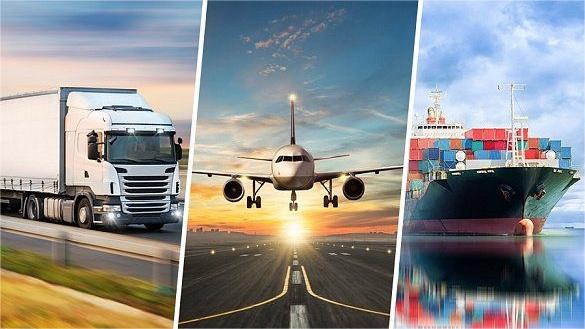
Market Insights and Future Trends in China-Spain Logistics
The landscape of cheap door to door delivery from China to Spain constantly evolves. It is influenced by global economic shifts and geopolitical events. Staying informed about market conditions and trends is vital for strategic planning.
Understanding these dynamics allows importers to anticipate challenges and leverage new opportunities. Freight rate fluctuations, technological advancements, and sustainability initiatives all shape future logistics. Market intelligence is key for competitive advantage.
Current Freight Rate Dynamics
As of Q2 2025, freight rates from China to Europe, including Spain, have generally stabilized. However, localized disruptions or seasonal surges can still cause temporary spikes. Industry benchmarks indicate a more predictable environment.
Peak seasons, particularly before Chinese New Year or during the Q4 retail rush, typically see rates increase by 15-25%. Planning shipments outside these windows leads to more competitive pricing. Seasonal patterns remain a significant factor.
Fuel costs and carrier capacity continue to influence overall freight rates. Global economic growth forecasts also play a role in demand for shipping services. Monitoring these trends is crucial for budgeting and securing cheap door to door delivery effectively.
Impact of Global Events on Supply Chains
Recent global events, such as geopolitical tensions and environmental regulations, profoundly impact international supply chains. These factors lead to rerouting, longer transit times, and increased operational costs. Businesses must remain agile.
Disruptions in key shipping lanes might necessitate alternative routes. This potentially affects transit times and fuel surcharges. Resilience and diversification of shipping strategies are increasingly important. Adapting to change is vital for continuity.
Sustainability initiatives drive changes in logistics, with growing emphasis on greener methods like rail freight. This trend could influence future cost structures and preferred transport options. Logistics trends are shifting rapidly towards sustainable practices.
Achieving Efficient and Cheap Door to Door Delivery from China to Spain
Ultimately, successful and cheap door to door delivery from China to Spain hinges on informed decisions and strategic partnerships. By understanding shipping methods, costs, and customs requirements, businesses optimize logistics. Prioritizing planning and flexibility is key.
Whether prioritizing speed, cost, or a balance, a reliable freight forwarder like China Top Freight guides you through complexities. They provide expertise for efficient international trade. This ensures a seamless and cost-effective supply chain for your goods.
Start Your Shipment
Ready to streamline your imports and secure cheap door to door delivery from China to Spain? Contact our experts today for a personalized quote and tailored logistics solutions. We are here to help you optimize your supply chain and achieve your shipping goals with efficiency.
Request Quote