

Best Door to Door Delivery from China to Germany: Your Complete Guide
Businesses often face complex logistics when importing from China to Germany. Navigating various shipping options, customs procedures, and final mile delivery can be challenging. Fortunately, selecting the best door to door delivery from China to Germany simplifies this entire process significantly. This comprehensive guide will help you understand the most efficient and reliable solutions for your cargo.
Why Choose Door to Door Delivery from China to Germany?
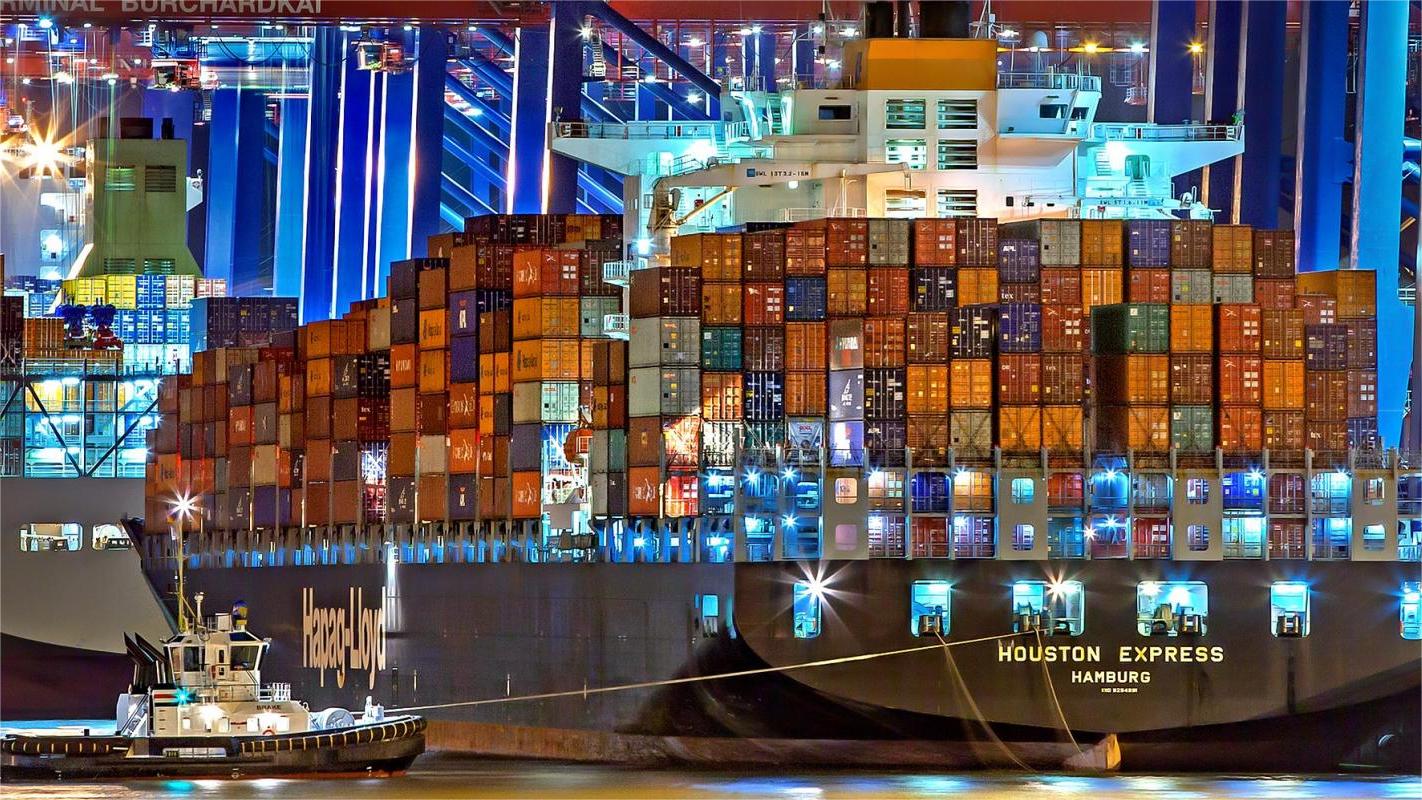
Opting for door to door delivery streamlines your entire supply chain. This service means your freight forwarder handles every step, from pickup at your supplier’s factory in China to final delivery at your warehouse or customer’s address in Germany. Consequently, this approach significantly reduces the administrative burden on your team.
Furthermore, this integrated service minimizes potential delays and complications. A single point of contact simplifies communication and accountability, making the entire shipping process more transparent. Without a doubt, it offers peace of mind, allowing you to focus on core business operations rather than complex logistics.
Understanding Key Shipping Methods for China to Germany
When planning the best door to door delivery from China to Germany, selecting the right transportation method is crucial. Several options exist, each with distinct advantages concerning speed, cost, and cargo suitability. Therefore, understanding these differences is the first step towards optimizing your logistics.

Indeed, the primary methods include sea freight, air freight, and rail freight. Each method caters to different business needs and cargo types. Moreover, hybrid solutions and express services offer even more flexibility for specific requirements.
| Shipping Method | Typical Transit Time | Cost Efficiency | Best For |
|---|---|---|---|
| Sea Freight | 30-40 days | Very High | Large volumes, heavy goods, non-urgent |
| Rail Freight | 18-25 days | High | Medium-to-large volumes, faster than sea |
| Air Freight | 3-7 days | Low | Urgent, high-value, small/light cargo |
| Express Service | 2-5 days | Very Low | Very urgent, small packages, samples |
How Does Door to Door Shipping Work? A Step-by-Step Guide
The door to door shipping process is designed for maximum convenience and efficiency. Initially, it begins with cargo pickup from the supplier in China. Subsequently, the goods are transported to the port or airport of origin.
Following this, necessary export customs clearance is managed by the freight forwarder. The cargo then moves through the chosen main transportation method, such as sea freight or air freight. Upon arrival in Germany, import customs procedures are handled, followed by local delivery to the final destination. This comprehensive service ensures smooth transit and delivery.
Factors Influencing Door to Door Delivery Costs and Transit Times
Several critical factors impact the overall cost and transit time for door to door delivery from China to Germany. These include the volume and weight of your cargo, the chosen shipping method, and current market conditions. Consequently, careful planning is essential for budget and schedule management.
Moreover, seasonal demand, fuel surcharges, and port congestion can cause fluctuations in freight rates to Europe. As of Q1 2025, freight rates from China to Europe have stabilized after the 2024 Red Sea disruptions, although some surcharges persist. Typical rates increase 15-25% during August-October peak season, affecting your China to Germany shipping costs.
Note: Freight rates are subject to change based on fuel costs, carrier capacity, and seasonal demand. Contact us for a current quote tailored to your specific shipment.
Navigating Customs and Documentation for Germany Imports
Successful import to Germany requires meticulous attention to customs regulations and documentation. Proper preparation prevents costly delays and penalties. Therefore, partnering with a knowledgeable freight forwarder is invaluable for navigating these complexities.
Indeed, key documents include the commercial invoice, packing list, bill of lading or air waybill, and origin certificates. Furthermore, specific product types may require additional licenses or certifications for entry into the EU market. Engaging professional customs brokerage ensures compliance and efficiency.
| Document | Purpose | Notes |
|---|---|---|
| Commercial Invoice | Details of goods, value, seller/buyer | Used for customs valuation and duties |
| Packing List | Itemized list of contents, weight, dimensions | Helps customs verify cargo and quantity |
| Bill of Lading/Air Waybill | Contract of carriage, title to goods | Proof of shipment and ownership |
| Certificate of Origin | Confirms country of manufacture | May be required for preferential tariffs |
| Import License/Permit | Authorization for restricted goods | Required for certain products (e.g., electronics, chemicals) |
Real-World Scenarios: Successful Door to Door Shipments
Understanding how door to door delivery works in practice can highlight its benefits. Here are a few examples based on typical shipments from China to Germany, illustrating varying cargo types and shipping needs.
Case Study 1: E-commerce Goods (LCL Sea Freight)
| Detail | Value |
|---|---|
| Route | Shenzhen, China -> Hamburg, Germany |
| Cargo | Electronics accessories, 5 CBM, 1500 kg |
| Container | LCL 5 CBM |
| Shipping Details | Carrier: COSCO, Port of Loading: Shenzhen, Port of Discharge: Hamburg, Route Type: Direct |
| Cost Breakdown (Est. Q3 2024) | Ocean Freight: $450, Origin Charges: $150, Destination Charges: $200, Customs & Duties (estimated): $250, Total Landed Cost: $1050 |
| Timeline | Booking to Loading: 5 days, Sea Transit: 30 days, Customs Clearance: 3 days, Total Door-to-Door: 38 days |
| Key Insight | Cost-effective for smaller volumes, ideal for businesses seeking affordable shipping from China to Germany, despite longer transit times. |
Case Study 2: Industrial Machinery Parts (FCL Sea Freight)
| Detail | Value |
|---|---|
| Route | Shanghai, China -> Munich (via Hamburg), Germany |
| Cargo | Industrial machinery components, 25 CBM, 10,000 kg |
| Container | 20GP |
| Shipping Details | Carrier: Maersk, Port of Loading: Shanghai, Port of Discharge: Hamburg, Route Type: Transshipment via Singapore |
| Cost Breakdown (Est. Q1 2025) | Ocean Freight: $2200, Origin Charges: $200, Destination Charges: $300, Customs & Duties (estimated): $400, Total Landed Cost: $3100 |
| Timeline | Booking to Loading: 7 days, Sea Transit: 35 days, Customs Clearance: 4 days, Total Door-to-Door: 48 days |
| Key Insight | FCL provides dedicated space and faster handling at ports compared to LCL. Suitable for bulkier goods requiring secure transport. |
Case Study 3: Urgent Fashion Prototypes (Express Air Freight)
| Detail | Value |
|---|---|
| Route | Guangzhou, China -> Frankfurt, Germany |
| Cargo | Fashion prototypes, 0.5 CBM, 150 kg |
| Container | Air Cargo |
| Shipping Details | Carrier: Major Express, Airport of Origin: Guangzhou (CAN), Airport of Destination: Frankfurt (FRA), Route Type: Direct |
| Cost Breakdown (Est. Q4 2024) | Air Freight: $1500, Origin Charges: $100, Destination Charges: $150, Customs & Duties (estimated): $100, Total Landed Cost: $1850 |
| Timeline | Booking to Loading: 2 days, Air Transit: 3 days, Customs Clearance: 1 day, Total Door-to-Door: 6 days |
| Key Insight | Ideal for time-sensitive, high-value, or small volume shipments despite higher cost. Critical for urgent product launches or samples. |
How Does Each Method Compare for China to Germany Door to Door?
Choosing the optimal shipping method involves weighing various factors beyond just the headline cost. Each option presents a unique balance of speed, reliability, and suitability for different cargo types. Consequently, a detailed comparison helps businesses make informed decisions for their specific needs.
For instance, while rail freight offers a good middle ground, it might not be available for all origins or destinations within China or Germany. Meanwhile, express service is unparalleled for speed but comes at a premium. Therefore, understanding these trade-offs is vital.
| Shipping Method | Cost Range | Transit Time | Best For | Limitations |
|---|---|---|---|---|
| Sea Freight (FCL) | $2,800-4,200 (40HQ) | 30-40 days | Large volumes, heavy goods, non-urgent shipments | Slow transit, port congestion, longer lead times |
| Sea Freight (LCL) | $50-80/CBM | 35-45 days | Smaller shipments (under 15 CBM), budget-conscious | Slower, more handling, potential for delays due to consolidation |
| Rail Freight | $0.20-0.40/kg (approx) | 18-25 days | Medium-to-large volumes, faster than sea, cheaper than air | Limited routes, weather susceptibility, capacity issues on peak seasons |
| Air Freight | $4.00-8.00/kg (approx) | 3-7 days | Urgent, high-value, small/light cargo, samples | Very expensive, strict volume/weight restrictions, environmental impact |
| Express Service | $6.00-12.00/kg (approx) | 2-5 days | Very urgent, small packages, documents, prototypes | Most expensive option, strict size/weight limits, minimal buffer time |
Which Option Should You Choose? A Decision Framework
Deciding on the best door to door delivery from China to Germany ultimately depends on your specific priorities. Consider these key factors to guide your choice. This framework helps align your logistics strategy with your business objectives.
If budget is your primary concern, and you have large, non-urgent shipments, sea freight (especially LCL for smaller volumes) is likely the most economical choice. Conversely, for time-sensitive goods where speed is paramount, air freight or express services are indispensable, despite their higher costs.
For cargo types like electronics or automotive parts that benefit from a balance of speed and cost, rail freight offers a compelling alternative. Volume thresholds also play a role; FCL sea freight becomes more cost-effective for shipments exceeding 15-20 CBM, whereas LCL or express are better for smaller consignments. Hybrid solutions, combining sea-rail or air-rail, can also offer optimized trade-offs. Always consider the total landed cost, not just freight rates, for an accurate comparison.
Optimizing Your Supply Chain for China-Germany Routes
To truly achieve the best door to door delivery from China to Germany, continuous optimization of your supply chain is vital. This involves more than just selecting a shipping method; it encompasses strategic partnerships and technological integration. Indeed, a proactive approach to logistics can significantly enhance efficiency and reduce long-term costs.
Consider consolidating multiple smaller shipments into larger, more cost-effective consignments. Additionally, leveraging advanced tracking systems provides real-time visibility, improving delivery schedule predictability. Partnering with a freight forwarder like China Top Freight, who understands both Chinese and German logistics landscapes, is crucial for seamless operations and navigating complex import/export requirements. They can offer tailored solutions, from Amazon FBA services to general cargo handling, ensuring your goods reach their destination efficiently.
Conclusion
In summary, achieving the best door to door delivery from China to Germany involves understanding your options, managing costs, and partnering with a reliable freight forwarder. By carefully considering transit times, customs requirements, and service providers, businesses can ensure efficient and hassle-free imports. Ultimately, a well-planned door to door strategy will optimize your supply chain, reduce risks, and contribute to your overall business success.
Need a tailored shipping solution?
Ready to experience the best door to door delivery from China to Germany? Contact China Top Freight today for a personalized quote and streamline your international shipping process. Our experts are here to provide tailored solutions for your unique cargo needs.