

Air Freight Cost China to UK: Your Ultimate Guide
Understanding the precise air freight cost from China to the UK is crucial for businesses aiming to optimize their supply chain. This comprehensive guide will demystify the various elements that contribute to your total shipping expenses. We aim to provide clarity and practical advice, helping you make informed decisions for your international logistics.

What Determines Air Freight Cost from China to the UK?
Several critical factors influence the overall air freight cost from China to the UK, directly impacting your budget. Firstly, the weight and volume of your cargo are primary determinants. Air freight is typically charged based on either the actual weight or the volumetric weight, whichever is greater, a concept known as chargeable weight.
Secondly, the specific origin city in China and the destination airport in the UK play a significant role. Major international hubs generally offer more competitive rates due to higher traffic and capacity. Moreover, the urgency of your shipment, often reflected in express versus standard services, will also affect the price.
Furthermore, current market conditions, including fuel surcharges, peak season demand, and carrier capacity, can cause rates to fluctuate. Geopolitical events or global supply chain disruptions, such as those experienced in early 2024, can lead to sudden price increases. Therefore, staying informed about logistics trends is essential for accurate budgeting.
Breaking Down the Air Freight Cost Structure
To truly understand air freight costs, it is important to examine the various components that make up the final bill. The base freight rate covers the transportation from airport to airport. However, this is just one piece of the puzzle.
Origin charges include services like cargo handling, documentation fees, and terminal handling charges at the Chinese airport. Similarly, destination charges in the UK cover airport handling, customs clearance fees, and potentially local delivery if you choose a door-to-door service. These fees can add a considerable amount to the base rate.
Additionally, fuel surcharges, security surcharges, and often a war risk surcharge are applied by carriers. Customs duties and taxes, levied by UK authorities, are another significant cost. These are typically based on the declared value and type of goods being imported. Therefore, a comprehensive quote should detail all these elements for full transparency.
How Does Air Freight Compare to Other Shipping Options for the UK?
When considering the best shipping solution, it is vital to compare air freight with other viable alternatives from China to the UK. Each method offers distinct advantages and disadvantages concerning cost, speed, and suitability for different cargo types. Understanding these differences helps in making an informed decision for your import/export needs.
For instance, while air freight is unmatched in speed, its cost per kilogram is considerably higher than sea or rail freight. Businesses must weigh their priorities, whether it is rapid delivery for time-sensitive goods or cost-effectiveness for bulkier, less urgent shipments. This comparison will illustrate when each option shines.
According to industry benchmarks, as of early 2025, freight rates from China to Europe, including the UK, have stabilized after recent disruptions. However, rates remain dynamic, influenced by capacity and demand. Always request a current quote tailored to your specific shipment details.
| Shipping Method | Cost Range (per kg) | Transit Time | Best For | Limitations |
|---|---|---|---|---|
| Air Freight | $4.00 – $8.00+ | 5-10 days | Urgent, high-value, smaller shipments | High cost, weight/volume restrictions |
| Sea Freight (FCL/LCL) | $0.50 – $2.00 | 30-40 days | Large volumes, non-urgent goods, heavy items | Long transit times, port congestion |
| Rail Freight | $2.50 – $4.50 | 18-25 days | Mid-size, moderately urgent, sustainable focus | Capacity limits, specific routes |
| Express Shipping | $8.00 – $15.00+ | 2-5 days | Samples, documents, very urgent small parcels | Very high cost, strict weight/size limits |
Sea Freight: Cost-Effective for Large Volumes
For larger shipments or those not bound by strict deadlines, sea freight remains the most economical option. It is ideal for bulk goods, heavy machinery, or when shipping full container loads (FCL) or less than container loads (LCL). However, transit times are significantly longer, typically ranging from 30 to 40 days to the UK.
While the base cost is lower, importers must also account for port charges, customs brokerage, and potential delays at sea. Despite the longer transit time, for many businesses, the substantial cost savings make sea freight an attractive choice for their supply chain.
Rail Freight: A Balanced Alternative
Rail freight offers a compelling middle ground between the speed of air freight and the cost-effectiveness of sea freight. Routes from China to Europe, including the UK via transshipment, typically take 18-25 days. Rail freight is particularly suitable for goods that are too urgent for sea but too heavy or bulky for air.
This method boasts greater environmental sustainability and can offer more predictable transit schedules compared to ocean shipping. However, its capacity can be more limited, and it might not reach all destinations directly, requiring additional road or sea legs.
Moreover, infrastructure and terminal handling charges can add to the overall cost, making it essential to compare quotes carefully. It represents a growing segment of the China-UK shipping market.
Express Shipping: Speed at a Premium
For extremely urgent, smaller parcels, express service via couriers like DHL, FedEx, or UPS is the fastest option, often delivering within 2-5 days. This service is essentially a premium air freight offering with integrated door-to-door delivery and simplified customs processes. While incredibly fast, it comes at a significantly higher price point per kilogram.
Businesses often utilize express shipping for samples, prototypes, or emergency stock replenishment. The convenience and speed justify the increased expense for critical items. However, it becomes prohibitively expensive for larger or heavier commercial shipments.
Hybrid Solutions: Combining Modes for Efficiency
Sometimes, the optimal solution involves a combination of shipping methods, known as hybrid solutions. For instance, ‘sea-air’ combines the cost-efficiency of sea freight for the initial leg with the speed of air freight for the final segment. This can reduce overall transit time compared to pure sea freight, while being more economical than pure air freight.
Similarly, using rail for the main journey and then local distribution by truck or domestic air freight can provide a balanced approach. These strategies require careful planning and coordination but can offer significant advantages in specific supply chain scenarios.
Optimizing Your Air Freight Strategy: Tips for Cost Savings
Managing air freight cost from China to the UK effectively requires proactive strategies. Firstly, accurate packaging and dimensioning are paramount. Reducing package size and weight through efficient packing can significantly lower your chargeable weight, directly impacting your freight rates.
Secondly, consider consolidating multiple smaller shipments into one larger consignment. This approach can often secure better per-kilogram rates than sending several individual parcels. Many freight forwarders offer Amazon FBA or general consolidation services that can be highly beneficial.
Furthermore, planning ahead and booking in advance can help avoid peak season surcharges and secure better rates. Flexibility with departure dates can also open up more economical options. Exploring different carriers or service levels offered by your freight forwarder can reveal cost-saving opportunities.
Finally, ensure all documentation is accurate and complete to prevent customs delays and associated storage charges. An experienced customs brokerage partner can streamline this process, saving both time and money.
Real-World Scenarios: Air Freight Cost China to UK
To provide a clearer picture, let’s examine some realistic examples of air freight shipments from China to the UK. These case studies illustrate how various factors influence the final cost and transit time for different types of cargo. Based on Q1 2025 market rates, these figures offer practical insights.
These scenarios highlight the importance of choosing the right service level and partner for your specific needs. Understanding the detailed cost breakdown is crucial for budgeting and profitability. Note: Freight rates are subject to change based on fuel costs, carrier capacity, and seasonal demand. Contact us for a current quote tailored to your specific shipment.
Case Study 1: Urgent Electronics Shipment
This case involves a time-sensitive delivery of consumer electronics, prioritizing speed to meet a product launch deadline in the UK. The goal was to minimize transit time despite higher costs.
Key Insight: Opting for a premium air cargo service ensured rapid delivery, crucial for a time-sensitive product launch, justifying the higher air freight cost from China to UK in this scenario.
| Detail | Value |
|---|---|
| Route | Shenzhen, China -> London Heathrow, UK |
| Cargo | Smartwatches, 0.8 CBM, 250 kg |
| Shipping Method | Air Freight (Standard Priority) |
| Carrier/Service | Major commercial airline cargo |
| Port of Loading | Shenzhen (SZX) |
| Port of Discharge | London Heathrow (LHR) |
| Cost Breakdown | |
| – Air Freight (base) | $1,500 |
| – Fuel/Security Surcharges | $450 |
| – Origin Charges | $180 |
| – Destination Charges | $220 |
| – Customs & Duties (estimated) | $500 |
| – Total Landed Cost (approx) | $2,850 |
| Timeline | |
| – Booking to Loading | 2 days |
| – Air Transit | 3 days |
| – Customs Clearance | 1 day |
| – Total Door-to-Door | 7 days (including local delivery) |
Case Study 2: Fashion Apparel for Seasonal Launch
A mid-sized fashion brand needed to replenish stock for an upcoming season. While speed was important, balancing it with cost-efficiency was key. A standard air freight service was chosen.
Key Insight: A slightly longer air transit time allowed for more economical rates, providing a good balance between speed and managing the overall air freight cost from China to UK for a seasonal inventory.
| Detail | Value |
|---|---|
| Route | Shanghai, China -> Manchester, UK |
| Cargo | Apparel (boxes), 2.5 CBM, 700 kg |
| Shipping Method | Air Freight (General Cargo) |
| Carrier/Service | Major commercial airline cargo |
| Port of Loading | Shanghai Pudong (PVG) |
| Port of Discharge | Manchester (MAN) |
| Cost Breakdown | |
| – Air Freight (base) | $3,800 |
| – Fuel/Security Surcharges | $1,200 |
| – Origin Charges | $300 |
| – Destination Charges | $450 |
| – Customs & Duties (estimated) | $1,100 |
| – Total Landed Cost (approx) | $6,850 |
| Timeline | |
| – Booking to Loading | 3 days |
| – Air Transit | 5 days |
| – Customs Clearance | 2 days |
| – Total Door-to-Door | 10 days (including local delivery) |
Case Study 3: High-Value Medical Devices
This scenario involved shipping delicate, high-value medical equipment requiring careful handling and secure, expedited transit. Insurance and reliability were top priorities alongside speed.
Key Insight: For high-value and sensitive goods, investing in premium air freight services with robust insurance and careful handling protocols is non-negotiable, even with a higher air freight cost from China to UK.
| Detail | Value |
|---|---|
| Route | Beijing, China -> Birmingham, UK |
| Cargo | Medical diagnostic equipment, 1.5 CBM, 400 kg |
| Shipping Method | Air Freight (Special Cargo, Insured) |
| Carrier/Service | Specialized air cargo carrier |
| Port of Loading | Beijing Capital (PEK) |
| Port of Discharge | Birmingham (BHX) |
| Cost Breakdown | |
| – Air Freight (base) | $2,800 |
| – Fuel/Security Surcharges | $700 |
| – Special Handling/Insurance | $350 |
| – Origin Charges | $250 |
| – Destination Charges | $300 |
| – Customs & Duties (estimated) | $900 |
| – Total Landed Cost (approx) | $5,300 |
| Timeline | |
| – Booking to Loading | 2 days |
| – Air Transit | 4 days |
| – Customs Clearance | 1 day |
| – Total Door-to-Door | 8 days (including local delivery) |
Navigating Customs and Import Duties in the UK
Importing goods into the UK from China requires a thorough understanding of customs procedures and duties. All shipments are subject to UK customs clearance, which involves declaring goods accurately and paying applicable taxes and duties. An incorrect declaration can lead to delays and penalties.
Businesses must ensure they have all necessary documentation, including commercial invoices, packing lists, and certificates of origin. The commodity code (HS code) for your goods dictates the specific duty rates and any import restrictions. It is advisable to classify your products correctly beforehand.
Working with an experienced freight forwarder who offers customs brokerage services can significantly streamline this process. They can handle declarations, advise on duty deferment schemes, and ensure compliance with all UK import regulations. This expertise is invaluable for avoiding costly errors and delays.
Why Choose a Reliable Freight Forwarder Like China Top Freight?
Selecting the right freight forwarder is paramount to a successful and cost-effective shipping experience. A professional partner provides expertise in international logistics, navigating complex customs regulations and optimizing routes. They can offer competitive rates and ensure smooth cargo handling from origin to destination.
China Top Freight specializes in comprehensive shipping solutions from China to destinations worldwide, including Europe. Our services cover everything from initial booking to final door-to-door delivery, ensuring peace of mind. We leverage our network and experience to secure the best possible air freight cost from China to the UK for our clients.
We prioritize transparency in pricing and communication, keeping you informed at every stage of your shipment. With our dedicated team, you can expect efficient service, reduced transit times, and expert guidance tailored to your specific import needs. We aim to simplify your supply chain.
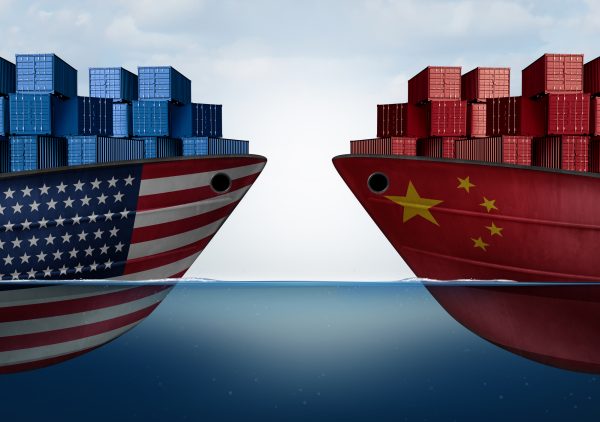
Making the Right Choice: Which Shipping Method is Best for You?
Deciding on the optimal shipping method for your goods from China to the UK depends on several key considerations. This decision framework helps prioritize your business needs against available logistics solutions. Each factor plays a crucial role in determining the most suitable and cost-effective approach.
Consider your budget, the urgency of your shipment, and the nature of your cargo. By carefully evaluating these elements, you can select a shipping strategy that aligns with your operational and financial goals. This structured approach prevents costly mistakes and enhances overall supply chain efficiency.
Remember, market conditions are dynamic, so regularly reviewing your shipping strategy with a logistics expert is beneficial. A flexible approach can help you adapt to changing freight rates and capacity issues, ensuring continuous optimization.
Budget Priority
If cost-saving is your primary concern, and you have ample lead time, sea freight is generally the most economical choice. For example, LCL options can be very affordable for smaller volumes. However, if your budget allows for a faster delivery, rail freight offers a good balance without the premium price of air cargo.
Speed Priority
When time is of the essence, air freight is unrivaled. For urgent deliveries, perishable goods, or products with a short market window, air cargo ensures the quickest transit. Express shipping services provide even faster door-to-door delivery for critical, smaller consignments, albeit at the highest cost.
Cargo Type Considerations
The type of goods you are shipping significantly influences the best method. Heavy, bulky, or non-perishable items are usually best suited for sea freight. High-value, fragile, or temperature-sensitive goods often benefit from the faster, more controlled environment of air freight. Dangerous goods also have specific regulations that might favor certain transport modes.
Volume Thresholds for Switching Methods
For shipments under 15 CBM or 500 kg, air freight can sometimes be competitive, especially when considering the inventory holding costs saved by faster delivery. As volume increases, sea freight quickly becomes more cost-effective. For very small, urgent packages under 50 kg, express couriers are often the default choice. A freight forwarder can help you find the optimal threshold.
Final Thoughts on Air Freight Cost China to UK
Navigating the complexities of <a href=”https://chinatopfreight.com/services/air-freight/”>air freight cost from China to the UK</a> requires a strategic approach and a clear understanding of all contributing factors. From chargeable weight and origin/destination fees to market trends and customs duties, every element plays a role in your final landed cost.
By carefully considering your cargo’s characteristics, urgency, and budget, you can select the most appropriate shipping method, whether it’s pure air freight, sea freight, rail freight, or a hybrid solution. Partnering with a reliable and experienced freight forwarder is crucial for optimizing efficiency and achieving significant cost savings.
Ultimately, an informed decision ensures your goods arrive in the UK safely, on time, and within budget, strengthening your supply chain. We are committed to providing transparent, efficient, and tailored logistics solutions for your business.
Need a tailored shipping solution?
Ready to get a precise air freight cost from China to the UK for your specific shipment? Contact China Top Freight today for a personalized, no-obligation quote. Our experts are here to streamline your logistics and ensure a smooth import process.