

Reliable Door to Door Delivery from China to Italy: Your Ultimate Guide
Navigating international shipping can be complex, especially when importing goods from China to Italy. Businesses frequently face challenges like customs procedures, varied transit times, and unpredictable costs. However, securing reliable door to door delivery from China to Italy is crucial for maintaining a smooth supply chain and ensuring customer satisfaction. This comprehensive guide will explore the best strategies, methods, and considerations to simplify your logistics.

What is Door to Door Delivery and Why is it Essential?
Door to door delivery represents a complete logistics solution, managing your shipment from the supplier’s factory in China directly to your final destination in Italy. This comprehensive service covers all stages, including pickup, transportation, customs clearance, and final delivery.
Crucially, this approach simplifies the entire import process for businesses. It removes the need to coordinate multiple carriers or handle complex border procedures independently. Consequently, it minimizes potential delays and reduces the administrative burden significantly.
Moreover, for businesses seeking door to door delivery from China to Italy, this service offers peace of mind. It ensures a single point of contact and responsibility throughout the journey, which is invaluable for supply chain efficiency. Therefore, it is a preferred choice for many importers.
Key Factors for Ensuring Reliable Door to Door Delivery
Achieving truly reliable door to door delivery from China to Italy requires careful consideration of several critical factors. These elements collectively contribute to a seamless and predictable shipping experience. Consequently, understanding them is vital for any importer.
Firstly, selecting an experienced freight forwarder with a strong network in both China and Italy is paramount. Such a partner can navigate local regulations and optimize routes effectively. Furthermore, their expertise in international logistics trends ensures smoother operations.
Secondly, meticulous documentation and proactive customs management are indispensable. Incorrect paperwork can lead to significant delays and unexpected costs. Therefore, a reliable forwarder will ensure all necessary documents are prepared accurately and submitted on time.
Finally, comprehensive cargo insurance protects against unforeseen circumstances, such as damage or loss during transit. While not directly part of the physical delivery, it provides financial security. Indeed, it is a crucial layer of protection for valuable goods.
How Does Each Shipping Method Compare for China to Italy?
When planning your imports, choosing the right shipping method for reliable door to door delivery from China to Italy is essential. Each option offers distinct advantages in terms of speed, cost, and capacity. Therefore, your decision should align with your specific business needs and cargo characteristics.
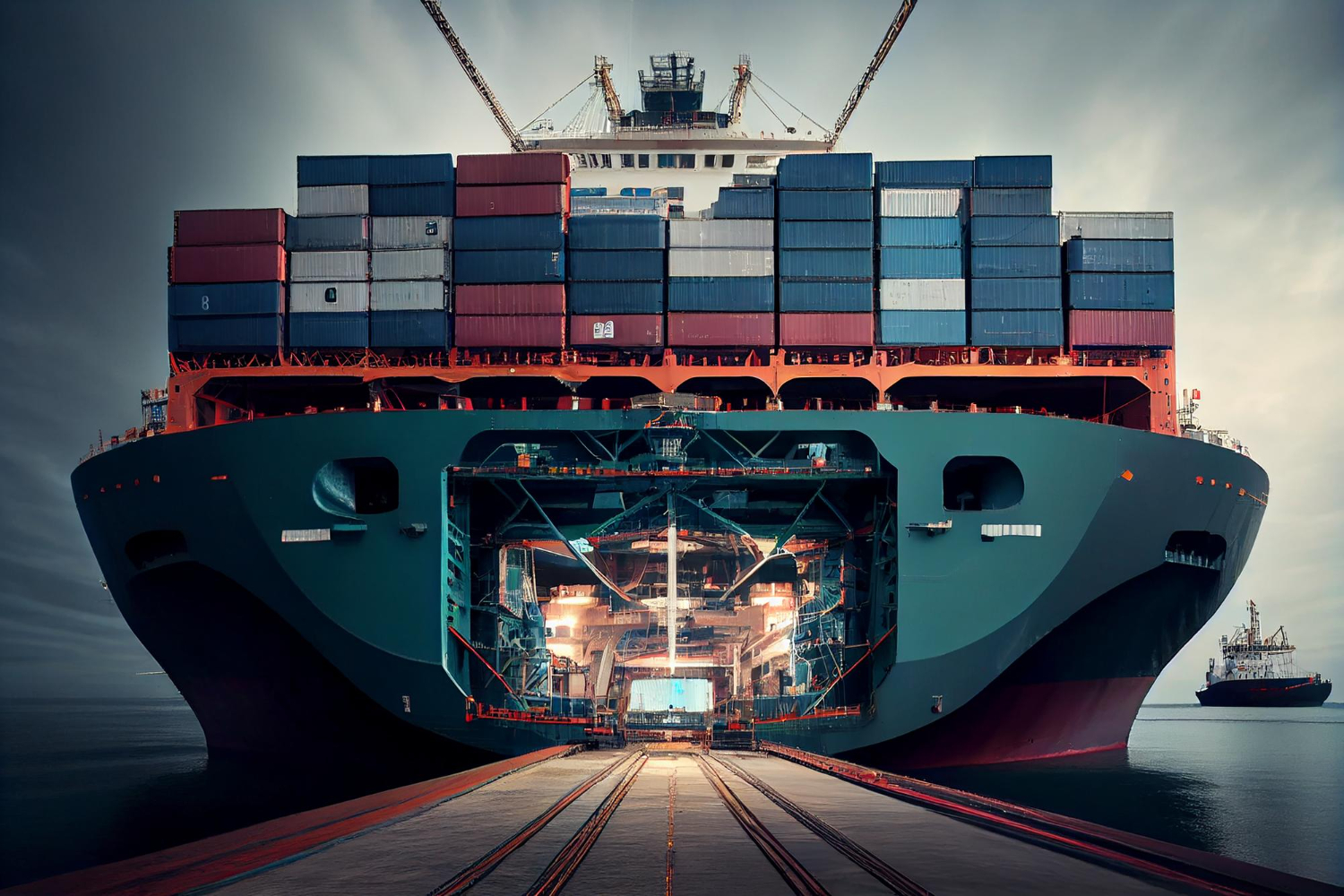
Consider sea freight for large volumes and non-urgent shipments. It is the most cost-effective solution for bulk cargo, offering significant savings over other methods. However, transit times are considerably longer, typically ranging from 28 to 35 days.
Alternatively, air freight is ideal for urgent, high-value, or perishable goods. While significantly faster, with transit times often between 5 and 8 days, it comes at a premium cost. Consequently, it is best reserved for time-sensitive deliveries.
Rail freight presents a balanced option, combining reasonable speed with moderate costs. The New Silk Road railway offers transit times of approximately 18-25 days, making it faster than sea freight but more affordable than air. This method is increasingly popular for its efficiency.
For small packages requiring rapid delivery, express service is often the best choice. Companies like DHL, UPS, and FedEx provide swift door-to-door solutions, usually within 3-5 days. However, this convenience comes with the highest per-kilogram cost, especially for heavier items.
| Shipping Method | Cost Range (per kg/CBM) | Transit Time (approx.) | Best For | Limitations |
|---|---|---|---|---|
| Sea Freight (FCL) | $0.05 – $0.15/kg | 28-35 days | Large volumes, heavy goods, non-urgent shipments | Slowest, potential port congestion |
| Sea Freight (LCL) | $50 – $100/CBM | 30-40 days | Smaller volumes (under 15 CBM), flexible | Slower than FCL, consolidation delays |
| Air Freight | $4 – $8/kg | 5-8 days | Urgent, high-value, perishable goods, samples | Highest cost, weight/volume restrictions |
| Rail Freight | $1.5 – $3/kg | 18-25 days | Medium-urgency, heavy/bulky goods, sustainable option | Less flexible routes, terminal handling |
| Express Service | $8 – $15/kg | 3-5 days | Small packages, documents, urgent samples | Very high cost for larger/heavier items |

Optimizing Your China-Italy Supply Chain: Alternative Strategies
Beyond choosing a primary shipping method, several strategies can further optimize your shipping from China to Europe, specifically to Italy. Implementing these approaches can lead to significant cost savings and improved efficiency. Therefore, a holistic view of your supply chain is beneficial.
For instance, consolidating multiple smaller orders into a single, larger shipment can reduce costs dramatically. This is particularly effective for Less than Container Load (LCL) shipments. By combining cargo, you can leverage better rates and streamline customs processes.
Moreover, considering different Incoterms, such as Delivered Duty Paid (DDP), can simplify your responsibilities. With DDP, the seller handles all costs and risks, including customs duties and taxes, until the goods reach the buyer’s premises. This offers a true door-to-door experience with minimal buyer involvement.
Hybrid solutions, like sea-air or rail-air combinations, also offer strategic advantages. For example, shipping by sea to a European hub and then by air to Italy can strike a balance between speed and cost. This flexibility allows businesses to adapt to changing market demands.
Which Option Should You Choose?
Selecting the optimal shipping strategy depends heavily on your priorities and cargo characteristics. A clear decision framework helps in making informed choices. Thus, evaluating your specific needs is crucial.
If **budget is your top priority**, sea freight (LCL or FCL) is typically the most economical choice. However, be prepared for longer transit times. For shipments under 15 CBM, LCL at $50-80/CBM may be more economical than a full container.
When **speed is paramount**, air freight or express service will deliver your goods fastest. This is ideal for time-sensitive products, samples, or urgent replenishments. While more expensive, the quick turnaround can justify the cost.
For **heavy or bulky cargo** that needs a balance of speed and cost, rail freight offers an excellent compromise. It is significantly faster than sea transport and more affordable than air freight. Direct routes via the New Silk Road can save 5-7 days compared to transshipment via major sea ports.
Finally, **cargo type** also influences the decision. Perishables, high-value electronics, or pharmaceuticals often necessitate air freight, whereas durable goods, raw materials, or furniture are well-suited for sea or rail. Always assess the specific requirements of your product.
Realistic Case Studies: Reliable Door to Door Delivery from China to Italy
To illustrate the practical application of these shipping methods, let’s examine a few realistic case studies. These examples highlight how different strategies can achieve reliable door to door delivery from China to Italy based on various cargo and urgency requirements. Based on Q3 2024 market rates, these scenarios provide valuable insights.
Note: Freight rates are subject to change based on fuel costs, carrier capacity, and seasonal demand. Contact us for a current quote tailored to your specific shipment.
Case Study 1: Cost-Effective Apparel Import via Sea Freight (LCL)
This case demonstrates how LCL sea freight can be a cost-effective solution for non-urgent, medium-sized shipments. Careful planning and consolidation are key to success.
| Detail | Description |
|---|---|
| Route | Shenzhen, China -> Milan, Italy |
| Cargo | Apparel & Textiles, 12 CBM, 2,500 kg |
| Container | LCL (Less than Container Load) |
| Carrier/Service | Major carrier (e.g., COSCO) |
| Port of Loading | Shenzhen |
| Port of Discharge | Genoa |
| Route Type | Transshipment via Singapore |
| Ocean Freight | $750 (approx. $60/CBM) |
| Origin Charges | $280 |
| Destination Charges | $350 |
| Customs & Duties (est.) | $500 |
| Total Landed Cost | $1,880 |
| Booking to Loading | 5 days |
| Sea Transit | 32 days |
| Customs Clearance | 3 days |
| Total Door-to-Door | 40 days |
| Key Insight | Economical for smaller volumes, but involves longer transit due to consolidation and transshipment. Best for inventory planning with lead time. |
Case Study 2: Urgent Electronics Components via Air Freight
This example highlights air freight’s speed for time-critical, high-value goods, demonstrating its efficiency despite higher costs. This approach ensures minimal disruption to production schedules.
| Detail | Description |
|---|---|
| Route | Shanghai, China -> Rome, Italy |
| Cargo | Electronics Components, 1.5 CBM, 300 kg (chargeable weight 350 kg) |
| Container | Air Cargo Pallet |
| Carrier/Service | Major airline (e.g., Lufthansa Cargo) |
| Airport of Loading | PVG (Shanghai Pudong) |
| Airport of Discharge | FCO (Rome Fiumicino) |
| Route Type | Direct Flight |
| Air Freight | $1,800 (approx. $5.14/kg) |
| Origin Charges | $150 |
| Destination Charges | $200 |
| Customs & Duties (est.) | $300 |
| Total Landed Cost | $2,450 |
| Booking to Loading | 2 days |
| Air Transit | 2 days |
| Customs Clearance | 1 day |
| Total Door-to-Door | 5 days |
| Key Insight | Ideal for urgent, high-value goods where speed is paramount. Higher cost is offset by rapid delivery and reduced inventory holding time. |
Case Study 3: Machinery Parts via Rail Freight (FCL)
This scenario illustrates the growing popularity of rail freight for heavy industrial goods, offering a compelling balance between speed and cost. It provides a robust alternative to purely sea or air routes.
| Detail | Description |
|---|---|
| Route | Xi’an, China -> Verona, Italy |
| Cargo | Machinery Parts, 25,000 kg |
| Container | 40GP (Full Container Load) |
| Carrier/Service | China-Europe Railway Express |
| Terminal of Loading | Xi’an International Port |
| Terminal of Discharge | Verona Interporto |
| Route Type | Direct (New Silk Road) |
| Rail Freight | $6,500 |
| Origin Charges | $350 |
| Destination Charges | $400 |
| Customs & Duties (est.) | $800 |
| Total Landed Cost | $8,050 |
| Booking to Loading | 4 days |
| Rail Transit | 18 days |
| Customs Clearance | 2 days |
| Total Door-to-Door | 25 days |
| Key Insight | Excellent balance of speed and cost for heavy or bulky goods. Faster than sea, more affordable than air, reducing transit risks and carbon footprint. |
Navigating Customs Clearance and Documentation for Italy Imports
Customs clearance is a critical, often complex, stage in achieving reliable door to door delivery from China to Italy. Proper handling of documentation and adherence to regulations are paramount. Otherwise, shipments can face significant delays and penalties, impacting your delivery schedule.
For example, importers must provide a commercial invoice, packing list, bill of lading (for sea) or air waybill (for air), and a certificate of origin. Furthermore, depending on the product, additional permits, licenses, or certifications (e.g., CE marking for certain goods) may be required. Therefore, meticulous preparation is essential.
Engaging a professional customs brokerage service is highly recommended. These experts understand the intricate Italian and EU customs regulations, ensuring compliance and expediting the clearance process. They can also advise on applicable duties, VAT, and preferential trade agreements, potentially saving costs.
As of early 2025, market data suggests that average customs clearance times for well-prepared shipments to Italy typically range from 1 to 3 days. However, incomplete documentation or non-compliant goods can extend this significantly. Consequently, proactive communication with your forwarder is vital.
| Document Type | Purpose | Remarks |
|---|---|---|
| Commercial Invoice | Details of goods, value, seller/buyer info | Crucial for customs valuation and duties calculation |
| Packing List | Details of package contents, weights, dimensions | Aids physical inspection and cargo handling |
| Bill of Lading (B/L) / Air Waybill (AWB) | Contract of carriage, title to goods | Proof of shipment for sea (B/L) or air (AWB) |
| Certificate of Origin | Verifies country where goods were manufactured | May qualify for preferential tariffs under trade agreements |
| Import License/Permit | Required for specific regulated goods | Check Italian/EU regulations for product-specific requirements |
| CE Marking Certificate | Declaration of conformity with EU health, safety, environmental standards | Mandatory for many products sold within the EU |
Choosing the Right Logistics Partner for Your China-Italy Shipments
The success of your reliable door to door delivery from China to Italy largely depends on the expertise of your chosen logistics partner. A reputable freight forwarder acts as an extension of your supply chain, managing complexities on your behalf. Therefore, selecting the right one is a strategic decision.
Look for a company with extensive experience on the China-Europe route, particularly with Italy. Their established network of carriers, agents, and customs brokers is invaluable. Furthermore, their ability to offer diverse shipping options, from express to sea freight, demonstrates versatility.
Consider a partner like China Top Freight, which specializes in comprehensive logistics solutions. We offer seamless door-to-door services, ensuring your cargo is handled efficiently from pickup in China to final delivery in Italy. Our focus is on transparency and consistent communication, providing peace of mind throughout the shipping process.
Moreover, a reliable forwarder should utilize modern tracking technology and provide proactive communication. This ensures you are always informed about your shipment’s status and any potential issues. Ultimately, a strong partnership minimizes risks and maximizes efficiency for your import operations.

Market Trends and Rate Fluctuations Affecting China-Italy Shipping
The global logistics landscape is dynamic, with various factors influencing freight rates and transit times for reliable door to door delivery from China to Italy. Staying informed about these trends is essential for effective planning and budgeting. Indeed, market intelligence helps anticipate changes.
As of Q1 2025, freight rates from China to Europe have largely stabilized after the 2024 Red Sea disruptions, although some surcharges persist. However, geopolitical events and fuel price volatility can still cause sudden shifts. Therefore, flexibility in your shipping strategy is crucial.
Seasonal patterns also play a significant role. Rates typically increase 15-25% during peak seasons, such as August-October before the holiday shopping rush and before Chinese New Year. Booking well in advance during these periods can help mitigate higher costs. Always seek current quotes.
Furthermore, global container availability and port congestion can impact transit times and pricing. Industry benchmarks suggest that major European ports, including those in Italy, generally maintain good operational efficiency. Nevertheless, occasional disruptions can occur, necessitating contingency plans.
Achieve Seamless and Reliable Door to Door Delivery to Italy
Securing reliable door to door delivery from China to Italy is fundamental for any business engaged in international trade. By understanding the various shipping methods, optimizing your supply chain, and partnering with an experienced freight forwarder, you can overcome common logistical hurdles. This ensures your goods arrive efficiently and cost-effectively.
Ultimately, a well-managed shipping strategy reduces risks, enhances predictability, and supports your business growth in the competitive Italian market. Partnering with a trusted expert simplifies the entire process. Choose wisely to protect your valuable cargo and maintain your delivery schedule.
Need a tailored shipping solution?
Ready to streamline your imports? Contact us today for a personalized quote and discover how our expert services can ensure reliable door to door delivery from China to Italy. We are here to help you navigate international logistics with ease.