

Reefer FCL Booking: Hardware Tools from China to New Jersey
Shipping specialized hardware tools from China to New Jersey demands a meticulous approach, especially when temperature control is paramount. Understanding the intricacies of the Reefer FCL booking process for hardware tools from China to New Jersey is therefore crucial for preserving product integrity and ensuring timely delivery. This comprehensive guide will demystify the steps, costs, and considerations involved, helping you streamline your international logistics. Ultimately, we aim to provide actionable insights for a seamless shipping experience.
Why Reefer FCL for Hardware Tools?
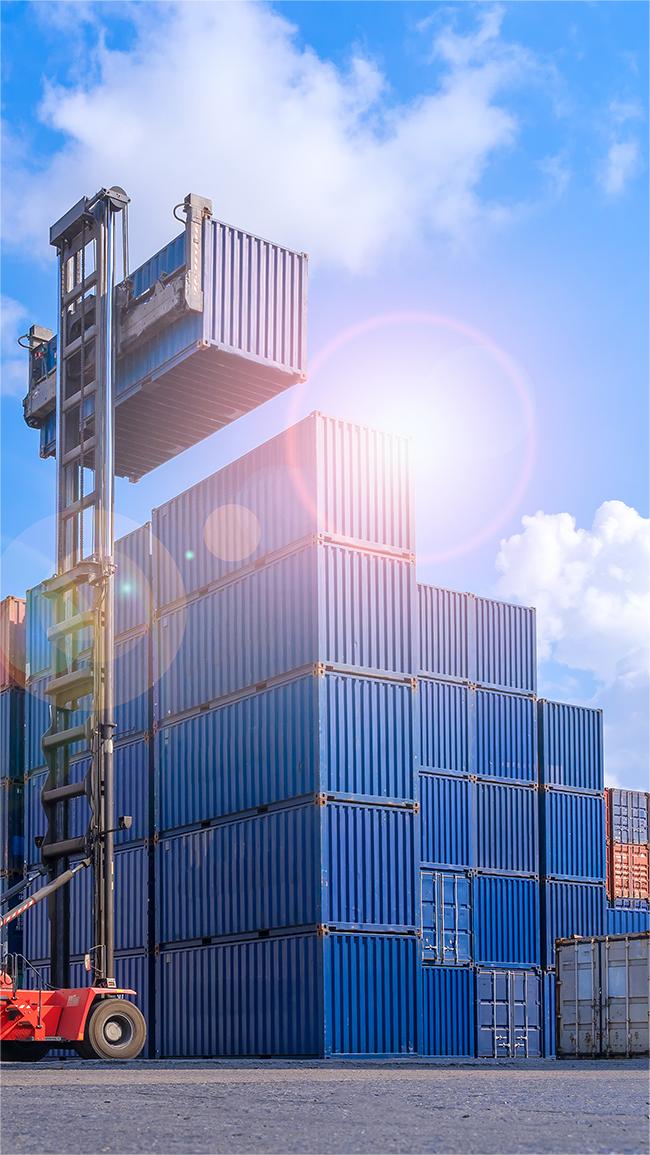
While many hardware tools do not require temperature control, certain specialized items, such as precision instruments, electronic components within tools, or items with sensitive coatings, can be vulnerable to extreme temperatures and humidity. Consequently, selecting a Reefer Full Container Load (FCL) ensures a stable environment throughout the entire transit. This specialized container prevents damage from condensation, heat, or cold, which is vital for maintaining product quality.
Choosing Reefer FCL is not merely about temperature; it is also about safeguarding your investment against environmental fluctuations. Furthermore, maintaining optimal conditions mitigates the risk of corrosion, material degradation, or electronic malfunction upon arrival in New Jersey. Therefore, assessing the specific needs of your hardware tools is the first critical step in the booking process.
Understanding the Reefer FCL Booking Process
The Reefer FCL booking process from China to New Jersey involves several key stages, each requiring careful attention. Initially, it begins with selecting a reliable freight forwarder capable of handling temperature-controlled cargo. Subsequently, this choice ensures expertise in managing the specific requirements of reefer containers and their associated logistics.
Generally, the process includes obtaining a quote, booking the container, preparing documentation, customs clearance, and finally, inland transportation to the final destination. Notably, each step plays a crucial role in the overall efficiency and success of your shipment. Therefore, a clear understanding of these stages is essential for effective supply chain management.
Key Steps in Reefer FCL Booking
First, you must determine your cargo’s exact temperature and humidity requirements. This crucial information directly influences the type of reefer container and settings needed for your hardware tools. Moreover, accurate specifications prevent potential damage during transit.
Next, engage with a freight forwarder specializing in reefer shipments, like sea freight experts. They will help you select the appropriate container size (20ft, 40ft, or 40ft High Cube) and secure vessel space. Furthermore, a good forwarder will provide a transparent breakdown of all associated costs and transit times. Subsequently, confirm your booking and receive a booking confirmation.
Finally, coordinate the pickup of the empty reefer container from the depot to your supplier’s factory in China. Oversee the loading process to ensure cargo is properly stowed and secured, adhering to reefer container guidelines. After loading, the container is sealed and transported to the port of loading, ready for vessel departure.
Documentation Essentials for China-NJ Hardware Tool Shipments
Accurate and complete documentation is paramount for any international shipment, especially for hardware tools requiring Reefer FCL from China to New Jersey. Without proper paperwork, your cargo faces significant delays and potential penalties. Therefore, diligent preparation of these documents is a non-negotiable step in the booking process.
Moreover, a comprehensive set of documents facilitates smooth customs clearance both in China and upon arrival in the United States. Working closely with your freight forwarder and supplier will ensure all necessary forms are correctly filled out and submitted on time. This proactive approach minimizes unforeseen complications.
| Document Type | Purpose | Key Details |
|---|---|---|
| Commercial Invoice | Details of goods sold | Value, quantity, Incoterms, buyer/seller info |
| Packing List | Contents of each package | Dimensions, weight, marks, number of packages |
| Bill of Lading (B/L) | Contract of carriage | Shipper, consignee, notify party, port details, cargo description |
| Certificate of Origin | Country where goods were produced | Required for preferential tariffs, trade agreements |
| Customs Declaration (China) | Export declaration | Commodity code, quantity, value, export license (if applicable) |
| Import Security Filing (ISF 10+2) | US Customs declaration (importer) | 10 importer data elements, 2 carrier data elements, due 24h before loading |
| FDA/EPA Documentation | Regulatory compliance for specific tools | Required for certain electronic or chemical-containing hardware |

Cost Factors and Pricing for Reefer FCL
Understanding the cost structure for Reefer FCL shipments of hardware tools from China to New Jersey is vital for budget planning. Several factors influence the final freight rates, which can fluctuate significantly based on market conditions. Generally, reefer containers incur higher costs than standard dry containers due to specialized equipment and power requirements.
As of Q1 2025, freight rates from China to the USA East Coast (including New Jersey) have seen some stabilization after recent global disruptions, however, they remain dynamic. Consequently, peak seasons (e.g., pre-Chinese New Year, Q3 holiday rush) typically see rate increases of 15-25%. Therefore, planning your shipments outside these periods can offer cost-saving opportunities. Additionally, factors like fuel surcharges, port congestion, and carrier capacity directly impact pricing.
Key Cost Components
The total landed cost for your hardware tools includes various components. First, the ocean freight charge covers the container’s journey from China to New Jersey. This fee varies based on the carrier, route, and current market rates. Furthermore, reefer containers often have an additional ‘reefer surcharge’ for electricity and monitoring.
Origin charges in China typically include terminal handling charges (THC), documentation fees, and local trucking to the port. Likewise, destination charges in New Jersey encompass THC, chassis usage, and drayage to your final warehouse. Moreover, customs duties and taxes, determined by the Harmonized System (HS) code of your hardware tools, represent another significant expense. Customs brokerage services are often essential for navigating these complexities efficiently.
Typical Reefer FCL Cost Breakdown (China to New Jersey)
Based on Q1 2025 market rates, here is an estimated cost breakdown for a 40HQ Reefer FCL shipment of hardware tools from a major Chinese port to New Jersey. These figures are illustrative and subject to change. Always secure a current quote for precise pricing.
Note: Freight rates are subject to change based on fuel costs, carrier capacity, and seasonal demand. Contact us for a current quote tailored to your specific shipment.
| Cost Component | Estimated Range (USD) |
|---|---|
| Ocean Freight (40HQ Reefer) | $5,000 – $7,500 |
| Reefer Surcharge | $500 – $1,000 |
| Origin Charges (THC, Documentation, etc.) | $400 – $700 |
| Destination Charges (THC, Drayage, etc.) | $800 – $1,200 |
| Customs Brokerage Fee | $250 – $450 |
| Customs Duties & Taxes (Estimated) | 5% – 15% of cargo value |
| Total Estimated Cost (excl. duties) | $6,950 – $10,850 |
How Does Reefer FCL Compare to Other Shipping Options?
When importing hardware tools from China to New Jersey, Reefer FCL is a specialized solution. However, it is important to consider alternative shipping methods, especially if temperature control is not strictly necessary or if your shipment volume dictates a different approach. Consequently, understanding these alternatives helps in making informed logistical decisions.
Each shipping method presents distinct trade-offs in terms of cost, speed, and suitability for different cargo types. Therefore, evaluating your specific needs against these options is crucial for optimizing your supply chain efficiency and budget. This comparison will help highlight when Reefer FCL is truly the best choice.
| Shipping Method | Cost Range (40HQ/approx.) | Transit Time (China to NJ) | Best For | Limitations |
|---|---|---|---|---|
| Reefer FCL | $5,000 – $7,500 (ocean freight) | 30-35 days | Temperature-sensitive hardware, large volumes, high value goods | Higher cost, less frequent sailings than dry cargo |
| General FCL (Dry Container) | $4,000 – $5,500 (ocean freight) | 30-35 days | Non-perishable, large volume hardware, cost-effective | No temperature control, risk of condensation |
| LCL (Less than Container Load) | $80-150/CBM | 35-45 days | Smaller shipments (under 15 CBM), cost-sharing | Longer transit, more handling, limited temperature control options |
| Air Freight (General Cargo) | $8,000 – $25,000 (for similar volume) | 5-8 days | Urgent, high-value, small volume hardware, samples | Very high cost, volume/weight restrictions, limited reefer air cargo |
Optimizing Transit Times and Supply Chain Efficiency
Efficient management of transit times is paramount for maintaining a lean inventory and meeting market demands for hardware tools. For Reefer FCL shipments from China to New Jersey, typical sea transit ranges from 30 to 35 days. However, total door-to-door time can extend due to pre-shipment preparations, port congestion, and customs clearance.
To optimize your logistics, consider factors like direct routes versus transshipment options. Direct routes, while sometimes 10-15% more expensive, can shave 5-7 days off transit compared to routes with transshipment via intermediate ports. Furthermore, utilizing door-to-door services can simplify coordination and reduce delays at various hand-off points. Effective planning and communication with your freight forwarder are key to achieving predictable delivery schedules.
Strategies for Faster Delivery
Firstly, consolidate your orders to maximize container utilization, thereby avoiding the slower process of LCL. Secondly, pre-clear customs where possible by submitting documentation in advance of the vessel’s arrival. This proactive step can significantly reduce dwell time at the port of discharge. Additionally, staying informed about potential port congestion, especially at major hubs like Newark/Elizabeth, allows for contingency planning.
Consider alternative ports if Newark is experiencing severe delays, although this might involve additional inland transportation costs. For example, some importers occasionally use Philadelphia or Baltimore, though direct reefer services might be less frequent. For critically urgent small hardware parts, despite the higher cost, express service via air freight remains the fastest option.
Real-World Reefer FCL Case Studies
These case studies illustrate practical applications and challenges in the Reefer FCL booking process for hardware tools from China to New Jersey. They highlight how different factors influence cost, transit, and overall success, offering valuable insights for your own shipments. These examples are based on typical scenarios observed in late 2024 to early 2025 market conditions.
Case Study 1: Precision Electronics Tools
| Detail | Value |
|---|---|
| Route | Shanghai, China -> Newark, New Jersey, USA |
| Cargo | Precision electronic testing tools, 28 CBM, 12,000 kg |
| Container | 40HQ Reefer (set to 20°C) |
| Shipping Details | Carrier: COSCO, Port of Loading: Shanghai, Port of Discharge: Newark, Route Type: Direct |
| Cost Breakdown | Ocean Freight: $6,800, Origin Charges: $650, Destination Charges: $1,100, Customs & Duties (estimated): $1,500, Total Landed Cost: $10,050 |
| Timeline | Booking to Loading: 5 days, Sea Transit: 32 days, Customs Clearance: 3 days, Total Door-to-Door: 40 days |
| Key Insight | Direct route minimized transit time, crucial for high-value electronics. Pre-filing ISF avoided port delays. Minor delay due to Q4 peak season congestion at Newark. |
Case Study 2: Industrial Adhesive Applicators
| Detail | Value |
|---|---|
| Route | Ningbo, China -> Elizabeth, New Jersey, USA |
| Cargo | Industrial adhesive applicators (with temperature-sensitive components), 22 CBM, 10,000 kg |
| Container | 40GP Reefer (set to 22°C) |
| Shipping Details | Carrier: MSC, Port of Loading: Ningbo, Port of Discharge: Elizabeth, Route Type: Transshipment via Busan |
| Cost Breakdown | Ocean Freight: $5,900, Origin Charges: $580, Destination Charges: $1,050, Customs & Duties (estimated): $1,200, Total Landed Cost: $8,730 |
| Timeline | Booking to Loading: 7 days, Sea Transit: 38 days, Customs Clearance: 4 days, Total Door-to-Door: 49 days |
| Key Insight | Transshipment saved 10% on ocean freight but added 6 days to transit. Careful monitoring of temperature settings was required during the transshipment leg. |
Case Study 3: Specialized Battery-Powered Tools
| Detail | Value |
|---|---|
| Route | Shenzhen, China -> Newark, New Jersey, USA |
| Cargo | Lithium-ion battery-powered hand tools, 15 CBM, 7,000 kg |
| Container | 20GP Reefer (set to 25°C, for battery stability) |
| Shipping Details | Carrier: OOCL, Port of Loading: Shenzhen, Port of Discharge: Newark, Route Type: Direct |
| Cost Breakdown | Ocean Freight: $4,500, Origin Charges: $500, Destination Charges: $950, Customs & Duties (estimated): $900, Total Landed Cost: $6,850 |
| Timeline | Booking to Loading: 6 days, Sea Transit: 34 days, Customs Clearance: 2 days, Total Door-to-Door: 42 days |
| Key Insight | Smaller container for critical battery stability. Required additional dangerous goods declaration for batteries, which was handled by the freight forwarder. Smooth customs due to proactive documentation. |
Which Option Should You Choose for Your Hardware Tools?
Deciding on the optimal shipping method for your hardware tools from China to New Jersey depends heavily on your specific business priorities. There is no one-size-fits-all solution; instead, a careful evaluation of your cargo, budget, and timeline is necessary. This framework helps you pinpoint the most suitable strategy.
Consider these key criteria to make an informed decision and ensure your hardware tools reach their destination efficiently and intact. Your choice will significantly impact both cost-effectiveness and customer satisfaction.
Decision Framework
**Budget Priority:** If minimizing costs is your primary concern and your hardware tools are not temperature-sensitive, a General FCL (Dry Container) is often the most economical choice. For smaller volumes, LCL can be cost-effective, though with longer transit times. However, for cost-effective temperature control, Reefer FCL is superior to air freight.
**Speed Priority:** When time is of the essence, particularly for urgent projects or high-demand products, air freight is unrivaled in speed. It offers transit times of 5-8 days, significantly faster than sea freight’s 30-35 days. Nevertheless, this speed comes at a premium.
**Cargo Type Considerations:** For hardware tools that contain sensitive electronics, precision components, or materials susceptible to corrosion or degradation from temperature fluctuations, Reefer FCL is highly recommended. For robust, non-sensitive tools, a standard dry container is perfectly adequate. Always consult product specifications for environmental requirements.
**Volume Thresholds:** If your shipment is large enough to fill a significant portion of a 20ft or 40ft container (typically 15 CBM or more), FCL is generally more cost-efficient per unit than LCL. Below this threshold, LCL might be more economical, but be mindful of increased handling and potential delays. For large volumes of temperature-sensitive goods, Reefer FCL is the definitive choice.

Navigating Customs and Regulations into New Jersey
Successful import of hardware tools into New Jersey, USA, hinges on meticulous adherence to US Customs and Border Protection (CBP) regulations. Importers must ensure all goods comply with US laws, including product safety standards and proper labeling. Consequently, neglecting these requirements can lead to severe delays, fines, or even cargo seizure.
Furthermore, specific hardware tools might fall under the purview of other government agencies, such as the Food and Drug Administration (FDA) for certain medical devices or the Environmental Protection Agency (EPA) for tools with chemical components. Therefore, proactively identifying and fulfilling these regulatory obligations is a critical aspect of the Reefer FCL booking process for hardware tools from China to New Jersey. Consulting with a knowledgeable customs broker is highly advisable to navigate this complex landscape effectively.
Conclusion: Master Your Reefer FCL Booking from China to New Jersey
Effectively managing the Reefer FCL booking process for hardware tools from China to New Jersey requires a blend of meticulous planning, accurate documentation, and strategic partner selection. From understanding the specific temperature needs of your cargo to navigating complex customs regulations, each step is crucial for success. Ultimately, by choosing the right freight forwarder and being proactive in your preparations, you can significantly mitigate risks and optimize your supply chain.
Indeed, investing in reliable temperature-controlled shipping ensures the integrity of your specialized hardware tools, protecting your investment and reputation. We hope this guide empowers you with the knowledge needed to make informed decisions for your next shipment, fostering a smooth and efficient importing experience.
Ready to streamline your logistics?
Ready to streamline your Reefer FCL booking process for hardware tools from China to New Jersey? Our experienced team at China Top Freight specializes in temperature-controlled logistics and customs compliance. Contact us today for a personalized quote and expert guidance to ensure your valuable cargo arrives safely and on time.
Request Quote