

Fast Customs Clearance from China to France: Your Ultimate Guide
Navigating international shipping can be complex, especially when aiming for fast customs clearance from China to France. Importers often face challenges like extensive paperwork, varying regulations, and potential delays. This guide provides actionable strategies to streamline your logistics, ensuring your goods reach their destination efficiently and without unnecessary hold-ups. For comprehensive solutions, visit China Top Freight.
Why Fast Customs Clearance is Crucial for China-France Trade
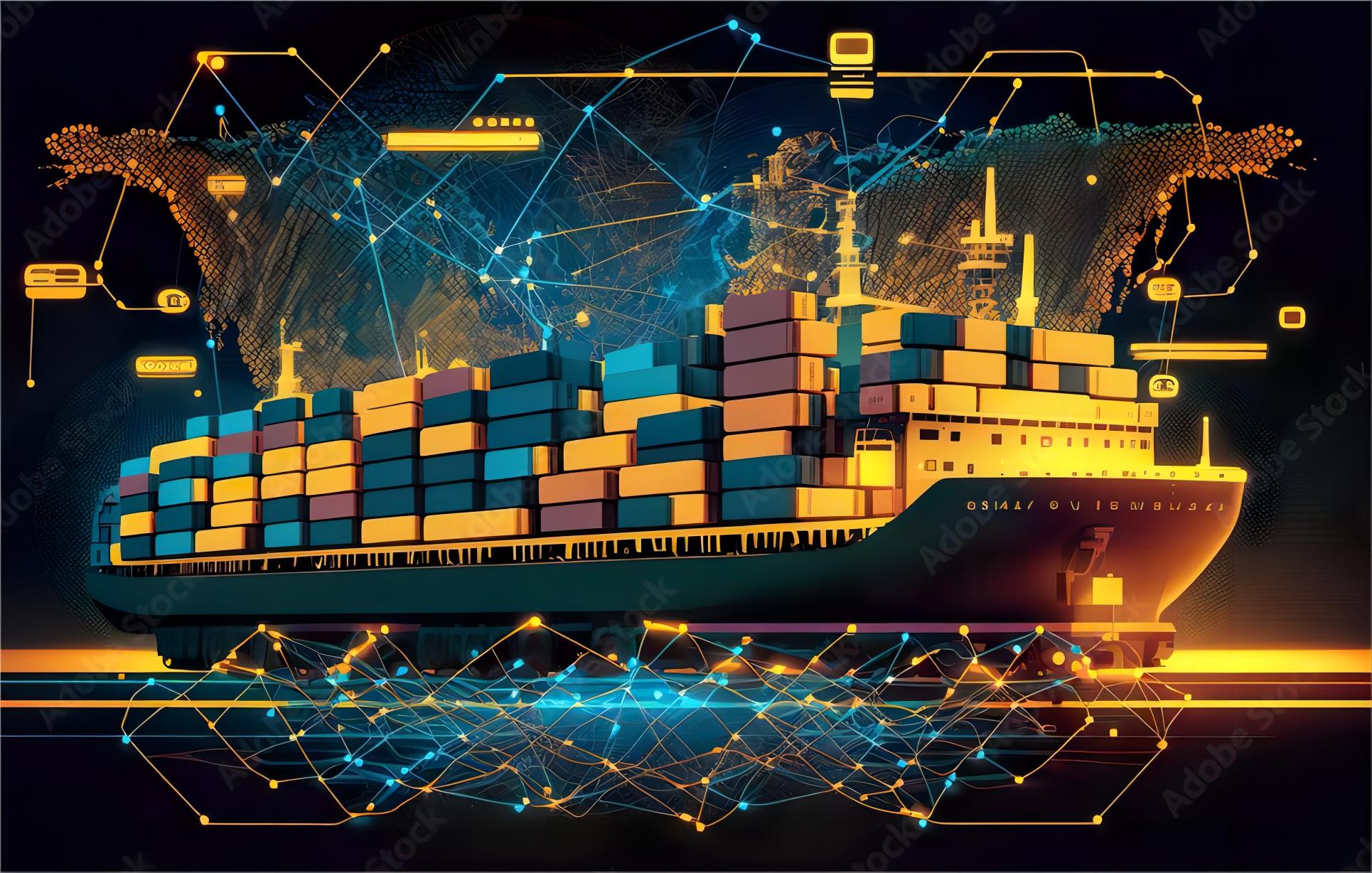
Efficient customs clearance is paramount for businesses importing from China to France. Delays can significantly impact supply chains, leading to increased costs, lost sales, and damaged reputations. Therefore, understanding the nuances of the process is vital for success.
Conversely, a smooth and fast customs clearance process ensures timely delivery and market access. This directly translates to competitive advantages and stronger customer satisfaction. Moreover, it helps maintain predictable inventory levels and reduces storage expenses at ports.
Understanding the Customs Clearance Process from China to France
The customs clearance journey involves several critical steps, from documentation preparation to final release. Primarily, it begins long before goods even leave the origin port. Proper planning and communication are key components of this intricate process.
Furthermore, French customs authorities adhere strictly to EU regulations, which demand precision. Consequently, any discrepancies in paperwork can trigger inspections and significant delays. Hence, meticulous attention to detail is always recommended.
Key Documentation Requirements for Import
Accurate and complete documentation is the backbone of fast customs clearance. Indeed, missing or incorrect papers are the most common cause of delays. Therefore, preparing all necessary documents in advance is absolutely essential.
| Document Type | Purpose | Importance |
|---|---|---|
| Commercial Invoice | Details goods, value, seller/buyer | High |
| Packing List | Describes contents, weight, dimensions | High |
| Bill of Lading (B/L) / Air Waybill (AWB) | Contract between shipper and carrier | High |
| Certificate of Origin | Confirms country of manufacture | Medium |
| Customs Declaration (CN22/CN23) | Required for postal/express shipments | High |
| Import License | For regulated goods (e.g., certain chemicals) | Varies |
| Insurance Certificate | Proof of cargo insurance | Medium |

The Indispensable Role of a Customs Broker
Engaging a professional customs broker is a strategic move for fast customs clearance. These experts possess in-depth knowledge of international trade laws, tariffs, and local regulations. They act as your liaison with customs authorities.
Additionally, a reliable broker can preempt potential issues, advise on duty optimization, and manage all necessary filings. This significantly reduces the likelihood of delays and ensures compliance. Consider customs brokerage services for seamless processing.
How to Accelerate Customs Clearance: Key Strategies
Several proactive strategies can help expedite the customs clearance process from China to France. Implementing these measures can save both time and money. Ultimately, preparation is the most effective tool against delays.
Furthermore, staying informed about regulatory changes in both China and the EU is crucial. This proactive approach helps avoid last-minute complications. Consequently, your supply chain remains robust and responsive.
Pre-Declaration and Pre-Clearance Procedures
Utilizing pre-declaration services allows customs declarations to be submitted and processed before the cargo’s arrival. This significantly shaves off valuable time once the goods reach the port or airport. Therefore, it is a highly recommended practice.
Moreover, some freight forwarders offer pre-clearance options, where duties and taxes are paid in advance. This ensures immediate release upon arrival, assuming all documentation is perfect. As a result, transit times are noticeably reduced.
Choosing the Right Incoterms (DDP vs. DDU)
Selecting appropriate Incoterms is critical for defining responsibilities and costs. Delivered Duty Paid (DDP) is often preferred for fast customs clearance. Under DDP, the seller handles all import duties, taxes, and customs formalities in France.
On the other hand, Delivered Duty Unpaid (DDU) places these responsibilities on the buyer. While potentially cheaper upfront, DDU can lead to delays if the buyer is unprepared for the customs process. Thus, DDP often ensures a smoother and faster experience.
Ensuring Data Accuracy and Compliance
Accuracy in all submitted data is non-negotiable for swift customs processing. Any discrepancies between the commercial invoice, packing list, and bill of lading can trigger extensive scrutiny. Indeed, even minor errors can cause significant hold-ups.
Additionally, ensuring full compliance with product-specific regulations, such as CE marking for electronics or specific labeling requirements, prevents rejections or mandatory re-labeling. Consequently, diligent checks are always worthwhile.
How Does Each Shipping Method Impact Customs Clearance Time?
The choice of shipping method directly influences both transit time and the customs clearance process. Each option presents unique advantages and challenges. Therefore, selecting the most suitable method is crucial for optimizing your supply chain.
Furthermore, understanding the specific requirements associated with air, sea, rail, and express freight helps in better planning. This ultimately leads to more predictable and faster customs clearance outcomes. Here’s a comparative overview.
| Shipping Method | Cost Range (per kg/CBM) | Transit Time (China-France) | Best For | Limitations |
|---|---|---|---|---|
| Air Freight | High ($4-8/kg) | 3-7 days | Urgent, High-Value, Perishable Goods | Higher cost, volume/weight limits |
| Sea Freight (FCL) | Low ($0.1-0.3/kg) | 28-35 days | Large Volumes, Non-Urgent, Heavy Goods | Long transit, port congestion risk |
| Sea Freight (LCL) | Medium ($0.2-0.5/kg) | 30-40 days | Smaller Volumes (under 15 CBM) | Longer transit than FCL, potential delays |
| Rail Freight | Medium ($1-3/kg) | 15-20 days | Mid-Urgency, Balanced Cost/Speed | Limited routes, capacity constraints |
| Express Service | Very High ($8-15+/kg) | 2-5 days | Small, Urgent Parcels, Documents | Very high cost, strict weight/size limits |
Air Freight: Speed and Precision
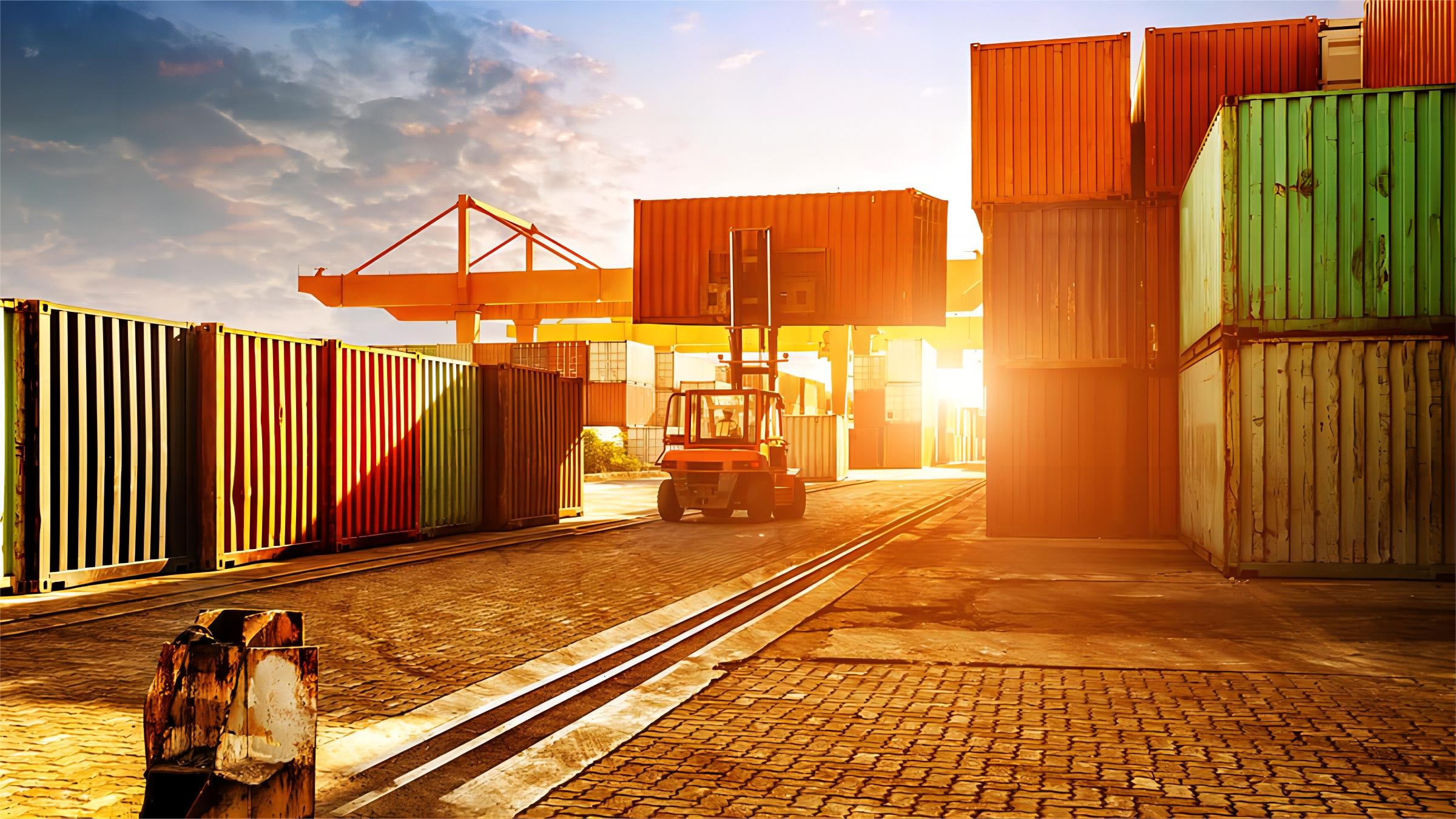
Air freight is undeniably the fastest option for shipping goods from China to France. While transit times are short, typically 3-7 days, customs clearance must also be equally swift. Therefore, pre-clearance is particularly beneficial here.
However, the speed comes with higher costs and stricter cargo restrictions. Despite this, for urgent or high-value shipments, air freight remains the preferred choice. Customs processes are often streamlined due to the time-sensitive nature of air cargo.
Sea Freight: Volume and Cost-Effectiveness
Sea freight is the most economical option for large volumes of goods, with transit times ranging from 28-35 days from major Chinese ports to France. While slower, proper preparation can still ensure fast customs clearance upon arrival. Planning well in advance is essential.
Moreover, due to the longer transit, there is ample time for documentation review and pre-declaration. This makes sea freight a reliable choice for non-urgent, bulk shipments. Port congestion can sometimes affect clearance, however.
Rail Freight: A Balanced Option
Rail freight offers a compelling balance between speed and cost for China-France routes, typically taking 15-20 days. It is faster than sea freight and more cost-effective than air freight. This makes rail freight an increasingly popular choice.
Furthermore, rail services are less susceptible to weather disruptions than sea, and customs procedures at land borders are often well-established. Consequently, this method provides a predictable and efficient option for various cargo types. However, capacity can be a consideration.
Express Service: Door-to-Door Efficiency
For small packages and extremely urgent documents, express services (like DHL, FedEx, UPS) offer unparalleled speed and integrated customs handling. Transit times are often 2-5 days, door-to-door. This includes streamlined customs clearance.
Generally, express carriers manage most customs formalities on behalf of the shipper, simplifying the process. Therefore, for time-critical, smaller shipments, express service is highly efficient. However, costs per kg are significantly higher.
Real-World Scenarios: Navigating China-France Customs
Examining practical examples helps illustrate how different strategies impact fast customs clearance. These case studies highlight common challenges and effective solutions. They offer valuable insights for importers.
Based on Q3 2024 market rates, these scenarios provide realistic perspectives. They demonstrate the importance of choosing the right shipping partner and method. Always remember that rates are subject to change.
Case Study 1: High-Value Electronics for Retail
This case illustrates the critical need for speed and secure handling of sensitive cargo. The client required rapid market entry for new product lines. Therefore, air freight was the only viable option.
| Detail | Value |
|---|---|
| Route | Shenzhen, China Paris (CDG), France |
| Cargo | Smartphones & Accessories, 5 CBM, 1500 kg |
| Container | Air Cargo (ULD) |
| Shipping Details | |
| – Carrier/Service | Major airline cargo (e.g., Air France Cargo) |
| – Port of Loading | Shenzhen Bao’an International Airport (SZX) |
| – Port of Discharge | Paris Charles de Gaulle Airport (CDG) |
| – Route Type | Direct |
| Cost Breakdown (Estimated) | |
| – Air Freight | $6,500 |
| – Origin Charges (handling, documentation) | $350 |
| – Destination Charges (terminal, handling) | $400 |
| – Customs & Duties (estimated) | $1,800 (DDP terms) |
| – Total Landed Cost | $9,050 |
| Timeline | |
| – Booking to Loading | 1 day |
| – Air Transit | 2 days |
| – Customs Clearance | 0.5 days (pre-cleared) |
| – Total Door-to-Door | 4 days |
| Key Insight | Pre-clearance and DDP terms were crucial for achieving ultra-fast delivery and minimizing market entry delays. The high cost was justified by market demand. |
Case Study 2: Bulk Consumer Goods for E-commerce
This scenario focused on cost-efficiency for a high-volume, regular shipment of consumer products. While speed was important, budget was the primary driver. Sea freight provided the optimal balance here.
| Detail | Value |
|---|---|
| Route | Ningbo, China Le Havre, France |
| Cargo | Home Decor Items, 40 CBM, 8,000 kg |
| Container | 1 x 40HQ |
| Shipping Details | |
| – Carrier/Service | Major carrier (e.g., COSCO) |
| – Port of Loading | Ningbo Port |
| – Port of Discharge | Port of Le Havre |
| – Route Type | Direct |
| Cost Breakdown (Estimated) | |
| – Ocean Freight | $3,800 |
| – Origin Charges (THC, documentation) | $450 |
| – Destination Charges (THC, drayage) | $700 |
| – Customs & Duties (estimated) | $1,200 (DDU terms, client handled duties) |
| – Total Landed Cost | $6,150 |
| Timeline | |
| – Booking to Loading | 5 days |
| – Sea Transit | 32 days |
| – Customs Clearance | 2 days |
| – Total Door-to-Door | 40 days |
| Key Insight | Early documentation submission and a strong relationship with a local customs broker ensured swift clearance despite the longer transit. Proactive communication minimized potential delays. |
Case Study 3: Urgent Industrial Components via Rail
A manufacturing client needed specialized machine parts to avoid production line shutdowns. Rail freight offered the best combination of speed and cost for this scenario. It bridged the gap between air and sea.
Furthermore, the predictable transit time of rail freight was a significant advantage. This allowed for precise planning and reduced the risk of unexpected delays. The door-to-door service simplified logistics.
| Detail | Value |
|---|---|
| Route | Chongqing, China Lyon, France |
| Cargo | Machine Components, 10 CBM, 2,500 kg |
| Container | LCL (Less than Container Load) |
| Shipping Details | |
| – Carrier/Service | China-Europe Railway Express (e.g., Yuxinou) |
| – Terminal of Origin | Chongqing Railway Terminal |
| – Terminal of Destination | Lyon Rail Terminal |
| – Route Type | Direct Rail |
| Cost Breakdown (Estimated) | |
| – Rail Freight | $2,800 |
| – Origin Charges (handling, documentation) | $200 |
| – Destination Charges (terminal, drayage) | $450 |
| – Customs & Duties (estimated) | $700 (handled by freight forwarder) |
| – Total Landed Cost | $4,150 |
| Timeline | |
| – Booking to Loading | 3 days |
| – Rail Transit | 18 days |
| – Customs Clearance | 1 day |
| – Total Door-to-Door | 23 days |
| Key Insight | Rail freight provided a cost-effective alternative to air for urgent, mid-sized cargo. The dedicated rail customs procedures led to efficient processing upon arrival in Europe. This balanced solution prevented costly production halts. |
Optimizing Your Supply Chain for Seamless Imports
Beyond individual shipments, a holistic approach to your supply chain can dramatically improve fast customs clearance. This involves strategic planning and leveraging the right partnerships. Ultimately, it builds resilience into your operations.
Furthermore, integrating technology solutions, such as tracking and compliance software, enhances visibility and control. This proactive management minimizes potential bottlenecks and ensures smooth transitions. Consequently, your overall logistics become more efficient.
Choosing the Right Freight Forwarder
Partnering with an experienced freight forwarder is perhaps the most impactful decision for fast customs clearance. A reputable forwarder possesses strong networks and expertise in both Chinese export and French import regulations. They are invaluable allies.
Indeed, they can guide you through complex documentation, offer DDP solutions, and provide real-time tracking. Their ability to anticipate and resolve issues before they escalate is priceless. Therefore, choose a partner with a proven track record.
Leveraging Technology for Visibility and Compliance
Modern logistics platforms offer advanced tracking, digital documentation management, and automated compliance checks. These tools provide unprecedented visibility into your shipment’s journey. This transparency helps in anticipating and mitigating delays.
Additionally, using electronic data interchange (EDI) with customs authorities and carriers can significantly speed up declaration processes. This reduces manual errors and accelerates information flow. As a result, your customs clearance becomes more agile.
Which Option Should You Choose for Your Shipments to France?
Deciding on the best shipping and customs clearance strategy depends heavily on your specific business priorities. There is no one-size-fits-all solution; however, a clear framework can guide your choices. Consider these key factors carefully.
Moreover, market conditions and product characteristics play a significant role in this decision-making process. Therefore, a flexible approach, adapting to current demands, is often most effective. Here’s a guide to help you decide.
Budget Priority
If cost-effectiveness is your primary concern, especially for large volumes, sea freight is generally the most economical choice. Furthermore, consider LCL (Less than Container Load) for smaller shipments to save on container costs. However, be prepared for longer transit times.
Speed Priority
For urgent deliveries where time is critical, air freight is the fastest option for bulk goods. For smaller, extremely time-sensitive items, express courier services offer unparalleled speed. Always factor in the higher associated costs.
Moreover, rail freight offers a good compromise, being significantly faster than sea freight at a moderate cost. It provides a reliable middle ground for many businesses. Therefore, evaluate your urgency against your budget.
Cargo Type Considerations
Perishable goods, high-value electronics, or fragile items often benefit from air freight due to speed and specialized handling. Conversely, heavy machinery, raw materials, or non-perishable consumer goods are well-suited for sea freight.
Additionally, hazardous materials have specific shipping and customs requirements regardless of the method. Always ensure compliance with all regulations. This prevents costly delays and potential penalties.
Volume Thresholds for Switching Methods
For shipments under 1 CBM or 100 kg, express services are usually most efficient. Between 1-15 CBM, LCL sea freight or rail freight can be more cost-effective. For volumes exceeding 15 CBM, FCL (Full Container Load) sea freight becomes the most economical.
However, if urgency increases, consider switching to rail or air freight even for larger volumes. This dynamic assessment ensures optimal logistics. Therefore, regularly review your shipping needs against available options.
Achieving Seamless and Fast Customs Clearance from China to France
Ultimately, achieving fast customs clearance from China to France requires a combination of meticulous planning, accurate documentation, and strategic partnerships. By understanding the intricacies of each shipping method and leveraging expert advice, businesses can significantly reduce delays and optimize their supply chains.
Indeed, proactive measures like pre-declaration, choosing appropriate Incoterms, and partnering with a reliable freight forwarder are indispensable. These steps ensure your goods move smoothly across borders, supporting your business growth. We are here to help you navigate these complexities successfully.
Ready to streamline your logistics?
Ready to streamline your imports and achieve fast customs clearance from China to France? Contact our experts today for a personalized quote and tailored logistics solutions. We are committed to making your international shipping experience seamless and efficient.
Request Quote