

China High-Speed Freight Train: Speed, Costs & Benefits
Businesses worldwide seek efficient and reliable logistics solutions. The traditional options often present trade-offs between speed and cost. For those looking to optimize their supply chain from Asia, the China high-speed freight train emerges as a compelling alternative, offering a unique blend of efficiency and economic viability.
✦
What is China High-Speed Freight Train Shipping?
The China high-speed freight train, often referred to as the China Railway Express (CR Express), represents a network of international cargo rail lines. These services connect major Chinese cities with destinations across Central Asia and Europe. It stands as a vital component of the Belt and Road Initiative, facilitating rapid trade.
Indeed, this freight solution bridges the gap between slower sea freight and more expensive air freight. It offers a balanced approach for time-sensitive goods that do not require air speed. Consequently, it has become a popular choice for many importers.
How Does China High-Speed Freight Train Work?
Operating on a scheduled basis, these trains depart from various logistics hubs in China. They traverse thousands of kilometers through multiple countries, reaching European destinations. The process involves meticulous planning and coordination across borders.
Furthermore, cargo is typically loaded into standard containers, including 20GP, 40GP, and 40HQ units. These containers are then transported via rail, ensuring secure and efficient movement. Upon arrival, local distribution networks handle the final delivery, often utilizing door-to-door solutions for seamless logistics.
Key Benefits of China High-Speed Rail Freight
Choosing rail freight services from China offers several distinct advantages. Primarily, speed is a major factor, significantly reducing transit times compared to ocean shipping. This allows for quicker inventory turnover and improved market responsiveness.
Moreover, rail freight boasts higher reliability and punctuality due to fixed schedules and less susceptibility to weather delays than sea routes. It also presents a more environmentally friendly option, with lower carbon emissions per ton-kilometer than air freight. For many businesses, these benefits translate directly into enhanced supply chain efficiency and cost savings.
Understanding China High-Speed Freight Train Costs and Transit Times
The cost of shipping via China high-speed freight train varies based on several factors. These include the origin and destination cities, cargo volume and type, and current market demand. Generally, rail freight rates fall between those of sea and air transport.
Conversely, transit times are substantially faster than sea freight, typically ranging from 15 to 20 days for routes between China and Europe. This speed makes it an attractive option for businesses needing a balance of cost and delivery speed. We recommend getting a tailored quote for precise figures.
Cost Factors for Rail Freight
Several elements influence the overall express service cost for rail freight. These include terminal handling charges at both ends, customs clearance fees, and any necessary insurance. Additionally, the type of container and special cargo requirements can impact pricing.
Indeed, market data suggests that rates can fluctuate with seasonal demand and geopolitical factors. Therefore, obtaining a current quote is always advisable to ensure accurate budgeting for your import/export operations.
Typical Transit Times
Transit times for China high-speed freight trains are remarkably consistent. For instance, a journey from Chengdu to Hamburg typically takes around 16-18 days. This predictability is a significant advantage for supply chain planning.
Ultimately, the specific route and any potential border delays can slightly alter these times. Nevertheless, the rail network’s efficiency minimizes these variations. This reliability contributes to better delivery schedule management for businesses.
How Does China High-Speed Freight Train Compare to Other Shipping Options?
Selecting the right shipping method is crucial for any business importing from China. The China high-speed freight train offers a unique position in the logistics landscape, balancing speed, cost, and reliability. However, it is essential to compare it with other established modes like sea and air freight to make an informed decision.
Based on current market rates as of Q1 2025, freight rates and transit times continue to be dynamic. Therefore, understanding the nuances of each option is key to optimizing your logistics trends and overall supply chain strategy.
| Shipping Method | Cost Range (40HQ China-Europe) | Typical Transit Time | Best For |
|---|---|---|---|
| Sea Freight | $3,000 – $4,200 | 30-45 days | Large volumes, bulk goods, low urgency |
| Rail Freight | $6,000 – $10,000 | 15-20 days | Medium urgency, high-value goods, balanced cost/speed |
| Air Freight | $15,000 – $25,000+ | 3-7 days | High urgency, perishable goods, small volume, high value |

Rail vs. Sea Freight
Sea freight remains the most economical option for large volumes and non-urgent shipments. It offers unparalleled capacity for bulk cargo and heavy goods. However, its transit times are considerably longer, often ranging from 30-45 days for China-Europe routes.
In contrast, rail freight delivers goods in about half the time. While more expensive than sea freight, it is significantly cheaper than air freight. This makes it ideal for goods with moderate urgency and value, reducing inventory holding costs and improving time-to-market.
Rail vs. Air Freight
Air freight is the fastest shipping method, delivering goods usually within 3-7 days. It is indispensable for high-value, time-critical, or perishable items. However, air freight comes with the highest shipping costs.
The China high-speed freight train provides a viable alternative for goods that need to arrive faster than sea freight allows but are not urgent enough to justify air freight’s premium price. It offers a middle ground, providing considerable speed savings at a fraction of air cargo handling expenses.
Which Option Should You Choose?
Your choice depends primarily on your budget, urgency, and cargo type. If budget is your top priority and time is not critical, sea freight is generally recommended. For extreme urgency and high-value, air freight remains the best choice.
However, if you seek a balance of speed and cost-effectiveness for medium to high-value goods, the China high-speed freight train is an excellent option. It particularly suits electronics, automotive parts, and fashion items, optimizing delivery schedules without breaking the bank.
Real-World Applications: Case Studies in High-Speed Rail Freight
To illustrate the practical advantages, let us examine some real-world scenarios. These case studies highlight how businesses leverage China high-speed freight train services for various cargo types and routes. They demonstrate the tangible benefits in terms of cost and efficiency.
Note: Freight rates are subject to change based on fuel costs, carrier capacity, and seasonal demand. Contact us for a current quote tailored to your specific shipment.
Case Study 1: Consumer Electronics from Yiwu to Duisburg
A medium-sized distributor needed to replenish stock of popular consumer electronics quickly. They typically used sea freight but faced increasing demand and longer lead times. Opting for rail freight provided a crucial competitive edge.
| Category | Detail | Value | Insight | |
|---|---|---|---|---|
| Route | Yiwu, China -> Duisburg, Germany | Direct Rail | Key hub connections | |
| Cargo | Consumer Electronics, 28 CBM | 40HQ Container | High-value, moderate volume | |
| Shipping Method | China Railway Express | Major Rail Carrier | Reliable and scheduled service | |
| Cost (est. Q3 2024) | Ocean Freight: $7,800 | Total Landed Cost: $9,200 | Significantly cheaper than air, faster than sea | |
| Transit Time | Booking to Loading: 3 days | Rail Transit: 17 days | Total Door-to-Door: 22 days | Met urgent market demand |
Case Study 2: Auto Parts from Chongqing to Hamburg
An automotive manufacturer required a consistent supply of spare parts for their European assembly line. Delays were costly, but air freight was too expensive for routine shipments. The high-speed rail offered an ideal compromise for their import/export needs.
| Category | Detail | Value | Insight | |
|---|---|---|---|---|
| Route | Chongqing, China -> Hamburg, Germany | Direct Rail | Efficient gateway to Northern Europe | |
| Cargo | Automotive Parts, 15,000 kg | 2 x 20GP Containers | Heavy, consistent volume | |
| Shipping Method | China Railway Express | Dedicated Block Train | Ensured timely delivery | |
| Cost (est. Q4 2024) | Ocean Freight: $5,200 | Total Landed Cost: $6,800 | Cost-effective for regular supply | |
| Transit Time | Booking to Loading: 4 days | Rail Transit: 19 days | Total Door-to-Door: 25 days | Reduced production downtime |
Navigating Customs and Documentation for China High-Speed Freight
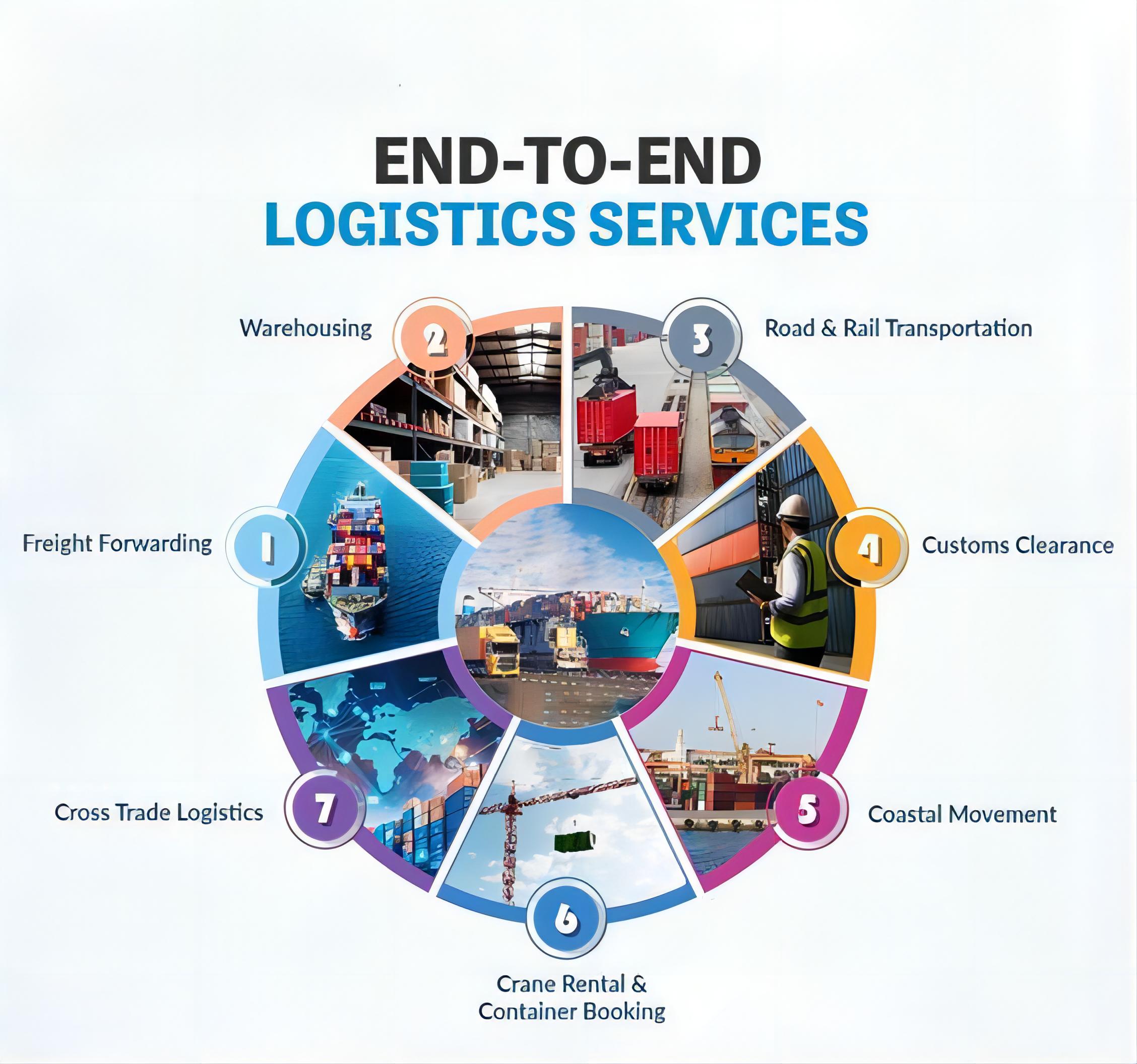
Successful international freight requires meticulous attention to customs procedures and documentation. Each country along the rail route has its own regulations. Therefore, proper preparation is essential to avoid delays and additional costs.
Working with an experienced customs brokerage service is highly recommended. They can manage all necessary paperwork, including commercial invoices, packing lists, and certificates of origin. This expertise ensures smooth transitions at borders and compliance with all import regulations, streamlining your supply chain.
Optimizing Your Supply Chain with High-Speed Rail
Integrating China high-speed freight train services into your logistics strategy can significantly optimize your supply chain. It provides greater flexibility and resilience. Businesses can respond faster to market changes and reduce the risk of stockouts.
Considering multimodal transport options can further enhance efficiency. For example, combining rail with local truck delivery for last-mile delivery can create a robust and cost-effective system. This holistic approach to logistics trends ensures your cargo handling is efficient from start to finish.
The Future of Freight: Embracing China High-Speed Freight Train
In conclusion, the China high-speed freight train offers a powerful and increasingly popular solution for international shipping. It effectively bridges the gap between the cost-efficiency of sea freight and the speed of air freight. This makes it an invaluable asset for modern supply chains.
By understanding its benefits, costs, and operational nuances, businesses can leverage this service to gain a competitive edge. It ensures faster delivery, improved reliability, and a more sustainable logistics footprint. Consider integrating the China high-speed freight train into your strategy for enhanced performance.