

China International Freight: Your Ultimate Shipping Guide
Navigating China international freight can be a complex endeavor for businesses worldwide. Successfully importing goods from China requires a deep understanding of logistics, customs regulations, and various shipping methods. This comprehensive guide aims to simplify the process, offering insights and solutions for your global supply chain challenges.
What is China International Freight and Why is it Crucial?
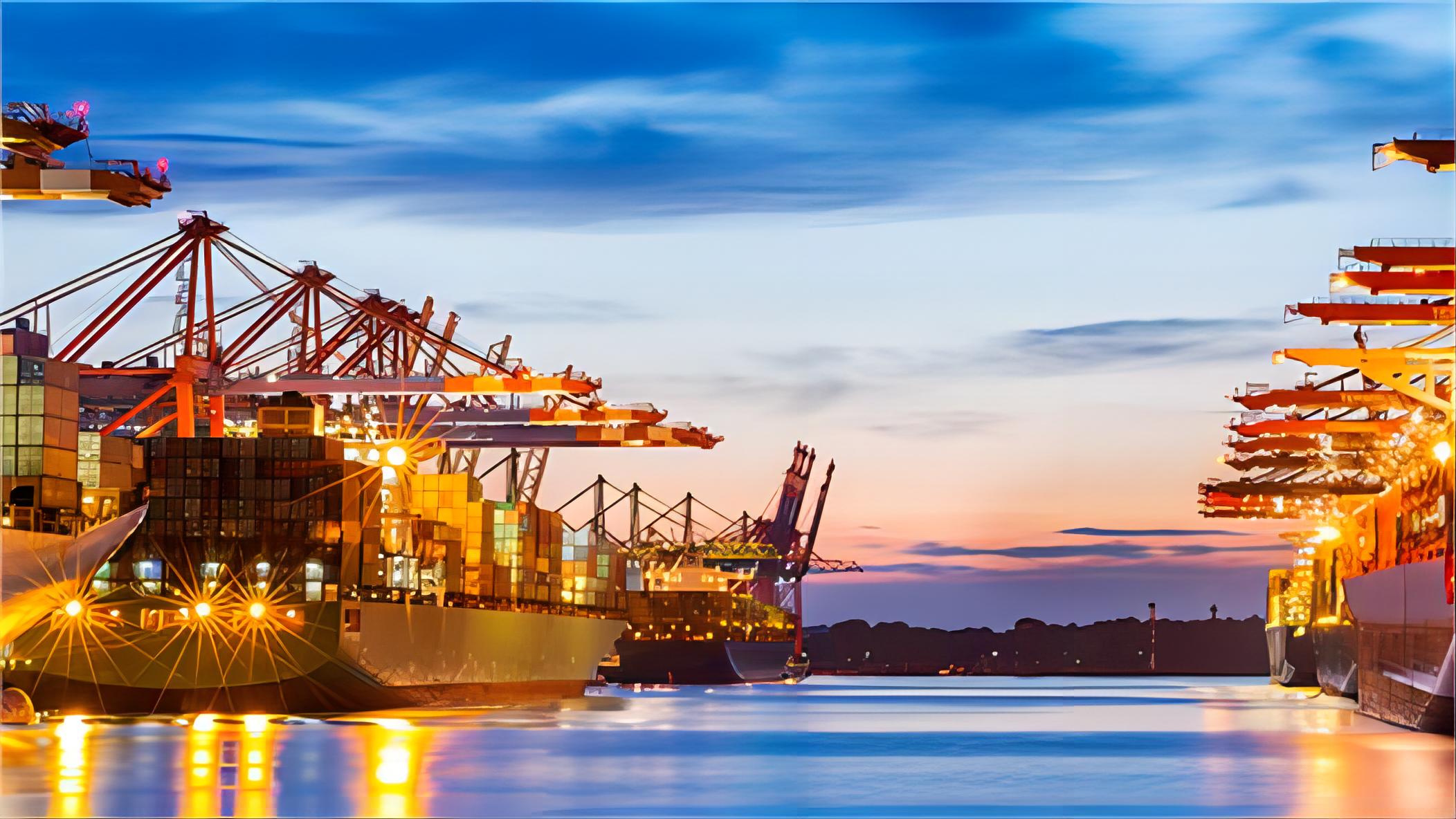
China international freight refers to the process of transporting goods from China to destinations across the globe. This encompasses various logistics services, including packaging, customs clearance, and final delivery. Consequently, effective freight management is fundamental for businesses engaged in global trade and sourcing products from China.
Indeed, the sheer volume of exports from China makes efficient international shipping solutions indispensable. Businesses rely on robust supply chains to ensure timely and cost-effective delivery of their products. Therefore, understanding the nuances of China’s logistics landscape is paramount for sustained success.
What are the Primary China International Freight Methods?
When shipping from China, several primary methods are available, each with distinct advantages and disadvantages. Choosing the right method depends heavily on factors like cargo type, urgency, and budget. Here, we outline the most common options for your china international freight needs.
Ultimately, selecting an appropriate shipping method is a critical decision that impacts your entire supply chain. Consider your specific requirements carefully before making a choice. Understanding these options helps in planning your imports from China more effectively.
| Shipping Method | Cost (Relative) | Transit Time (Days) | Best For | Limitations |
|---|---|---|---|---|
| Sea Freight | Low | 20-45 | Large volume, heavy, non-urgent goods | Slow, port congestion risk |
| Air Freight | High | 3-10 | Urgent, high-value, perishable goods | Expensive, volume/weight limits |
| Rail Freight | Medium | 15-25 | Mid-sized, time-sensitive to Europe/Asia | Limited routes, capacity constraints |
| Express Service | Very High | 2-7 | Small, urgent packages, samples | Very expensive for larger items |

Sea Freight from China
Sea freight remains the most economical option for large or heavy shipments from China. It is ideal for non-urgent goods and offers significant cost savings over other methods. However, transit times are considerably longer, typically ranging from 20 to 45 days, depending on the destination.
Moreover, sea freight offers flexibility with both Full Container Load (FCL) and Less than Container Load (LCL) options. For substantial volumes, FCL provides exclusive container use, while LCL consolidates smaller shipments. Learn more about sea freight solutions for your business.
Air Freight from China
For time-sensitive or high-value goods, air freight is undoubtedly the fastest shipping method from China. Although more expensive than sea freight, it drastically reduces transit times to typically 3-10 days. This speed can be crucial for fast-moving consumer goods or urgent inventory replenishment.
Furthermore, air cargo offers enhanced security and reliability, making it suitable for delicate or high-value items. It is often preferred for smaller, lighter shipments where speed is a primary concern. Explore our efficient air freight services for rapid deliveries.
Rail Freight from China
Rail freight presents a balanced option for shipping goods from China, particularly to Europe and Central Asia. It offers a middle ground between the cost-effectiveness of sea freight and the speed of air freight. Transit times usually range from 15 to 25 days.
In addition, rail freight is often more environmentally friendly than air transport and less susceptible to weather delays than sea shipping. It is an excellent choice for businesses seeking a reliable and moderately fast solution. Discover the benefits of rail freight for your European bound cargo.
What Factors Affect China International Freight Costs and Transit Times?
Several critical factors significantly influence the overall cost and delivery schedule of your china international freight. Understanding these elements allows businesses to better budget and plan their imports. Market volatility, for instance, plays a substantial role.
As of Q1 2025, freight rates from China to Europe have stabilized somewhat after the significant disruptions caused by the 2024 Red Sea situation. However, various surcharges and seasonal patterns continue to impact pricing. For example, rates typically increase 15-25% during the August-October peak season.
Indeed, cargo dimensions, weight, and density directly determine shipping costs, especially for air and LCL sea freight. Additionally, the chosen Incoterms (e.g., FOB, EXW, CIF) dictate where responsibility and costs transfer between buyer and seller. Destination charges, including customs duties and taxes, also contribute to the total landed cost.
Which Essential Services Streamline China International Freight?
Beyond selecting the right transport method, several specialized services are vital for seamless China international freight operations. These services help navigate complex regulations and ensure smooth delivery. Utilizing these can significantly reduce potential delays and costs.
Furthermore, an integrated approach to logistics ensures that all aspects of your shipment are managed efficiently. From factory gate to final destination, professional services simplify the entire process. This comprehensive management is especially beneficial for complex supply chains.
Customs Brokerage
Navigating Chinese and destination country customs regulations can be daunting for importers. A professional customs brokerage service ensures compliance, handles documentation, and expedites clearance. This prevents costly delays and potential penalties, safeguarding your supply chain integrity.
Consequently, an experienced customs broker is invaluable for accurate tariff classification and duty optimization. They manage all necessary declarations and permits, ensuring your goods move smoothly across borders. This expertise is critical for avoiding common import pitfalls.
Amazon FBA Shipping
E-commerce sellers leveraging Amazon FBA require specialized shipping solutions from China directly to Amazon’s fulfillment centers. These services understand FBA prep requirements, labeling, and delivery appointments. Therefore, choosing a partner experienced in Amazon FBA logistics is crucial.
Indeed, proper FBA shipping ensures your products arrive compliant and ready for sale, avoiding costly chargebacks or delays. This specialized approach streamlines the supply chain for Amazon sellers. It helps maintain inventory levels and supports consistent sales performance.
Real-World China International Freight Case Studies
To illustrate the practical application of china international freight strategies, let’s examine a few real-world scenarios. These examples highlight how different shipping methods and services can be optimized for specific cargo and routes. Understanding these cases can inform your own logistics decisions.
These case studies, based on typical rates as of early 2025, offer insights into cost breakdowns and timelines. Note: Freight rates are subject to change based on fuel costs, carrier capacity, and seasonal demand. Always contact us for a current quote tailored to your specific shipment.
Case Study 1: Large Volume Sea Freight to Europe
Key Insight: Opting for FCL sea freight significantly reduced per-unit costs for this large, non-urgent shipment. Despite a longer transit time, the overall budget savings were substantial, making it the ideal choice for bulk inventory replenishment.
| Detail | Description |
|---|---|
| Route | Ningbo, China -> Hamburg, Germany |
| Cargo | Furniture components, 58 CBM, 10,500 kg |
| Container | 40HQ FCL |
| Carrier/Service | Major carrier (e.g., COSCO) |
| Port of Loading | Ningbo |
| Port of Discharge | Hamburg |
| Route Type | Direct |
| Ocean Freight | $3,850 |
| Origin Charges | $450 |
| Destination Charges | $600 |
| Customs & Duties (estimated) | $1,200 |
| Total Landed Cost | $6,100 |
| Booking to Loading | 5 days |
| Sea Transit | 32 days |
| Customs Clearance | 3 days |
| Total Door-to-Door | 40 days |
Case Study 2: Time-Sensitive Air Freight to North America
Key Insight: Air freight was crucial for meeting a tight product launch deadline, despite the higher cost. The speed and reliability of air cargo ensured the product reached the market on time, maximizing initial sales opportunities.
| Detail | Description |
|---|---|
| Route | Shanghai, China -> Los Angeles, USA |
| Cargo | Consumer electronics, 3.2 CBM, 450 kg |
| Container | Air Cargo (Volumetric weight: 533 kg) |
| Carrier/Service | Major airline (e.g., China Cargo) |
| Port of Loading | Shanghai PVG |
| Port of Discharge | Los Angeles LAX |
| Route Type | Direct |
| Air Freight | $3,200 |
| Origin Charges | $280 |
| Destination Charges | $350 |
| Customs & Duties (estimated) | $500 |
| Total Landed Cost | $4,330 |
| Booking to Loading | 2 days |
| Air Transit | 5 days |
| Customs Clearance | 2 days |
| Total Door-to-Door | 9 days |
Case Study 3: Cost-Effective Rail Freight to Central Europe
Key Insight: Rail freight provided an excellent balance of speed and cost for this regular shipment to an inland European destination. It offered a significant time advantage over sea freight at a more manageable cost than air cargo, ideal for consistent stock replenishment.
| Detail | Description |
|---|---|
| Route | Chongqing, China -> Warsaw, Poland |
| Cargo | Automotive parts, 18 CBM, 3,000 kg |
| Container | 20GP FCL |
| Carrier/Service | China-Europe Railway Express |
| Port of Loading | Chongqing |
| Port of Discharge | Małaszewicze (Poland) |
| Route Type | Direct Rail |
| Rail Freight | $6,500 |
| Origin Charges | $380 |
| Destination Charges | $550 |
| Customs & Duties (estimated) | $900 |
| Total Landed Cost | $8,330 |
| Booking to Loading | 4 days |
| Rail Transit | 18 days |
| Customs Clearance | 2 days |
| Total Door-to-Door | 24 days |
How to Choose Your China International Freight Solution?
Selecting the optimal china international freight method requires a structured decision-making process. Consider your priorities carefully to align logistics with business goals. This strategic approach ensures efficiency and cost-effectiveness for your imports.
Indeed, a comprehensive evaluation of various factors helps in making informed choices. Weighing trade-offs between speed, cost, and cargo requirements is essential. This framework guides you towards the most suitable shipping strategy.
Decision Framework for China Freight
Budget Priority: If minimizing costs is paramount, sea freight (LCL for smaller, FCL for larger volumes) is generally the most economical choice. However, be prepared for longer transit times.
Speed Priority: For urgent shipments, air freight or express services are indispensable. The higher cost is justified by rapid delivery, crucial for fast-moving inventory or time-sensitive projects.
Cargo Type Considerations: Perishable goods, dangerous materials, or oversized items often have specific handling and transport requirements. These factors may limit available shipping options, necessitating specialized solutions.
Volume Thresholds: Small parcels are best suited for express. Shipments under 15 CBM might be more economical via LCL, while anything larger generally warrants FCL or dedicated air cargo. Consider these thresholds for cost optimization.
Alternative Strategies and Hybrid Solutions
Consider hybrid solutions like sea-air freight for a balance of speed and cost for specific routes. This involves sea transport for the initial long haul, followed by air freight for the final, more urgent leg. It offers a viable compromise.
Furthermore, for cost-saving strategies, explore consolidation services to combine multiple smaller shipments into one larger, more economical load. This reduces per-unit shipping expenses significantly. Always discuss these options with your freight forwarder.

Why Partner with a Professional China Freight Forwarder?
Engaging a professional freight forwarder, such as China Top Freight, significantly simplifies the complexities of china international freight. Their expertise and global network provide invaluable support. This partnership ensures smooth and efficient logistics operations.
Moreover, a reputable freight forwarder handles everything from documentation to customs clearance and multimodal transport coordination. They offer tailored solutions, proactively manage potential issues, and provide transparent tracking. This comprehensive service allows you to focus on your core business.
Conclusion: Mastering Your China International Freight
Navigating <a href=”https://chinatopfreight.com/”>china international freight</a> demands strategic planning and an understanding of diverse logistics options. By carefully evaluating methods, costs, and timelines, businesses can ensure efficient supply chain management. This proactive approach minimizes risks and optimizes overall operational expenses.
Ultimately, partnering with an experienced freight forwarder is crucial for successful global trade from China. They provide the necessary expertise, resources, and insights to overcome logistical challenges. Choose a reliable partner to streamline your imports and enhance your competitive edge.
Need a tailored shipping solution?
Ready to optimize your china international freight operations? Contact China Top Freight today for a personalized consultation and a competitive quote. Our experts are prepared to assist you with seamless, efficient, and cost-effective shipping solutions tailored to your unique business needs.