20GP FCL Freight Rate for Lighting from China to Long Beach: Your Comprehensive Guide
Navigating the complexities of international shipping is crucial for businesses importing goods. This guide specifically addresses the 20GP FCL freight rate for lighting from China to Long Beach, offering essential insights for your supply chain. Optimizing your shipping strategy can significantly impact your bottom line, ensuring your delicate lighting products arrive safely and on schedule. Learn more about efficient global logistics at China Top Freight.
What is a 20GP FCL and Why is it Ideal for Lighting Shipments?
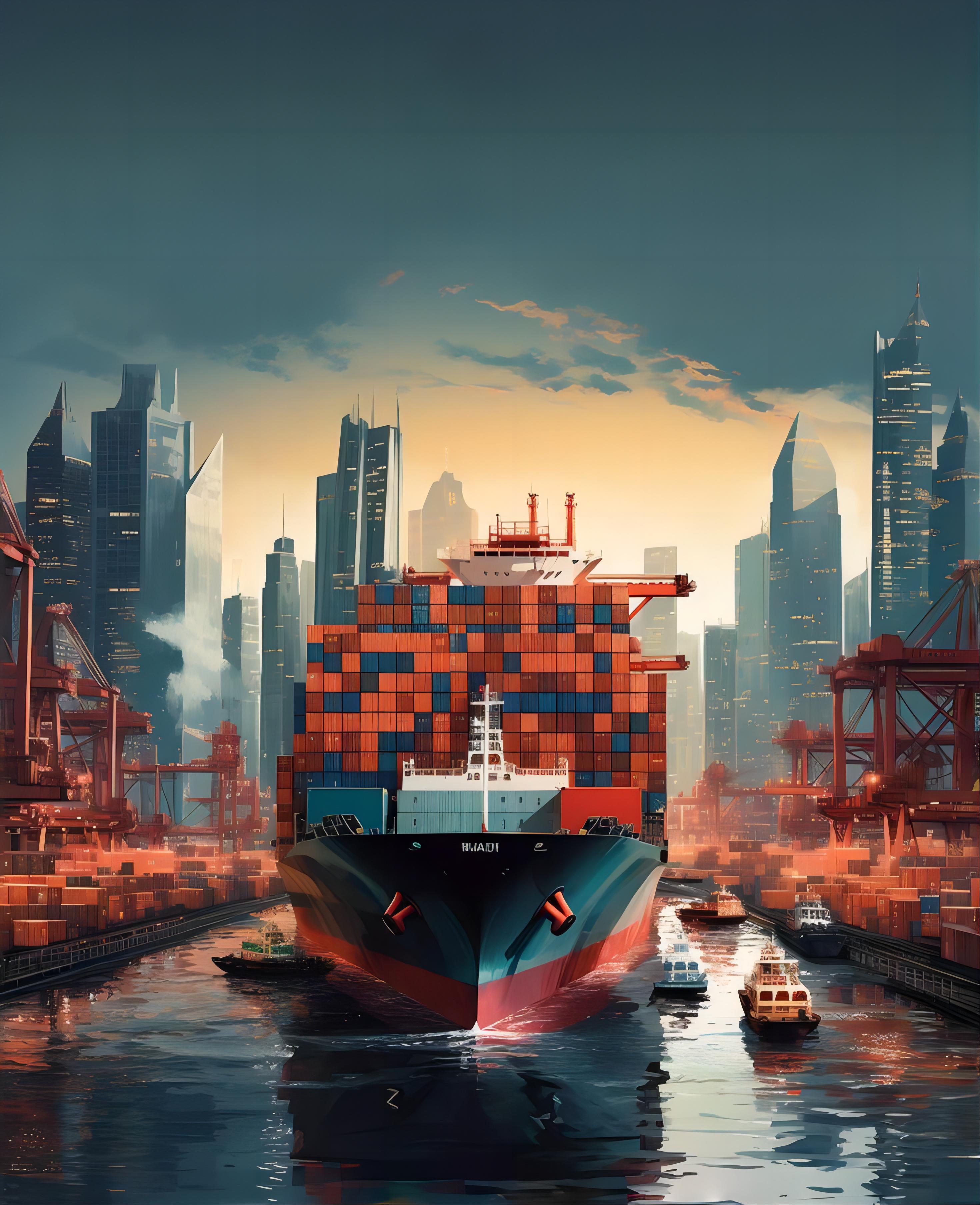
A 20GP FCL refers to a 20-foot General Purpose Full Container Load. This means you are booking an entire container for your cargo, regardless of whether it’s completely filled. For lighting products, especially delicate or high-value fixtures, FCL shipping offers several advantages.
Firstly, it provides dedicated space, minimizing handling and reducing the risk of damage compared to LCL (Less than Container Load) shipments. Moreover, it offers better control over transit times and often proves more cost-effective for larger volumes of lighting goods. Understanding the specific requirements for your cargo is paramount for a smooth import process.
Understanding the 20GP FCL Freight Rate for Lighting from China to Long Beach
The 20GP FCL freight rate for lighting from China to Long Beach is influenced by numerous factors, making it a dynamic figure. These include the origin port in China (e.g., Shanghai, Ningbo, Shenzhen), the specific carrier, current fuel surcharges (Bunker Adjustment Factor – BAF), and seasonal demand.
Consequently, rates can fluctuate significantly throughout the year. For instance, peak seasons like before Chinese New Year or during Q3/Q4 often see higher rates due to increased shipping volume. It is therefore crucial to obtain up-to-date quotes when planning your sea freight shipment. Typical rates as of early 2025 for a 20GP container from China to the USA West Coast range from $1,500 to $2,200 for the ocean freight component alone.
Key Factors Influencing Your Shipping Costs for Lighting Products
Several elements contribute to the total cost of importing lighting from China to Long Beach beyond the base ocean freight. Understanding these components is essential for accurate budgeting and avoiding unexpected expenses. Each factor plays a vital role in determining your overall door-to-door landed cost.
Furthermore, considering these aspects helps in optimizing your supply chain and negotiating better terms with suppliers and freight forwarders. Careful planning around these costs is a hallmark of efficient import/export operations.
| Cost Component | Description | Impact on Rate | Estimated Range |
|---|---|---|---|
| Ocean Freight | Base cost for transporting the container by sea. | Major component, fluctuates with market. | $1,500 – $2,200 (20GP, China-USA West) |
| Origin Charges | Terminal Handling Charges (THC), documentation, customs declaration at origin. | Fixed per container, varies by port. | $200 – $400 |
| Destination Charges | THC, drayage (trucking from port to warehouse), chassis fees at Long Beach. | Fixed per container, varies by port/distance. | $400 – $800 |
| Customs Duties & Taxes | Tariffs and import taxes based on HS code of lighting products. | Variable, depends on product type and value. | 5% – 25% of cargo value (estimated) |
| Insurance | Cargo insurance to protect against loss or damage during transit. | Small percentage of cargo value. | 0.1% – 0.5% of cargo value |

Transit Time and Delivery Schedule for Lighting Shipments to Long Beach
The transit time for a 20GP FCL from major Chinese ports to Long Beach typically ranges from 14 to 18 days for direct services. However, this is just the port-to-port journey. The total delivery schedule needs to account for various pre- and post-ocean transport stages.
Additionally, factors like port congestion at Long Beach, customs clearance procedures, and last-mile delivery can significantly extend the overall timeline. Therefore, planning with sufficient buffer time is always recommended to ensure timely arrival of your lighting products. Effective customs brokerage can expedite this process.
| Stage | Estimated Duration | Considerations |
|---|---|---|
| Booking to Loading | 3-7 days | Booking confirmation, container pick-up, factory loading. |
| Ocean Transit (Port-to-Port) | 14-18 days | Direct service; transshipment adds 5-10 days. |
| Port Unloading & Release | 3-7 days | Container offloading, terminal processing, drayage arrangement. |
| Customs Clearance | 1-5 days | Depends on documentation accuracy and inspection likelihood. |
| Last-Mile Delivery | 1-3 days | Distance from Long Beach port to final warehouse/destination. |
How Does FCL Compare to Other Shipping Options for Lighting?
While FCL is often preferred for larger volumes of lighting, it’s beneficial to compare it with other shipping methods to determine the most suitable option for your specific needs. Each method presents a unique balance of cost, speed, and cargo handling characteristics. Considering alternatives can optimize your logistics trends and overall supply chain strategy.
Moreover, understanding these trade-offs helps businesses make informed decisions, especially when dealing with varying order sizes or urgent delivery schedules. This comparison focuses on viable options for shipping from China to the USA.
| Shipping Method | Cost Range (20GP Equivalent) | Transit Time | Best For | Limitations |
|---|---|---|---|---|
| FCL Sea Freight | $1,500 – $2,200 (ocean) | 14-18 days (port-to-port) | Large volumes, heavy cargo, cost-efficiency, delicate items (dedicated space). | Slowest option, port congestion risk. |
| LCL Sea Freight | $50 – $120 per CBM | 20-30 days (port-to-port) | Small to medium volumes (under 15 CBM), budget-conscious. | More handling, longer transit, higher risk of damage/delays. |
| Air Freight | $5 – $10 per kg | 3-7 days (door-to-door) | Urgent shipments, high-value small items, samples. | Very expensive, weight/volume restrictions, not suitable for bulk lighting. |
| Express Service | $8 – $15 per kg | 2-5 days (door-to-door) | Samples, prototypes, very urgent small parcels. | Highest cost, strict weight/dimension limits. |
Optimizing Your Supply Chain and Cost-Saving Strategies
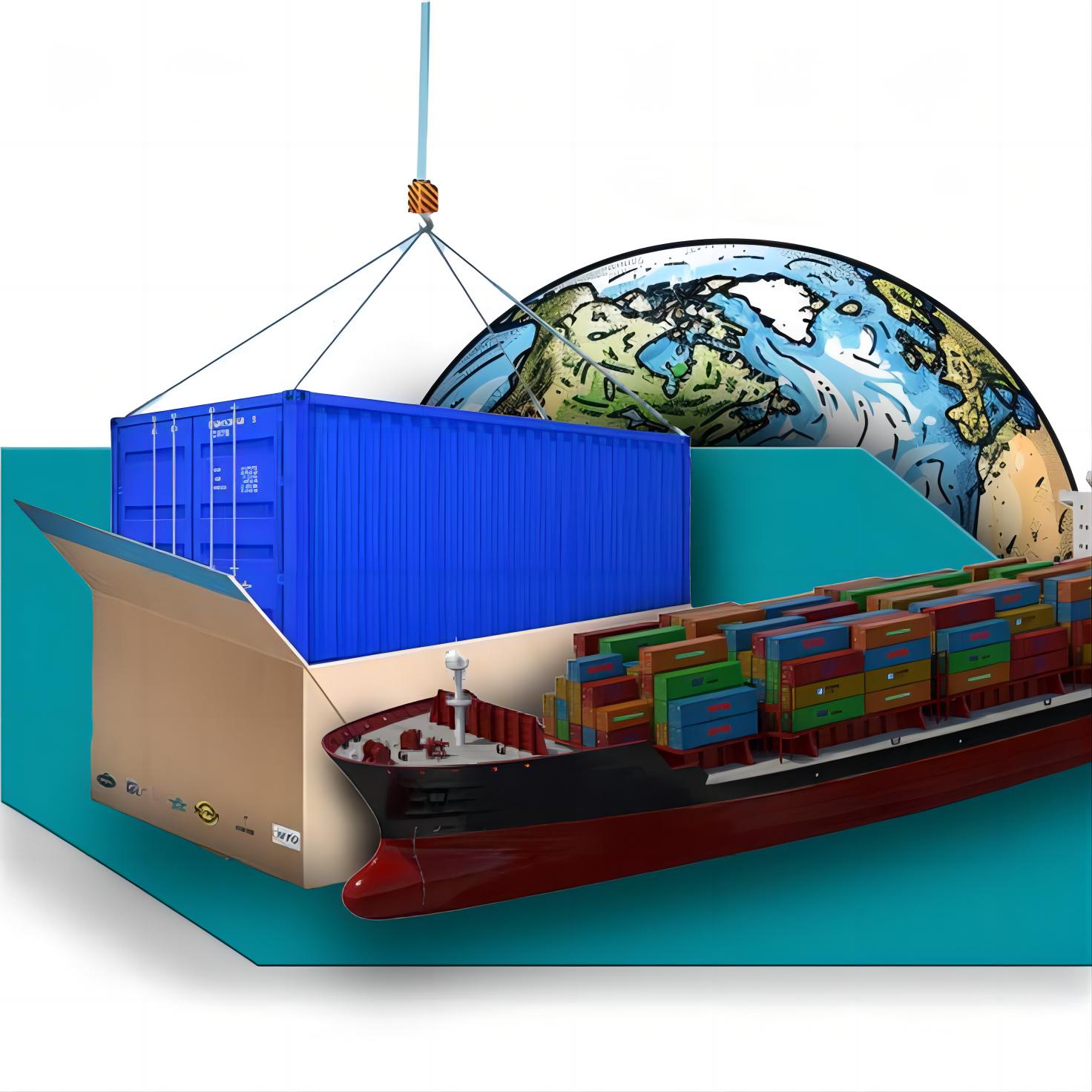
To effectively manage the 20GP FCL freight rate for lighting from China to Long Beach, implementing smart supply chain strategies is crucial. This involves more than just finding the cheapest freight rate; it encompasses overall efficiency and risk mitigation. Furthermore, proactive planning can significantly reduce total shipping costs.
Additionally, businesses should consider various approaches to optimize their logistics, from choosing the right Incoterms to leveraging technology for better tracking and communication. These strategies collectively contribute to a more robust and economical import process for your lighting products.
Which Option Should You Choose?
Selecting the best shipping method depends entirely on your priorities and cargo characteristics. A clear decision framework can guide your choices.
For instance, if budget is your primary concern and you have large volumes of durable lighting, FCL sea freight is almost always the most economical choice. Conversely, if speed is paramount for a new product launch or urgent replenishment, air freight, despite its higher cost, becomes indispensable. Consider your inventory turnover and desired delivery schedule carefully.
| Priority | Recommendation | Considerations |
|---|---|---|
| Budget | FCL Sea Freight | Longer transit, suitable for non-urgent, high-volume orders. |
| Speed | Air Freight / Express Service | Higher cost, ideal for urgent, high-value, or time-sensitive lighting. |
| Cargo Type (Delicate) | FCL Sea Freight | Dedicated container minimizes handling and damage risk. |
| Volume (Small, under 15 CBM) | LCL Sea Freight | Cost-effective for smaller shipments, but slower and more handling. |
| Volume (Large, 15+ CBM) | FCL Sea Freight | Most economical per unit, faster than LCL for larger volumes. |
Alternative Approaches and Hybrid Solutions
Sometimes, a single shipping method isn’t the optimal solution. Hybrid approaches, such as combining sea and air freight, can offer a balanced solution. For example, ‘sea-air’ involves shipping by sea to a hub (like Dubai or Incheon) and then by air to the final destination. This can be faster than pure sea freight and cheaper than pure air freight, suitable for moderately urgent lighting components.
Moreover, consider consolidating multiple smaller orders into a single FCL shipment if you have various suppliers in China. This can reduce per-unit shipping costs significantly. Partnering with a freight forwarder that offers Amazon FBA services can also streamline your last-mile logistics if you sell on that platform. Always explore options like direct vs. transshipment routes; direct routes are 10-15% more expensive but save 5-7 days. For very small, urgent shipments, consider an express service.
Real-World Case Studies: 20GP FCL Lighting Shipments to Long Beach
Examining real-world scenarios provides practical insights into the complexities and costs associated with shipping lighting products. These case studies illustrate typical challenges and successful strategies for managing the 20GP FCL freight rate for lighting from China to Long Beach. They highlight the importance of detailed planning and professional logistics support.
Based on current market rates and industry benchmarks, these examples offer a realistic perspective on what to expect. Note: Freight rates are subject to change based on fuel costs, carrier capacity, and seasonal demand. Always contact us for a current quote tailored to your specific shipment.
Case Study 1: Large Volume of Standard LED Panels
This case involves a US distributor importing a full container of standard LED panels. The focus was on cost-effectiveness and reliable transit.
| Detail | Description | ||||
|---|---|---|---|---|---|
| Route | Shanghai, China Long Beach, USA | ||||
| Cargo | LED Panels, 28 CBM, 12,000 kg | ||||
| Container | 20GP FCL | ||||
| Shipping Details | Carrier: COSCO, Port of Loading: Shanghai, Port of Discharge: Long Beach, Route Type: Direct | ||||
| Cost Breakdown | Ocean Freight: $1,850 | Origin Charges: $320 | Destination Charges: $650 | Customs & Duties (estimated): $1,500 | Total Landed Cost: $4,320 |
| Timeline | Booking to Loading: 5 days | Sea Transit: 16 days | Customs Clearance: 3 days | Total Door-to-Door: 28 days | |
| Key Insight | Smooth customs clearance due to accurate documentation; slight delay at Long Beach due to peak season congestion (Q3 2024 rates). |
Case Study 2: Delicate Architectural Lighting Fixtures
A design firm needed to import custom architectural lighting, emphasizing secure handling and minimized transit risk.
| Detail | Description | ||||
|---|---|---|---|---|---|
| Route | Shenzhen, China Long Beach, USA | ||||
| Cargo | Architectural Lighting Fixtures, 22 CBM, 9,500 kg | ||||
| Container | 20GP FCL | ||||
| Shipping Details | Carrier: Maersk, Port of Loading: Shenzhen, Port of Discharge: Long Beach, Route Type: Direct | ||||
| Cost Breakdown | Ocean Freight: $2,000 | Origin Charges: $350 | Destination Charges: $700 | Customs & Duties (estimated): $2,200 | Total Landed Cost: $5,250 |
| Timeline | Booking to Loading: 6 days | Sea Transit: 15 days | Customs Clearance: 2 days | Total Door-to-Door: 26 days | |
| Key Insight | Utilized specialized crating and FCL to ensure zero damage; slightly higher ocean freight for premium carrier service. Based on Q1 2025 market rates. |
Case Study 3: Mixed Lighting Components and Accessories
This example involves an importer consolidating various lighting components from multiple suppliers into one container for efficiency.
| Detail | Description | ||||
|---|---|---|---|---|---|
| Route | Ningbo, China Long Beach, USA | ||||
| Cargo | Mixed Lighting Components & Accessories, 25 CBM, 10,500 kg | ||||
| Container | 20GP FCL | ||||
| Shipping Details | Carrier: Evergreen, Port of Loading: Ningbo, Port of Discharge: Long Beach, Route Type: Direct | ||||
| Cost Breakdown | Ocean Freight: $1,900 | Origin Charges: $300 | Destination Charges: $680 | Customs & Duties (estimated): $1,800 | Total Landed Cost: $4,680 |
| Timeline | Booking to Loading: 7 days | Sea Transit: 17 days | Customs Clearance: 4 days | Total Door-to-Door: 30 days | |
| Key Insight | Consolidation saved significant LCL costs; minor customs delay due to varied HS codes requiring more detailed scrutiny. Typical rates as of late 2024. |
Navigating Customs, Documentation, and Regulations for Lighting Imports
Importing lighting products into the USA involves strict adherence to customs regulations and proper documentation. Mishandling these aspects can lead to significant delays and penalties. Therefore, understanding the requirements is paramount for a smooth import process.
Furthermore, specific certifications for lighting, such as UL Listing or CE marking, might be required depending on the product type and intended use. Partnering with experienced logistics providers is highly recommended to ensure compliance and expedite clearance.
| Document | Purpose | Key Information |
|---|---|---|
| Commercial Invoice | Details of goods, value, seller, buyer. | HS codes, Incoterms, currency, payment terms. |
| Packing List | Itemizes contents of each package. | Number of packages, weight, dimensions, marks. |
| Bill of Lading (B/L) | Contract between shipper and carrier, title to goods. | Shipper, consignee, notify party, port details, container number. |
| Certificate of Origin | Proves country where goods were manufactured. | May affect duties under trade agreements. |
| Import License/Permit | Required for certain regulated goods. | Rare for standard lighting but check specific product types. |
| FCC/UL Certification | Compliance for electronic/electrical products. | Essential for many lighting products sold in the USA. |
Final Thoughts on Your 20GP FCL Freight Rate for Lighting
Securing an optimal 20GP FCL freight rate for lighting from China to Long Beach requires a thorough understanding of market dynamics, cost components, and efficient supply chain strategies. By carefully considering all factors—from ocean freight to customs and last-mile delivery—importers can make informed decisions that benefit their bottom line.
Moreover, leveraging expert logistics partners and exploring alternative shipping solutions ensures flexibility and resilience in an ever-changing global trade landscape. Ultimately, proactive planning and attention to detail are key to successful and cost-effective lighting imports.
Start Your Shipment
Ready to get a precise 20GP FCL freight rate for lighting from China to Long Beach? Contact China Top Freight today for a personalized quote and expert guidance on your next shipment. Our team is here to streamline your logistics and ensure a seamless import experience.
Request Quote