

40HQ FCL Detention Prevention for Lighting from China to Georgia
Shipping 40HQ FCL containers of lighting from China to Georgia demands meticulous planning to avoid costly delays. Importers frequently face unexpected expenses, particularly detention charges, which erode profit margins. This comprehensive guide from China Top Freight provides actionable strategies to ensure smooth logistics and prevent these common pitfalls.
Understanding 40HQ FCL Detention Charges and Why They Matter
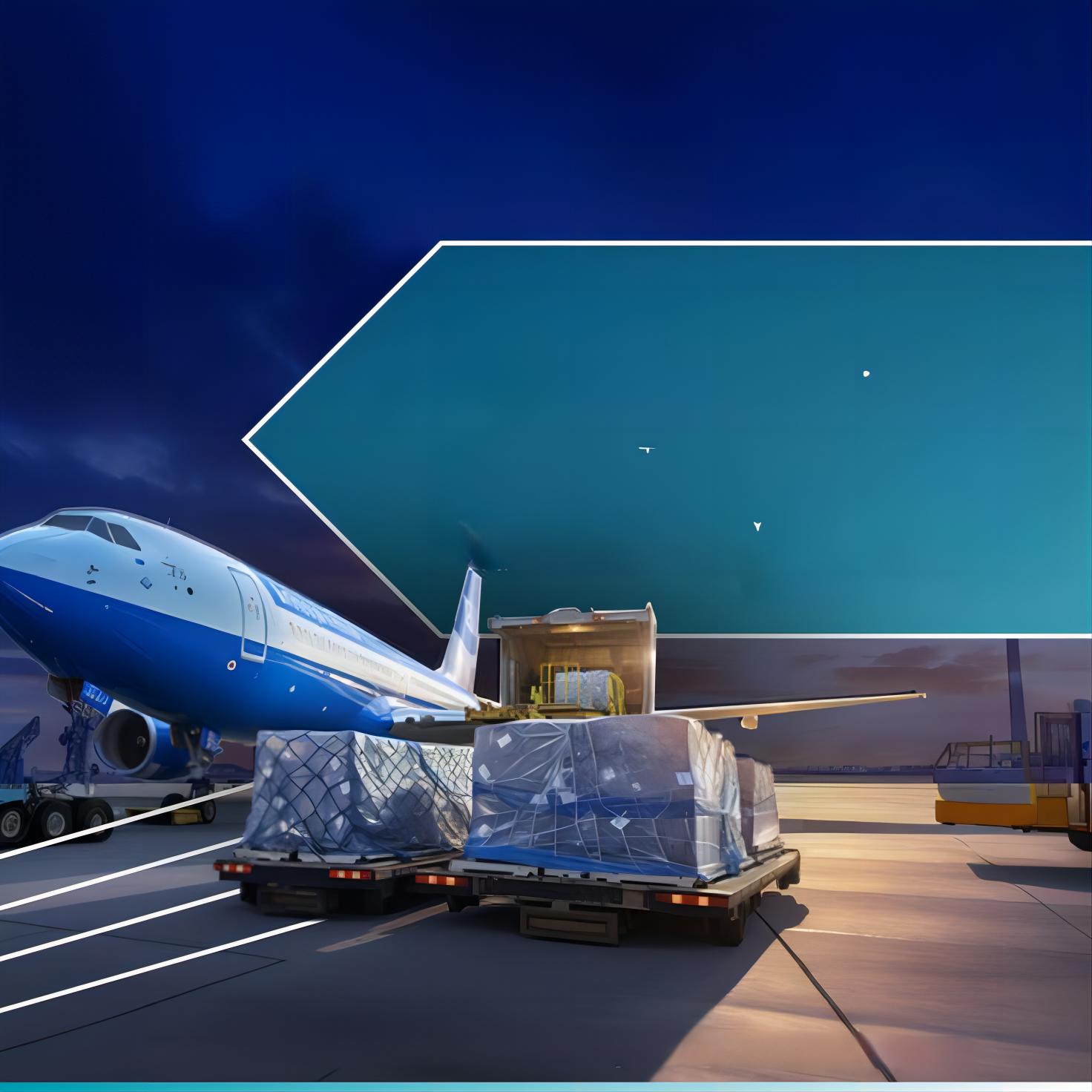
Detention charges represent penalties incurred when a consignee holds a shipping container beyond the allotted free time at the destination port or terminal. These charges are levied by the shipping line and can quickly accumulate, significantly increasing your overall sea freight costs. For lighting manufacturers and distributors, understanding these fees is crucial for maintaining profitability.
Typically, free time for 40HQ FCL containers ranges from 3 to 7 days, depending on the carrier and destination. Once this period expires, daily charges apply until the container is returned empty to the carrier’s depot. Therefore, proactive management of your logistics chain is essential to avoid these unexpected expenses for your lighting shipments to Georgia.
Key Factors Contributing to Detention for Lighting Shipments to Georgia
Several common issues can lead to container detention when importing lighting from China to Georgia. Firstly, incomplete or inaccurate documentation often causes significant delays during customs clearance. Without proper paperwork, your cargo can be held indefinitely at the port, triggering daily detention fees.
Secondly, port congestion and inefficient drayage services at Georgian ports, such as Poti or Batumi, can also extend container dwell times. Furthermore, a lack of coordination between the consignee, customs broker, and trucking company frequently results in containers sitting idle. Managing these elements is vital for efficient customs brokerage.
Finally, unexpected issues like cargo inspection, late payment of duties, or even weekend/holiday closures can consume valuable free time. Therefore, meticulous planning and communication are paramount to successfully navigate these potential hurdles when shipping lighting fixtures to Georgia.
Proactive Strategies for 40HQ FCL Detention Prevention
Preventing 40HQ FCL detention for your lighting imports requires a multi-faceted approach, focusing on preparation, communication, and efficient execution. Implementing these strategies will help streamline your supply chain and reduce the risk of incurring avoidable charges.
By addressing potential bottlenecks before they arise, you can ensure a smoother and more cost-effective shipping process. Moreover, these proactive measures contribute significantly to overall supply chain efficiency China-Georgia, benefiting your business in the long run.
Optimizing Documentation and Customs Clearance
Ensuring all required import documents are accurate and submitted promptly is perhaps the most critical step. This includes the Bill of Lading, commercial invoice, packing list, certificate of origin, and any product-specific certifications for lighting. Any discrepancies can lead to significant delays.
Additionally, working with a reputable customs broker in Georgia who possesses local expertise can greatly expedite the clearance process. They can pre-clear shipments and advise on specific import duties on lighting Georgia, minimizing last-minute issues. Prepare all necessary documents well in advance of the vessel’s arrival.
Efficient Port Operations and Drayage
Coordinating drayage services immediately upon vessel arrival is essential. This means having a trucking company ready to pick up the container as soon as it clears customs. Delays in arranging transportation are a frequent cause of container demurrage charges.
Furthermore, consider pre-booking unloading slots at your warehouse in Georgia. This ensures that once the container arrives, it can be promptly unloaded and returned to the port. Managing port congestion effectively requires strong local partnerships and clear communication with all parties involved.
Carrier Selection and Contract Negotiation
Choosing the right shipping line is also a vital strategy. Some carriers offer more generous free time allowances or more flexible terms, which can be beneficial for complex shipments. Always inquire about the standard free time and any possibility of negotiating extended periods, especially for high-volume routes.
Moreover, review your contracts carefully to understand all terms related to demurrage and detention. Knowing the specific conditions and rates beforehand allows for better financial planning and risk mitigation, particularly when optimizing FCL shipments.
How Does Sea Freight Compare to Other Shipping Options?
While sea freight is the default for 40HQ FCL shipments of lighting due to its cost-effectiveness, it’s important to understand alternative shipping methods. Each option presents unique trade-offs concerning cost, speed, and suitability for different cargo types. This comparison helps in making informed decisions for your logistics planning for importers.
For instance, urgent smaller consignments of lighting components might benefit from faster methods, whereas bulk door-to-door services are best suited for FCL ocean transport. Analyzing these options helps in reducing transit times and preventing unexpected shipping costs.
| Shipping Method | Cost Range (40HQ FCL equivalent) | Transit Time (China to Georgia) | Best For | Limitations |
|---|---|---|---|---|
| Sea Freight (FCL) | $3,500 – $5,500 | 30-45 days | Large volumes of lighting, cost-sensitive, non-urgent | Long transit times, port congestion risk, detention charges |
| Rail Freight (FCL) | $7,000 – $10,000 | 18-25 days | Medium-large volumes, faster than sea, less urgent than air | Higher cost than sea, limited terminal options, potential border delays |
| Air Freight (LCL/Pallet) | $15,000 – $25,000 (equivalent volume) | 5-10 days | Urgent, high-value, small batches of lighting | Extremely high cost, not feasible for 40HQ FCL volume, weight restrictions |
| Sea-Air Hybrid | $8,000 – $15,000 | 15-20 days | Balance of speed and cost for specific scenarios | Complex coordination, transshipment risks, typically LCL |
Which Option Should You Choose for Your Lighting Imports?
Selecting the optimal shipping method for your lighting products from China to Georgia depends on several critical factors. Evaluating your priorities, such as budget, urgency, and cargo characteristics, will guide your decision. This framework helps in making the most cost-effective FCL shipping choice.
Consider these scenarios to determine the best approach for your specific needs. Understanding these trade-offs is crucial for effective logistics trends management and overall supply chain resilience.
Budget Priority
If cost is your primary concern and you have ample lead time, sea freight (FCL) remains the most economical choice for 40HQ containers of lighting. This method offers the lowest per-unit shipping cost, making it ideal for large, regular orders. Focus on optimizing container loading and minimizing detention risks to maximize savings.
Speed Priority
For urgent shipments or new product launches where speed is paramount, air freight is unmatched, despite its higher cost. While a 40HQ FCL by air is impractical, critical components or samples can be flown. For slightly less urgent but faster than sea options, consider rail freight, which offers a good balance of speed and cost for larger volumes.
Cargo Type and Volume Considerations
For standard lighting fixtures in large quantities, 40HQ FCL sea freight is almost always the go-to. However, for fragile, high-value, or time-sensitive lighting electronics, air freight might be justified for smaller batches. Rail freight is an excellent middle-ground for bulk cargo that needs faster delivery than sea but isn’t critical enough for air. This helps in managing port congestion more effectively.
Real-World Case Studies: Successful Lighting Shipments to Georgia
Examining real-world examples helps illustrate effective strategies for 40HQ FCL detention prevention. These case studies highlight the importance of planning, communication, and robust logistics partnerships. They demonstrate how meticulous execution can lead to significant cost savings and improved delivery schedules.
Based on Q3 2024 market rates, these scenarios reflect typical challenges and successful resolutions when importing lighting from China to Georgia. Always remember that actual freight rates are subject to change based on fuel costs, carrier capacity, and seasonal demand. Contact us for a current quote tailored to your specific shipment.
Case Study 1: Large Volume LED Panel Shipment
This importer successfully managed a large order of LED panels, mitigating detention risks through early documentation and pre-arranged drayage. Their proactive approach ensured timely customs clearance and container return. This example showcases efficient cargo handling.
| Detail | Description |
|---|---|
| Route | Shenzhen, China -> Poti, Georgia |
| Cargo | LED Panels, 65 CBM, 9,500 kg |
| Container | 1 x 40HQ |
| Shipping Details | Carrier: COSCO, Port of Loading: Shenzhen, Port of Discharge: Poti, Route Type: Transshipment via Istanbul |
| Cost Breakdown (Est.) | Ocean Freight: $4,800; Origin Charges: $450; Destination Charges: $600; Customs & Duties (est.): $1,200; Total Landed Cost: $7,050 |
| Timeline | Booking to Loading: 7 days; Sea Transit: 35 days; Customs Clearance: 2 days; Total Door-to-Door: 45 days |
| Key Insight | Early submission of all documents and pre-booking drayage saved 3 days of potential detention. |
Case Study 2: Mixed Lighting Fixtures with Tight Deadline
Facing a tight deadline for a new construction project, this client prioritized speed by opting for a faster sea service with extended free time. Their collaboration with a robust freight forwarder China to Georgia proved invaluable. This strategy highlights effective logistics planning for importers.
| Detail | Description |
|---|---|
| Route | Ningbo, China -> Batumi, Georgia |
| Cargo | Commercial Lighting Fixtures, 60 CBM, 8,000 kg |
| Container | 1 x 40HQ |
| Shipping Details | Carrier: MSC, Port of Loading: Ningbo, Port of Discharge: Batumi, Route Type: Direct (limited availability) |
| Cost Breakdown (Est.) | Ocean Freight: $5,300; Origin Charges: $500; Destination Charges: $650; Customs & Duties (est.): $1,000; Total Landed Cost: $7,450 |
| Timeline | Booking to Loading: 10 days; Sea Transit: 30 days; Customs Clearance: 3 days; Total Door-to-Door: 43 days |
| Key Insight | Negotiated 7 days free time at destination, providing buffer for unforeseen delays, preventing unexpected shipping costs. |
Case Study 3: Small Batch of Specialized Lighting via Rail
For a specialized lighting component order that needed to arrive faster than sea freight but wasn’t critical enough for air, rail freight was chosen. This avoided port congestion and offered predictable transit times. The expedited shipping solutions proved effective for their supply chain efficiency China-Georgia.
| Detail | Description |
|---|---|
| Route | Chongqing, China -> Tbilisi, Georgia (via Poti Rail Terminal) |
| Cargo | Specialized Smart Lighting Components, 25 CBM, 3,500 kg |
| Container | 1 x 20GP (LCL equivalent for 40HQ discussion) |
| Shipping Details | Carrier: China-Europe Express Rail, Port of Loading: Chongqing, Destination: Tbilisi (via Poti), Route Type: Block Train |
| Cost Breakdown (Est.) | Rail Freight: $7,800; Terminal Charges: $700; Customs & Duties (est.): $800; Total Landed Cost: $9,300 |
| Timeline | Booking to Loading: 5 days; Rail Transit: 18 days; Customs Clearance: 2 days; Total Door-to-Door: 25 days |
| Key Insight | Faster transit time compared to sea, avoiding Black Sea port delays, ideal for time-sensitive components. |

Leveraging Technology and Logistics Partners for Prevention
Modern logistics solutions and strong partnerships are indispensable for preventing 40HQ FCL detention. Implementing advanced tracking systems provides real-time visibility into your shipment’s journey, allowing for proactive intervention. This transparency is crucial for managing port congestion and anticipating potential delays.
Collaborating with an experienced freight forwarder China to Georgia offers invaluable local insights and negotiation power. They can secure better free time terms, expedite customs processes, and arrange efficient drayage. Such partnerships are vital for optimizing FCL shipments and improving overall delivery schedule adherence.
Market Insights: Navigating Current Freight Dynamics
As of Q1 2025, global freight rates from China to Georgia have shown some stabilization after previous volatility, although regional disruptions can still impact transit times and costs. For example, Black Sea region geopolitical factors can influence vessel schedules and port operations. Therefore, staying informed about logistics trends is essential for importers.
Seasonal patterns also play a significant role; rates typically increase 15-25% during August-October peak season due to higher demand. Additionally, Chinese New Year closures can cause significant delays and rate spikes. Planning around these periods helps in securing better freight rates and avoiding last-minute surcharges. Based on current market rates, flexibility remains key.

Mastering 40HQ FCL Detention Prevention for Lighting Shipments
Effectively managing 40HQ FCL detention prevention for lighting from China to Georgia is crucial for any importer’s financial health and operational efficiency. By implementing proactive strategies, from meticulous documentation to strong logistics partnerships, you can significantly reduce unexpected costs and delays. A well-executed plan ensures your lighting products reach Georgia smoothly and on schedule.
Ultimately, investing in robust logistics planning and leveraging expert support will safeguard your supply chain. This approach not only prevents detention fees but also enhances overall efficiency and predictability, securing your competitive edge in the market.
Start Your Shipment
Ready to streamline your lighting imports and prevent costly detention charges? Partner with an expert freight forwarder. Contact us today for a personalized quote and discover how our tailored solutions can optimize your 40HQ FCL detention prevention for lighting from China to Georgia.
Request Quote