

China to UK Sea Freight Time: A Comprehensive Guide
“Shipping goods from China to the UK involves navigating various logistics. Understanding the precise China to UK sea freight time is crucial for effective supply chain management. Delays can impact inventory and customer satisfaction significantly. This guide provides detailed insights into transit times, costs, and factors influencing your shipment. We aim to help you make informed decisions for your international shipping needs.”
What Factors Influence China to UK Sea Freight Time?
❖Several critical elements dictate the overall China to UK sea freight time. These factors can significantly extend or shorten your delivery schedule. Understanding them helps in planning your imports effectively.
Firstly, the chosen shipping route plays a major role. Direct routes are faster but often pricier. Conversely, transshipment routes, involving multiple stops, increase transit duration but might offer cost savings.
Secondly, the specific carrier and service type impact speed. Premium services or carriers with fewer port calls generally provide quicker transit. However, these expedited options come with a higher cost.
Port congestion at both origin and destination ports is another major factor. Busy periods, labor shortages, or unforeseen events can cause significant delays. This directly affects how long your cargo waits for loading or unloading.
Moreover, customs clearance processes in both China and the UK are crucial. Any discrepancies in documentation or compliance issues can lead to substantial hold-ups. Proper preparation is essential for smooth progression.
Lastly, seasonal variations and peak shipping periods heavily influence transit times. Events like Chinese New Year, Golden Week, and the pre-holiday rush in Q4 often lead to increased demand and potential delays. Planning ahead for these times is always advisable.
Typical China to UK Sea Freight Transit Times
❖The average China to UK sea freight time varies depending on several specifics. Generally, port-to-port transit can range from 28 to 38 days. This estimate does not include pre-carriage, customs, or final delivery.
Full Container Load (FCL) shipments often experience slightly faster transit. This is because an FCL container is loaded and sealed at the origin and typically travels directly to the destination. It avoids additional handling at consolidation points.
Less than Container Load (LCL) shipments, however, usually take longer. LCL cargo needs to be consolidated with other shipments at the origin port. It also requires deconsolidation at the destination port. This adds several days to the overall process.
For LCL, you should budget an additional 5-10 days for consolidation and deconsolidation. Therefore, the total port-to-port time for LCL might stretch to 35-45 days. Door-to-door services will naturally add more time.
Always consider the specific origin port in China and the destination port in the UK. Major ports like Shanghai, Ningbo, and Shenzhen usually have more frequent sailings. UK ports like Felixstowe, Southampton, and London Gateway are key entry points.
| Route (Port-to-Port) | Service Type | Estimated Transit Time |
|---|---|---|
| Shanghai to Felixstowe | FCL | 30-35 days |
| Ningbo to Southampton | FCL | 32-37 days |
| Shenzhen to London Gateway | FCL | 28-33 days |
| Major China Port to Major UK Port | LCL | 35-45 days (incl. consolidation) |
How Does Sea Freight Compare to Other Shipping Options?
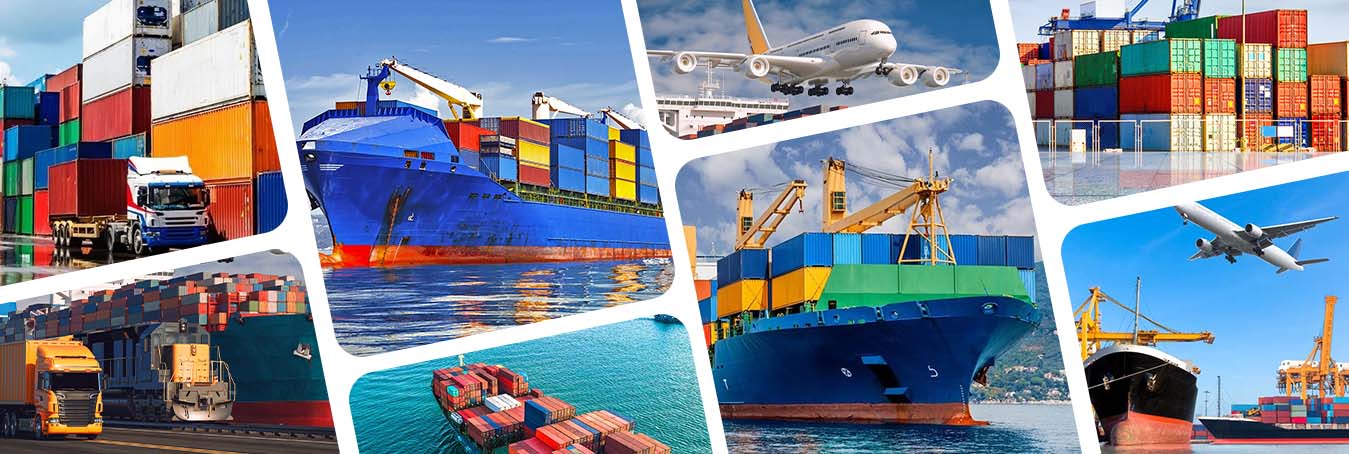
❖When shipping from China to the UK, businesses have several options beyond sea freight. Each method offers distinct advantages and disadvantages regarding cost, speed, and suitability for different cargo types. A comprehensive comparison is essential for making an informed decision.
Sea freight remains the most economical choice for large, heavy, or non-urgent shipments. However, its transit time is considerably longer than other modes. This trade-off between cost and speed is a primary consideration.
Air freight provides unparalleled speed. It is ideal for high-value, time-sensitive, or perishable goods. Nevertheless, it comes with a significantly higher cost per kilogram. This makes it unsuitable for bulk or low-margin products.
Rail freight offers a middle-ground solution. While not directly to the UK by rail, cargo can travel from China to European hubs via rail. It then transfers to sea or road for the final leg to the UK. This option is faster than sea freight and more cost-effective than air freight.
Express courier services are best for small packages and urgent documents. They offer door-to-door convenience and rapid delivery. However, their cost per unit weight is the highest among all options.
| Shipping Method | Cost Range (40HQ est.) | Transit Time (Port-to-Port) | Best For | Limitations |
|---|---|---|---|---|
| Sea Freight | $3,500 – $4,500 | 28-38 days | Large, heavy, non-urgent goods | Slow transit, port congestion risks |
| Air Freight | $20,000 – $30,000+ | 3-7 days | Urgent, high-value, perishable goods | Very high cost, volume/weight restrictions |
| Rail Freight (to Europe) | $8,000 – $12,000 | 15-20 days (to EU hub) | Mid-volume, time-sensitive, cost-conscious | Requires onward transport to UK, limited routes |
| Express Courier | Variable (high/kg) | 2-5 days | Small packages, documents, samples | Extremely high cost for larger shipments |
Sea Freight: Cost-Effective for Bulk
Sea freight is the backbone of international trade for a reason. It is the most cost-efficient option for transporting large volumes and heavy goods. If your shipment is not time-critical, sea freight offers significant savings.
For example, a 40-foot container from China to the UK might cost $3,500-$4,500. This is a fraction of the price for air freight for similar volume. This method is perfect for manufacturers and retailers importing consumer goods, raw materials, or machinery.
Air Freight: Speed for Urgent Shipments
When speed is the absolute priority, air freight is the clear winner. Goods can reach the UK from China in as little as 3-7 days. This rapid transit minimizes inventory holding costs and allows for quick market response.
However, air freight costs are substantially higher. Shipping the contents of a 40-foot container by air could easily exceed $20,000-$30,000. This option is best suited for high-value electronics, fashion items, or critical components. Explore our air freight services for time-sensitive cargo.
Rail Freight: A Balanced Alternative
While not a direct China to UK rail route, rail freight offers a viable alternative to European rail hubs. Cargo travels from China to destinations like Duisburg or Warsaw in 15-20 days. From there, it can be trucked or shipped to the UK.
Rail freight strikes a balance between speed and cost. It is faster than sea freight and cheaper than air freight. This makes it an attractive option for certain types of goods and supply chain strategies. Learn more about our rail freight solutions.
Understanding Shipping Costs from China to UK
❖Calculating the total shipping cost from China to the UK involves more than just the ocean freight rate. A comprehensive understanding of all charges is crucial for accurate budgeting and avoiding unexpected expenses. Each component adds to the overall landed cost of your goods.
The primary component is the ocean freight rate itself. This cost depends on the container size (20GP, 40GP, 40HQ) or per CBM for LCL shipments. Rates fluctuate based on fuel surcharges, carrier capacity, and seasonal demand.
Origin charges are incurred in China. These include terminal handling charges (THC), documentation fees, customs declaration fees, and drayage to the port. These can add several hundred dollars to your bill.
Destination charges are applied upon arrival in the UK. These typically cover terminal handling, port security, and various administrative fees. For LCL, there will also be deconsolidation charges.
Customs duties and taxes are significant. The UK’s import tariffs and VAT apply to most goods from China. These are calculated based on the declared value of your cargo. Accurate classification is vital to prevent overpayment or delays. Our customs brokerage service can assist with this complex process.
Additionally, consider insurance costs to protect your goods against damage or loss during transit. Inland transportation from the UK port to your final warehouse also contributes to the total cost. These various elements collectively determine the full financial outlay for your shipment.
Note: Freight rates are subject to change based on fuel costs, carrier capacity, and seasonal demand. Contact us for a current quote tailored to your specific shipment.
Optimizing Your China to UK Supply Chain
❖Efficient supply chain management is paramount for businesses importing from China to the UK. Strategic planning can significantly reduce costs, minimize delays, and enhance overall operational efficiency. Proactive measures are key to success.
One key strategy involves choosing the right shipping partner. A reputable freight forwarder can provide expert guidance on routes, carriers, and customs procedures. They offer invaluable support in navigating complex logistics.
Careful planning of your orders to avoid peak seasons is also highly beneficial. Ordering in advance of Chinese New Year or the Q4 holiday rush can help you secure better rates and more reliable transit times. This foresight prevents costly last-minute rushes.
Furthermore, consider the benefits of a robust door to door service. This streamlines the entire process from factory floor to your warehouse. It reduces administrative burden and potential points of failure. This comprehensive approach simplifies your logistics.
For businesses using Amazon FBA, specialized services can offer significant advantages. Utilizing an Amazon FBA shipping expert ensures compliance with Amazon’s strict requirements. This prevents issues at fulfillment centers and keeps your products available.
Regular communication with your suppliers and freight forwarder is crucial. Staying informed about production schedules and shipment status allows for quick adjustments. This proactive communication helps mitigate potential problems before they escalate.
FCL vs. LCL: Which is Right for You?
The choice between FCL (Full Container Load) and LCL (Less than Container Load) impacts both cost and China to UK sea freight time. This decision depends heavily on your shipment volume and specific needs.
FCL is generally more cost-effective per unit for larger volumes. If your cargo is substantial enough to fill or nearly fill a 20-foot or 40-foot container, FCL is usually the better choice. It offers faster transit and less handling.
LCL is ideal for smaller shipments that do not require an entire container. While cheaper upfront for smaller volumes, the per-unit cost can be higher due to consolidation and deconsolidation fees. It also adds several days to the transit time. Consider your volume carefully.

The Importance of Customs Clearance
Effective customs clearance is a non-negotiable aspect of international shipping. Delays at customs can severely impact your China to UK sea freight time. This can lead to additional costs like demurrage and detention.
Ensuring all documentation is accurate and complete is paramount. This includes commercial invoices, packing lists, bills of lading, and any required permits or certificates. Errors can trigger inspections and hold-ups.
Working with an experienced customs broker is highly recommended. They possess the expertise to navigate complex regulations and ensure compliance. This minimizes risks and accelerates the clearance process significantly. A good broker can save you time and money.
Real-World Scenarios: China to UK Shipments
❖Understanding theoretical transit times is one thing; seeing how they play out in real-world scenarios offers practical insights. These case studies illustrate typical China to UK sea freight times and associated costs. They highlight common challenges and successful strategies.
The market rates provided are based on Q3 2024 data, subject to fluctuations.
Case Study 1: Large Volume General Merchandise
This scenario involves a regular importer of general merchandise, focusing on efficiency and cost control. The shipment was standard, without urgent deadlines, allowing for optimal sea freight utilization.
Route: Shanghai, China -> Felixstowe, UK
Cargo: Mixed consumer goods (toys, small electronics), 58 CBM, 9,500 kg
Container: 40HQ (Full Container Load)
Shipping Details:
– Carrier/Service: COSCO, Direct Service
– Port of Loading: Shanghai
– Port of Discharge: Felixstowe
– Route Type: Direct
Key Insight: Booking well in advance during a stable market period ensured competitive rates and predictable transit. Direct service minimized transshipment risks and delays.
| Metric | Value |
|---|---|
| Ocean Freight | $3,800 |
| Origin Charges (THC, documentation) | $350 |
| Destination Charges | $400 |
| Customs & Duties (estimated) | $1,500 (approx. 5% duty + 20% VAT) |
| Total Landed Cost | $6,050 |
| Booking to Loading | 5 days |
| Sea Transit | 33 days |
| Customs Clearance | 3 days |
| Total Door-to-Door | 41 days |
Case Study 2: Smaller Volume Textile Samples
An SME imported textile samples, prioritizing cost-effectiveness over extreme speed. LCL was chosen due to the smaller volume, requiring careful management of consolidation times.
Route: Ningbo, China -> Southampton, UK
Cargo: Textile samples and small accessories, 8 CBM, 1,200 kg
Container: LCL (Less than Container Load)
Shipping Details:
– Carrier/Service: Major carrier, Standard LCL Service
– Port of Loading: Ningbo
– Port of Discharge: Southampton
– Route Type: Transshipment via Singapore
Key Insight: Choosing a reliable LCL service with a single transshipment point helped manage costs. However, the transshipment added a few extra days to the overall schedule, which was acceptable for samples.
| Metric | Value |
|---|---|
| Ocean Freight (per CBM) | $85/CBM ($680 total) |
| Origin Charges (THC, documentation) | $280 |
| Destination Charges (incl. deconsolidation) | $450 |
| Customs & Duties (estimated) | $400 (approx. 10% duty + 20% VAT) |
| Total Landed Cost | $1,810 |
| Booking to Loading | 7 days |
| Sea Transit | 38 days |
| Customs Clearance | 4 days |
| Total Door-to-Door | 49 days |
Case Study 3: Furniture Shipment with Peak Season Challenge
This case highlights the impact of peak season on China to UK sea freight time and costs. A furniture importer faced increased demand pre-holiday, necessitating careful planning.
Route: Shenzhen, China -> London Gateway, UK
Cargo: Flat-pack furniture, 45 CBM, 7,000 kg
Container: 40GP (Full Container Load)
Shipping Details:
– Carrier/Service: MSC, Standard Service
– Port of Loading: Shenzhen
– Port of Discharge: London Gateway
– Route Type: Direct (Q4 Peak Season)
Key Insight: Booking early for Q4 was crucial, but rates were still 20% higher than off-peak. Port congestion caused slight delays, emphasizing the need for buffer time during busy periods.
| Metric | Value |
|---|---|
| Ocean Freight (Peak Season) | $4,200 |
| Origin Charges (THC, documentation) | $380 |
| Destination Charges | $420 |
| Customs & Duties (estimated) | $1,800 (approx. 0% duty + 20% VAT, product dependent) |
| Total Landed Cost | $6,800 |
| Booking to Loading | 6 days |
| Sea Transit | 35 days |
| Customs Clearance | 4 days |
| Total Door-to-Door | 45 days |

Decision Framework: Choosing Your Shipping Method
❖Selecting the optimal shipping method from China to the UK requires a clear understanding of your priorities. A structured decision framework helps align logistics choices with business objectives. Consider these key criteria.
If budget is your primary concern, sea freight is almost always the most economical option. It offers the lowest cost per unit for bulk goods. This is ideal for businesses with flexible delivery schedules.
Conversely, if speed is paramount, air freight is the undisputed choice. It significantly reduces transit time, making it suitable for urgent orders, perishable goods, or high-value items where time equals money. The expedited service is invaluable for critical shipments.
Cargo type also heavily influences the decision. Large, heavy, or bulky items are best suited for sea freight due to its capacity and cost-effectiveness. Smaller, lighter, or high-value items might benefit from air freight or express courier services. Fragile items may require specialized handling.
Furthermore, volume thresholds play a crucial role. For shipments under 15 CBM, LCL sea freight might be viable, but beyond that, an FCL container often becomes more cost-efficient. Air freight becomes prohibitively expensive quickly as volume increases. Evaluate your shipment size carefully.
Finally, consider hybrid solutions for complex needs. A combination of rail freight to a European hub followed by road or short-sea to the UK can offer a balance. This strategy provides a middle ground between the speed of air and the cost of sea. It optimizes for specific supply chain requirements.
Navigating Peak Seasons and Potential Delays
❖Managing shipments during peak seasons from China to the UK demands proactive strategies. These periods, characterized by high demand and limited capacity, can significantly impact China to UK sea freight time and costs. Proper preparation is essential.
Key peak seasons include Chinese New Year (January/February), Golden Week (October), and the pre-Christmas rush (August-November). During these times, freight rates typically increase by 15-25%. Additionally, transit times can extend by several days due to port congestion and vessel delays.
To mitigate these challenges, book your shipments well in advance. Securing space early helps avoid last-minute price hikes and ensures your cargo gets loaded. Flexibility with shipping dates can also lead to better rates during shoulder seasons.
Consider using alternative ports if major ones are heavily congested. Sometimes, a slightly longer inland journey to a less busy port can save days on ocean transit. This requires coordination with your freight forwarder.
Maintaining open communication with your suppliers and freight forwarder is crucial. They can provide real-time updates on market conditions and potential delays. This transparency allows for quick adjustments to your delivery schedule. Proactive communication minimizes surprises.
Building in buffer time for your deliveries is a wise practice, especially during peak periods. Expecting some delays and planning for them can prevent supply chain disruptions. This ensures continuity even when unforeseen events occur.
Conclusion: Mastering China to UK Sea Freight Time
Navigating the complexities of China to UK sea freight time requires a comprehensive understanding of various factors. From choosing the right shipping method to managing customs and peak seasons, every detail counts. This guide has provided insights into typical transit times, cost components, and strategic considerations.
By leveraging expert freight forwarding services and proactive planning, businesses can optimize their supply chains effectively. Understanding the nuances of sea freight allows for better inventory management and predictable delivery schedules. Ultimately, mastering your China to UK sea freight time leads to greater operational efficiency and customer satisfaction. Always seek current market advice for your specific shipping needs.
Ready to streamline your logistics?
Ready to optimize your China to UK sea freight time and costs? Let our experts at China Top Freight streamline your logistics. Contact us today for a personalized quote and discover how we can enhance your supply chain efficiency.
Request Quote